
Common Silvery Hunter Ant
Platythyrea punctata
- Sci. Name
- Platythyrea punctata
- Tribe
- Platythyreini
- Subfamily
- Ponerinae
- Author
- Smith, 1858
- Common Name
- Common Silvery Hunter Ant
- Distribution
- Found in 24 countries
Introduction
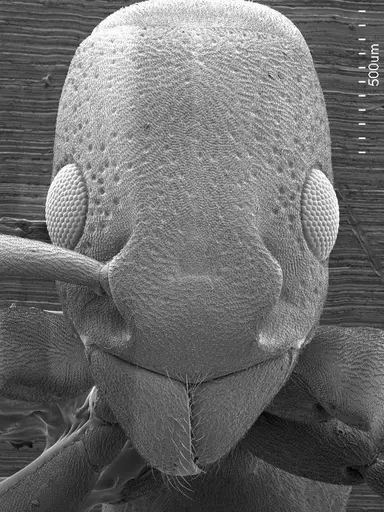
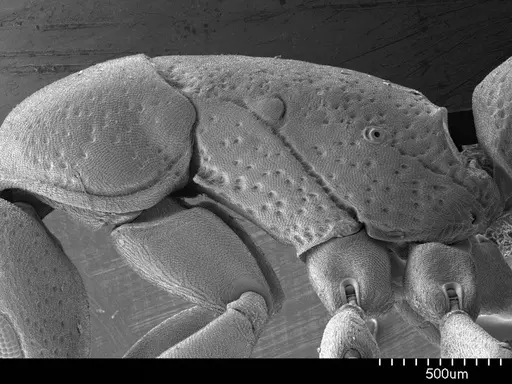
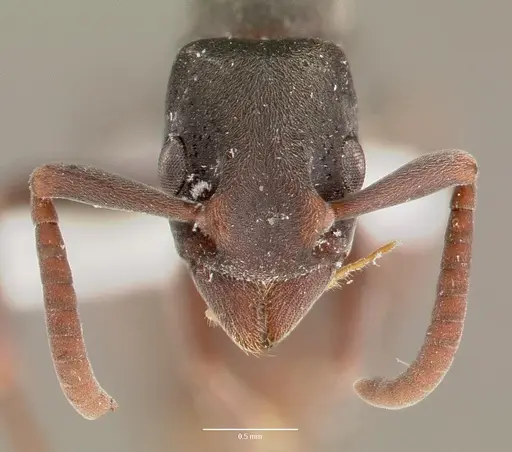
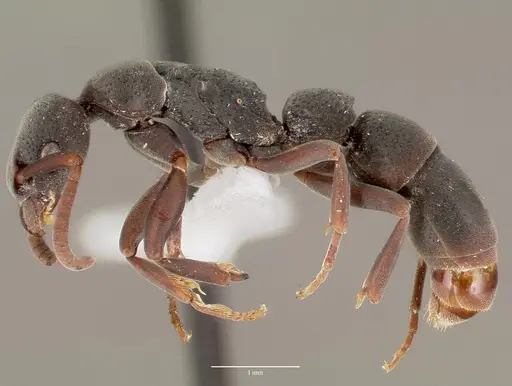
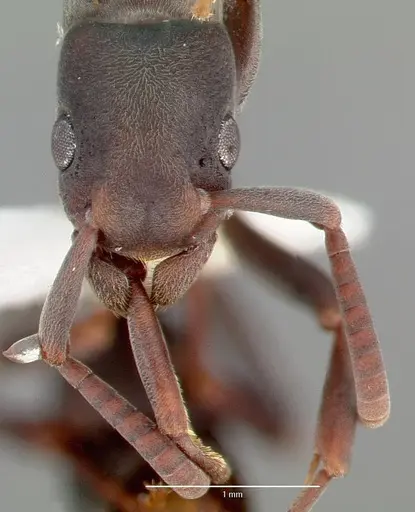
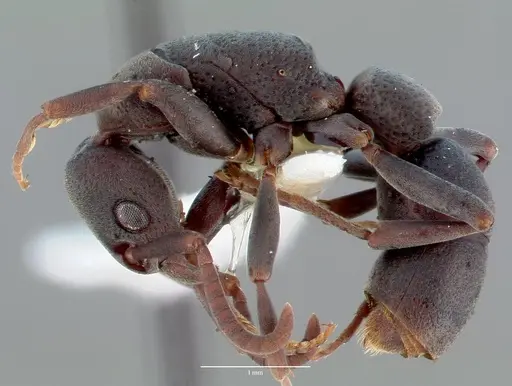
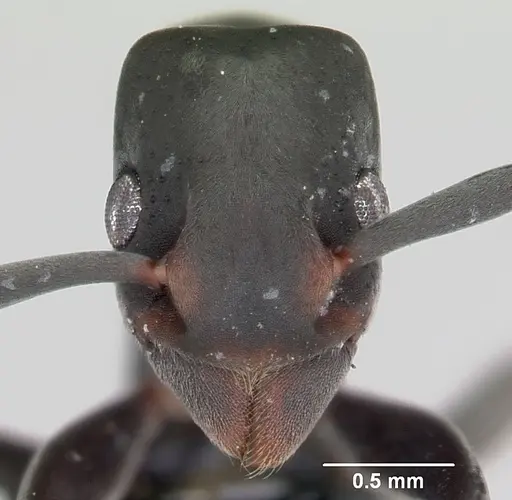
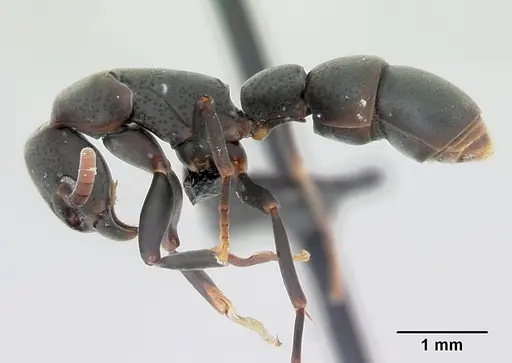
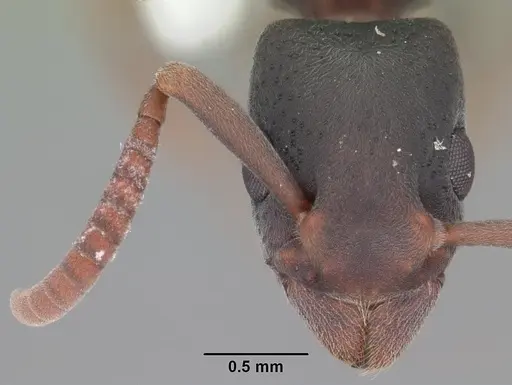
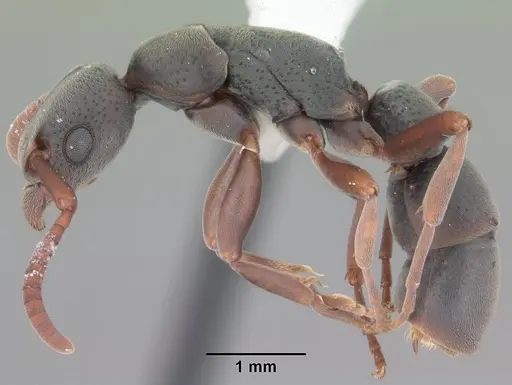
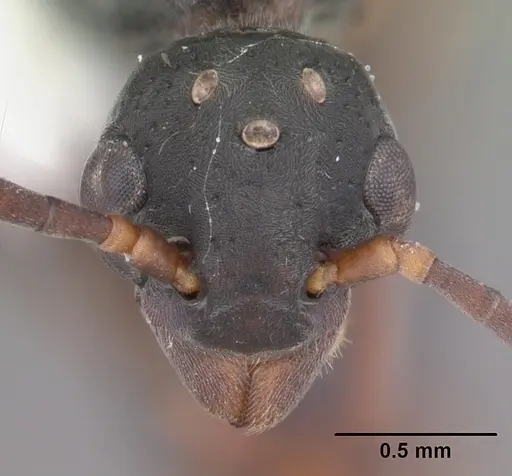
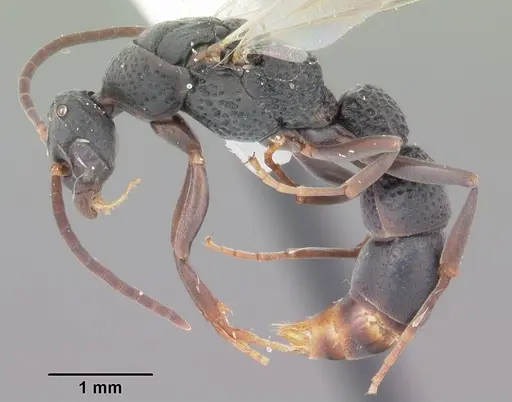
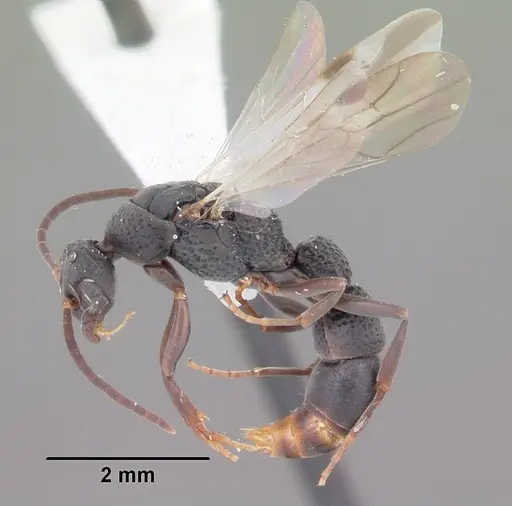
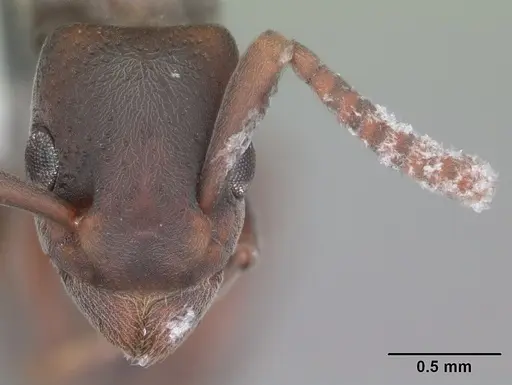
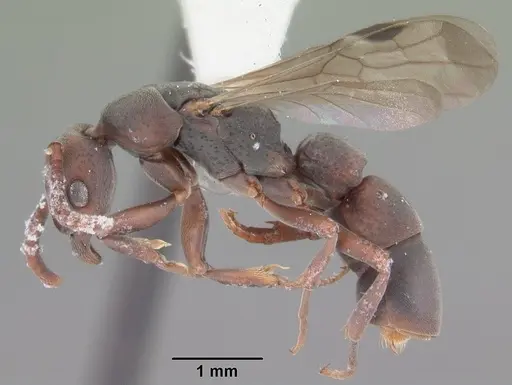
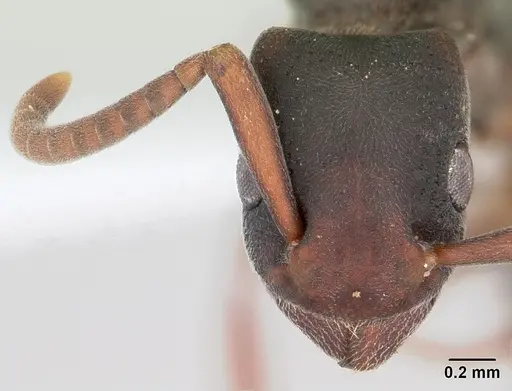
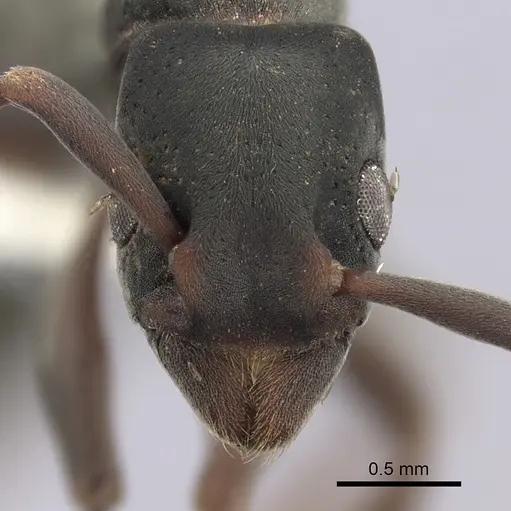
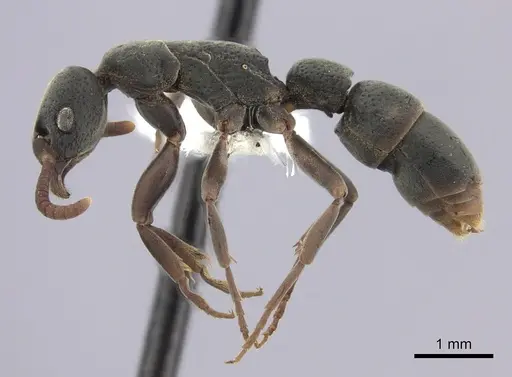
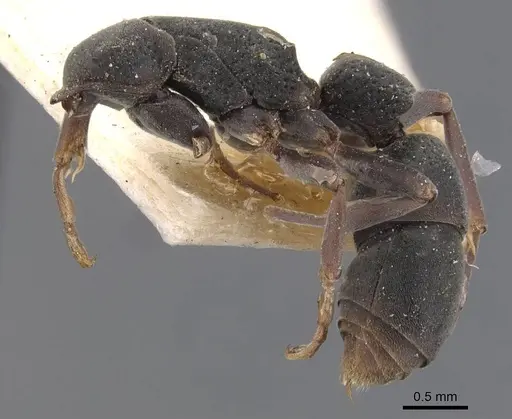
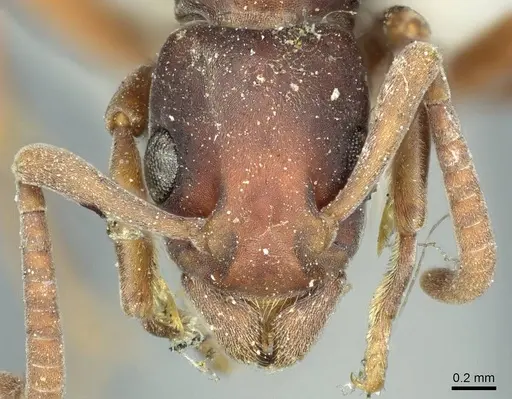
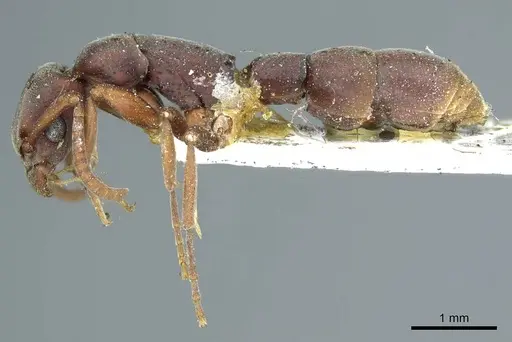
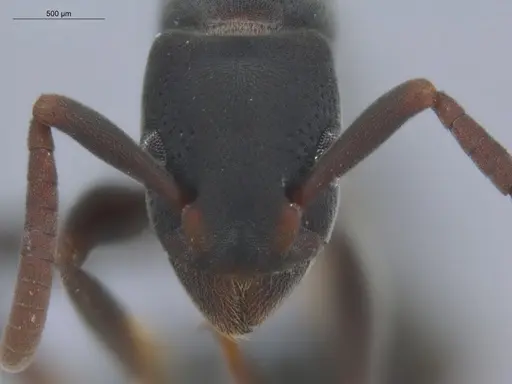
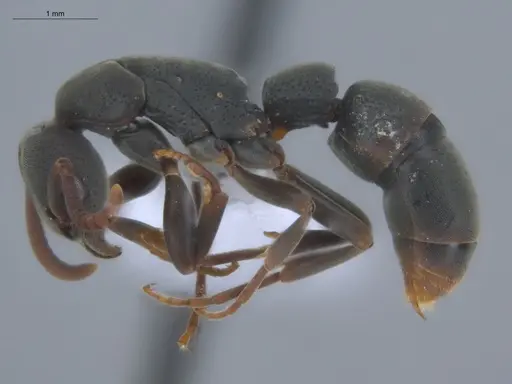
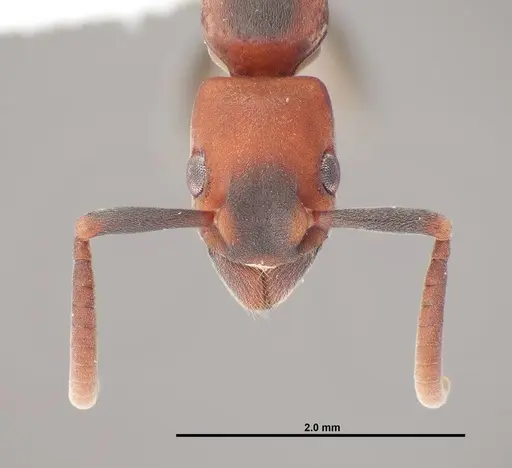
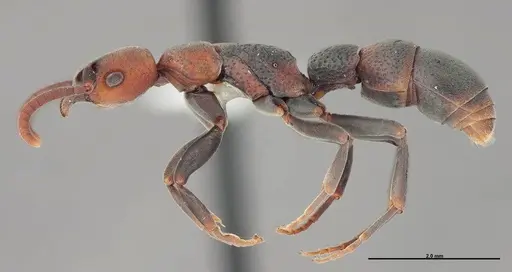
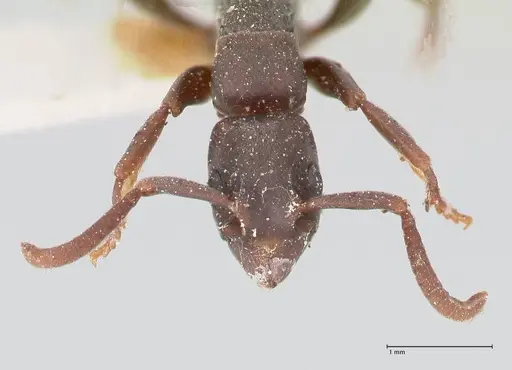
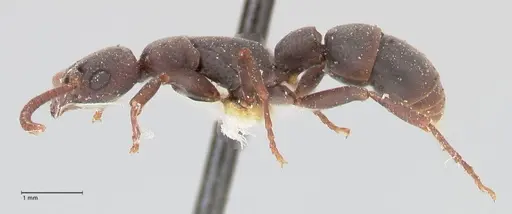
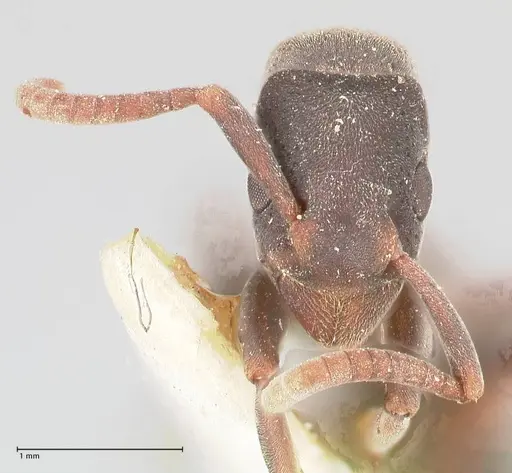
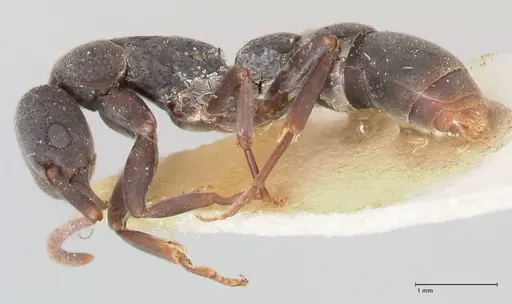
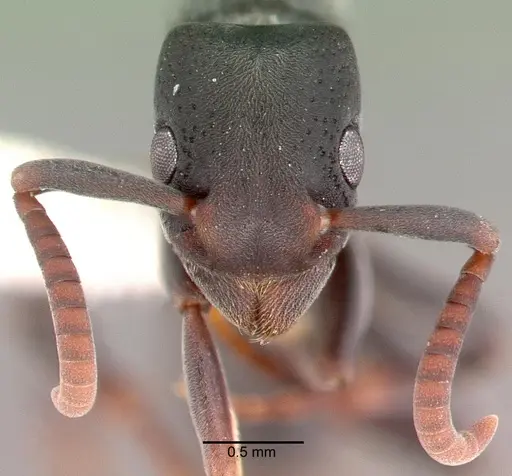
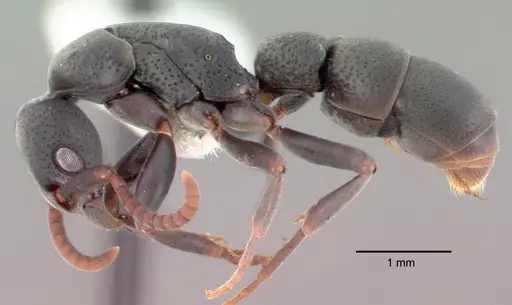
Platythyrea punctata is a medium-sized ponerine ant about 6 mm long . It is known for its thelytokous parthenogenesis, where workers produce female offspring without mating . Workers are charcoal-colored with a silvery pubescence, have an elongate-rectangular petiole, and heavily punctured body . This species is found throughout the Caribbean islands, Florida, and Mesoamerica, from southern Texas to Brazil . Colonies nest in dead wood, and workers forage singly, primarily at night, hunting insects .
Quick Summary
- Difficulty: Medium
- Origin & Habitat: Caribbean islands, Florida, and Mesoamerica. Found in wooded areas, nesting in dead wood such as fallen logs and branches [1][4].
- Colony Type: Thelytokous parthenogenetic, workers reproduce without mating. In most populations, morphological queens are absent, and colonies consist of workers that reproduce clonally. One worker monopolizes reproduction through dominance hierarchies [7][2][3].
- Size & Growth:
- Antkeeping:
- Temperature: Keep at 23-27°C. Laboratory colonies maintained at 23-26°C or 27°C [7][8].
- Humidity: Provide a humidity gradient, mostly dry nest chamber with one small moist area, as they prefer hard, dry wood [9].
- Diapause: No diapause required, based on tropical distribution.
- Nesting: Use dead wood nesting, provide rotten wood pieces or Y-tong nests with narrow chambers. They prefer dry to moderately damp conditions [9][4].
- Behavior: Fast-moving and wary ants that forage singly at night, hunting insects. Predatory by nature. Workers form dominance hierarchies for reproduction. Medium escape risk, use standard barriers [7][5].
- Common Issues: colonies require dead wood nesting sites, synthetic nests may not be ideal [9]., thelytokous reproduction means only one worker should reproduce, overstocking can cause aggression [3]., small colony size makes them vulnerable to stress, handle gently during transfers [3]., tropical species needs warm temperatures, cold can slow brood development [7]., colonies from disturbed habitats are smaller and more fragile [9].
Unique Reproductive Biology
Platythyrea punctata reproduces through thelytokous parthenogenesis, workers produce female offspring from unfertilized eggs without mating [2][3]. In most Caribbean populations, morphological queens are absent, and colonies consist solely of workers. One dominant worker monopolizes reproduction while others perform tasks [7]. When a reproductive worker is removed, another begins laying eggs within days [3]. Males are extremely rare in thelytokous populations [2].
Colony Structure and Behavior
Colonies contain up to 167 workers, with one or two reproductives [3]. Workers show age-based task division: young workers tend brood inside the nest, while older workers forage [7]. Foragers can revert to nursing if isolated from younger workers [11]. Workers engage in policing to maintain single-egg-layer colonies [7].
Feeding and Diet
This species is predatory, hunting insects like fruit flies and crickets [5][6]. Offer small live insects and honey water several times per week [7].
Nesting Requirements
In the wild, they nest in dead wood, preferring hard, dry wood [9][4]. In captivity, use Y-tong or plaster nests with chambers, and keep conditions dry to moderately damp [9].
Temperature and Seasonal Care
Keep at 23-27°C year-round, as they do not require diapause [7][8]. Avoid temperatures below 20°C.
Colony Fusion and Social Behavior
Colonies can fuse when they encounter each other, with initial aggression toward reproductives [12]. Workers cannot discriminate between nestmates and non-nestmates, allowing genetic lineages to coexist [12].
Frequently Asked Questions
Can I keep Platythyrea punctata in a test tube?
Test tubes are not ideal, use Y-tong or plaster nests with chambers, as they naturally nest in dead wood [9][4].
How long does it take for first workers to appear?
About 8 weeks from egg to worker at 27°C [8].
How do colonies reproduce?
Through thelytokous parthenogenesis, workers produce female offspring without mating [2][3].
Can I keep multiple queens together?
This species typically lacks queens, colonies are headed by a reproductive worker [3]. You can combine colony fragments as they readily fuse [12].
Are they good for beginners?
Intermediate difficulty, they require specific nesting and warm temperatures, so some experience is helpful.
Do they need hibernation?
No, as a tropical species they do not require diapause.
Why are workers dying?
Common causes include cold temperatures, improper humidity, stress, or poor nutrition [9][7].
Report an Issue
The current care sheet is based fully on literature. See inconsistencies, or something that's incorrect? Please , it will be resolved after review from an admin. Contributing to the blogs tab also helps providing information, to make us be able to further improve the caresheets. Thank you for your support!
References

This caresheet is licensed under CC BY-SA 4.0 .
Community Blogs
ANTWEB1008574
View on AntWeb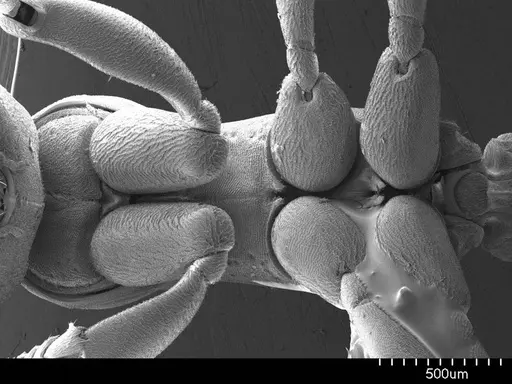
CASENT0003323
View on AntWeb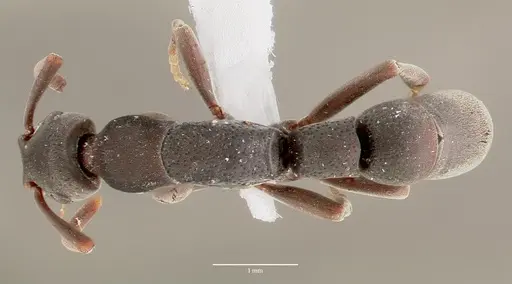
CASENT0006088
View on AntWeb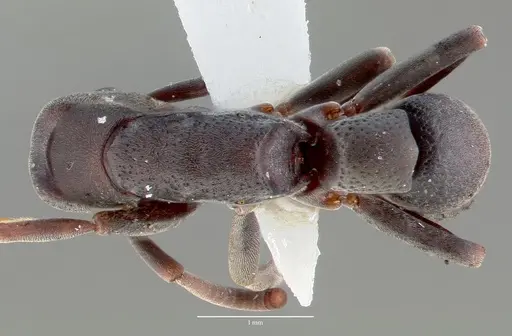
CASENT0006819
View on AntWeb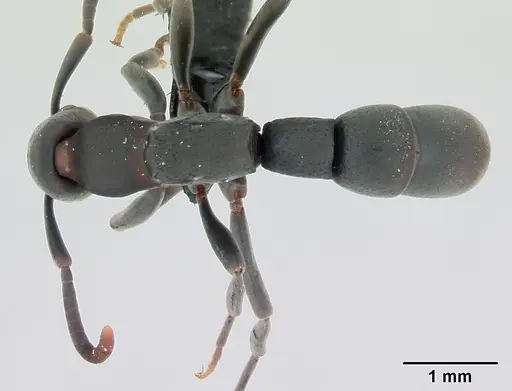
CASENT0103910
View on AntWeb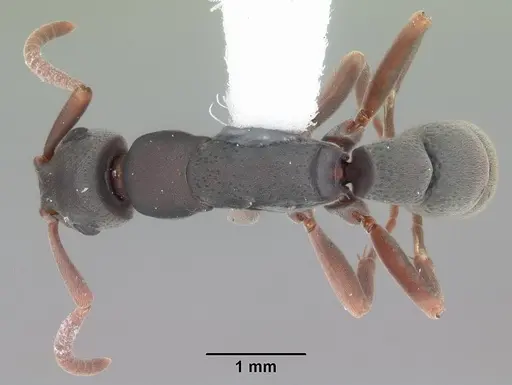
CASENT0104428
View on AntWeb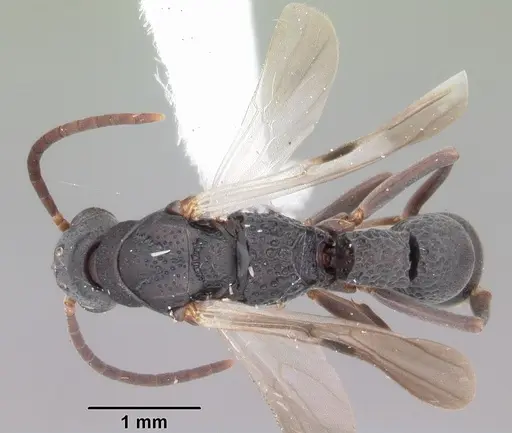
CASENT0104429
View on AntWeb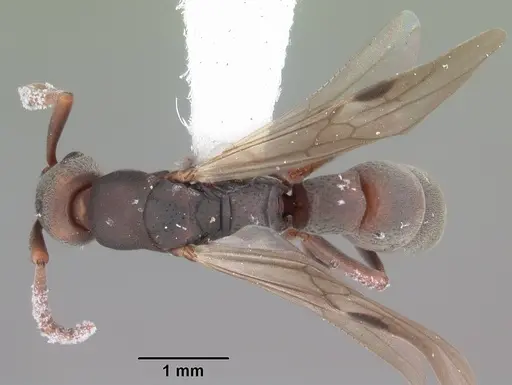
CASENT0104740
View on AntWeb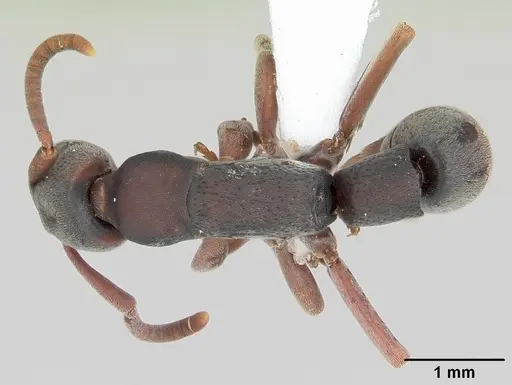
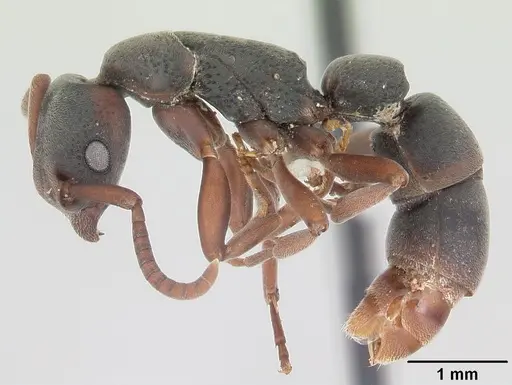
CASENT0246698
View on AntWeb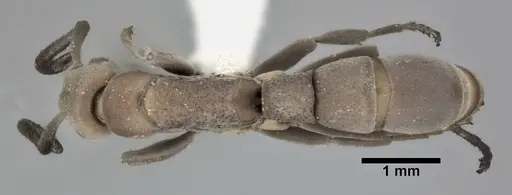
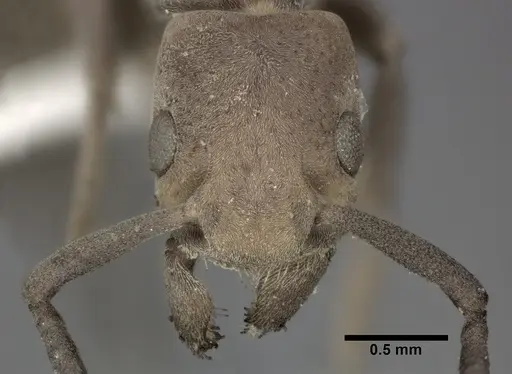
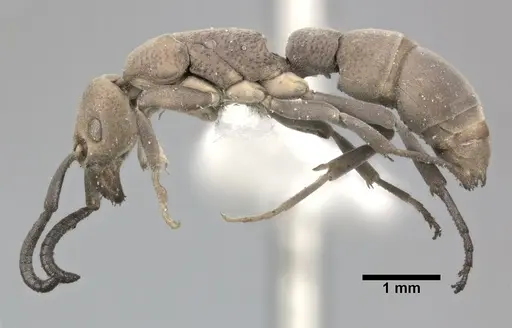
CASENT0260482
View on AntWeb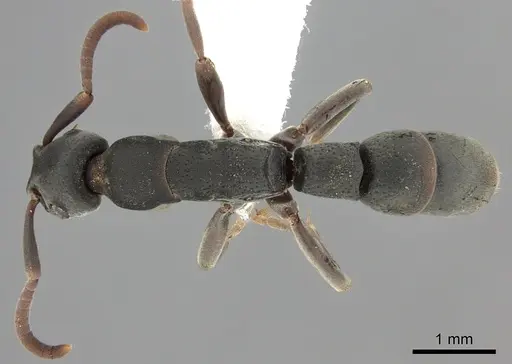
CASENT0260483
View on AntWeb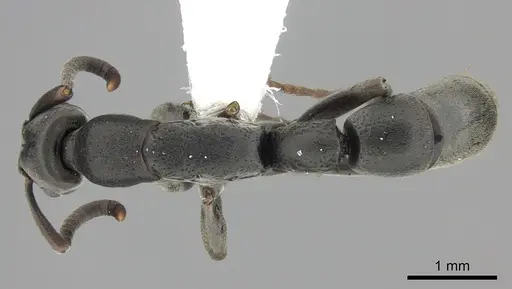
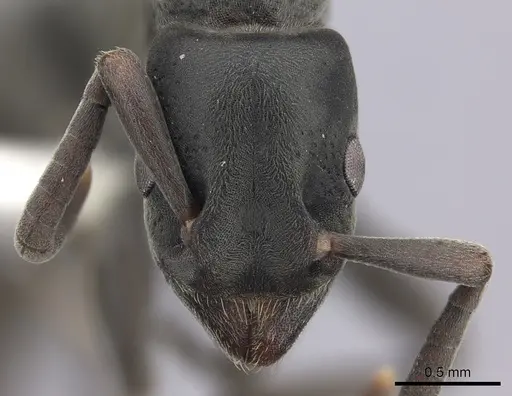
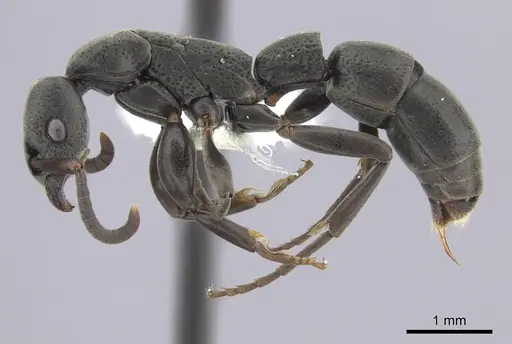
CASENT0907127
View on AntWeb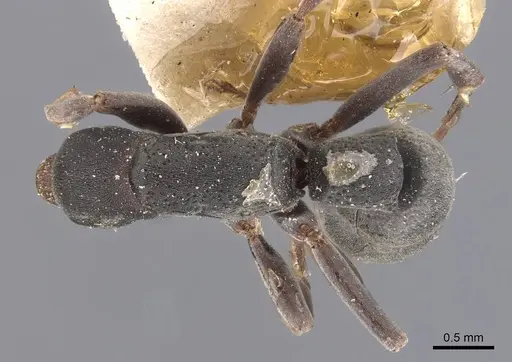
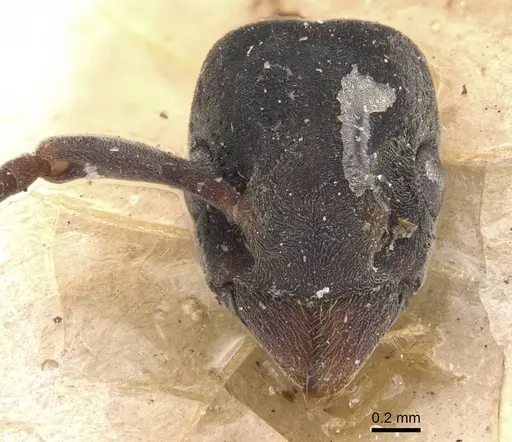
CASENT0915905
View on AntWeb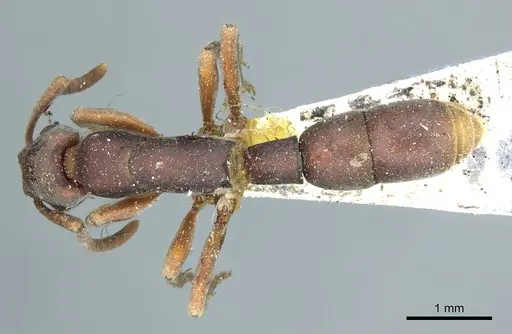
ECOFOG-BOUM-0093-05
View on AntWeb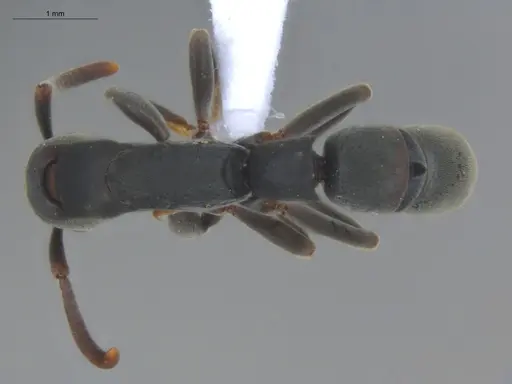
FMNHINS0000088649
View on AntWeb
FOCOL0857
View on AntWeb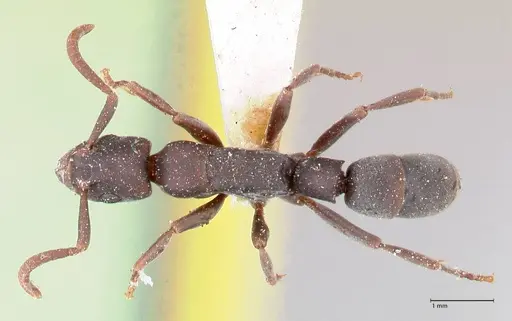
FOCOL0858
View on AntWeb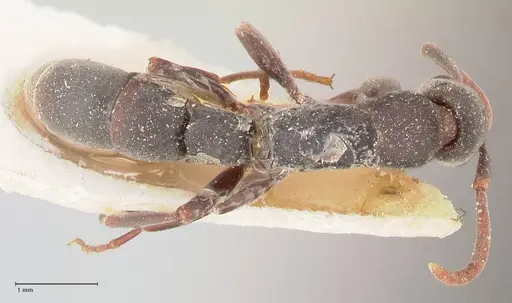
PSW7638-2
View on AntWeb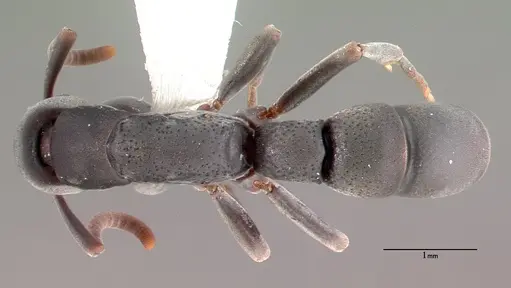
Literature
Loading distribution map...Loading products...