
Platythyrea mocquerysi
- Sci. Name
- Platythyrea mocquerysi
- Tribe
- Platythyreini
- Subfamily
- Ponerinae
- Author
- Emery, 1899
- Distribution
- Found in 3 countries
Introduction
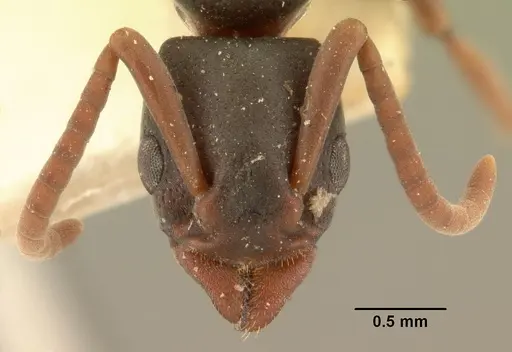
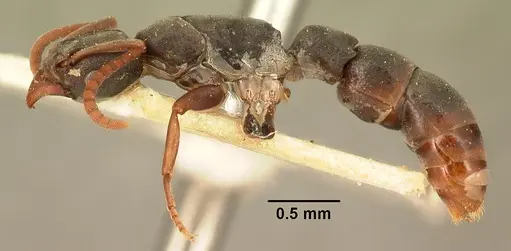
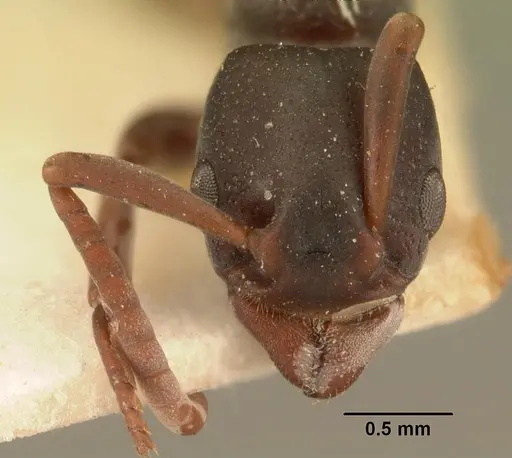
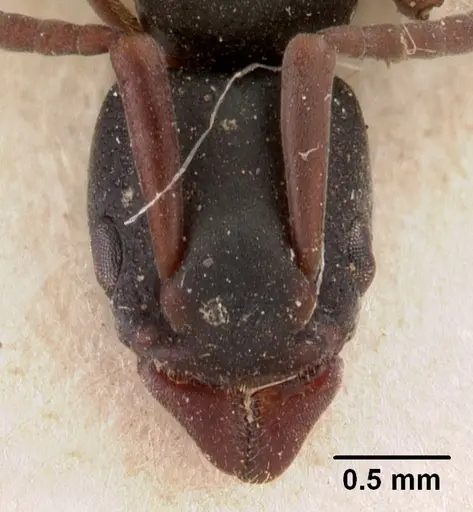
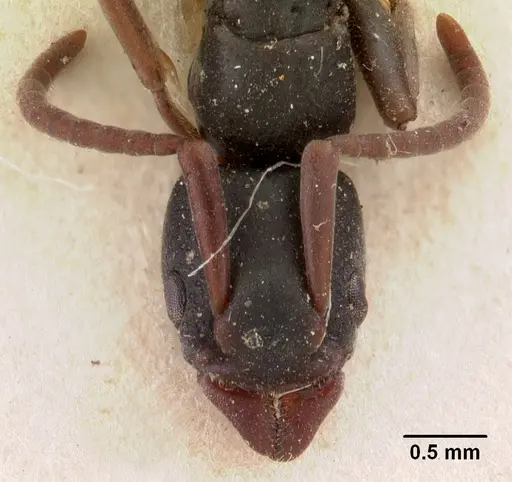
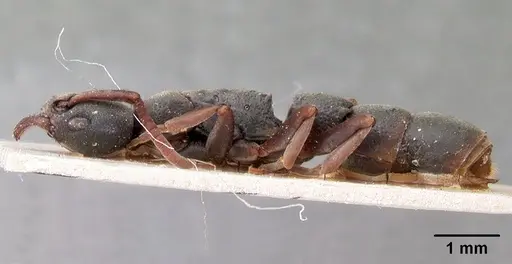
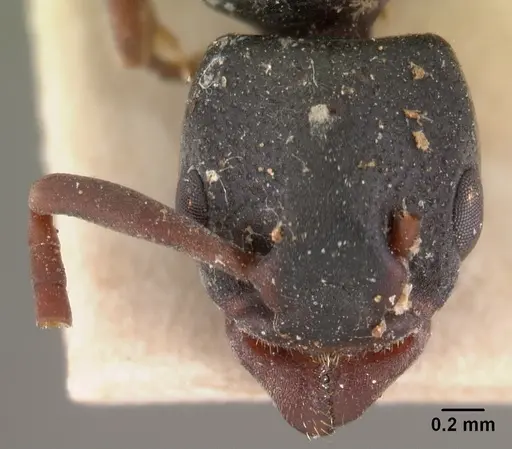
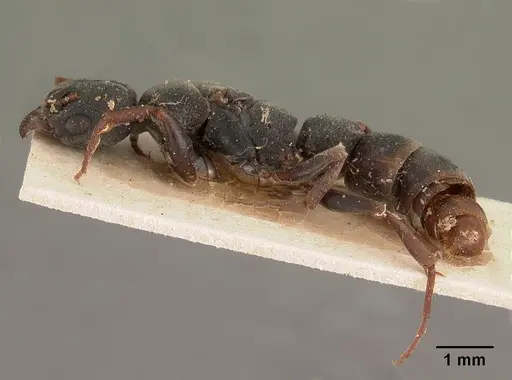
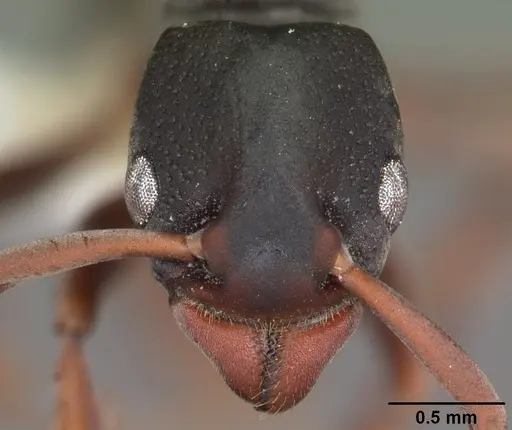
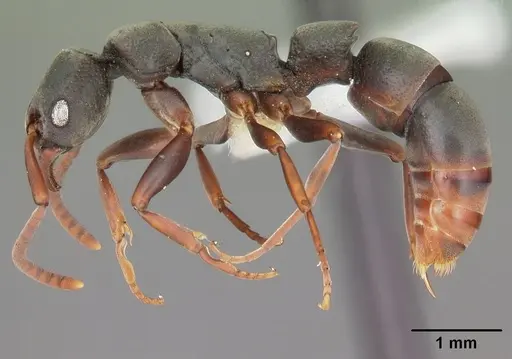
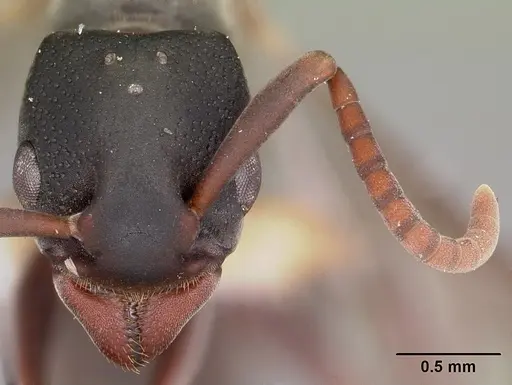
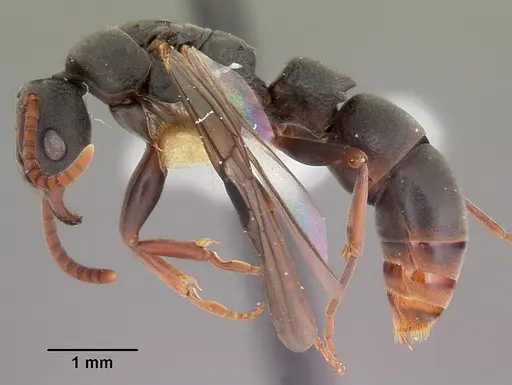
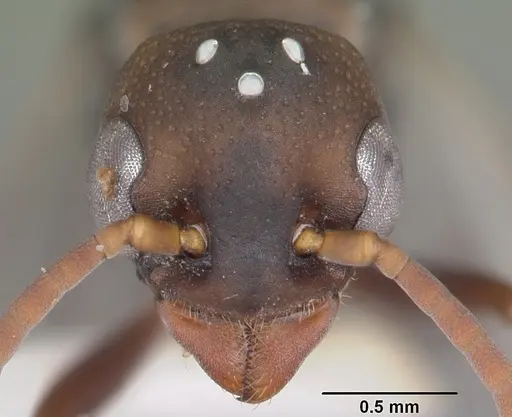
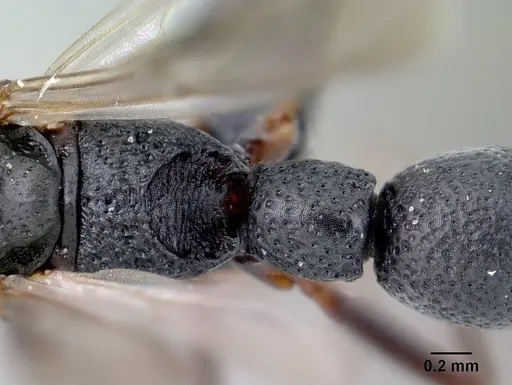
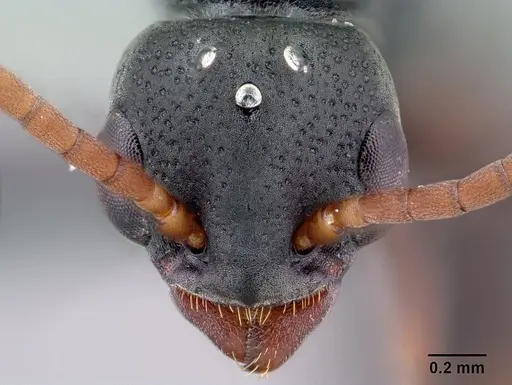
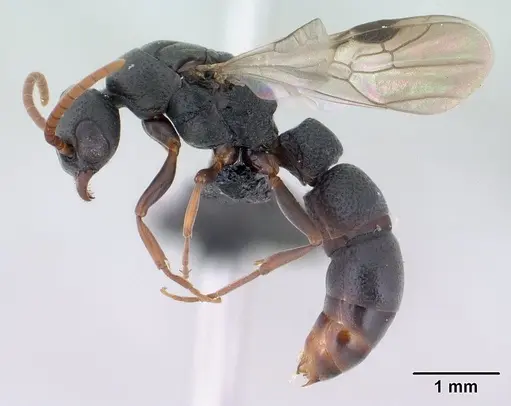
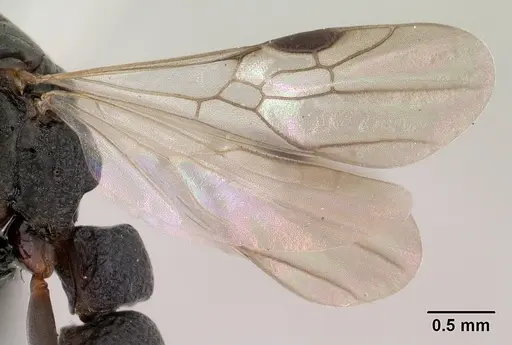
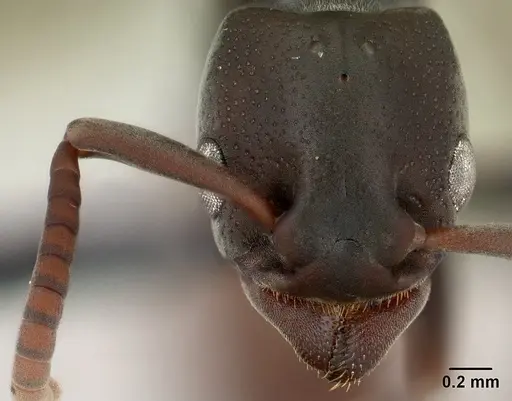
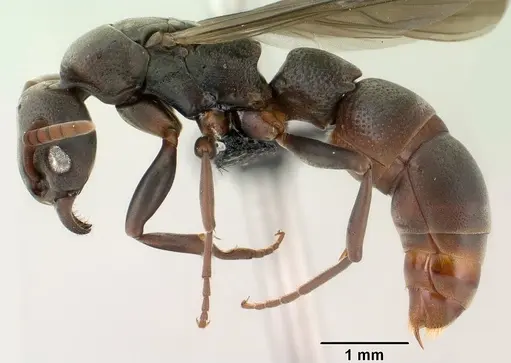
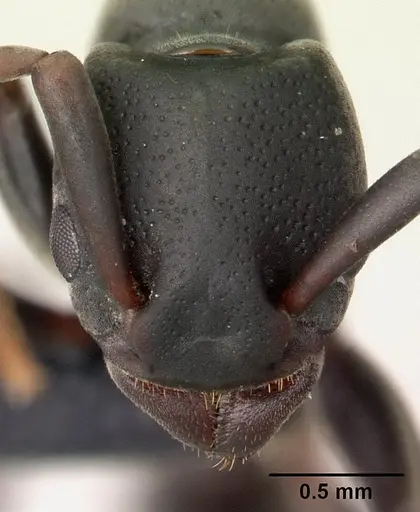
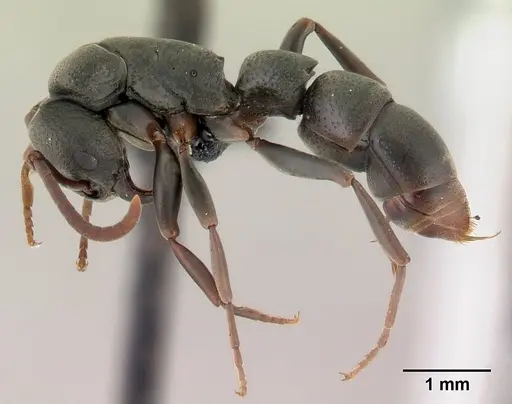
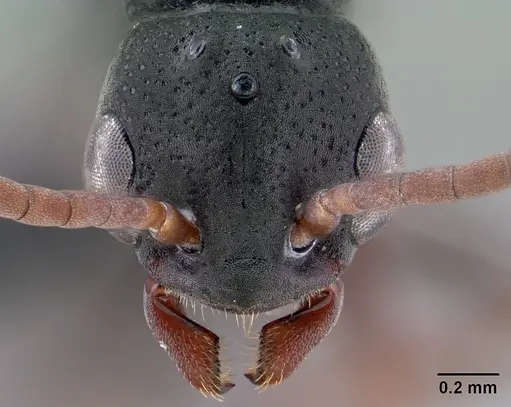
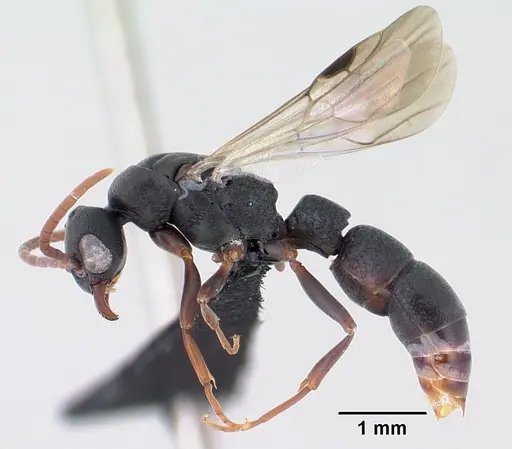
Platythyrea mocquerysi is a Ponerine ant species native to Madagascar, the Comoros islands, and Mayotte . Workers are slender, but size data is unavailable in literature. The species was first described from Antongil Bay, Madagascar . This species exhibits nesting flexibility, with arboreal habits documented in Kirindy Forest and ground-level collection data suggesting terricolous behavior . This adaptation allows them to thrive in diverse Malagasy habitats.
Quick Summary
- Difficulty: Medium
- Origin & Habitat: Madagascar, Comoros, and Mayotte. Found in tropical forests including Kirindy Forest (dry deciduous forest) and forest sites in western Madagascar [1][2][3].
- Colony Type: Colony structure is unconfirmed. Multiple queens have not been documented in this species.
- Size & Growth:
- Queen: Size data unavailable, no measurements in literature
- Worker: Size data unavailable, no measurements in literature
- Colony: Unknown, no colony size data available
- Growth: Unknown, development timeline not studied
- Development: Unknown, no direct development data available. Based on typical Ponerine patterns, expect 6-10 weeks at optimal temperature. (Development timeline has not been directly studied. Ponerine ants typically have slower development than more advanced ant subfamilies.)
- Antkeeping:
- Temperature: Unknown, based on tropical distribution, infer warm conditions around 24-27°C [1][2].
- Humidity: Unknown, based on forest habitats, infer moderate to high humidity with substrate moisture [3][4].
- Diapause: Unknown, no data available.
- Nesting: Arboreal and ground-nesting preferences suggest setups with vertical space and moisture retention [3][4].
- Behavior: Ponerine ants are generally defensive with functional stingers. Workers likely forage actively for small prey. Escape risk is moderate due to agility.
- Common Issues: Ponerine ants can be sensitive to poor husbandry, water stress kills colonies quickly., Their sting is functional and can be painful, handle with care during nest maintenance., Slow development means colonies take time to grow, beginners may lose patience., Wild-caught colonies may carry parasites that cause captive failures., Humidity control is critical, too wet causes mold, too dry causes colony death.
Natural History and Distribution
Platythyrea mocquerysi is endemic to the Malagasy region, found throughout Madagascar as well as the Comoros islands and Mayotte [1]. The species was originally described from specimens collected at Antongil Bay on Madagascar's east coast [1]. More recent surveys have documented the species in western Madagascar, including the Kirindy Forest in the Melaky Region and the Beanka Reserve [2][3].
This species inhabits tropical forests ranging from dry deciduous forest to more humid rainforest environments. Collection data from Kirindy Forest indicates arboreal nesting habits [3], though some specimens have been collected from general forest sampling, suggesting they also use ground-level microhabitats [4]. The morphological data from specimens shows they tolerate dry conditions while also being found in darker forest microhabitats [4].
Nest Preferences and Housing
Based on collection data showing arboreal nesting habits [3] and terricolous behavior [4], these ants prefer setups that provide moisture retention while allowing some vertical space for climbing. Y-tong (AAC) nests or plaster nests work well for Ponerine ants.
For a founding colony, a test tube setup can work initially, but monitor humidity carefully, Ponerines are sensitive to both drying out and excess condensation. When the colony reaches workers, consider moving to a more elaborate formicarium. Provide some climbing structures like twigs or cork bark, as their habits suggest they prefer some vertical space.
Avoid completely sealed setups, some ventilation is important to prevent mold. A small gap for air flow while maintaining humidity works better than sealed containers.
Feeding and Diet
Feeding habits are unknown for this species, but based on Ponerine subfamily patterns, they are likely predators using their sting to subdue prey. In captivity, offer small live prey such as fruit flies, small crickets, and other tiny insects. They likely hunt small invertebrates in their natural habitat, so protein-rich foods should form the bulk of their diet.
Sugar sources may be accepted occasionally, you can offer a drop of honey water or sugar water, but do not rely on it as a primary food source. Some Ponerines will accept sugary liquids, while others ignore them entirely. Observe your colony's preferences.
Feed small prey items 2-3 times per week for established colonies. Remove uneaten prey after 24 hours to prevent mold. Founding colonies will need fewer feedings, a small prey item once or twice weekly is sufficient.
Temperature and Seasonal Care
Temperature needs are unknown for this species. Based on tropical distribution, infer warm conditions around 24-27°C [1][2]. Madagascar's climate is tropical, with relatively minor seasonal temperature swings. A heating cable placed on one side of the nest can create a temperature gradient, allowing ants to regulate their own exposure to warmth.
Regarding diapause: the need for hibernation is unclear for this species. Madagascar experiences mild winters rather than cold seasons. Monitor your colony's activity levels, if they naturally slow during winter months, a brief cool period at around 18-20°C for 2-3 months may be appropriate. However, many Madagascar Ponerines do not require true hibernation and remain active year-round with proper heating.
Avoid temperature extremes, sudden drops below 20°C or spikes above 30°C can stress and kill colonies.
Behavior and Temperament
Ponerine ants are generally more defensive than advanced ant genera like Formicinae or Myrmicinae. Platythyrea mocquerysi possesses a functional stinger, and while their sting is not as potent as some larger Ponerines, it can cause discomfort. Handle nest maintenance with care, work slowly and use gentle smoke or airflow to encourage ants away before disturbing the nest.
Workers are likely active foragers, hunting individually rather than forming large foraging trails. They may be more active during evening hours based on typical Ponerine behavior. Their relatively small size means they are not aggressive toward humans unless the nest is directly threatened.
Escape prevention should be moderate. While not among the smallest ants, they are agile and will explore any gaps. Standard barrier methods (fluon on container rims, tight-fitting lids) should suffice.
Frequently Asked Questions
How long does it take for Platythyrea mocquerysi to produce first workers?
The exact development timeline is unknown, it has not been directly studied. Based on typical Ponerine ant development, expect 6-10 weeks from egg to first worker at optimal temperature (around 25°C). Ponerines generally develop more slowly than advanced ant genera.
What do Platythyrea mocquerysi ants eat?
They are predators that hunt small invertebrates. Feed small live prey such as fruit flies, small crickets, and other tiny insects. Some colonies may accept sugar sources like honey water, but protein-rich prey should be the primary food.
Can I keep multiple Platythyrea mocquerysi queens together?
This has not been documented. The colony structure (monogyne vs polygyne) is unconfirmed for this species. It is not recommended to combine unrelated foundress queens, as fighting is likely.
What temperature do Platythyrea mocquerysi ants need?
Temperature needs are unknown, but based on tropical distribution, infer warm conditions around 24-27°C [1][2].
Are Platythyrea mocquerysi good for beginners?
This species is rated as Medium difficulty. They are more sensitive to husbandry than common beginner species like Lasius or Tetramorium. Their slow development and specific humidity needs require more attention. Not recommended as a first ant unless you have experience with Ponerines.
Do Platythyrea mocquerysi need hibernation?
Diapause requirements are unknown. Madagascar has mild seasons, so a true hibernation may not be necessary. If your colony naturally slows during winter, a brief cool period at 18-20°C for 2-3 months may be beneficial.
What size do Platythyrea mocquerysi colonies reach?
Colony size is unknown, no data is available on maximum colony size for this species.
When should I move Platythyrea mocquerysi to a formicarium?
Move from a test tube setup to a formicarium when the colony has enough workers to forage effectively. Ponerines need space to forage and hunt, so a formicarium with a hunting arena works well.
Why is my Platythyrea mocquerysi colony dying?
Common causes include: humidity imbalance (too dry or too wet), temperature stress (below 20°C or above 30°C), poor prey acceptance, or parasites from wild-caught colonies. Review your husbandry parameters and ensure prey is being consumed. Consider starting with a captive-reared colony rather than wild-caught to avoid parasite issues.
Report an Issue
The current care sheet is based fully on literature. See inconsistencies, or something that's incorrect? Please , it will be resolved after review from an admin. Contributing to the blogs tab also helps providing information, to make us be able to further improve the caresheets. Thank you for your support!
References

This caresheet is licensed under CC BY-SA 4.0 .
Community Blogs
CASENT0003938
View on AntWeb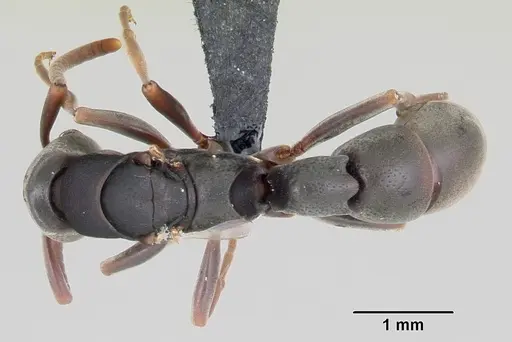
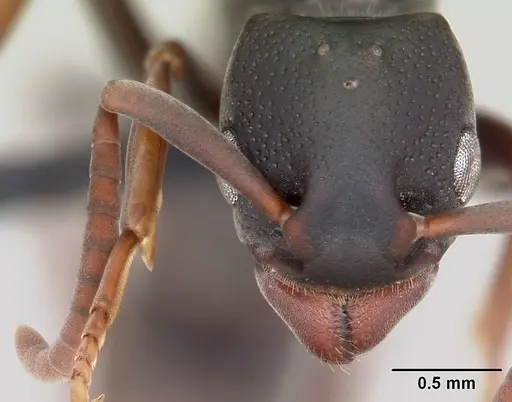
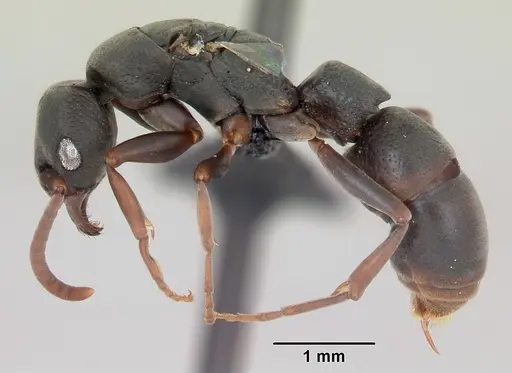
CASENT0101722
View on AntWeb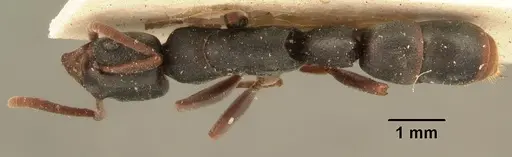
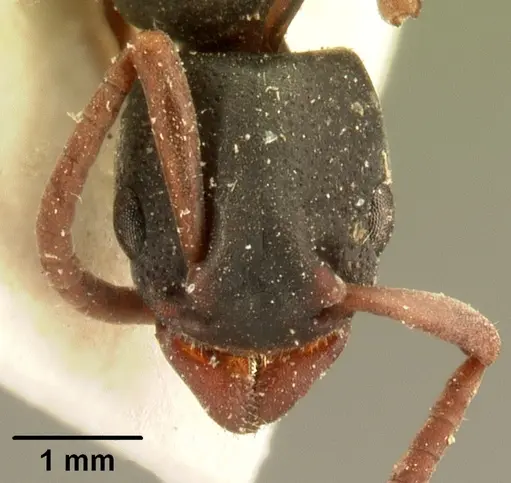
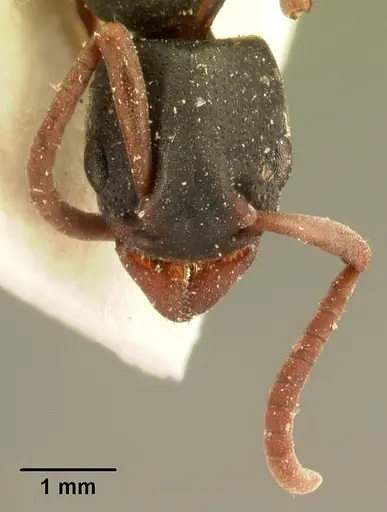
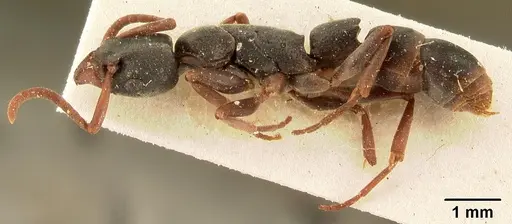
CASENT0101806
View on AntWeb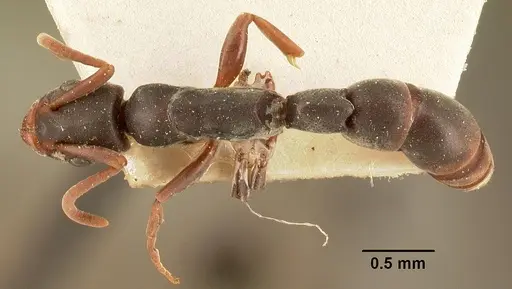
CASENT0101864
View on AntWeb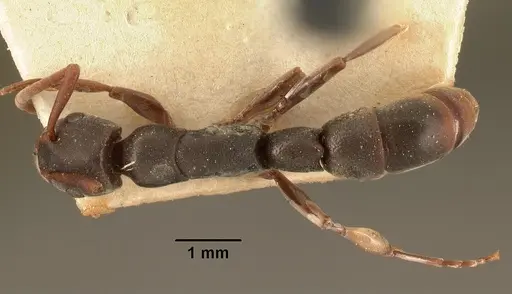
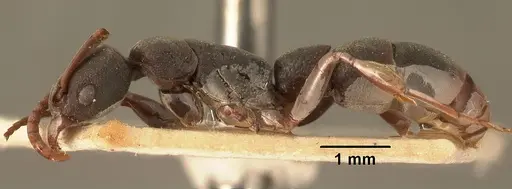
CASENT0101890
View on AntWeb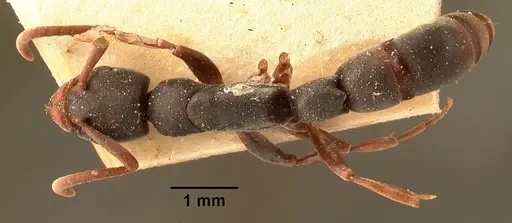
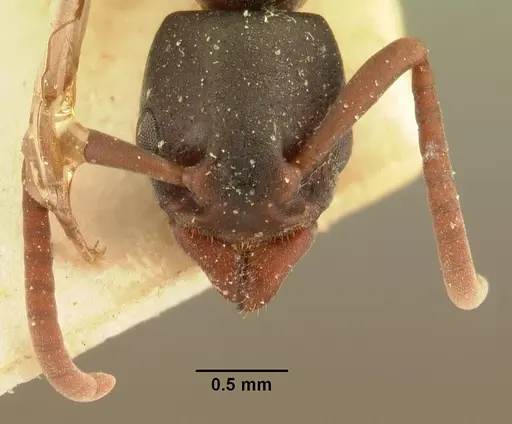
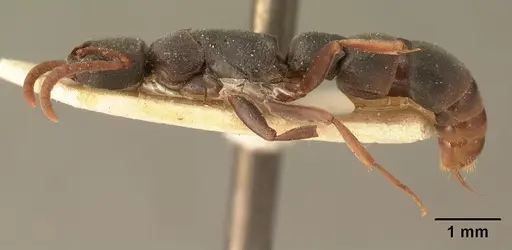
CASENT0102008
View on AntWeb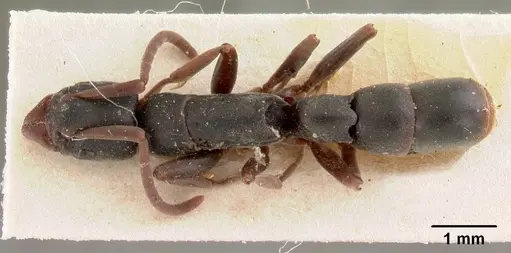
CASENT0102009
View on AntWeb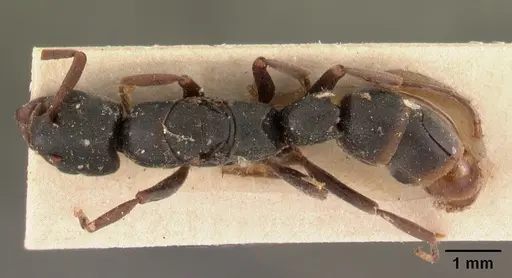
CASENT0102996
View on AntWeb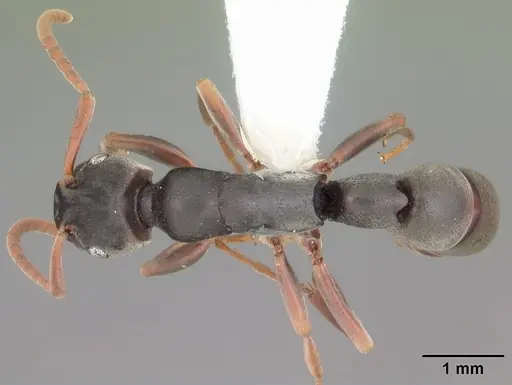
CASENT0102997
View on AntWeb
CASENT0104035
View on AntWeb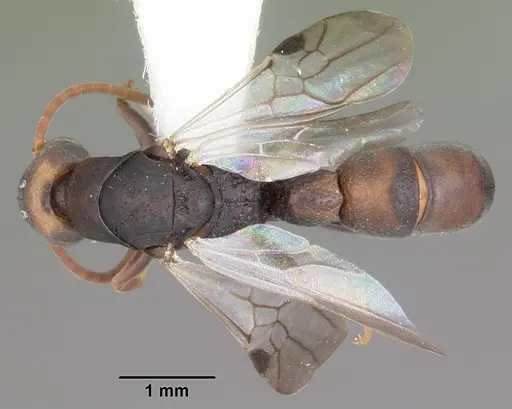
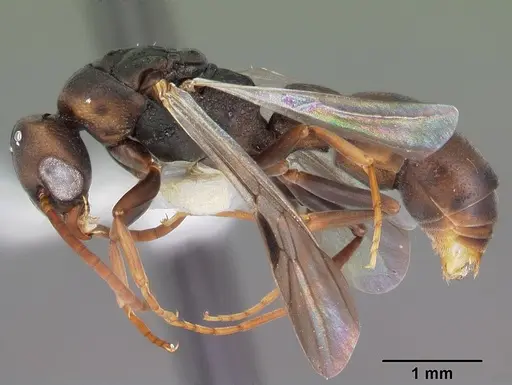
CASENT0106094
View on AntWeb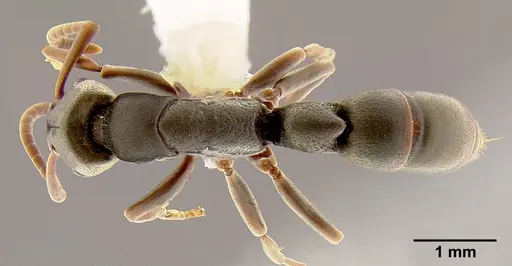
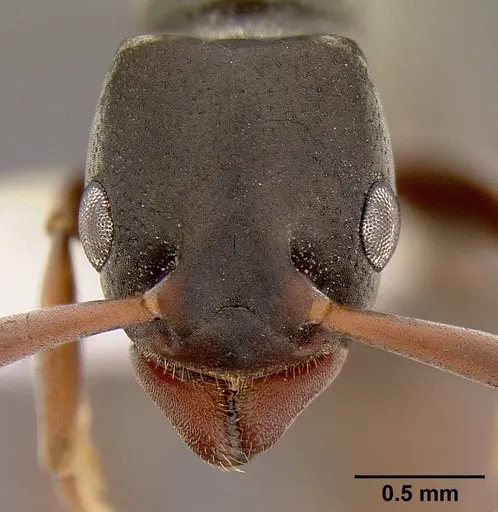
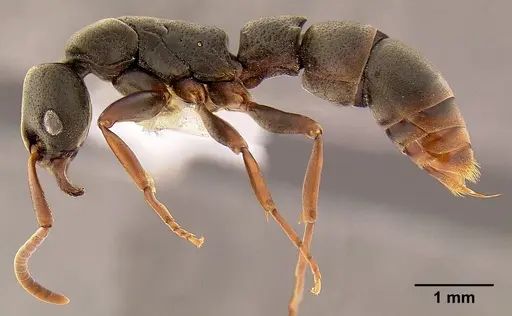
CASENT0134539
View on AntWeb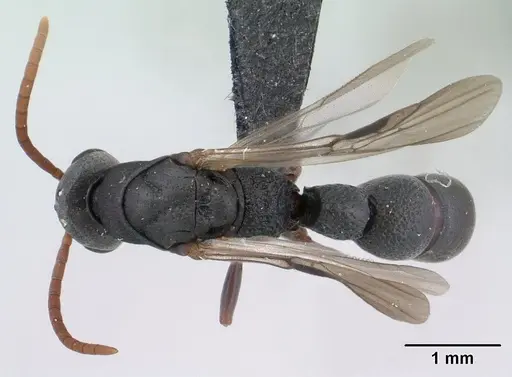
CASENT0144832
View on AntWeb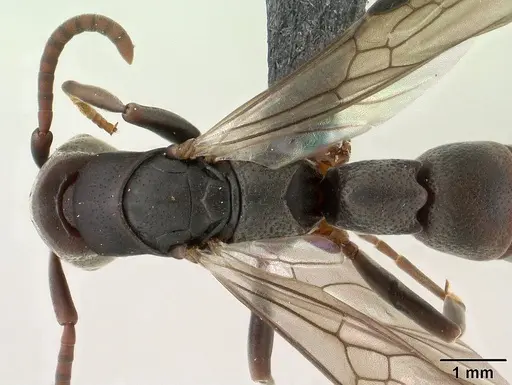
CASENT0146723
View on AntWeb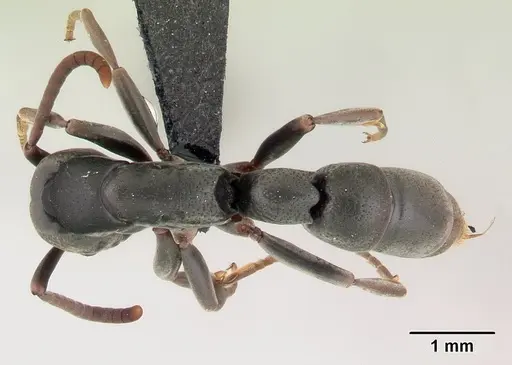
CASENT0196115
View on AntWeb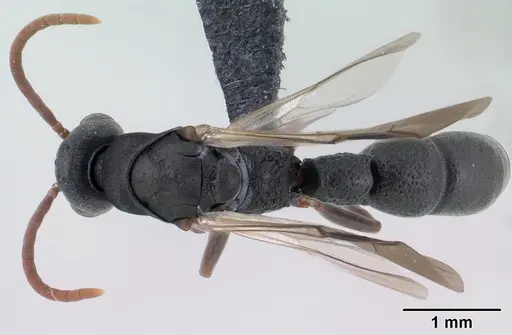
Literature
Loading distribution map...Loading products...