
Flat Stink Ant
Platythyrea lamellosa
- Sci. Name
- Platythyrea lamellosa
- Tribe
- Platythyreini
- Subfamily
- Ponerinae
- Author
- Roger, 1860
- Common Name
- Flat Stink Ant
- Distribution
- Found in 4 countries
Introduction
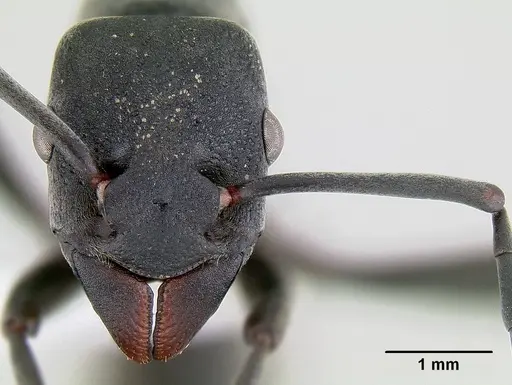
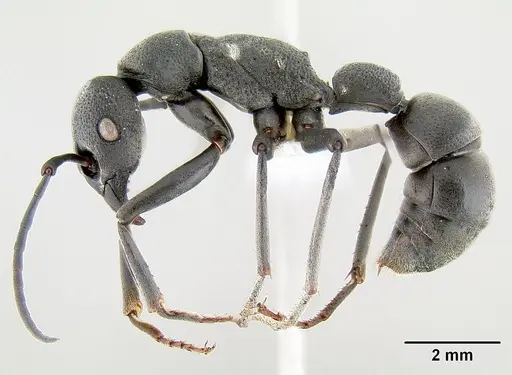
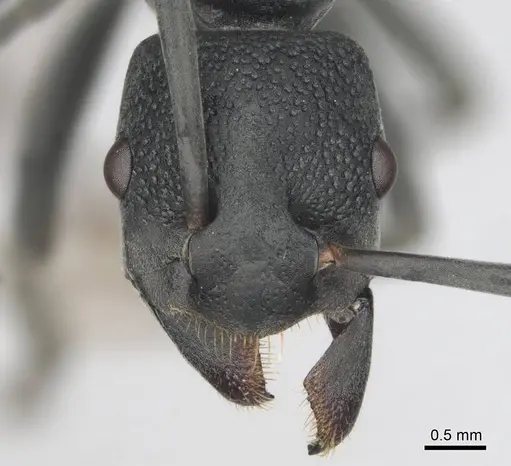
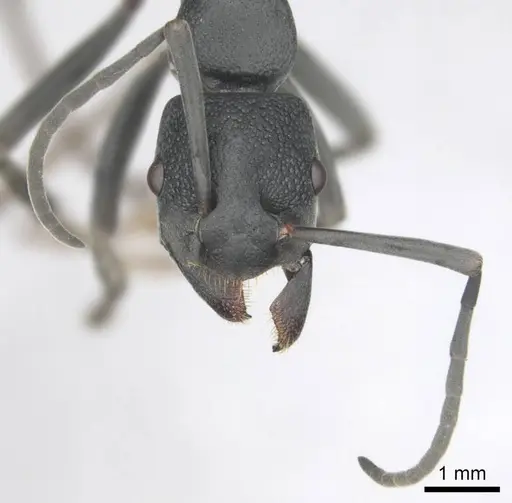
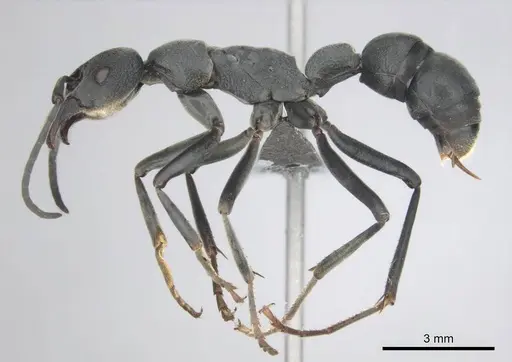
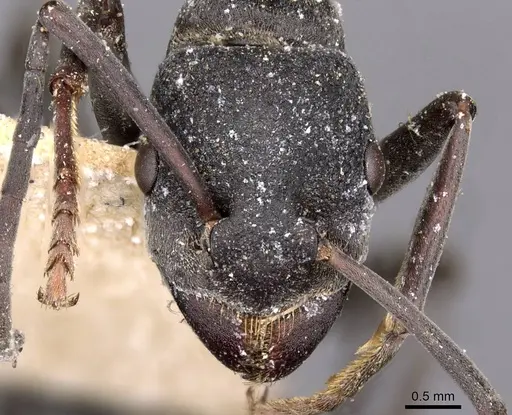
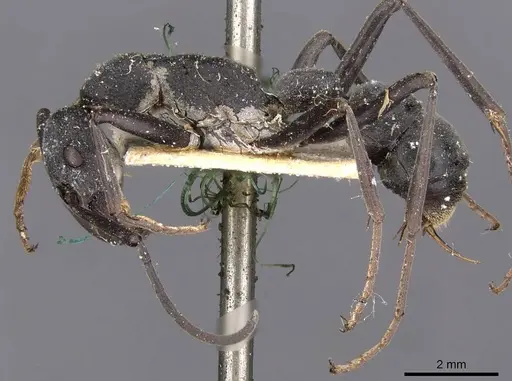
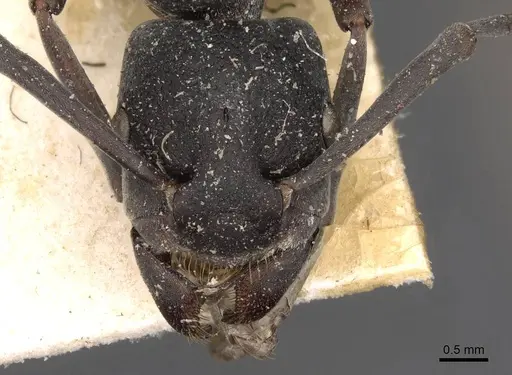
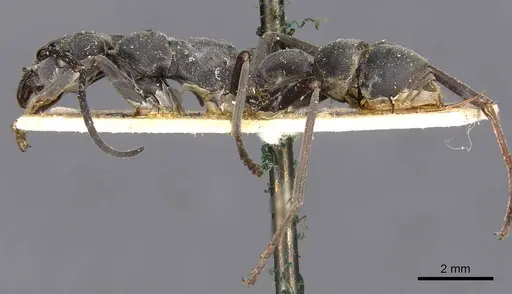
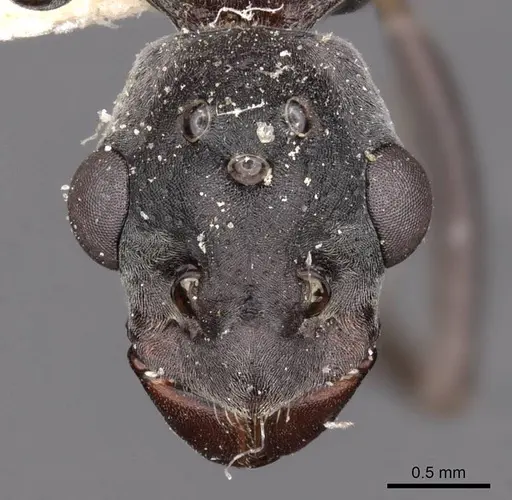
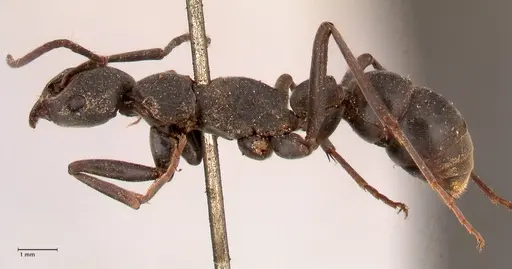
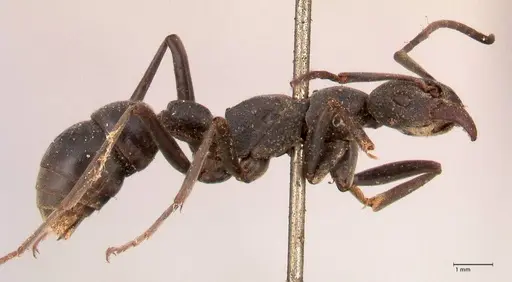
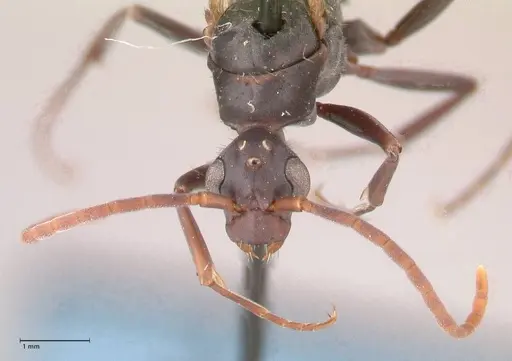
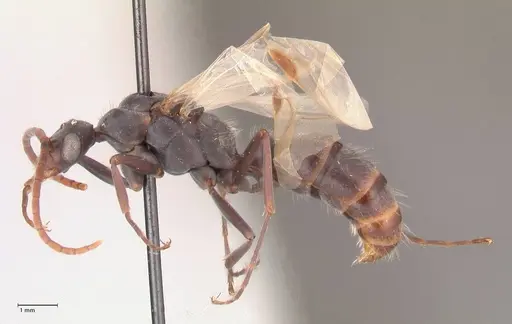
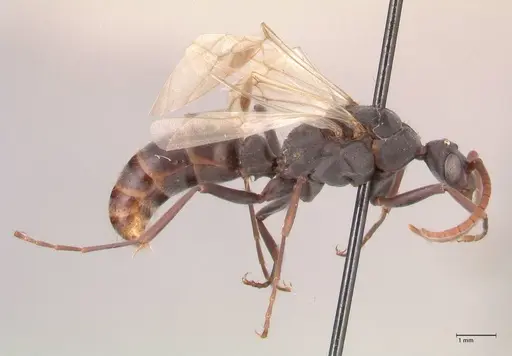
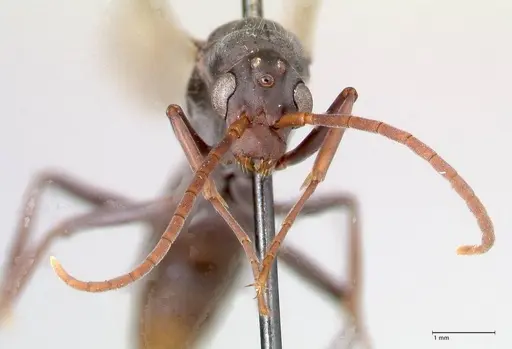
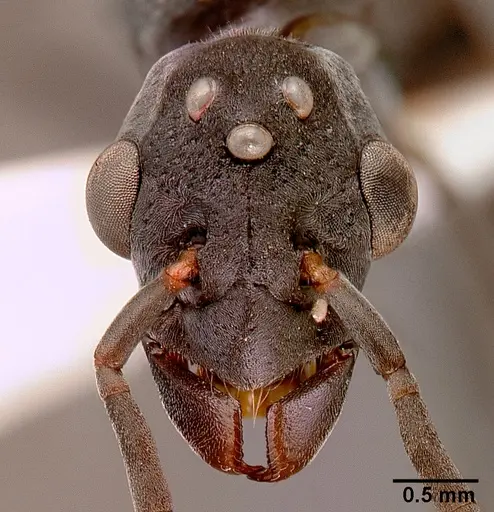
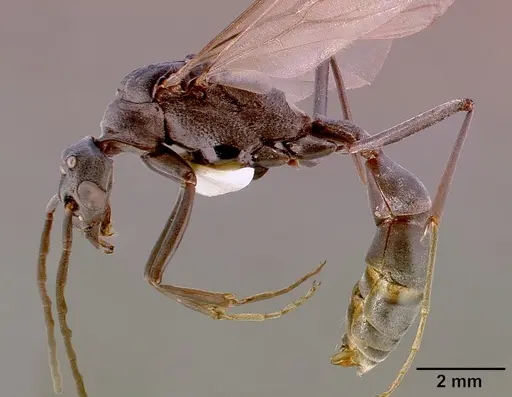
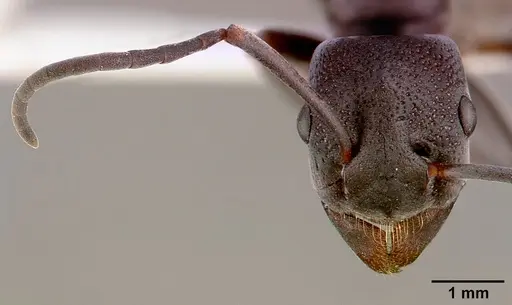
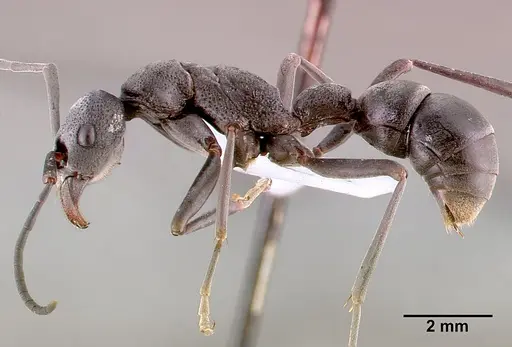
Platythyrea lamellosa is a small to medium-sized ant native to the Afrotropical region, found across southern Africa including South Africa, Botswana, Namibia, Zimbabwe, Angola, and the Democratic Republic of Congo . Workers are small to medium-sized, with size data unavailable but inferred from the Platythyrea genus to be approximately 5-7mm long . This species is found in woodland habitats, as well as sedgeland-herbland, forest, thicket, and shrubland areas , and shows decreasing abundance above 1200m elevation . Platythyrea lamellosa is a queenless species where reproduction is handled by mated workers called gamergates .
Quick Summary
- Difficulty: Medium
- Origin & Habitat: Native to southern Africa, including South Africa, Botswana, Namibia, Zimbabwe, Angola, and the Democratic Republic of Congo [1]. Found primarily in woodland habitats, but also in sedgeland-herbland, forest, thicket, and shrubland areas [2], with decreasing abundance above 1200m elevation [3].
- Colony Type: Queenless colony, reproduction is handled by gamergates (mated workers), with a single gamergate per colony [4].
- Size & Growth:
- Queen: N/A, queenless species (reproduction by gamergates)
- Worker: Size data unavailable, inferred from Platythyrea genus (~5-7mm) [1]
- Colony: Up to approximately 200 workers [4]
- Growth: Moderate
- Development: Unknown, no specific development data available for this species. (Development timeline unconfirmed, based on typical Ponerinae patterns, it may take several months.)
- Antkeeping:
- Temperature: Temperature needs are unclear, start around 22-26°C and observe, based on their African distribution [1].
- Humidity: Provide a humidity gradient based on woodland habitat, keep nest substrate moderately moist but not waterlogged [2].
- Diapause: Unknown, no specific data on diapause requirements for this species.
- Nesting: In nature, they nest under stones and in rotting wood [1]. In captivity, use Y-tong (AAC) or plaster nests with moderate moisture, and provide a small outworld for foraging.
- Behavior: Based on Ponerinae patterns, they are generally peaceful but may bite if threatened. Escape risk is moderate due to their size, use standard barrier methods [1].
- Common Issues: establishing colonies is difficult because you must acquire an already-reproducing colony with gamergates [4], colony growth is moderate, with maximum size around 200 workers [4], limited availability in the hobby since they cannot be caught as founding queens, may be sensitive to excessive moisture, provide a humidity gradient [2]
Understanding Queenless Biology
Platythyrea lamellosa lacks a queen caste entirely. Reproduction is handled by gamergates, workers that have mated and can lay eggs [4]. This is a single gamergate species, meaning typically only one mated worker per colony reproduces [4]. Virgin workers develop oocytes but do not lay eggs, regulation happens at the oviposition level [5]. You cannot start a colony with a queen because one does not exist. Instead, you must acquire an established colony with mated, reproductive workers.
Nest Preferences and Housing
In the wild, Platythyrea lamellosa nests under stones and in rotting wood in woodland habitats [1]. For captive care, use a Y-tong (AAC) nest or plaster formicarium. Provide a humidity gradient based on their natural habitat, keep the nest substrate moderately moist but not waterlogged [2]. A small outworld of about 10x10cm provides space for foraging. Since they are moderate escape risks, standard barrier methods like fluon on container edges work adequately.
Feeding and Diet
As Ponerinae ants, Platythyrea lamellosa are predators that hunt small invertebrates [1]. In captivity, offer small live prey such as fruit flies, small crickets, or mealworms 2-3 times per week. Remove uneaten prey after 24-48 hours to prevent mold. They may occasionally accept sugar water or honey, but protein-rich prey should form the main diet.
Temperature and Seasonal Care
Temperature needs are unclear, start around 22-26°C and observe colony activity. Based on their African distribution, they prefer warm conditions. A heating cable on one side of the nest can create a gradient. During cooler months, room temperature (around 18-20°C) may be sufficient, they do not require true hibernation. Avoid temperatures below 15°C for extended periods.
Colony Dynamics and Behavior
Workers divide labor within the colony, with different individuals handling foraging, brood care, and nest maintenance [5]. The single gamergate is responsible for egg-laying [4]. Colonies remain relatively small, with up to 200 workers [4]. Workers are active foragers that hunt small prey, and colonies are generally peaceful.
Frequently Asked Questions
Can I start a Platythyrea lamellosa colony from a queen?
No. Platythyrea lamellosa is a queenless species, there is no queen caste. Reproduction is handled by gamergates (mated workers) instead [4]. You must acquire an already-established colony with mated, reproductive workers.
How do I get a Platythyrea lamellosa colony?
Since they are queenless, you cannot catch a founding queen. You need to obtain an established colony from a breeder or keeper who already has a reproducing colony with gamergates [4].
How big do Platythyrea lamellosa colonies get?
Natural colonies reach up to approximately 200 workers [4]. They are not large colonies compared to many common ant species.
What temperature do Platythyrea lamellosa need?
Temperature needs are unclear, start around 22-26°C and observe. Based on their African distribution, they prefer warm conditions [1].
Are Platythyrea lamellosa good for beginners?
They are rated as medium difficulty. The queenless biology makes them harder to obtain, but if you have an established colony, care is relatively straightforward with warm temperatures and small live prey.
How long does it take for Platythyrea lamellosa to develop from egg to worker?
The specific development timeline is unknown for this species. Based on typical Ponerinae patterns, it may take several months.
What do Platythyrea lamellosa eat?
They are predators that hunt small invertebrates. Feed them small live prey such as fruit flies, crickets, or mealworms [1].
Do they need hibernation?
Diapause requirements are unknown for this species. Southern African populations experience cooler winters but not harsh cold, so a slight winter slowdown at room temperature may be sufficient.
Can I keep multiple Platythyrea lamellosa colonies together?
This is not typically recommended, as combining unrelated colonies may result in aggression. Keep multiple colonies in separate enclosures.
Report an Issue
The current care sheet is based fully on literature. See inconsistencies, or something that's incorrect? Please , it will be resolved after review from an admin. Contributing to the blogs tab also helps providing information, to make us be able to further improve the caresheets. Thank you for your support!
References

This caresheet is licensed under CC BY-SA 4.0 .
Community Blogs
CASENT0106138
View on AntWeb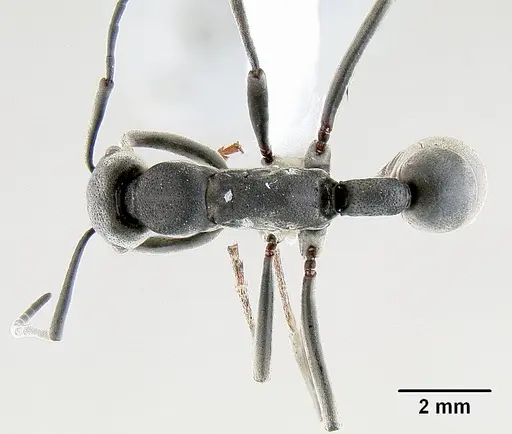
CASENT0252018
View on AntWeb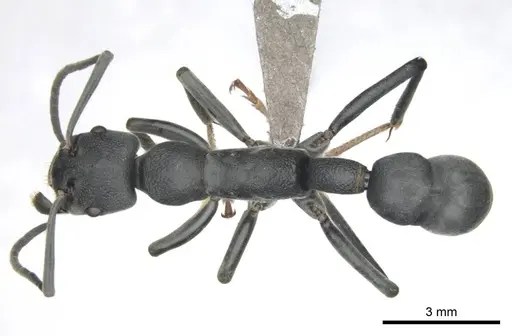
CASENT0252019
View on AntWeb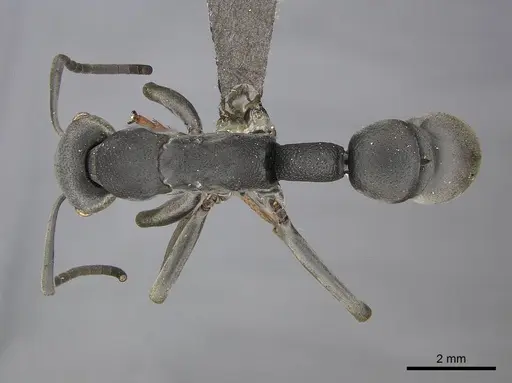
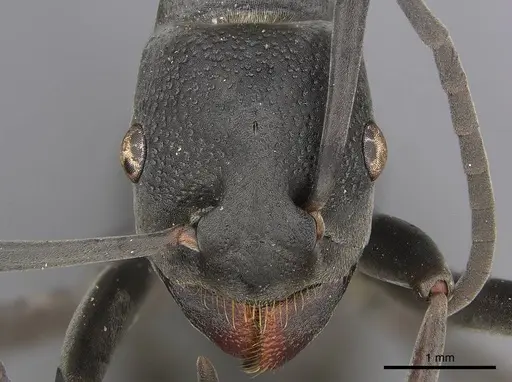
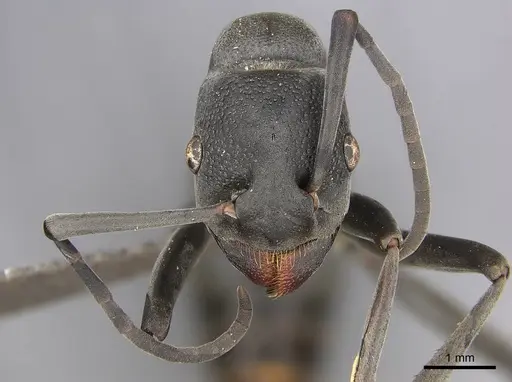
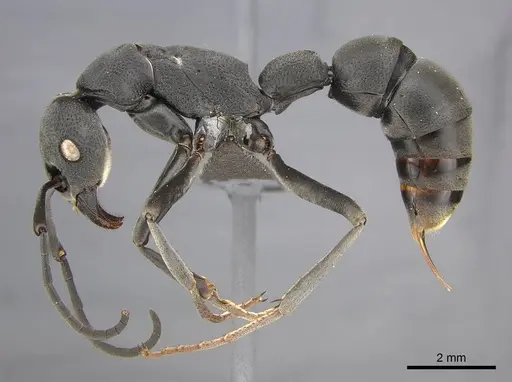
CASENT0256013
View on AntWeb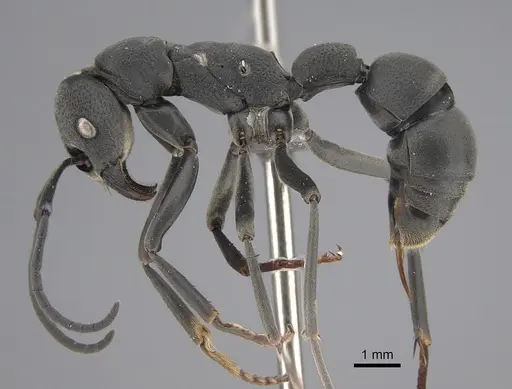
CASENT0257315
View on AntWeb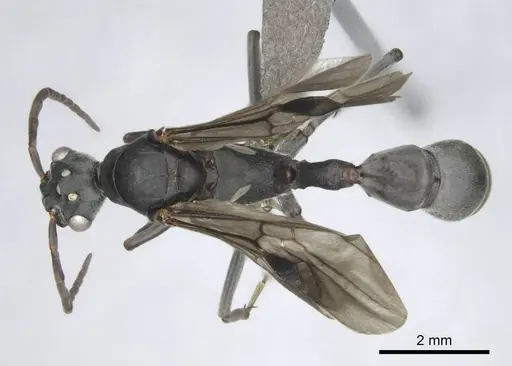
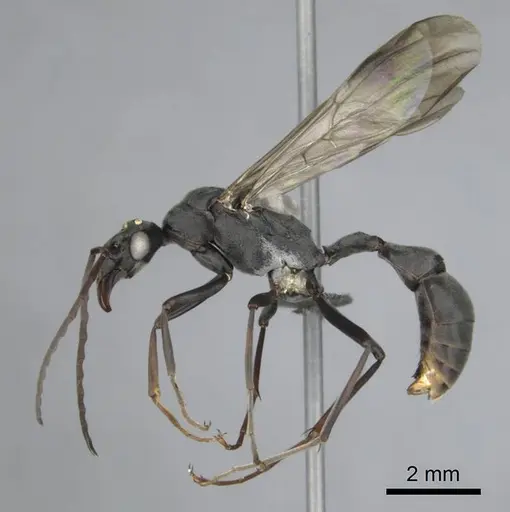
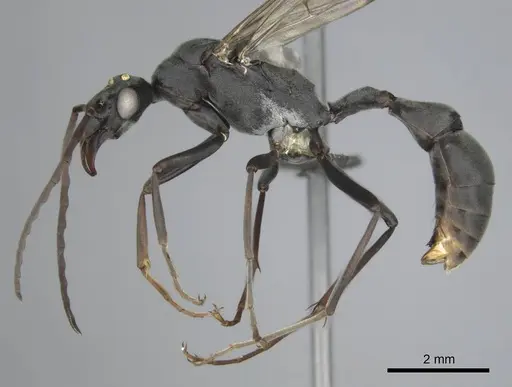
CASENT0260475
View on AntWeb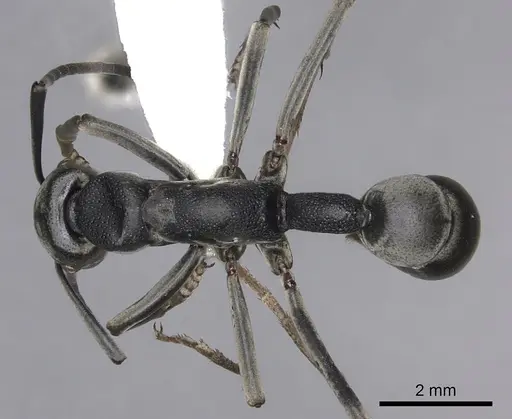
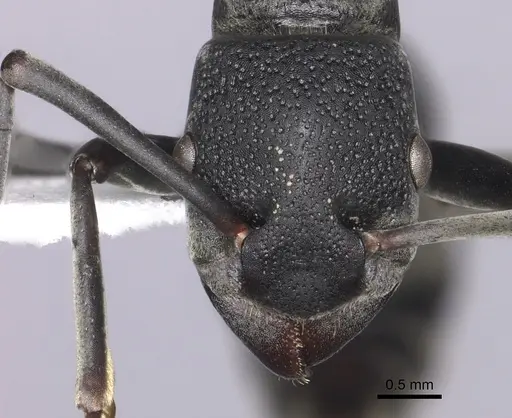
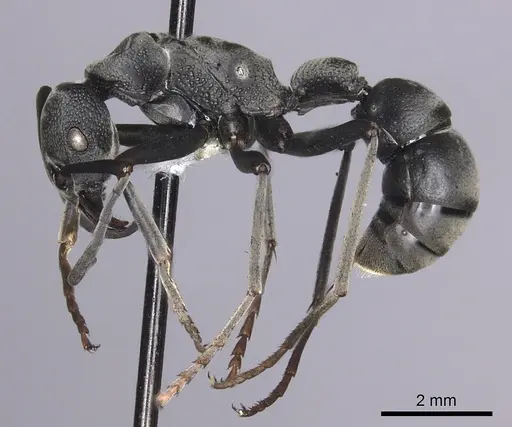
CASENT0907104
View on AntWeb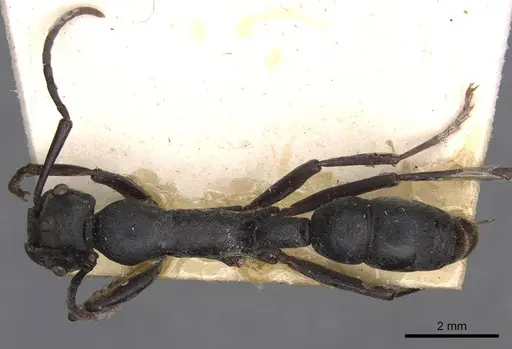
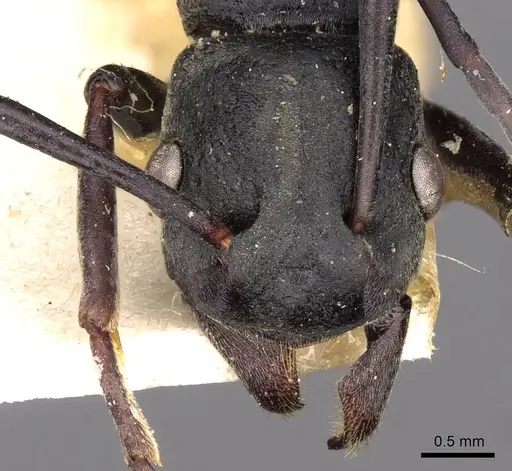
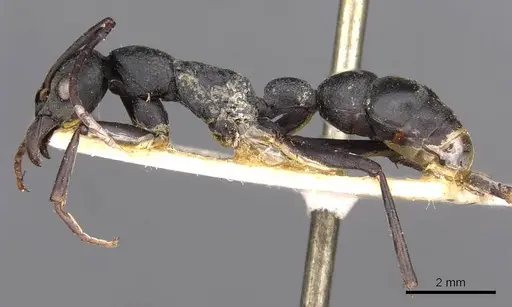
CASENT0907105
View on AntWeb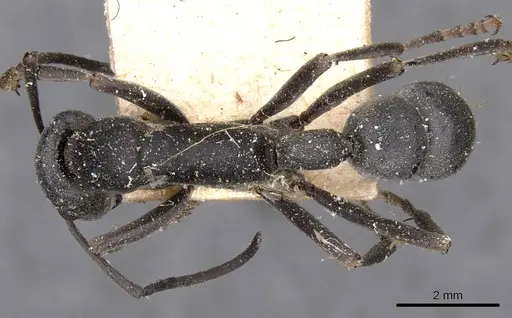
CASENT0907106
View on AntWeb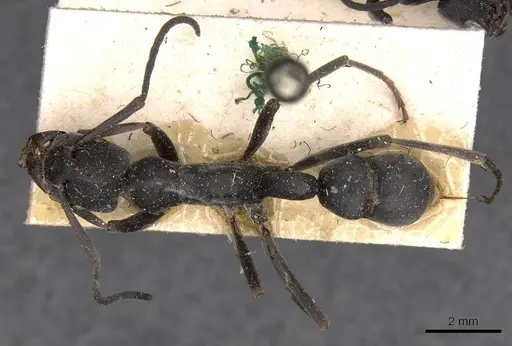
CASENT0907107
View on AntWeb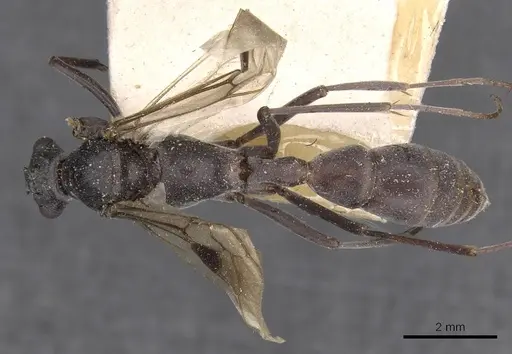
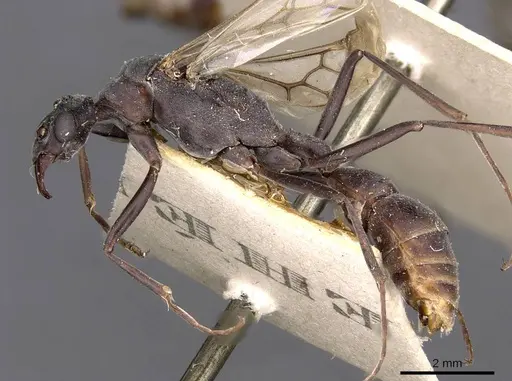
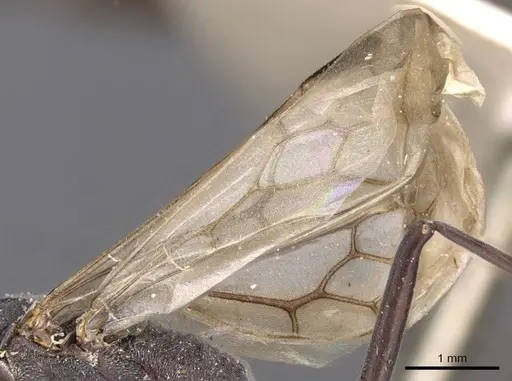
FOCOL0842
View on AntWeb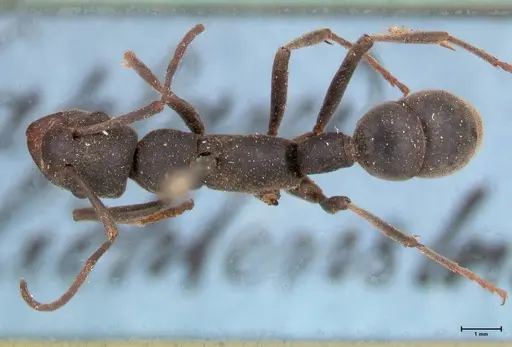
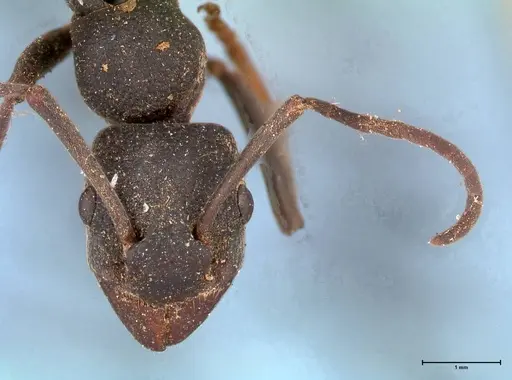
FOCOL0843
View on AntWeb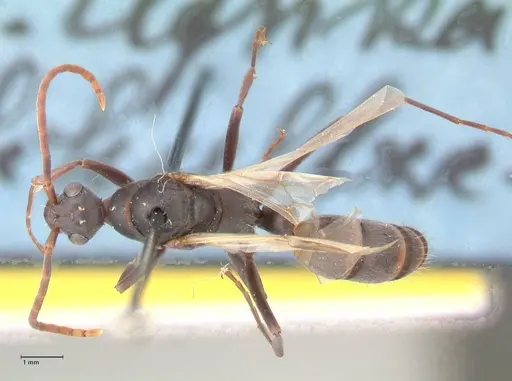
FOCOL0844
View on AntWeb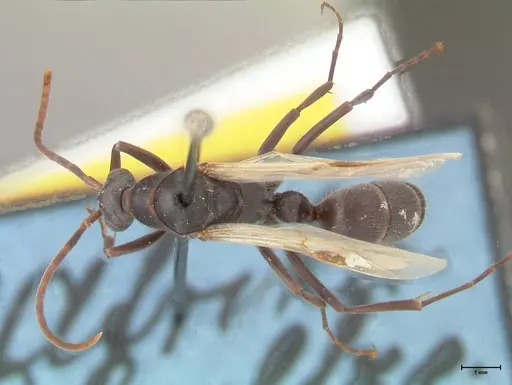
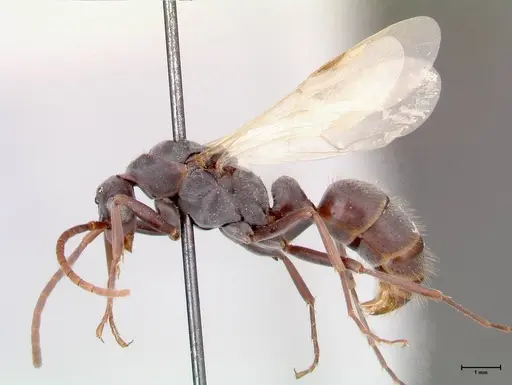
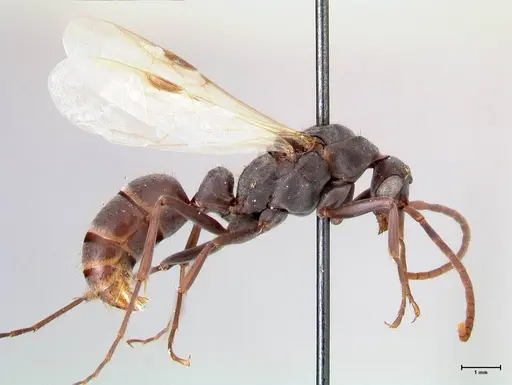
SAM-HYM-C001332A
View on AntWeb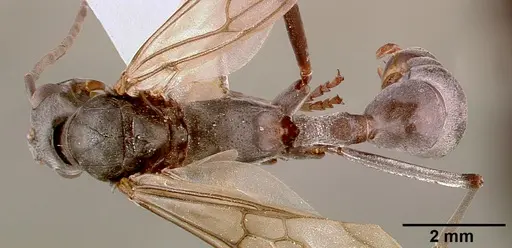
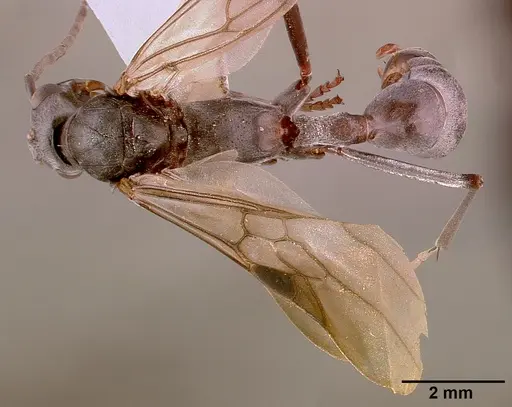
SAM-HYM-C001332B
View on AntWeb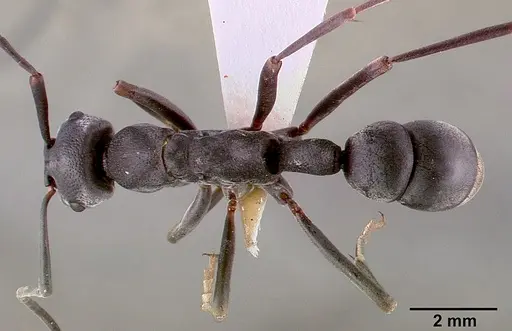
Literature
Loading distribution map...Loading products...