
Platythyrea inermis
- Sci. Name
- Platythyrea inermis
- Tribe
- Platythyreini
- Subfamily
- Ponerinae
- Author
- Forel, 1910
- Distribution
- Found in 1 countries
Introduction
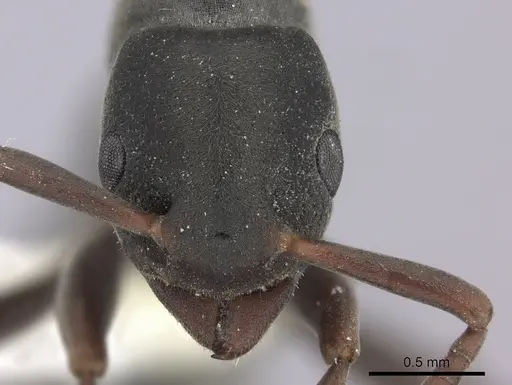
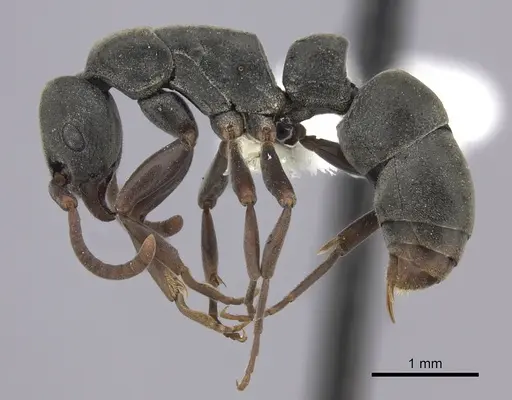
Platythyrea inermis is a small ant species in the subfamily Ponerinae. Workers have a long antennal scape that reaches past the back edge of the head, and their petiole looks nearly as wide as it is long from above . You will find this species in the Philippines, specifically on Luzon, Negros, and Samar islands . The genus Platythyrea shows some unique nesting habits, but we lack specific data for P. inermis. As a Ponerine ant, this species likely hunts small invertebrates on the forest floor. The Philippine range points to a preference for warm, humid tropical conditions.
Quick Summary
- Difficulty: Hard
- Origin & Habitat: Philippines (Luzon, Negros, Samar islands), tropical forest floor [2]
- Colony Type: Colony structure is unconfirmed. We do not know if this species keeps one queen or multiple queens.
- Size & Growth:
- Queen: size data unavailable
- Worker: size data unavailable
- Colony: Unknown, no colony size data documented
- Growth: Unknown
- Development: Unknown, no direct measurements exist. Based on typical Ponerinae patterns, expect 6 to 10 weeks at tropical temperatures, but treat this as a rough guess. (Development speed depends on temperature and food availability.)
- Antkeeping:
- Temperature: Tropical species, aim for 24 to 28°C. Use a heating cable on one side of the nest if your room runs cool.
- Humidity: High humidity expected. Keep the nest substrate consistently moist but not waterlogged. Provide a water source.
- Diapause: Unknown, tropical species from the Philippines likely skip winter dormancy, but expect slower activity during cooler months.
- Nesting: Natural habits unconfirmed. Related species nest in rotting wood, under stones, or in soil. Use a Y-tong or plaster nest with good moisture retention.
- Behavior: Behavior is not well documented. As Ponerinae, these ants likely show moderate aggression and possess a functional sting. They probably forage alone on the ground, hunting small prey. Escape risk is moderate, use standard ant keeping barriers. Handle with care.
- Common Issues: limited species-specific care information makes proper husbandry challenging, tropical humidity requirements may lead to mold if ventilation stays poor, predatory diet may be difficult to meet for beginners, queen and colony founding behavior remains unconfirmed, wild-caught colonies may carry parasites given limited documentation
Species Identification and Distribution
Platythyrea inermis shows a long antennal scape that reaches past the back edge of the head, and a petiole that looks nearly as wide as it is long from above [1]. Forel described this species in 1910 from Luzon Island, Philippines. Later records added Negros and Samar islands [2]. The original type specimen was destroyed during World War II. The species was once called Platythyrea inermis before researchers merged it with Platythyrea inermis in 1975 [2].
Natural History and Habitat
This ant lives only in the Philippines, which points to a tropical habitat preference. As a Ponerinae member, Platythyrea inermis likely hunts small invertebrates on the forest floor or in leaf litter. The Philippine climate stays warm and wet year-round, with temperatures usually between 24 and 32°C. You should match these conditions in captivity. The species ranks among seven Platythyrea species found in Southeast Asia [1].
Feeding and Diet
We lack direct diet records for Platythyrea inermis. Based on typical Ponerinae patterns, these ants hunt small invertebrates like springtails, mites, and tiny insects. You should offer a varied diet of small live prey such as fruit flies, pinhead crickets, and mealworms. Add sugar sources like honey water or sugar water for energy. Feed protein prey two to three times per week and keep sugar water available.
Temperature and Humidity Requirements
This species comes from the tropical Philippines, so it needs warm and humid conditions. Target 24 to 28°C. Run a heating cable on one side of the nest if your room drops below this range. Keep humidity high by maintaining a consistently moist nest substrate. Do not waterlog the nest. Attach a water tube for drinking. Add a ventilation gap to stop mold while keeping moisture levels up.
Nesting in Captivity
We do not know how Platythyrea inermis builds nests in the wild. Related Platythyrea species usually nest in rotting wood, under stones, or in soil cavities. For captive care, a Y-tong or plaster nest works well for Ponerinae. Keep the chambers sized for their body dimensions. Maintain humidity and connect the nest to an outworld for foraging.
Frequently Asked Questions
How long does it take for Platythyrea inermis to produce first workers?
The development timeline is unconfirmed. Based on typical Ponerinae patterns, expect 6 to 10 weeks from egg to first worker at optimal tropical temperatures around 26°C, but treat this as a rough guess.
What do Platythyrea inermis ants eat?
They likely accept small live prey like fruit flies, springtails, and tiny crickets. Based on related Ponerinae, they are predatory and will hunt small invertebrates. Offer protein prey two to three times per week and keep sugar water available.
Do Platythyrea inermis ants sting?
Most Ponerinae ants have a functional sting, though potency varies. Platythyrea inermis likely has a sting that can penetrate human skin, though it probably stays mild for healthy adults. Handle with care.
What temperature should I keep Platythyrea inermis at?
Keep them warm. Aim for 24 to 28°C. They come from the tropical Philippines and do not tolerate cool rooms. Use a heating cable if needed to maintain warmth.
Do Platythyrea inermis need hibernation?
Unlikely. Tropical species from the Philippines usually skip winter dormancy. Expect slower activity during cooler months, but true hibernation is not expected.
Is Platythyrea inermis good for beginners?
This species is not recommended for beginners. You lack species-specific care data, which leads to unexpected challenges. Start with better-documented ants like Lasius or Camponotus first.
How big do Platythyrea inermis colonies get?
Colony size is unconfirmed. Related Platythyrea species usually stay small, but the maximum size for Platythyrea inermis remains unknown.
Can I keep multiple Platythyrea inermis queens together?
Colony structure is unconfirmed. Do not combine unrelated queens since we lack data on how they interact. This could trigger aggression.
What humidity level do Platythyrea inermis need?
Keep humidity high. Maintain a consistently moist nest substrate like a damp forest floor. Avoid drying out or waterlogging. A moisture gradient lets the ants pick their favorite spot.
When should I move Platythyrea inermis to a formicarium?
Wait until the colony builds a healthy first brood. For Ponerinae, this usually means waiting until you have a few workers. Make sure your new nest holds humidity before transferring them.
Report an Issue
The current care sheet is based fully on literature. See inconsistencies, or something that's incorrect? Please , it will be resolved after review from an admin. Contributing to the blogs tab also helps providing information, to make us be able to further improve the caresheets. Thank you for your support!
References

This caresheet is licensed under CC BY-SA 4.0 .
Community Blogs
CASENT0260498
View on AntWeb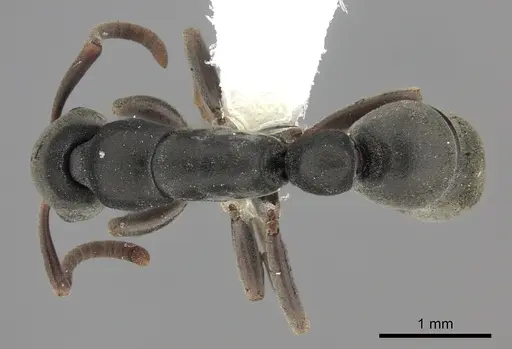
Literature
Loading distribution map...Loading products...