
Platythyrea bicuspis
- Sci. Name
- Platythyrea bicuspis
- Tribe
- Platythyreini
- Subfamily
- Ponerinae
- Author
- Emery, 1899
- Distribution
- Found in 1 countries
Introduction
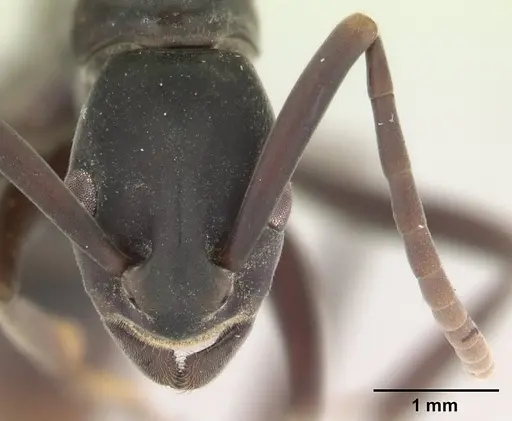
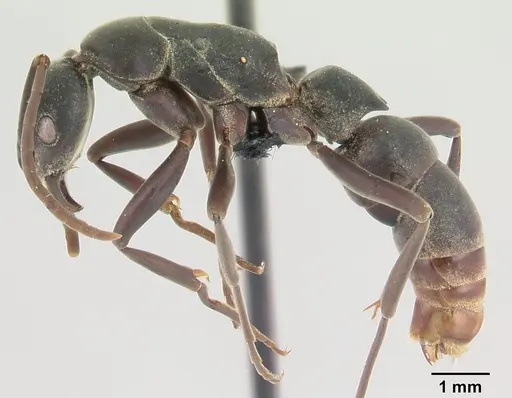
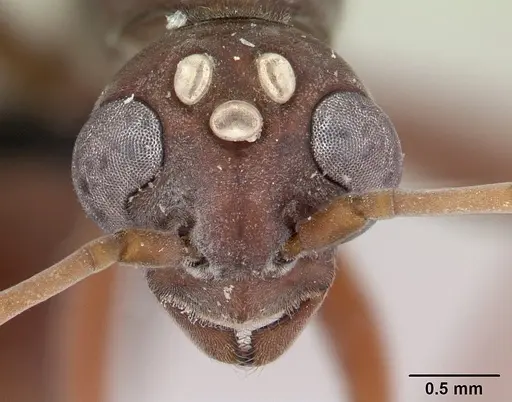
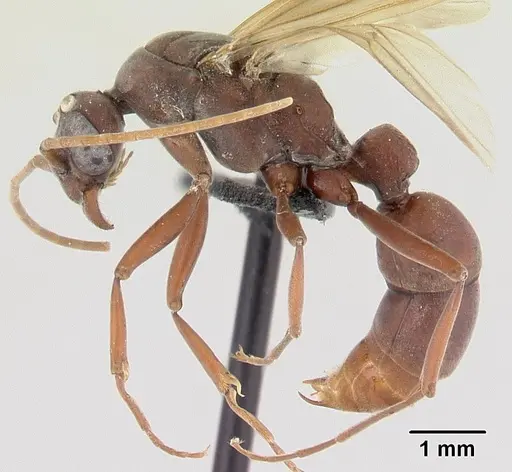
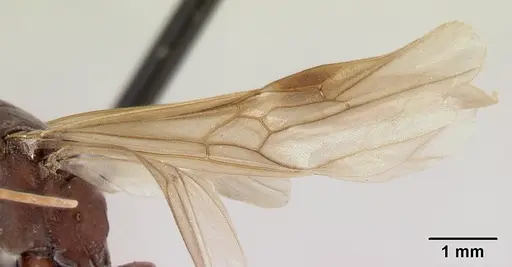
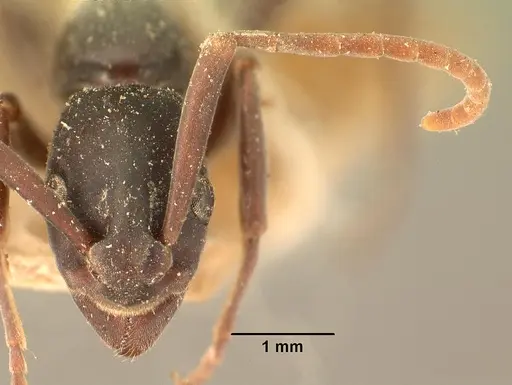
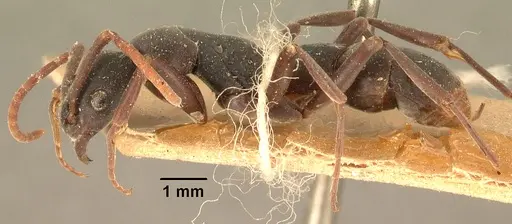
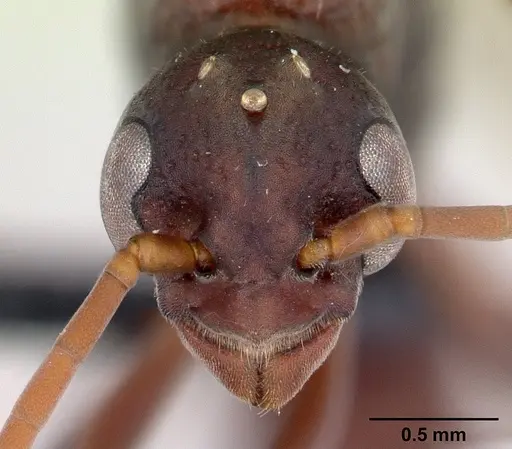
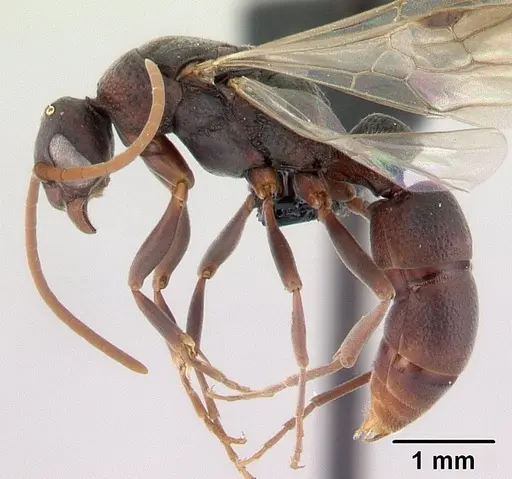
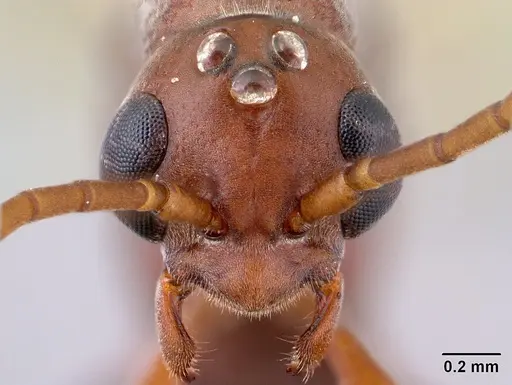
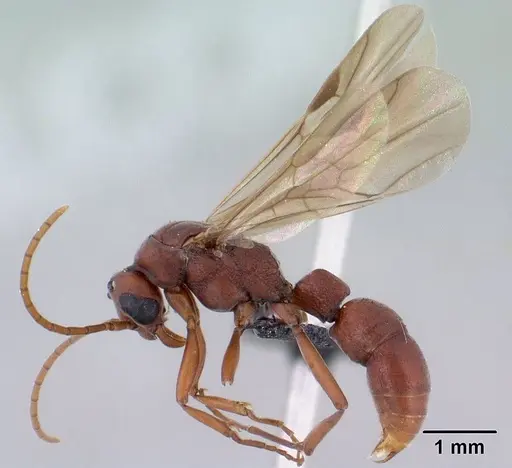
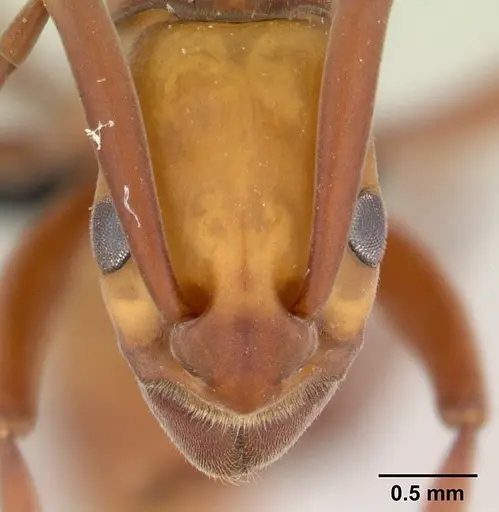
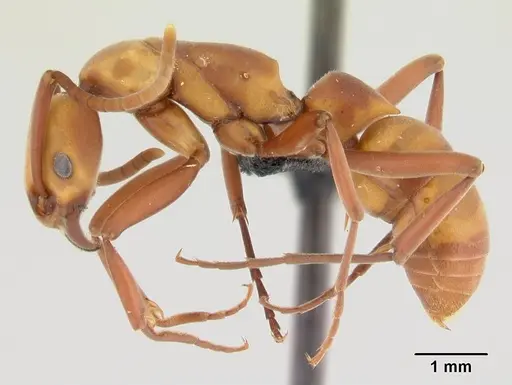
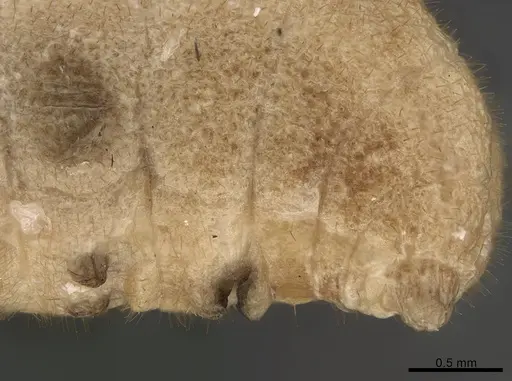
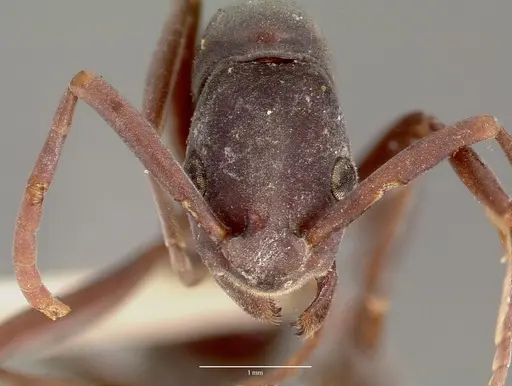
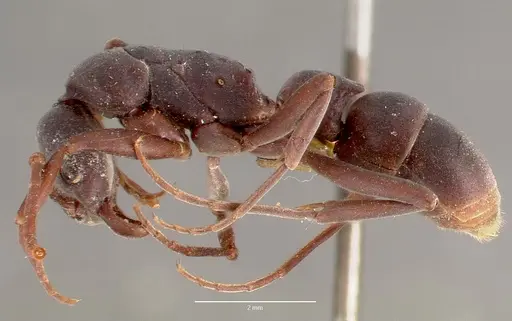
Platythyrea bicuspis is an ant species endemic to Madagascar, found in humid forest habitats at mid-elevations between 600 and 825 meters . Workers have distinctive bidentate mandibles, which give the species its name . This species belongs to the Ponerinae subfamily and is phylogenetically basal, representing an ancient lineage within this group . One notable feature is the discovery of an ergatoid (wingless) male, which is rare in ants and provides insights into reproductive biology .
Quick Summary
- Difficulty: Medium
- Origin & Habitat: Endemic to Madagascar, inhabiting humid forest environments at elevations of 600-825 meters [1][2][3]. The species is terricolous, meaning it nests in the ground, and is associated with humid conditions [8].
- Colony Type: Colony structure is unconfirmed. The discovery of an ergatoid male suggests possible unique reproductive biology, but no direct studies on queen number or social structure exist [7].
- Size & Growth:
- Queen: Size data unavailable, no total length measurements provided in research.
- Worker: Size data unavailable, no total length measurements provided in research.
- Colony: Unknown, no colony size data available for this species.
- Growth: Moderate, inferred from typical Ponerinae patterns.
- Development: Unknown, no direct development data available for this species. (Development timing may vary with temperature and conditions.)
- Antkeeping:
- Temperature: Keep at warm conditions, roughly 22-26°C, based on mid-elevation habitat [1][2][3]. Provide a gentle gradient with cooler areas available.
- Humidity: Keep nest substrate consistently moist but not waterlogged, as they are associated with humid forest conditions [8].
- Diapause: Unknown for this species, no data on hibernation requirements.
- Nesting: Ground-nesting species, prefer soil-based setups with moist substrate [8]. Use naturalistic setups or Y-tong nests with moisture-retaining materials.
- Behavior: Based on Ponerinae patterns, workers are likely predatory and moderately active. They may defend their nest but are not typically aggressive toward keepers. Escape risk is moderate due to their size.
- Common Issues: humidity management is critical, too dry can cause colony failure, while too wet can lead to mold., predatory diet requirements may be challenging, live prey is essential for nutrition., colony growth may be slow, requiring patience to avoid overfeeding mistakes.
Natural History and Distribution
Platythyrea bicuspis is endemic to Madagascar, recorded at several mid-elevation sites including the Réserve Spéciale d'Anjanaharibe-Sud at 600 meters, the Réserve Naturelle Intégrale d'Andringitra at 825 meters, and the Réserve Naturelle Intégrale d'Andohahela at 800 meters [1][2][3]. These locations are humid forest ecosystems with consistent moisture. The species is terricolous, nesting in the ground [8].
Phylogenetic Significance
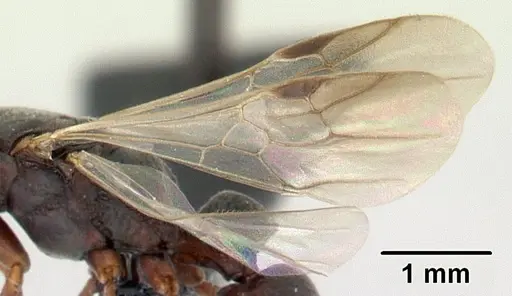
Platythyrea bicuspis is part of a phylogenetically basal lineage within Ponerinae, forming a sister clade to other Ponerinae ants [6]. This genus has about 38 species with tropical distributions [6]. The discovery of an ergatoid male in this species in 2016 was the first for the genus, adding to its scientific interest [7].
Housing and Nesting
You should provide a soil-based nesting environment due to their terricolous nature [8]. Use a naturalistic setup with moist substrate, or a Y-tong nest with moisture-retaining materials. Maintain a humidity gradient to allow ants to self-regulate.
Feeding and Diet
As a Ponerine ant, Platythyrea bicuspis is likely predatory. You should offer live small prey such as fruit flies or pinhead crickets. Protein is essential for brood development. Sugar sources may be accepted occasionally but are not primary food.
Temperature and Humidity Requirements
Keep temperatures around 22-26°C based on their mid-elevation habitat [1][2][3]. High humidity is confirmed from research [8]. Use a moisture-retaining substrate and monitor for condensation.
Colony Establishment and Growth
Colony founding behavior is unconfirmed. If you obtain a founding queen, provide a small, moist test tube setup. Expect slow growth, as no specific development timeline is available. The ergatoid male discovery suggests unique biology [7].
Frequently Asked Questions
How long does it take for Platythyrea bicuspis to produce first workers?
No direct data is available. Development timing is unknown and may vary with conditions.
What do Platythyrea bicuspis ants eat?
They are likely predatory, feeding on small live insects like fruit flies or crickets [4].
Are Platythyrea bicuspis ants aggressive?
Based on Ponerinae patterns, they may defend their nest but are not typically aggressive toward humans.
What temperature and humidity do Platythyrea bicuspis need?
Keep at 22-26°C with high humidity, based on their habitat [1][2][3][8].
Can I keep Platythyrea bicuspis in a test tube?
A test tube can work for a founding queen, but established colonies need more space with soil-based nesting [8].
Is Platythyrea bicuspis good for beginners?
This species is rated Medium difficulty due to humidity requirements and predatory diet, which may challenge beginners.
Do Platythyrea bicuspis ants need hibernation?
Diapause requirements are unknown for this species.
How big do Platythyrea bicuspis colonies get?
Colony size is unknown, no data is available.
Where is Platythyrea bicuspis found in the wild?
This species is endemic to Madagascar, found in humid forests at 600-825 meters elevation [1][2][3].
What makes Platythyrea bicuspis special compared to other ants?
It is phylogenetically basal within Ponerinae and has a documented ergatoid male, making it unique [6][7].
Report an Issue
The current care sheet is based fully on literature. See inconsistencies, or something that's incorrect? Please , it will be resolved after review from an admin. Contributing to the blogs tab also helps providing information, to make us be able to further improve the caresheets. Thank you for your support!
References

This caresheet is licensed under CC BY-SA 4.0 .
Community Blogs
CASENT0048678
View on AntWeb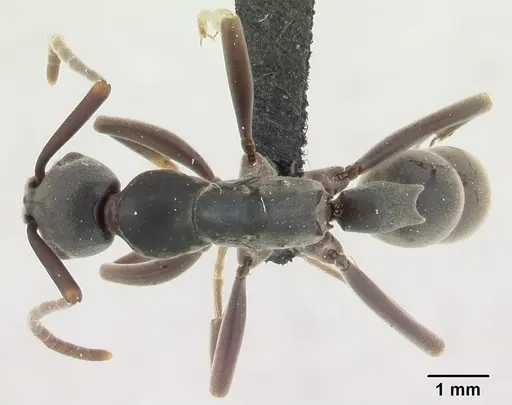
CASENT0050289
View on AntWeb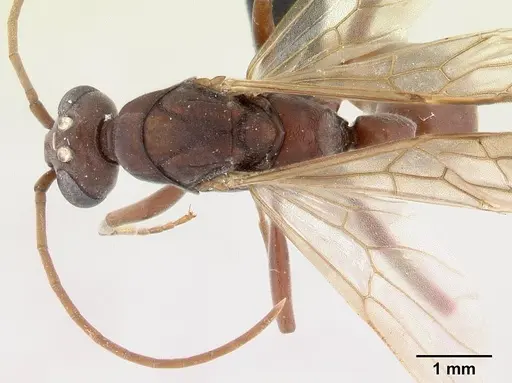
CASENT0101766
View on AntWeb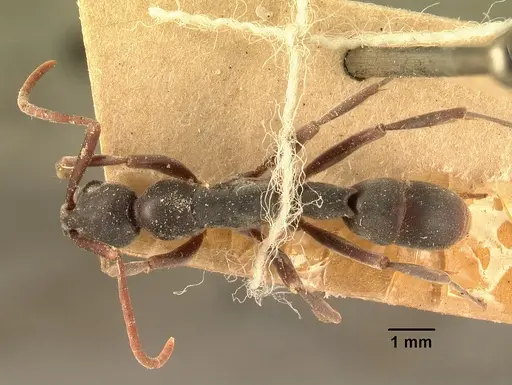
CASENT0102004
View on AntWeb
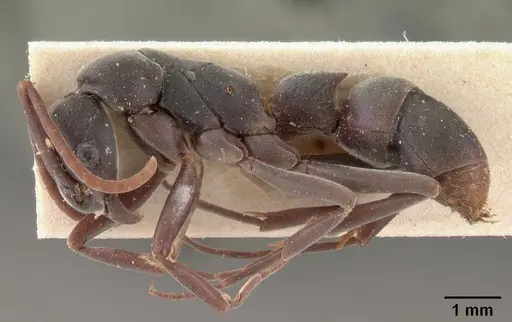
CASENT0102005
View on AntWeb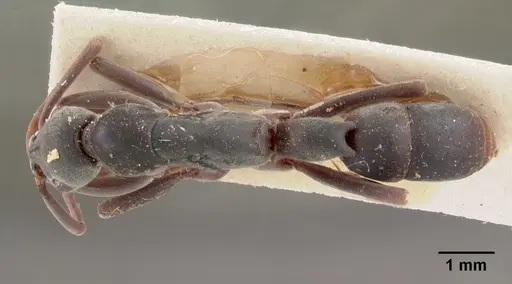
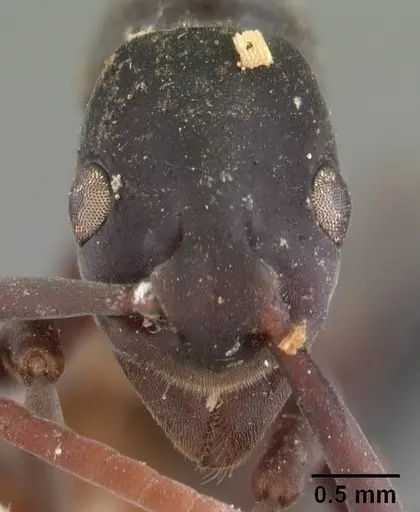
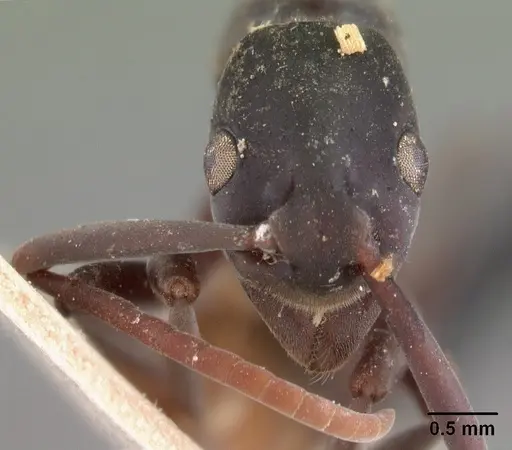
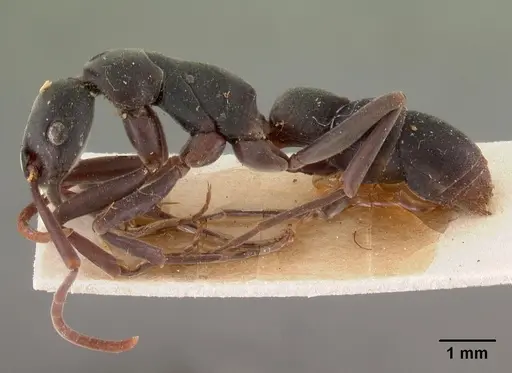
CASENT0102006
View on AntWeb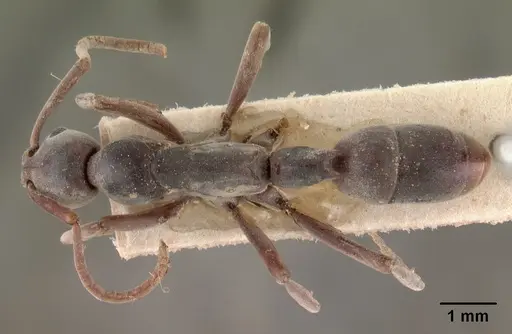
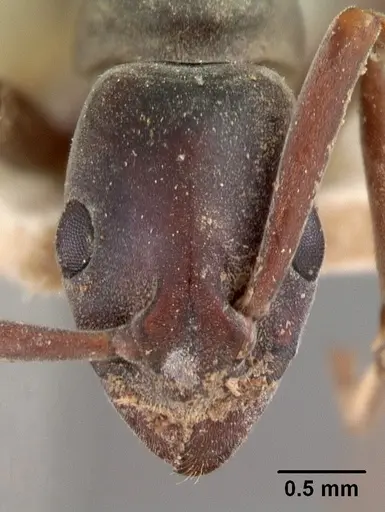
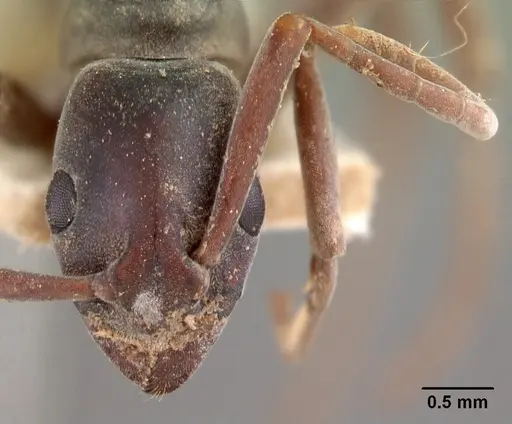
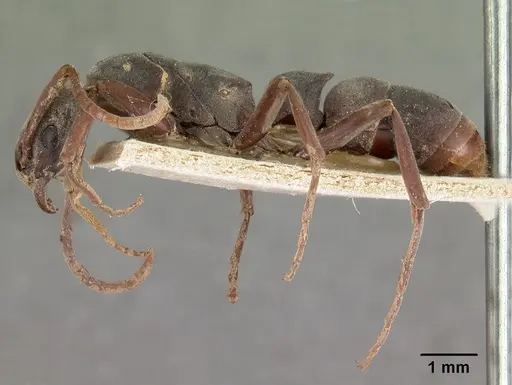
CASENT0102007
View on AntWeb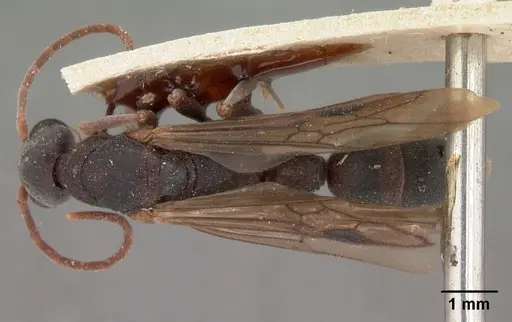
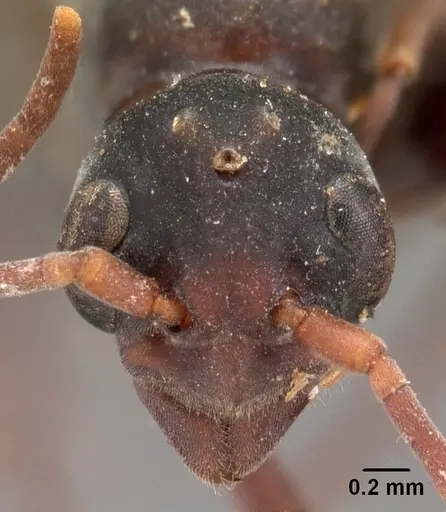
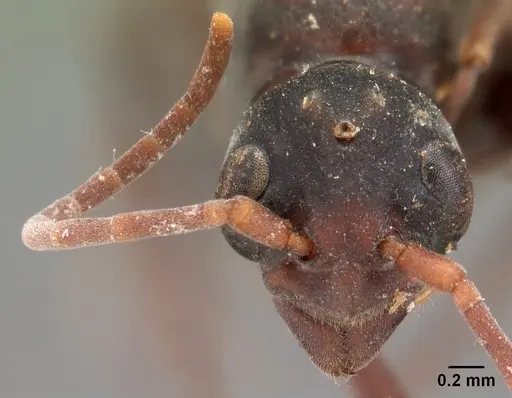
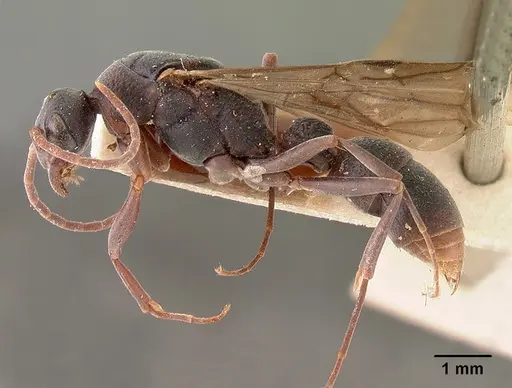
CASENT0102930
View on AntWeb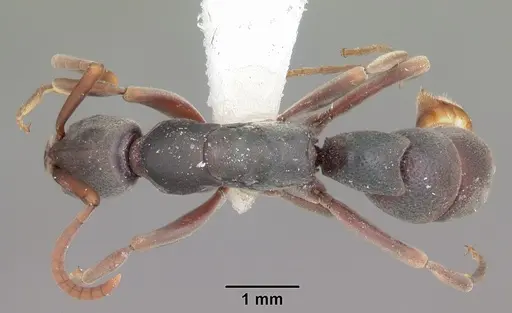
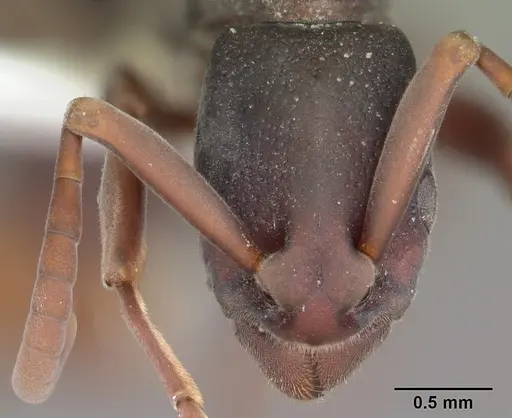
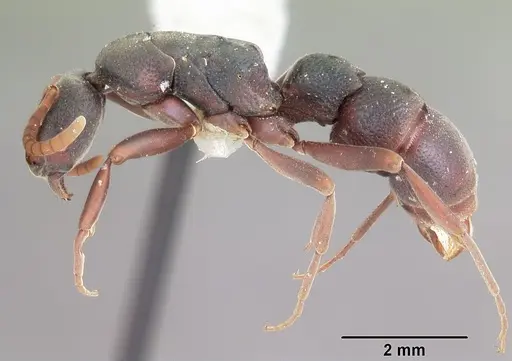
CASENT0117208
View on AntWeb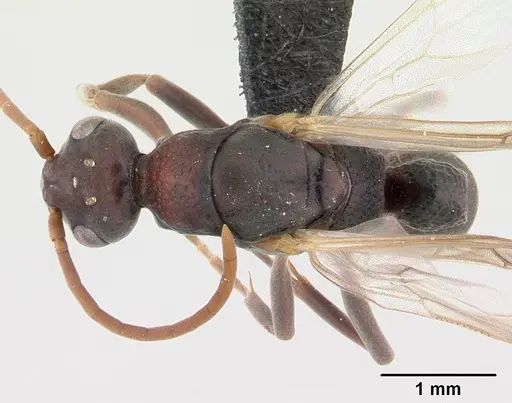
CASENT0138492
View on AntWeb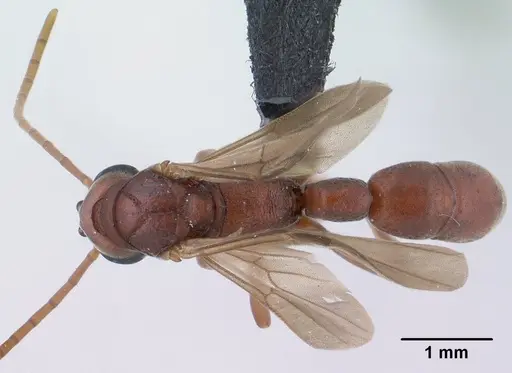
CASENT0497789
View on AntWeb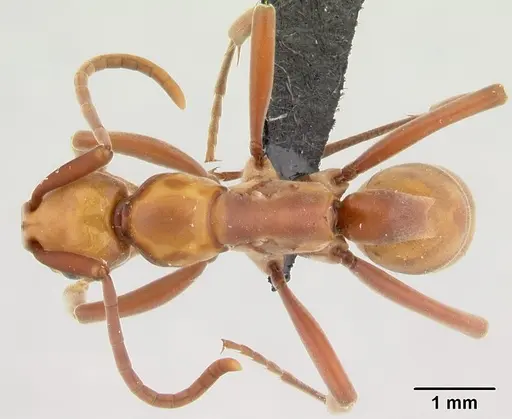
CASENT0923532
View on AntWeb
MCZTYPE20378
View on AntWeb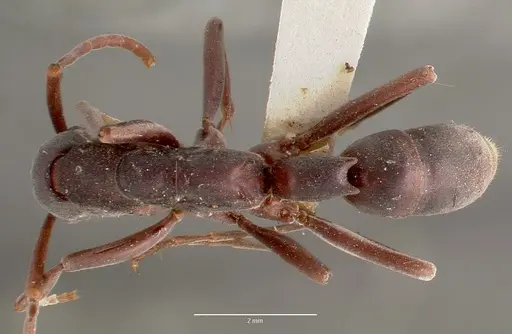
Literature
Loading distribution map...Loading products...