
Platythyrea arthuri
- Sci. Name
- Platythyrea arthuri
- Tribe
- Platythyreini
- Subfamily
- Ponerinae
- Author
- Forel, 1910
- Distribution
- Found in 3 countries
Introduction
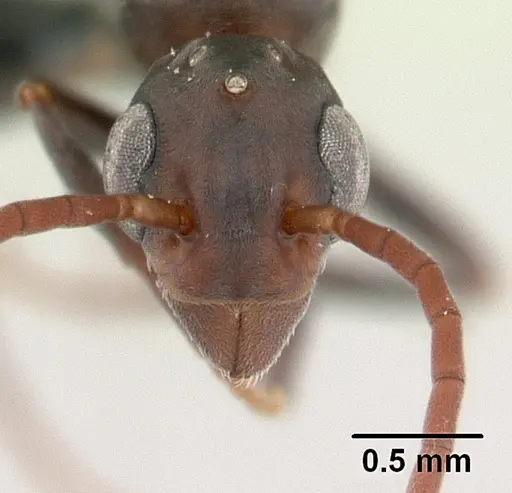
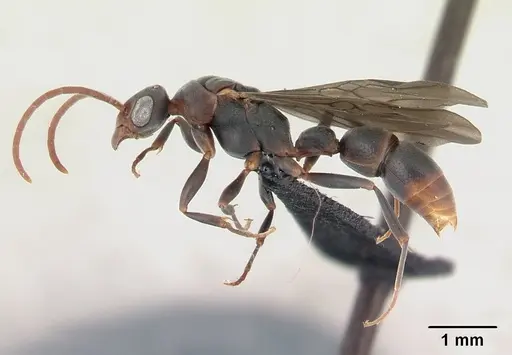
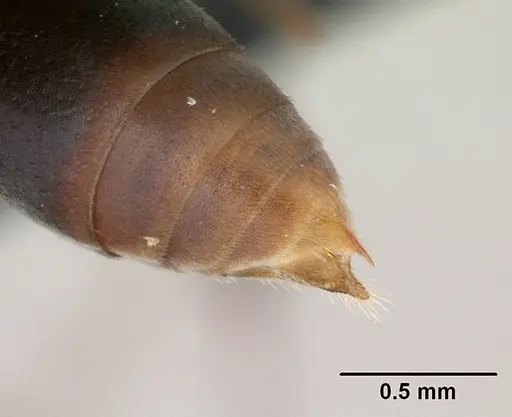
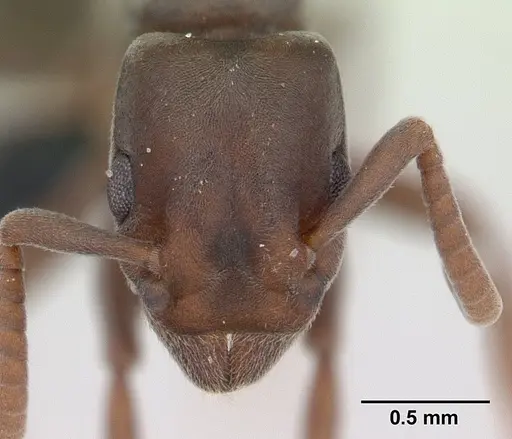
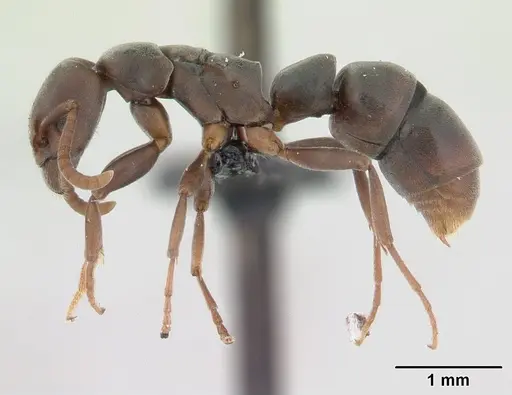
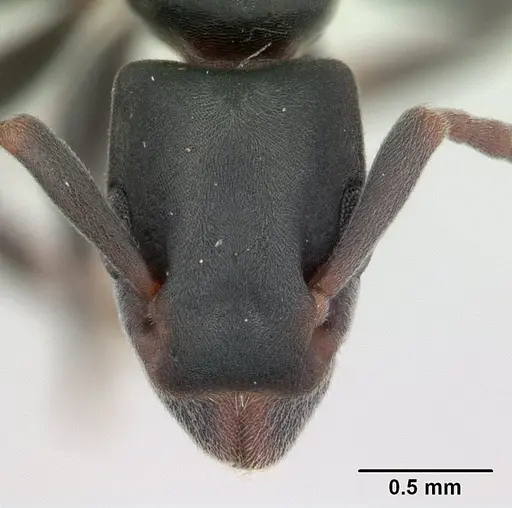
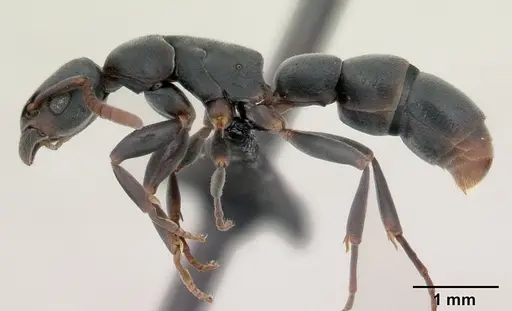
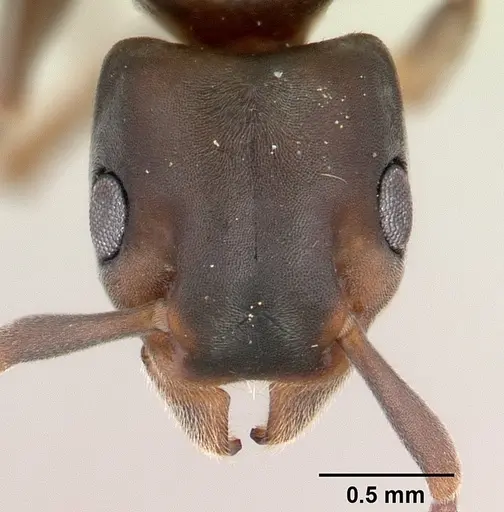
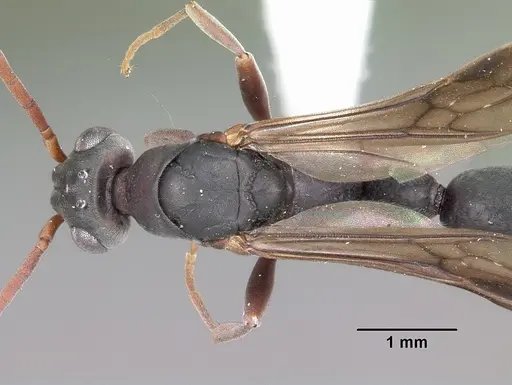
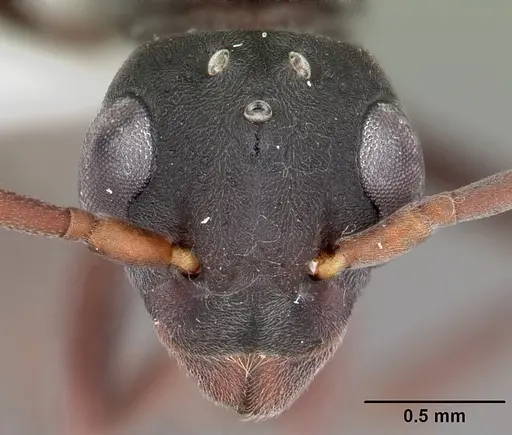
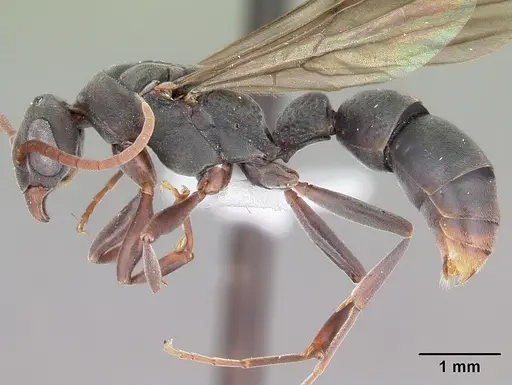
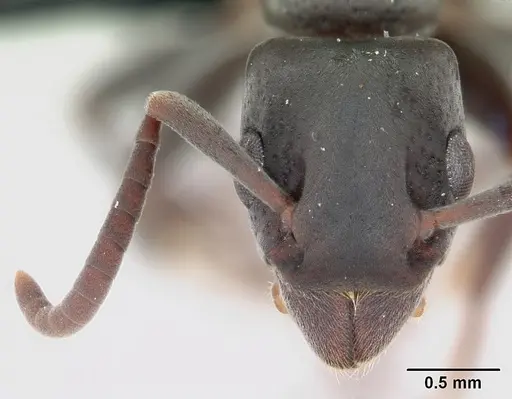
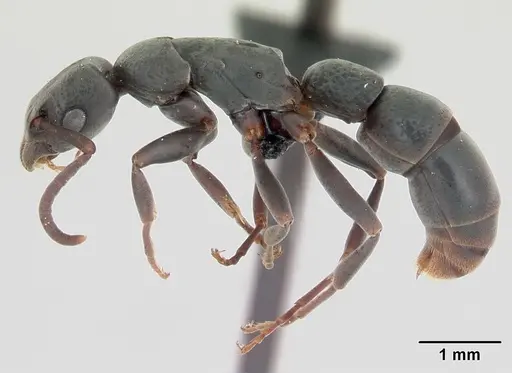
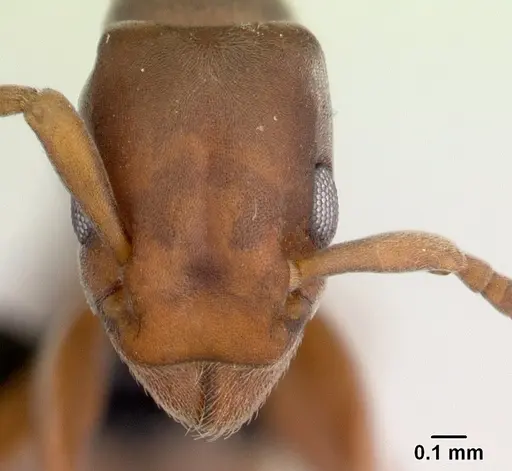
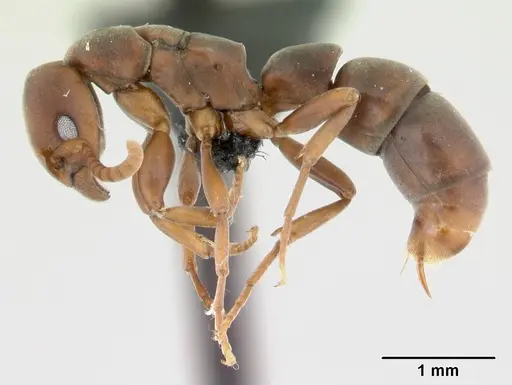
Platythyrea arthuri is a small to medium-sized ant species native to Madagascar, Comoros, and Mayotte . Workers have a slender Ponerine body shape with a distinct metanotal groove and a powerful stinger. This species nests arboreally in tropical forests, including both rainforest and dry forest habitats . The genus Platythyrea is known for predatory behavior, hunting other ants and small invertebrates.
Quick Summary
- Difficulty: Medium
- Origin & Habitat: Native to Madagascar, Comoros, and Mayotte. Found in tropical forests, including Vohibasia and Isoky-Vohimena forests, with arboreal nesting habits [4][2][3].
- Colony Type: Colony structure is unconfirmed. The genus Platythyrea includes species with gamergate reproduction, but this trait is not documented for P. arthuri.
- Size & Growth:
- Queen: Size data unavailable from research, inferred from Platythyrea genus patterns to be small to medium-sized [1].
- Worker: Size data unavailable from research, inferred from Platythyrea genus patterns to be small to medium-sized [1].
- Colony: Colony size is unknown, no data available from research.
- Growth: Moderate, typical for Ponerinae ants.
- Development: Estimated 8-12 weeks based on typical Ponerine development at warm temperatures. (Development time may vary with temperature, no species-specific data available.)
- Antkeeping:
- Temperature: Keep warm, around 24-28°C, based on tropical habitat inference. Provide a temperature gradient using a heating cable on one side of the nest.
- Humidity: Provide a humidity gradient, mostly dry nest chamber with one small moist area, as the species is adapted to dry forests [3]. Keep substrate slightly moist but avoid waterlogging.
- Diapause: No, tropical species from Madagascar likely do not require hibernation.
- Nesting: Arboreal nesting preference, use Y-tong (AAC) or plaster nests with vertical climbing structures like cork bark or twigs [2][3].
- Behavior: Predatory ants with a strong sting, workers are moderately aggressive and defend the nest vigorously. Escape risk is high due to small size, use fine mesh barriers. Foraging is primarily nocturnal or crepuscular.
- Common Issues: small size increases escape risk without fine mesh barriers, predatory nature requires live prey, may not accept commercial foods, slow development can lead to overfeeding or disturbance, tropical species may struggle in low-humidity environments, sting is painful but not medically significant for healthy adults
Housing and Nest Setup
Platythyrea arthuri is an arboreal species, so provide a nest with vertical space and climbing structures. Use Y-tong (AAC) or plaster nests, and add cork bark or twigs in the outworld to simulate natural habitat [2][3]. Because workers are small, ensure excellent escape prevention with tight-fitting lids and fine mesh on ventilation holes.
Feeding and Diet
As predatory ants, they need live prey such as fruit flies, pinhead crickets, or mealworms. Feed every 2-3 days, adjusting based on consumption, and remove uneaten prey after 24 hours to prevent mold. Protein should be the primary food, they may accept sugar water occasionally.
Temperature and Humidity
Keep the nest area warm, around 24-28°C, using a heating cable on one side for a gradient. Humidity should match their dry forest adaptation, provide a mostly dry nest with a small moist area [3]. Mist occasionally to maintain slight moisture without waterlogging.
Behavior and Temperament
Workers are active predators with a stinger, they will sting if threatened but are not aggressive toward humans unless provoked. Foraging occurs at night or twilight. Their small size makes them escape artists, use fluon barriers and secure lids.
Colony Development
Development is slow, expect 8-12 weeks from egg to first worker at optimal temperature. Colony growth starts slowly but may accelerate after 10-20 workers. Be patient and avoid disturbing the colony during founding.
Frequently Asked Questions
How long does it take for Platythyrea arthuri to produce first workers?
Expect 8-12 weeks from egg to first worker at warm temperatures, based on typical Ponerine development.
What do Platythyrea arthuri ants eat?
They are predatory and need live prey like fruit flies or crickets. Protein should be their primary food, they may accept sugar water occasionally.
Are Platythyrea arthuri good for beginners?
They are rated medium difficulty due to need for warm conditions, live prey, and escape prevention. Not recommended for absolute beginners.
What temperature do Platythyrea arthuri ants need?
Keep them at 24-28°C with a temperature gradient, based on tropical habitat inference.
Do Platythyrea arthuri need hibernation?
No, as a tropical species from Madagascar, they do not require hibernation and should be kept warm year-round.
How big do Platythyrea arthuri colonies get?
Colony size is unknown from research, no data on maximum size available.
Can I keep multiple Platythyrea arthuri queens together?
Colony structure is unconfirmed, so combining queens is not recommended as it has not been documented.
What type of nest is best for Platythyrea arthuri?
Arboreal nests like Y-tong or plaster with vertical climbing structures are best, as they naturally nest in elevated locations [2][3].
Why are my Platythyrea arthuri dying?
Common causes include low humidity, temperatures below 24°C, lack of live prey, or poor escape prevention. Check your setup and ensure proper conditions.
Report an Issue
The current care sheet is based fully on literature. See inconsistencies, or something that's incorrect? Please , it will be resolved after review from an admin. Contributing to the blogs tab also helps providing information, to make us be able to further improve the caresheets. Thank you for your support!
References

This caresheet is licensed under CC BY-SA 4.0 .
Community Blogs
CASENT0101718
View on AntWeb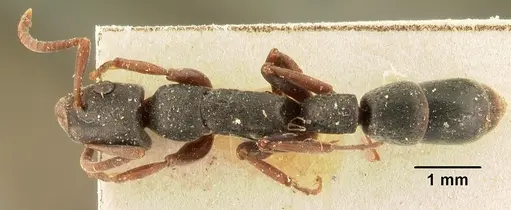
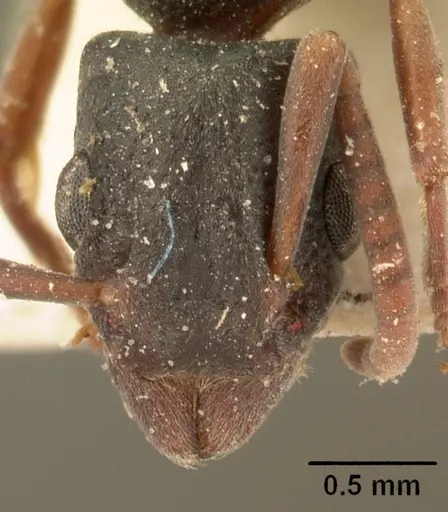
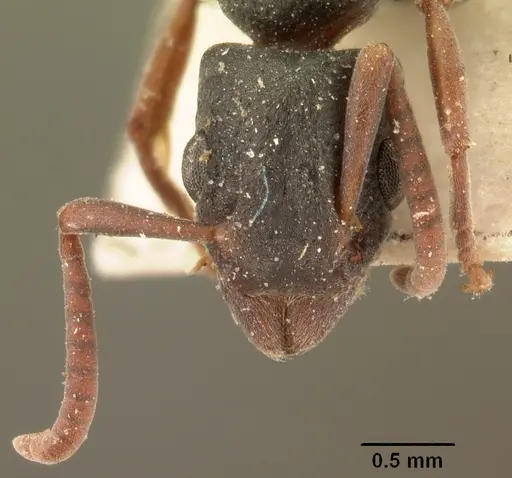
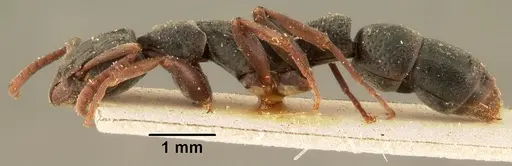
CASENT0132466
View on AntWeb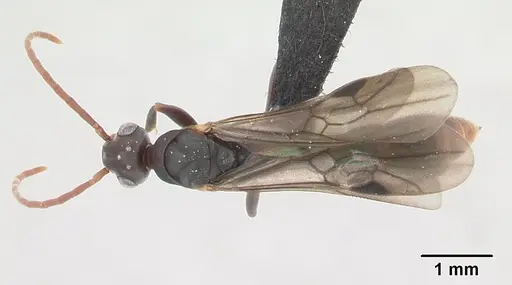
CASENT0132632
View on AntWeb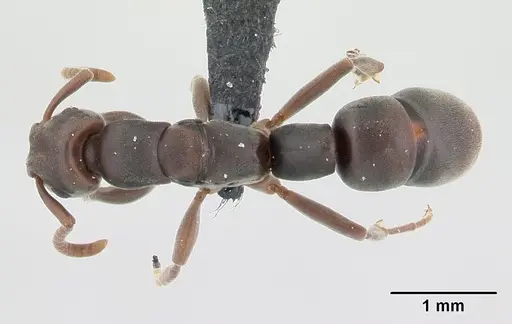
CASENT0132647
View on AntWeb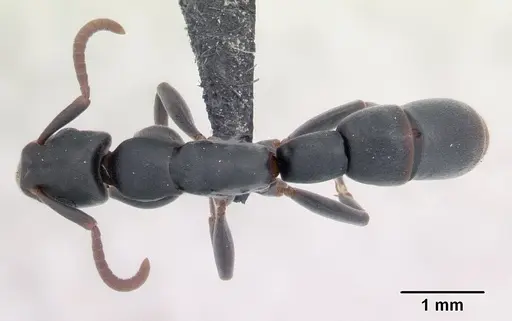
CASENT0147547
View on AntWeb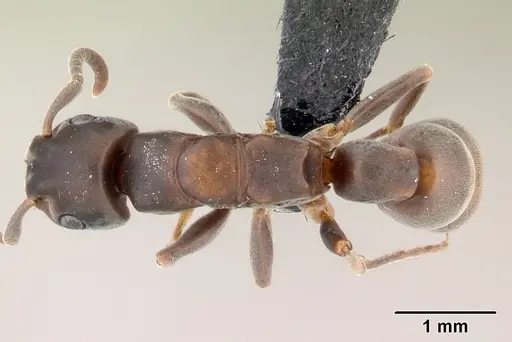
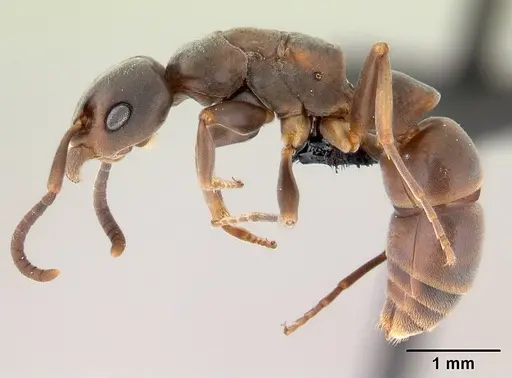
CASENT0416250
View on AntWeb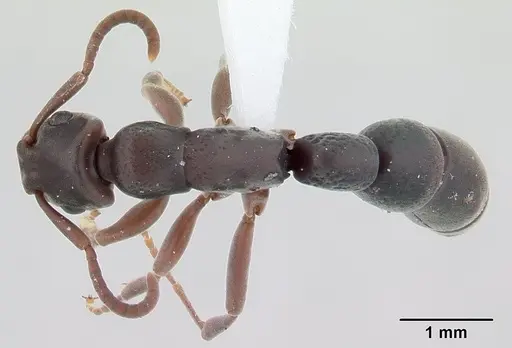
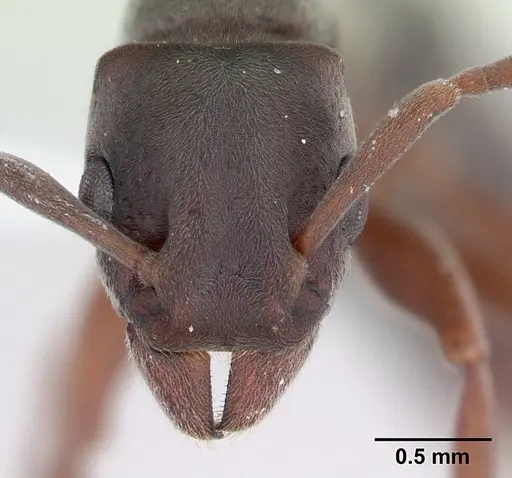
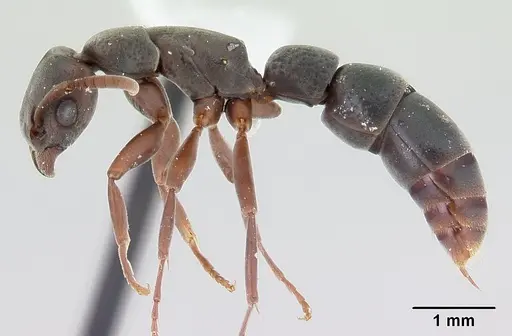
CASENT0442287
View on AntWeb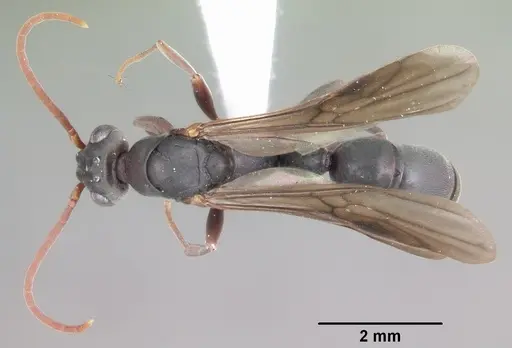
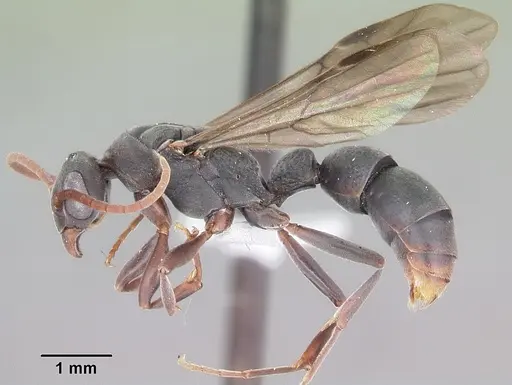
CASENT0451373
View on AntWeb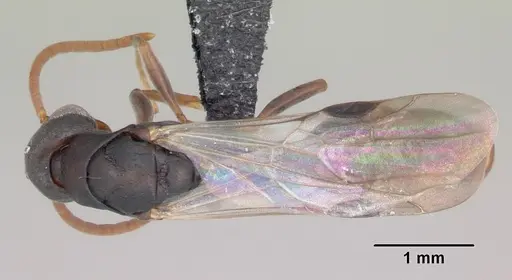
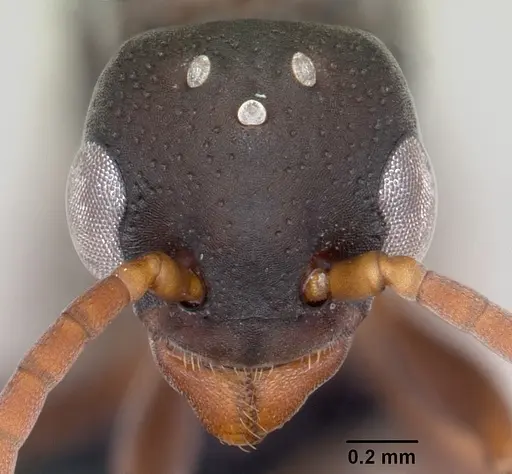
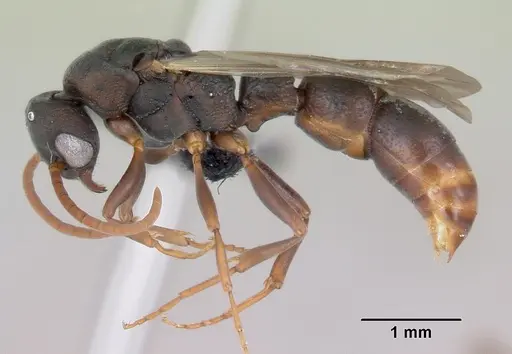
CASENT0498535
View on AntWeb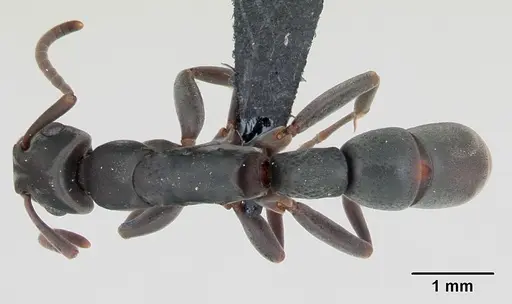
CASENT0498624
View on AntWeb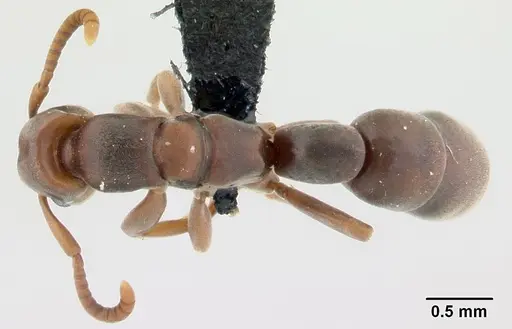
Literature
Loading distribution map...Loading products...