
Plagiolepis pallescens
- Sci. Name
- Plagiolepis pallescens
- Tribe
- Plagiolepidini
- Subfamily
- Formicinae
- Author
- Forel, 1889
- Distribution
- Found in 15 countries
Introduction
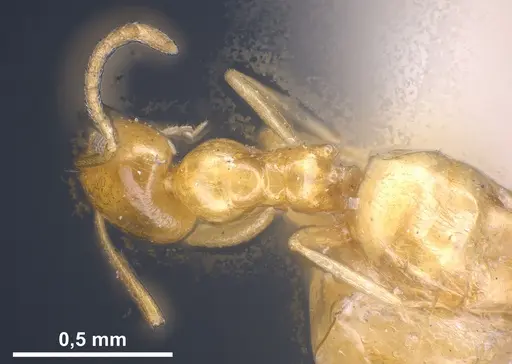
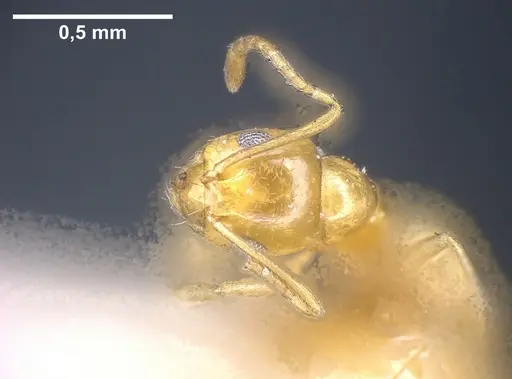
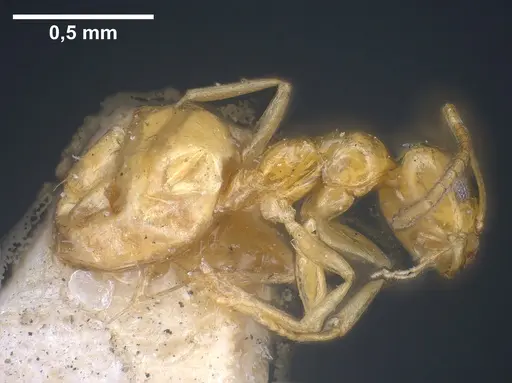
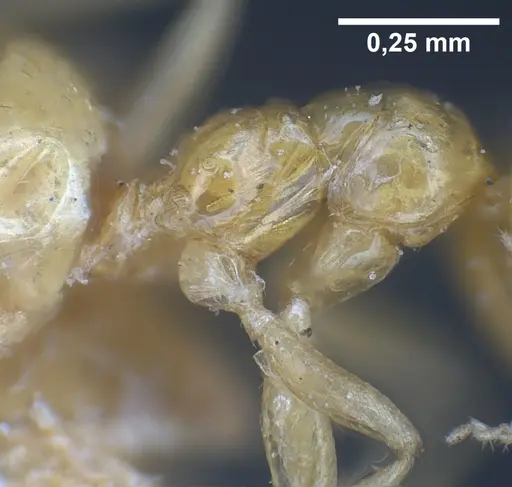
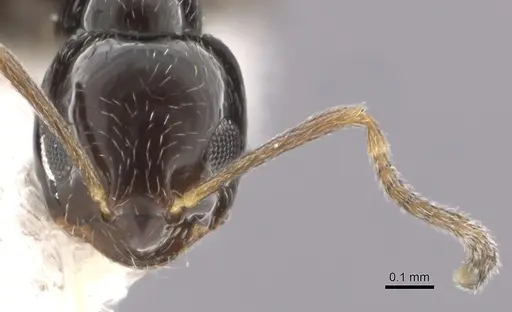
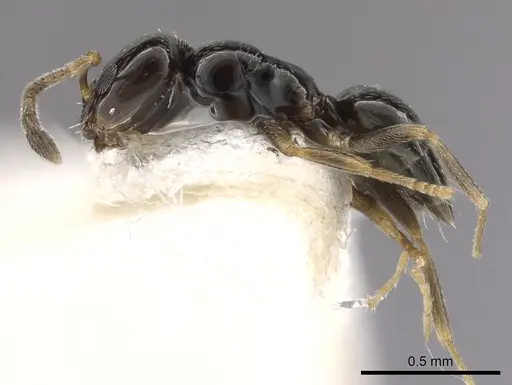
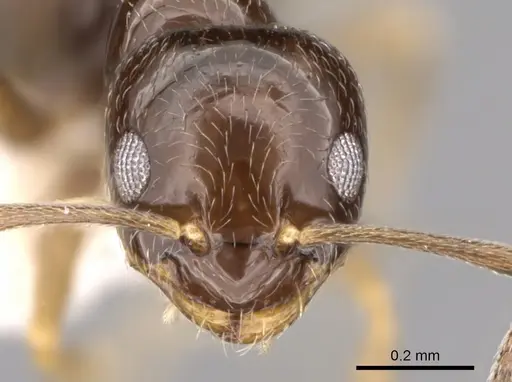
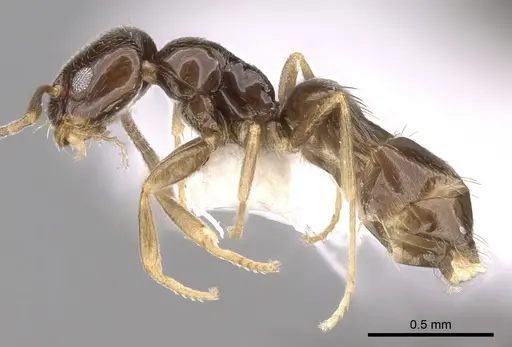
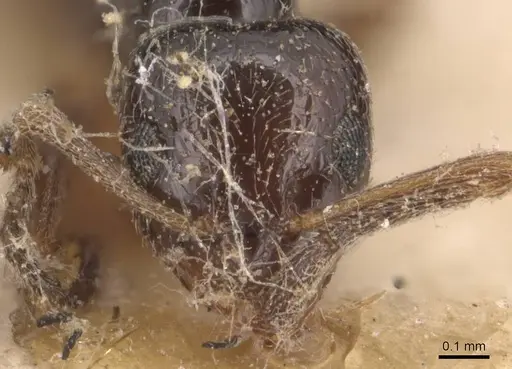
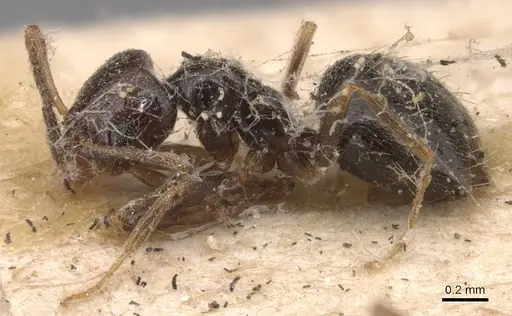
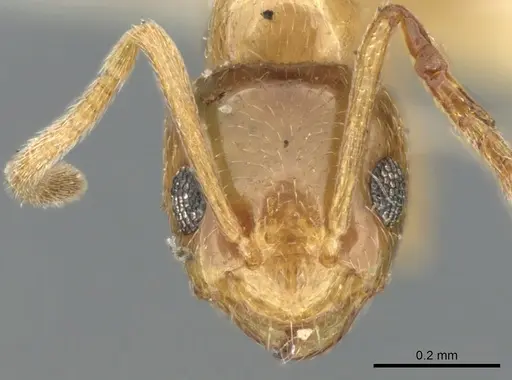
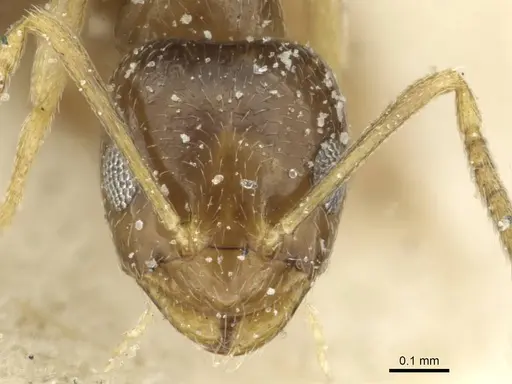
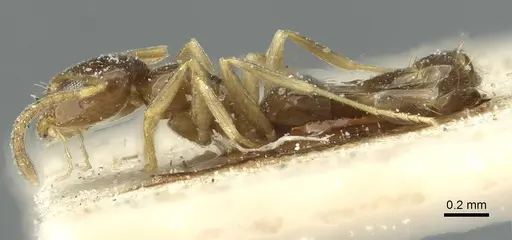
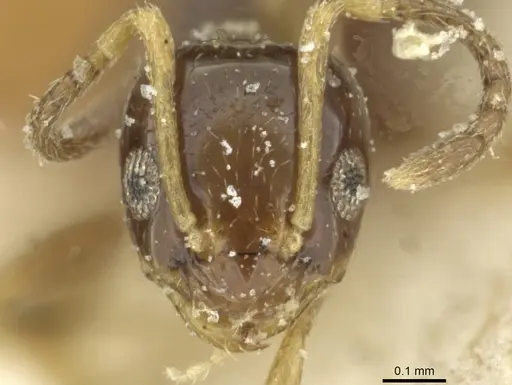
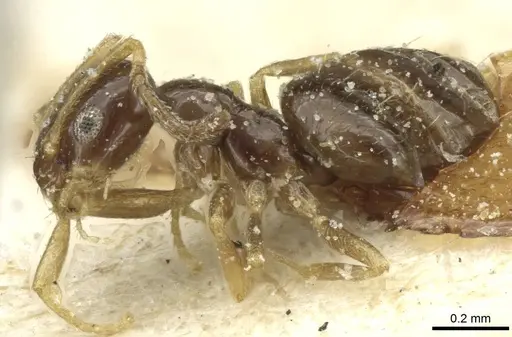
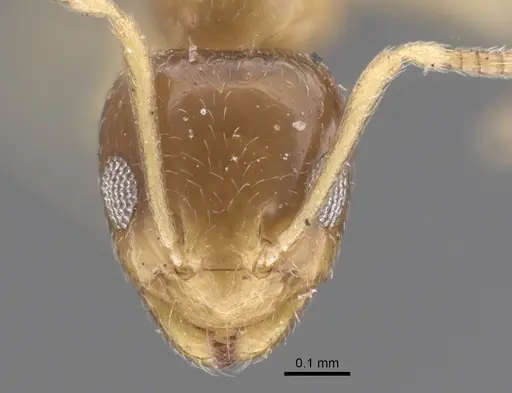
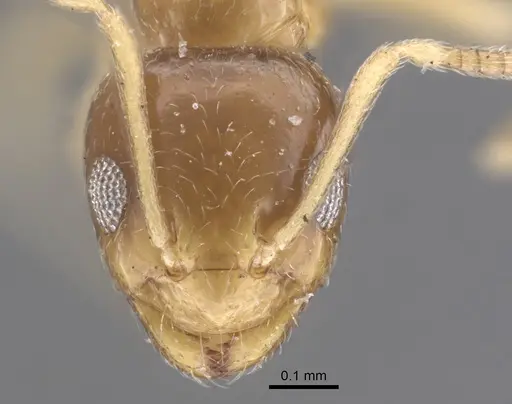
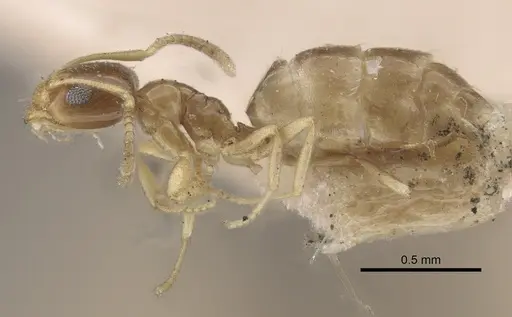
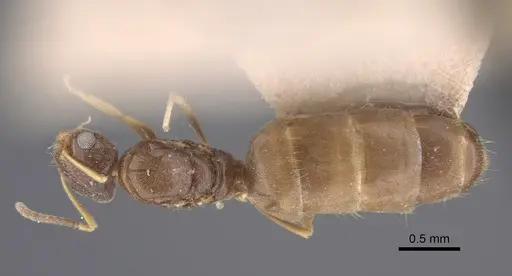
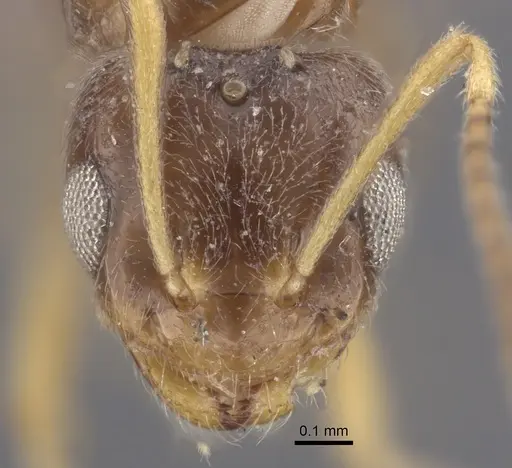
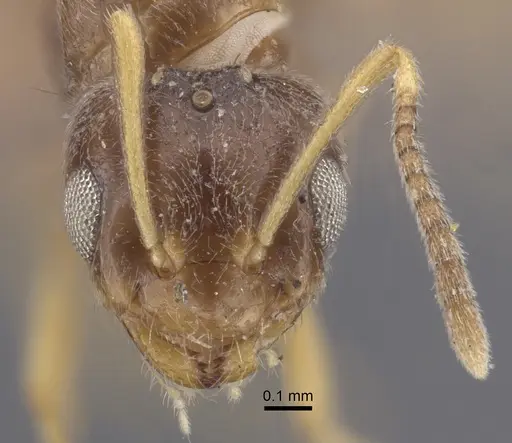
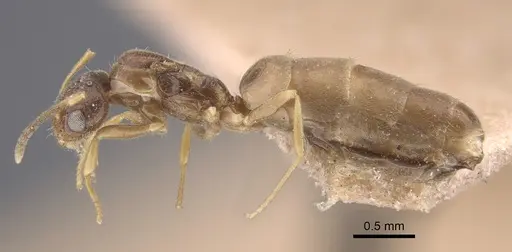
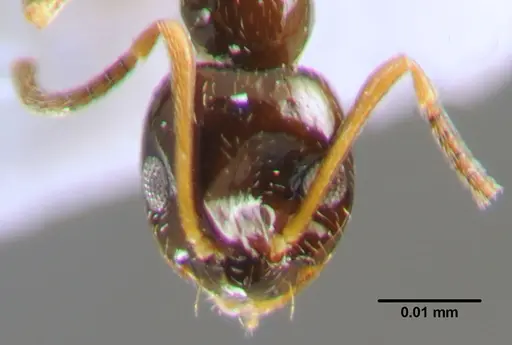
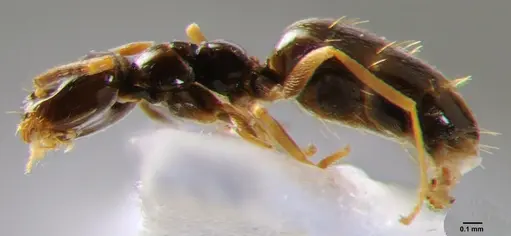
Plagiolepis pallescens is a tiny ant species with workers measuring about 1.5 mm in total length . They have a yellowish-brown to brown body with a paler gaster. This species is found across the Mediterranean and Palaearctic regions, including Greece, Turkey, Iran, and the Caucasus . They nest in soil under small stones and are thermophilous, preferring warm habitats . Colonies are polygynous, meaning they have multiple queens, and workers are small enough to escape through tiny gaps . This species has a complex taxonomic history, recently separated from Plagiolepis perperamus and Plagiolepis taurica .
Quick Summary
- Difficulty: Easy
- Origin & Habitat: Mediterranean region and Palaearctic, found across Southern Europe, Turkey, the Caucasus, Iran, and the Middle East. In Greece, they inhabit diverse warm habitats from sea level to 1450m altitude [3][5].
- Colony Type: Polygynous (multiple-queen) colonies with ergatoid (wingless) replacement queens documented. Colonies are also polydomous, meaning they nest in multiple connected locations [2][4][5].
- Size & Growth:
- Queen: Size data unavailable, no total length measurements for queens are documented.
- Worker: 1.49 mm total length [1].
- Colony: Up to 500 workers, small colonies typical of tiny ant species.
- Growth: Moderate, development timeline is unconfirmed but likely 6-8 weeks from egg to worker at optimal temperature based on genus patterns [5].
- Development: Unknown, no specific data available. Based on related species, estimated 6-8 weeks at 24-28°C [5]. (Development time is not directly documented for this species.)
- Antkeeping:
- Temperature: Keep at 24-28°C, they are thermophilous and thrive in warm conditions [3]. Room temperature is acceptable, but warmer conditions boost activity.
- Humidity: Keep the nest substrate moderately moist but not waterlogged, reflecting their Mediterranean origins [5].
- Diapause: Not required, as a Mediterranean species, they do not need hibernation [5].
- Nesting: Best kept in Y-tong (AAC) or plaster nests with narrow chambers. They nest naturally under stones in soil [2].
- Behavior: Workers are tiny, fast-moving, and not aggressive. They are excellent escape artists due to their small size, use fine mesh barriers [6]. They are epigeic foragers and farm aphids for honeydew [7].
- Common Issues: escape prevention is critical, their tiny size allows them to squeeze through standard barrier gaps., colonies are small and slow-growing, which can frustrate beginners expecting rapid development., they are vulnerable to larger, more aggressive ant species, keep them isolated from other ant colonies., test tube setups must have very small water reservoirs to prevent flooding of tiny chambers., wild-caught colonies may carry parasites that can decimate captive colonies.
Housing and Nest Setup
Plagiolepis pallescens needs appropriately scaled housing. For founding colonies, use a test tube with a small water reservoir to prevent flooding. As the colony grows, transfer to a Y-tong (AAC) nest or plaster nest with narrow chambers. Their small size requires excellent escape prevention, use fine mesh (0.5mm or smaller) for ventilation and apply barrier gels around openings. A naturalistic setup with a thin soil layer and flat stones on top mimics their natural nesting under rocks [2][5].
Feeding and Diet
These ants are omnivores with a strong preference for honeydew. Offer sugar water or honey water regularly. For protein, provide small prey like fruit flies, pinhead crickets, or tiny mealworms. They actively tend aphids for honeydew [7]. Feed protein 2-3 times per week and keep sugar water available constantly [6].
Temperature and Seasonal Care
As a thermophilous species, Plagiolepis pallescens prefers warm conditions. Keep the nest at 24-28°C for optimal growth and activity [3]. They can tolerate room temperature but will be less active. No hibernation is required, but a slight cool period in winter (15-18°C) is optional to slow activity naturally [5].
Colony Structure and Multi-Queen Care
This species is polygynous, meaning colonies naturally have multiple reproductive queens. Ergatoid (wingless) queens have been documented as replacements [4]. When keeping this species, you may receive colonies with multiple queens, this is normal and they should be kept together. Do not attempt to separate queens, as this is unnecessary and may harm the colony [2].
Behavior and Temperament
Workers are tiny, fast-moving, and generally non-aggressive. They are epigeic, meaning they forage on the ground surface. Their small size makes them vulnerable, they are considered subordinate in ant communities and may be outcompeted by larger species [6]. They are not particularly aggressive toward humans and rarely sting [8]. Always use fine mesh and barriers to prevent escapes.
Taxonomic Note
Plagiolepis pallescens has a complicated taxonomic history. It was previously confused with Plagiolepis perperamus and Plagiolepis taurica, which were recently recognized as separate species [2]. The true Plagiolepis pallescens has sparse pilosity on the first segment of the gaster. When acquiring this species, verify the identification using these diagnostic features [2].
Frequently Asked Questions
Can I keep Plagiolepis pallescens in a test tube?
Yes, test tubes work well for founding colonies. Use a small water reservoir to prevent flooding, and ensure the cotton stopper is tight-fitting since these tiny ants can squeeze through small gaps [5].
How long until first workers in Plagiolepis pallescens colonies?
Development time is not documented. Based on genus patterns, estimated 6-8 weeks from egg to worker at optimal temperature (24-28°C) [5].
Are Plagiolepis pallescens good for beginners?
Yes, they are relatively easy to care for. They are not aggressive, don't require hibernation, and tolerate a range of conditions. The main challenges are their tiny size (escape prevention is critical) and slower colony growth [6].
Can I keep multiple queens together in Plagiolepis pallescens?
Yes, this is normal and expected. Plagiolepis pallescens is naturally polygynous, meaning colonies have multiple queens. They coexist peacefully [2][4].
What do Plagiolepis pallescens eat?
They are omnivores with a strong sweet tooth. They readily accept sugar water, honey, or nectar. They also need protein from small insects like fruit flies or pinhead crickets. They are prolific aphid farmers [7][6].
Do Plagiolepis pallescens need hibernation?
No, they do not require formal hibernation. As a Mediterranean species, they prefer warm conditions year-round [3].
Why are my Plagiolepis pallescens escaping?
Their tiny size makes them excellent escape artists. Use fine mesh (0.5mm or smaller) on all ventilation, apply Fluon or similar barriers around the nest opening, and check for any gaps larger than 1mm [6].
How big do Plagiolepis pallescens colonies get?
Colonies remain relatively small, up to 500 workers. This is typical for tiny ant species [5].
When should I move Plagiolepis pallescens to a formicarium?
Move them when the test tube becomes crowded or the colony reaches 30-50 workers. A Y-tong (AAC) nest or plaster nest with small chambers works well [5].
Report an Issue
The current care sheet is based fully on literature. See inconsistencies, or something that's incorrect? Please , it will be resolved after review from an admin. Contributing to the blogs tab also helps providing information, to make us be able to further improve the caresheets. Thank you for your support!
References

This caresheet is licensed under CC BY-SA 4.0 .
Community Blogs
ANTWEB1041459
View on AntWeb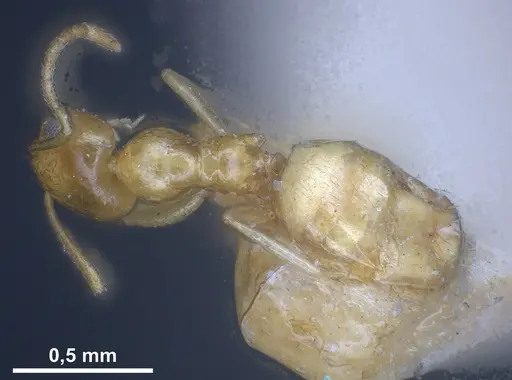
CASENT0249417
View on AntWeb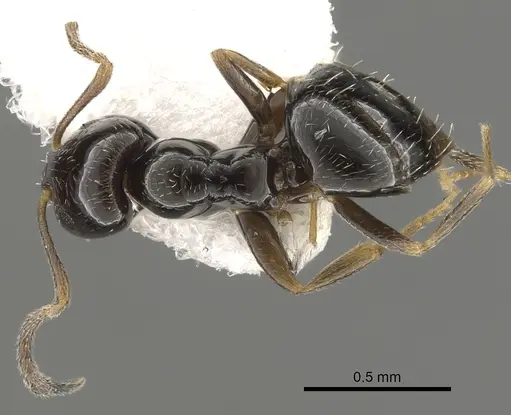
CASENT0281165
View on AntWeb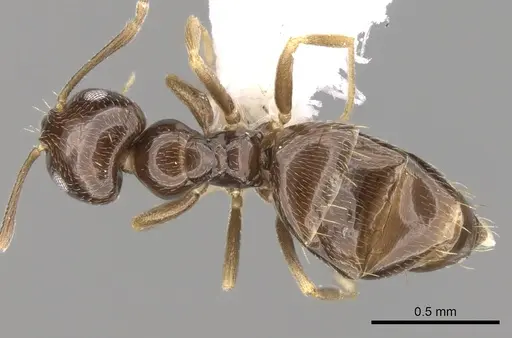
CASENT0905139
View on AntWeb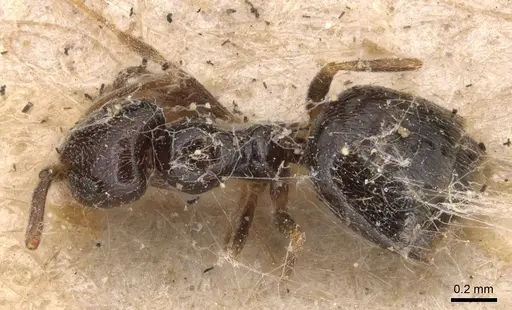
CASENT0906253
View on AntWeb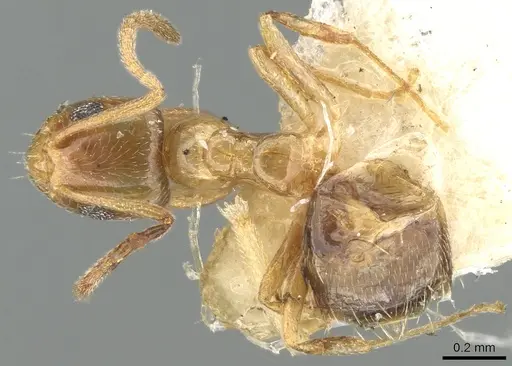
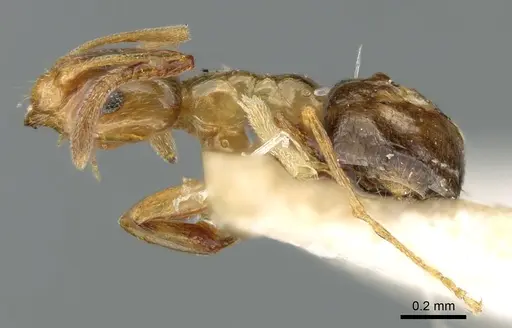
CASENT0909854
View on AntWeb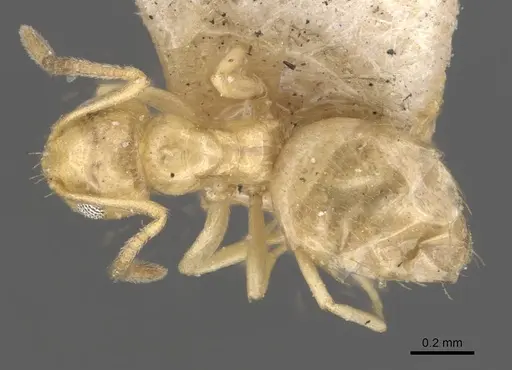
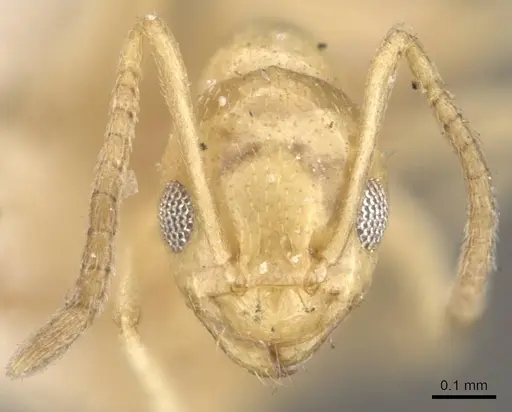
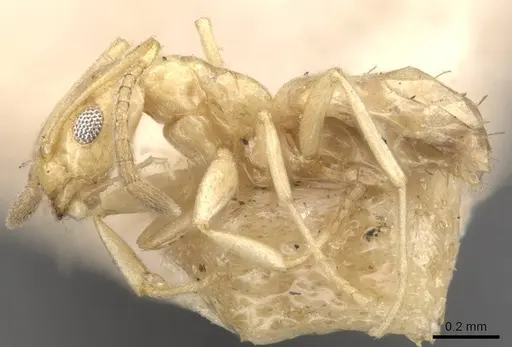
CASENT0912415
View on AntWeb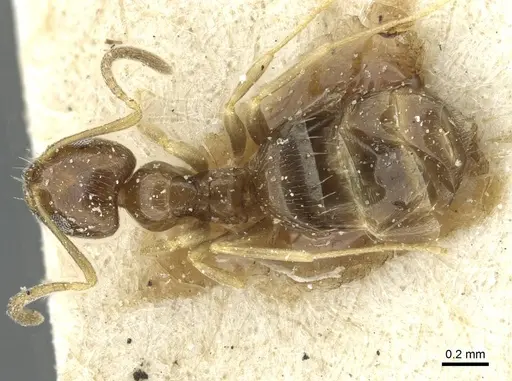
CASENT0912433
View on AntWeb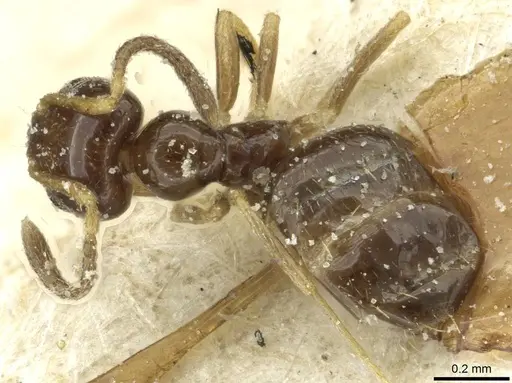
CASENT0917314
View on AntWeb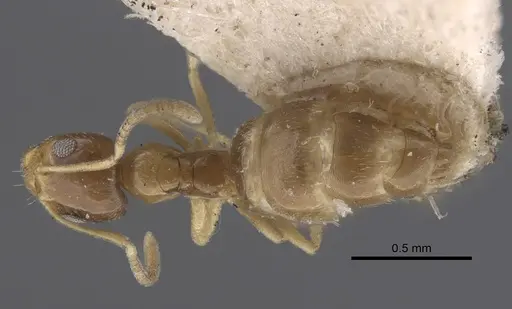
CASENT0917315
View on AntWeb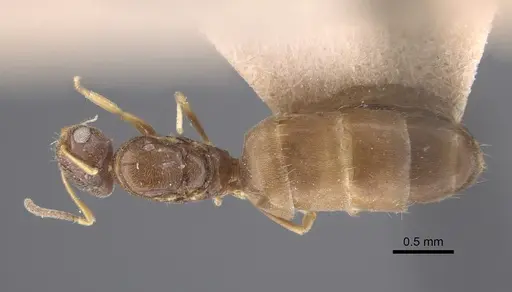
CFH000040
View on AntWeb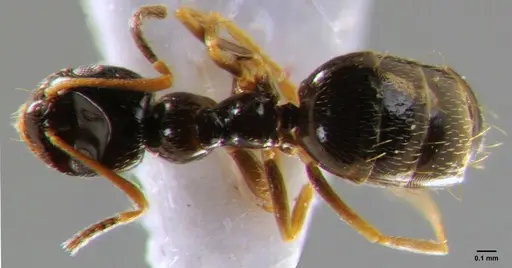
Literature
Loading distribution map...Loading products...