
Plagiolepis lucidula
- Sci. Name
- Plagiolepis lucidula
- Tribe
- Plagiolepidini
- Subfamily
- Formicinae
- Author
- Wheeler, 1934
- Distribution
- Found in 1 countries
Introduction
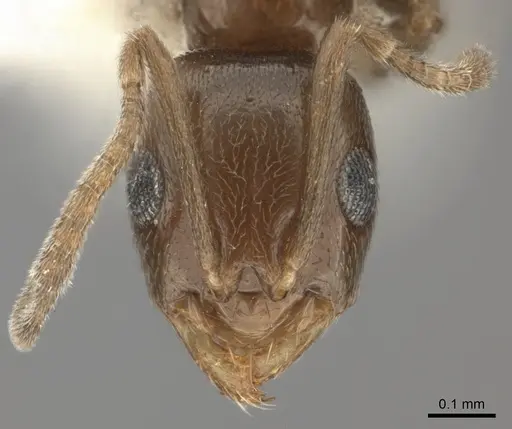
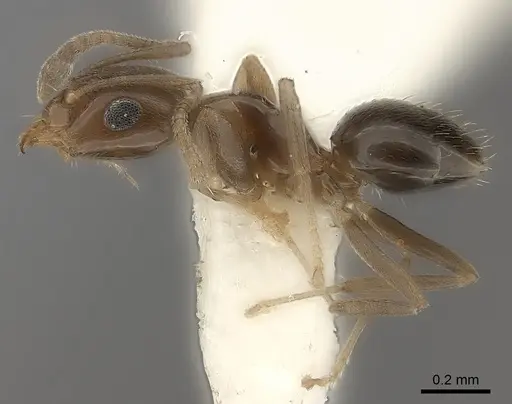
Plagiolepis lucidula is a tiny Australian ant species with workers measuring just 1-1.5mm . They have a shiny brown body, a darker head, yellow mandibles with reddish teeth, and slender antennae. As a Formicinae ant, they spray formic acid to defend themselves instead of stinging. These ants are only known from a few spots in Western Australia: Rottnest Island, Hamelin Bay, and Perth/Fremantle . Their extremely small size helps them live alongside aggressive invasive ants like the big-headed ant in urban gardens .
Quick Summary
- Difficulty: Easy
- Origin & Habitat: Western Australia, Rottnest Island, Hamelin Bay, and Perth/Fremantle region. They nest under stones in coastal areas and are common in some urban gardens [2].
- Colony Type: Colony structure is unconfirmed, no studies on queen number are available.
- Size & Growth:
- Antkeeping:
- Temperature: 22-26°C, from warm temperate coastal Western Australia [2]
- Humidity: Moderate to high, keep substrate damp but not waterlogged, matching their coastal under-stone habitat
- Diapause: Likely a mild winter rest period. They are winter-active in Fremantle [2], so reduce activity but don't need full hibernation. Lower temperature to 15-18°C in winter and reduce feeding.
- Nesting: They nest under stones in nature [1]. In captivity, use a small test tube setup or Y-tong (AAC) nest with very fine chambers given their 1.5mm size.
- Behavior: Peaceful and non-aggressive. Their tiny size lets them coexist with invasive ants in urban areas [2]. As Formicinae, they spray formic acid but pose no danger to keepers. Escape prevention is critical because they can slip through tiny gaps. They are likely quick and shy, foraging opportunistically.
- Common Issues: escape prevention is critical due to their 1.5mm size, use fine mesh (, colony size is unknown and may stay small, don't expect massive nests soon, winter activity differs from northern species, adjust care seasonally per their natural mild rest period, test tube setups need very small water reservoirs, they can drown in large pools, region-specific care is estimated, watch their behavior and adjust if needed
Housing and Escape Prevention
Plagiolepis lucidula workers are just 1-1.5mm [1], which lets them live alongside larger invasive ants [2] but makes escape prevention your top priority. Use test tubes with tight cotton plugs. If using a formicarium, seal all connections and apply fluon barriers. Fine mesh with holes under 0.5mm is essential. A small Y-tong (AAC) nest with narrow chambers works well, or stick with a well-sealed test tube setup. They come from coastal Western Australia [2], so keep the nest slightly moist but not wet.
Feeding and Diet
As a Formicinae, they likely eat an omnivorous diet: sugar water or honey for carbs, and tiny insects like fruit flies or small mealworm bits for protein. Because of their minute size, even small prey may need to be chopped. Their ability to survive in urban areas with aggressive ants suggests they are adaptable foragers [2]. Start with standard ant food and watch what they take.
Temperature and Seasonal Care
From the warm temperate coastal region of Perth, these ants do best at 22-26°C. They are winter-active [2], so they likely only need a mild rest period rather than deep hibernation. In cooler months, lower temperature to 15-18°C and reduce feeding. If they cluster and slow down, that's normal, don't warm them up abruptly.
Behavior and Defense
Plagiolepis lucidula is peaceful and non-aggressive, which helps them coexist with invasive ants [2]. As Formicinae, they spray formic acid when provoked, harmless to you but can irritate if you handle them roughly. They are quick and shy. Due to their tiny size, they can squeeze through impossibly small gaps, so secure every opening.
Frequently Asked Questions
How long does it take for Plagiolepis lucidula to produce first workers?
Exact development time is unknown. Based on other small Formicinae, estimate 6-8 weeks from egg to first worker at 24°C. The first workers (nanitics) will be even smaller than normal.
Are Plagiolepis lucidula good for beginners?
They are easy to keep once you control escape risks. Their tiny 1.5mm size makes escape prevention the main challenge, use fine mesh and tight seals. They are peaceful and adaptable [2].
What size colony does Plagiolepis lucidula reach?
Colony size is not documented. Given their tiny workers, colonies probably stay small, likely under a few hundred workers at most. They use micro-habitats to avoid larger ants [2].
Can I keep multiple queens together?
Colony structure (monogyne vs polygyne) is unknown for this species. Don't combine queens unless you see them naturally tolerating each other, which is rare in Plagiolepis.
What temperature range is best for Plagiolepis lucidula?
Maintain 22-26°C. They are from warm coastal Western Australia [2] and are winter-active, so avoid cold hibernation. A slight winter cooldown to 15-18°C is fine.
Do Plagiolepis lucidula need hibernation?
No true hibernation. They are winter-active [2], so just a mild rest period with cooler temperatures (15-18°C) and less food during winter.
Why are my Plagiolepis lucidula escaping?
Their 1.5mm size makes them excellent escape artists. Check all barriers, even tiny gaps around tubing or lids. Apply fluon to smooth surfaces and ensure no holes larger than 0.5mm.
What do Plagiolepis lucidula eat?
Typical ant diet: sugar water or honey for carbs, and tiny insects (fruit flies, small mealworms) for protein. They are adaptable urban survivors [2].
Where is Plagiolepis lucidula found in the wild?
Only known from Western Australia: Rottnest Island, Hamelin Bay, and Perth/Fremantle [2]. They nest under stones in coastal areas and some gardens [1].
Report an Issue
The current care sheet is based fully on literature. See inconsistencies, or something that's incorrect? Please , it will be resolved after review from an admin. Contributing to the blogs tab also helps providing information, to make us be able to further improve the caresheets. Thank you for your support!
References

This caresheet is licensed under CC BY-SA 4.0 .
Community Blogs
CASENT0217737
View on AntWeb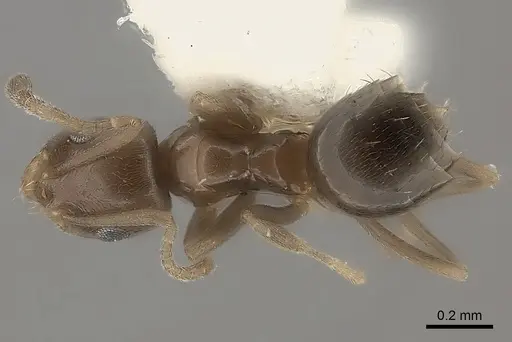
Literature
Loading distribution map...Loading products...