
Pheidole zoceana
- Sci. Name
- Pheidole zoceana
- Tribe
- Attini
- Subfamily
- Myrmicinae
- Author
- Santschi, 1925
- Distribution
- Found in 1 countries
Introduction
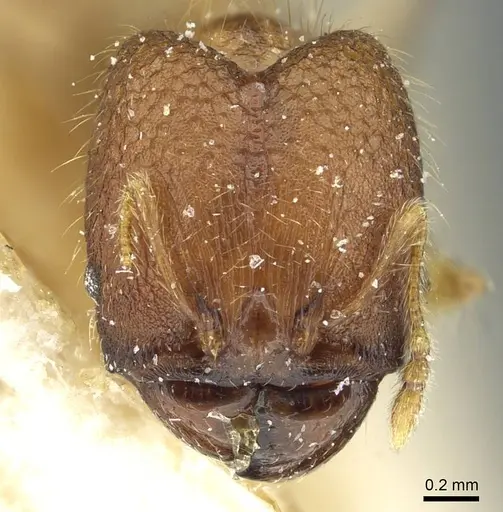
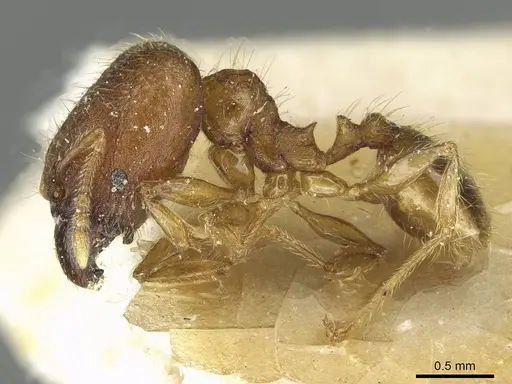
Pheidole zoceana is a small ant species native to Southeast Asia, found in Vietnam, China, and Thailand . It inhabits forest edges in hilly and mountainous areas, nesting in soil at elevations between 550-840 meters . Size data for this species is unavailable . The species exhibits a dimorphic caste system with major and minor workers, where majors have enlarged heads for defense and seed processing, and minors handle foraging and brood care .
Quick Summary
- Difficulty: Medium
- Origin & Habitat: Native to Vietnam, China (Yunnan, Hengduan Mountains), and Thailand. Found along forest edges in hilly and mountainous areas, nesting in soil at 550-840m elevation [1][2]. Also occurs in leaf litter of rain forests, secondary forests, and rubber plantations [2][3].
- Colony Type: Colony structure is unconfirmed. Based on typical Pheidole genus patterns, likely single-queen (monogyne) colonies with major and minor worker castes [4].
- Size & Growth:
- Queen: size unknown, inferred from Pheidole genus (~4-6 mm) [4]
- Worker: size unknown, inferred from Pheidole genus (~2-4 mm) [4]
- Colony: up to several hundred workers, inferred from Pheidole genus patterns [4]
- Growth: Moderate, inferred from genus patterns [4]
- Development: 6-10 weeks, inferred from typical Pheidole development [4] (Development time is not directly studied for this species.)
- Antkeeping:
- Temperature: Keep at 22-26°C. Based on their mountain forest edge habitat, they likely prefer moderate temperatures [2].
- Humidity: Keep substrate moderately moist. As a soil-nesting species from forest edges, provide consistently moist but not waterlogged substrate [1][2].
- Diapause: Unknown, no specific research. Their native range includes subtropical areas with seasonal changes, so a cool period may be beneficial[2].
- Nesting: Soil-nesting species. In captivity, use moist soil or Y-tong/plaster nests with chambers scaled to their small size [1][2].
- Behavior: Typical Pheidole behavior with major workers for defense and minor workers for foraging. They possess a sting as typical for Myrmicinae but are not medically significant to humans. They are not aggressive but will defend if threatened. Escape risk is moderate due to small minor workers, use fine mesh barriers [1][4].
- Common Issues: humidity control is critical, too dry or too wet can cause colony failure., small minor workers can escape through standard barriers, use fine mesh and tight-fitting lids., slow founding phase, new keepers may abandon colonies before first workers arrive., wild-caught colonies may carry parasites that can devastate captive colonies., colonies may struggle if temperatures are too high, avoid overheating.
Nest Preferences and Housing
Pheidole zoceana is a soil-nesting species that naturally forms nests in forest edge soil in hilly and mountainous areas [1][2]. In captivity, you can house them in several ways depending on colony size. For founding colonies, a standard test tube setup works well, fill a test tube with water, plug with cotton, and place the queen in the humid chamber. The queen will seal herself in and lay eggs without needing to forage. As the colony grows, consider moving to a naturalistic setup with moist soil or a Y-tong/plaster formicarium. These ants prefer having chambers scaled to their tiny size, avoid tall, open spaces. Provide a moisture gradient so ants can choose their preferred humidity zone. The minor workers are very small, so ensure any connections between nest areas are not too large or the ants may get lost. They do well with moderate ventilation to prevent mold while maintaining humidity.
Feeding and Diet
Like most Pheidole species, P. zoceana is omnivorous and will accept a variety of foods. In nature, they forage for seeds, small insects, and honeydew from aphids. In captivity, offer protein sources like small crickets, mealworms, fruit flies, or other small insects twice weekly. They also need sugar sources, offer sugar water, honey, or diluted maple syrup regularly. Pheidole majors have large mandibles adapted for processing seeds and hard prey, so they can handle slightly larger food items than their tiny minor workers. Remove uneaten food after 24-48 hours to prevent mold. For founding colonies, the queen does not need food, she survives on stored fat reserves until her first workers emerge. Once workers arrive, begin offering small amounts of food. Their small size means even tiny food particles are acceptable, crushed insects or tiny seed fragments work well for minor workers. [4]
Temperature and Seasonal Care
Based on their native habitat in mountainous forest edges at 550-840m elevation, Pheidole zoceana prefers moderate temperatures rather than hot conditions [2]. Aim for 22-26°C during the active season. Temperatures above 30°C may stress colonies, so avoid placing nests near heat sources or in direct sunlight. A heating cable on one side of the nest can create a gentle gradient if your room temperature runs cool. During winter, if your colony shows reduced activity, consider providing a cool period. The extent of required cooling is unknown for this species, but their native range includes subtropical mountainous areas with seasonal temperature drops. A simple approach is to reduce temperatures to 15-18°C for 2-3 months during winter if the colony naturally slows down. Do not feed during this cool period and reduce moisture slightly. Always ensure fresh water is available.
Behavior and Colony Structure
Pheidole zoceana exhibits the typical Pheidole caste system with distinct major and minor workers. Major workers have enlarged heads and are specialized for defense and seed processing, while minor workers handle brood care, foraging, and general nest maintenance [1]. This dimorphic caste system makes them interesting to watch, majors patrol the nest and defend while minors tend to brood and search for food. They are not particularly aggressive toward keepers but will bite if provoked. The species is not known to be invasive or cause ecological problems in their native range. Foraging activity is typically moderate, they will send out workers to collect food within a reasonable distance from the nest. Minor workers are very small and can squeeze through small gaps, so ensure your setup has excellent escape prevention with fine mesh barriers and tight-fitting lids.
Growth and Development
The development timeline for Pheidole zoceana has not been directly studied, but based on typical Pheidole genus patterns, you can expect 6-10 weeks from egg to first worker at optimal temperatures (around 24-26°C) [4]. The founding queen will seal herself in a chamber and lay eggs without foraging, she survives on stored fat reserves. After 2-4 weeks, you should see larvae, and another 2-4 weeks later, the first workers (nanitics) will emerge. These first workers are typically smaller than normal workers but will begin foraging to support the colony. Growth rate is moderate, colonies may take several months to reach 50 workers and a year or more to reach several hundred. Patience is key during the founding phase, as this is when most colonies are abandoned by new keepers. Major workers typically appear after the colony reaches a certain size, as the colony invests in specialized soldiers.
Frequently Asked Questions
How long does it take for Pheidole zoceana to have first workers?
Expect 6-10 weeks from founding to first workers, based on typical Pheidole development [4]. This is not directly studied for this species, so timelines may vary. The queen seals herself in and raises the first brood alone, do not disturb during this period.
What do Pheidole zoceana ants eat?
They are omnivorous. Offer small insects (crickets, mealworms, fruit flies) as protein twice weekly, and sugar water, honey, or maple syrup as a constant carbohydrate source. They will also collect seeds in nature.
Can I keep multiple Pheidole zoceana queens together?
Not recommended unless you have specific documentation for this species. Most Pheidole are single-queen (monogyne) colonies, and combining unrelated queens typically results in fighting. If you catch multiple founding queens, house them separately.
What temperature do Pheidole zoceana need?
Keep them at 22-26°C. They prefer moderate temperatures matching their mountain forest edge habitat. Avoid temperatures above 30°C, which can stress colonies.
Are Pheidole zoceana good for beginners?
Difficulty is medium. They are not the easiest species but are manageable for keepers with some experience. The main challenges are humidity control and the slow founding phase. Their small size requires good escape prevention.
When should I move Pheidole zoceana to a formicarium?
Keep them in a test tube or small container for the founding phase (first 6-12 months). Move to a larger nest (Y-tong, plaster, or naturalistic setup) once the colony reaches 50+ workers and the test tube becomes crowded.
Do Pheidole zoceana need hibernation?
The exact diapause requirements are unknown. Their native range includes subtropical mountainous areas with seasonal temperature changes. If your colony naturally slows in winter, providing a cool period (15-18°C for 2-3 months) may be beneficial.
How big do Pheidole zoceana colonies get?
Colony size is not documented for this species. Based on typical Pheidole patterns, expect several hundred workers over several years. Major workers typically appear once the colony reaches moderate size.
Why are my Pheidole zoceana dying?
Common causes include: too dry conditions (keep substrate consistently moist), temperatures too high (below 30°C), mold from overwatering or poor ventilation, parasites from wild-caught colonies, or stress from disturbance during founding. Check these parameters and adjust accordingly.
Report an Issue
The current care sheet is based fully on literature. See inconsistencies, or something that's incorrect? Please , it will be resolved after review from an admin. Contributing to the blogs tab also helps providing information, to make us be able to further improve the caresheets. Thank you for your support!
References

This caresheet is licensed under CC BY-SA 4.0 .
Community Blogs
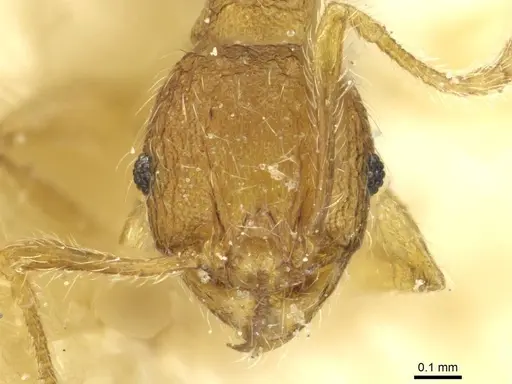
CASENT0913373
View on AntWeb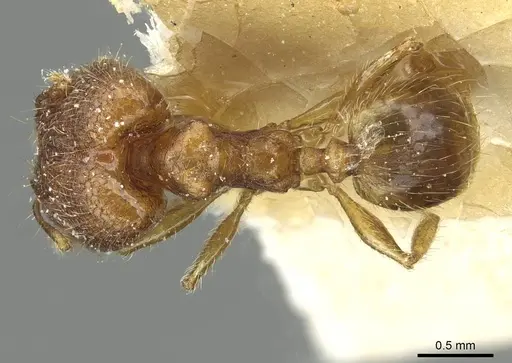
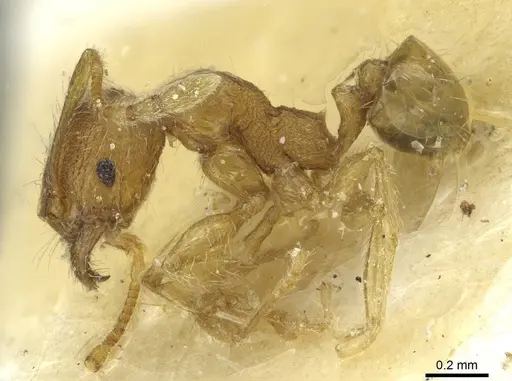
CASENT0913374
View on AntWeb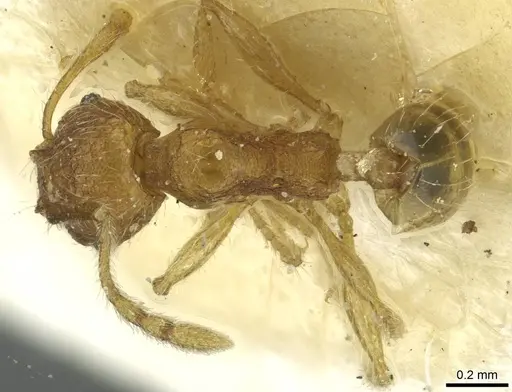
Literature
Loading distribution map...Loading products...