
Pheidole yaqui
- Sci. Name
- Pheidole yaqui
- Tribe
- Attini
- Subfamily
- Myrmicinae
- Author
- Creighton & Gregg, 1955
- Distribution
- Found in 2 countries
Introduction
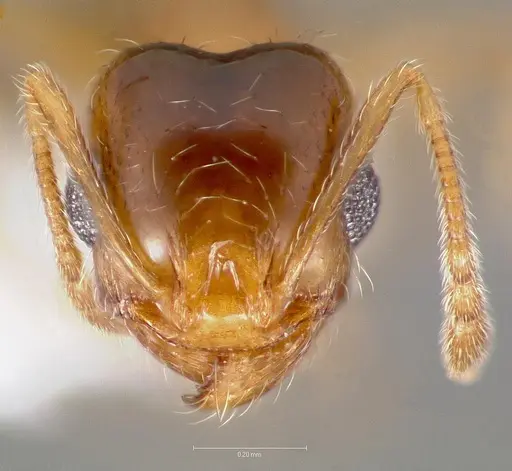
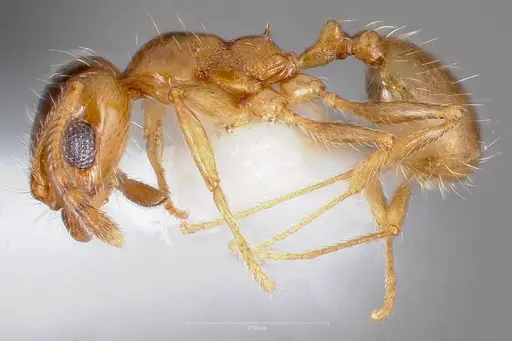
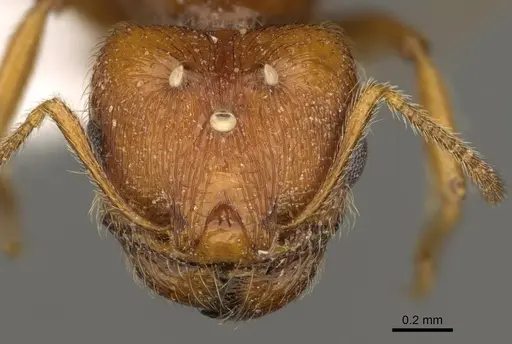
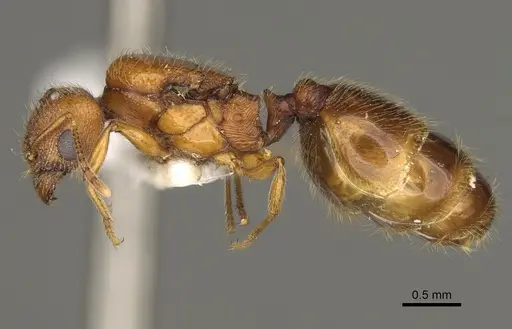
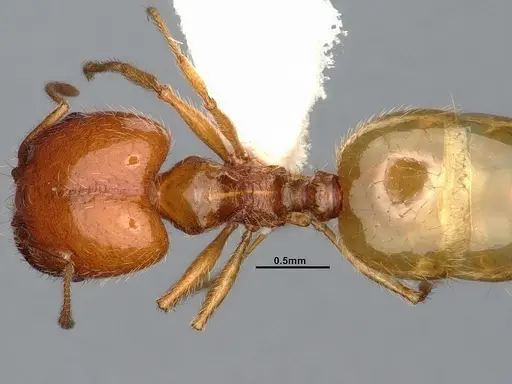
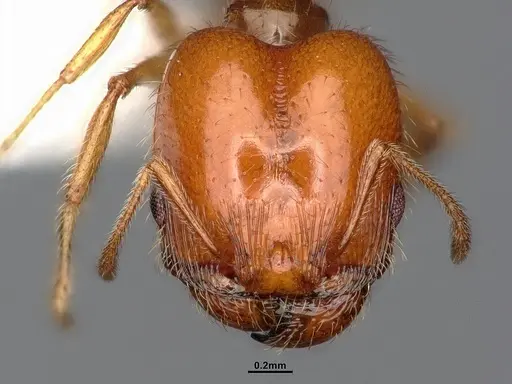
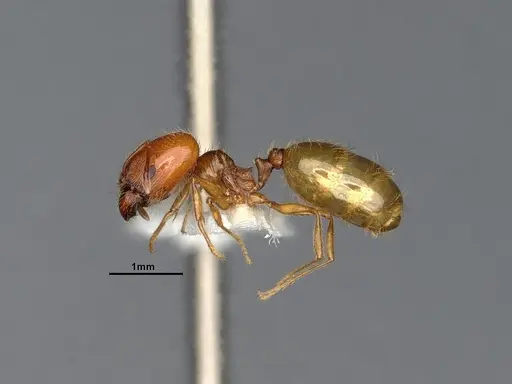
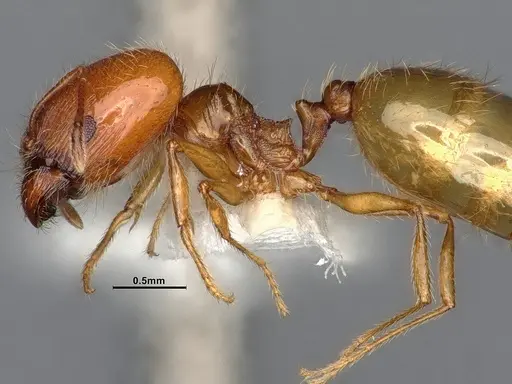
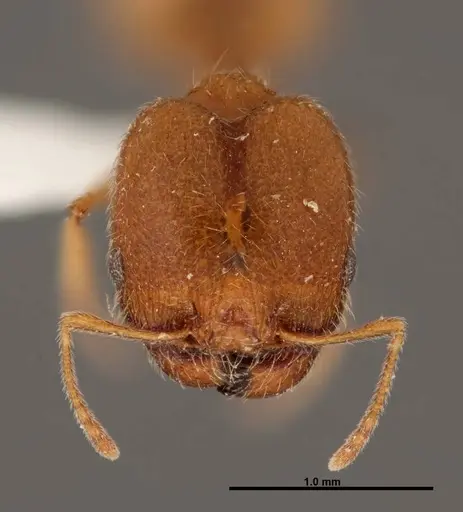
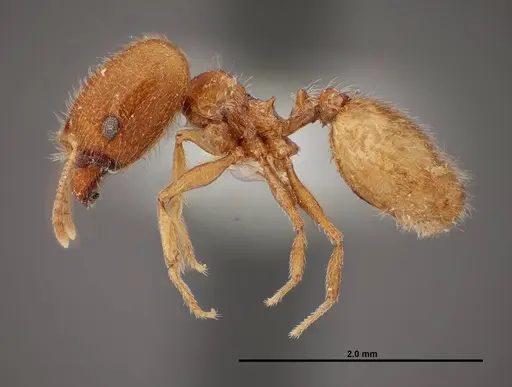
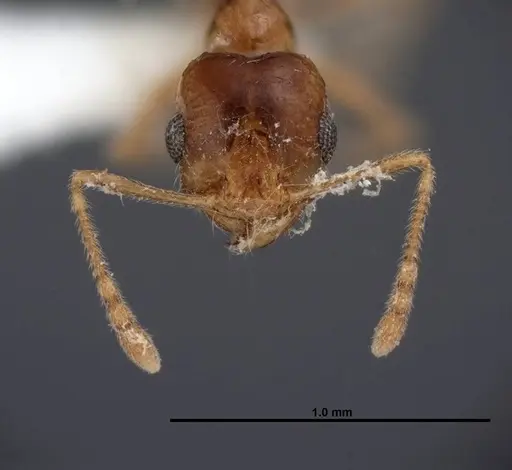
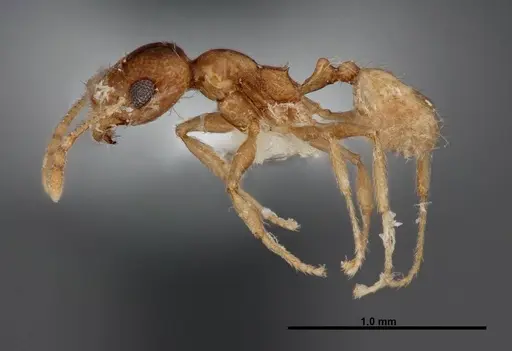
Pheidole yaqui is a small desert ant species native to the southwestern United States and northern Mexico. These ants have a two-caste system with major workers (soldiers) having oversized heads and minor workers handling daily tasks. Queen size is inferred from the genus Pheidole at approximately 6-7 mm, while worker sizes are typical for the genus . The species was described in 1955 and is named after Yaqui Well in California's Anza Desert State Park . Distribution includes southern California and Baja California . What makes P. yaqui stand out is its preference for extremely arid nesting sites and its small colony size, with up to 100 workers . They nest in desert soil and have been observed with seed caches inside nests .
Quick Summary
- Difficulty: Easy
- Origin & Habitat: Native to southern California and Baja California, found in desert and scrub habitats such as creosote-acacia-juniper scrub and palo verde-agave-ocotillo scrub [2][3][4][1].
- Colony Type: Single-queen colonies (monogyne), though this is not explicitly confirmed in research literature [1].
- Size & Growth:
- Queen: Inferred from Pheidole genus ~6-7 mm [1]
- Worker: Size data unavailable, major and minor castes exist [1]
- Colony: Up to 100 workers [1]
- Growth: Moderate
- Development: Estimated 6-8 weeks at warm temperatures [1] (Development times are not specifically documented, estimate based on genus-level data for Pheidole in warm desert environments)
- Antkeeping:
- Behavior: Peaceful and not aggressive toward keepers, major workers occasionally forage alongside minors but spend most time in the nest [1]. Escape risk is high due to tiny minor workers, use fine mesh barriers [1].
- Common Issues: small colony size limits population growth, tiny workers can escape through standard barriers, use fine mesh, desert species prone to mold in humid conditions, keep nesting area dry, winter hibernation is required for long-term colony health
Housing and Nest Setup
Pheidole yaqui is well-suited to standard antkeeping setups. A Y-tong nest works well because narrow chambers match their soil-nesting preference and maintain dry conditions [1]. Alternatively, plaster nests with minimal water reservoirs are appropriate. Since they are desert-adapted, keep conditions dry rather than humid [1]. For the outworld, ensure escape prevention with fine mesh barriers due to tiny minor workers [1].
Feeding and Diet
In the wild, P. yaqui is a seed-harvester with documented seed caches [1]. In captivity, offer small seeds, protein sources like mealworms, and occasional sugar water [1]. Seeds should be available constantly, protein 2-3 times weekly [1].
Temperature and Seasonal Care
As a desert species, P. yaqui prefers warm conditions at 24-30°C [1]. During winter, reduce temperatures to 15-18°C for 2-3 months to simulate natural diapause [1].
Colony Structure and Behavior
Pheidole yaqui colonies are small, with up to 100 workers [1]. Minor workers handle foraging and brood care, while majors defend the nest [1]. The species is likely monogyne, but this is not confirmed in research [1].
Growth and Development
Colony growth is moderate, with first workers emerging in about 6-8 weeks at warm temperatures [1]. Colonies reach maximum size slowly over several years [1].
Frequently Asked Questions
How long does it take for Pheidole yaqui to produce first workers?
First workers emerge approximately 6-8 weeks after queen lays eggs, assuming warm temperatures around 28°C [1].
Can I keep multiple Pheidole yaqui queens together?
No, Pheidole yaqui is likely monogyne, meaning colonies have a single queen. Combining queens may result in fighting [1].
What do Pheidole yaqui eat?
They are seed-harvesters and generalist feeders. Offer small seeds, protein sources, and occasional sugar water [1].
Are Pheidole yaqui good for beginners?
Yes, they are considered easy to keep due to small colony size and modest requirements, but escape prevention is critical [1].
Do Pheidole yaqui need hibernation?
Yes, they benefit from a winter rest period at reduced temperatures for 2-3 months [1].
When should I move Pheidole yaqui to a formicarium?
Move them to a proper nest once the colony reaches 20-30 workers, using dry-condition nests like Y-tong or plaster [1].
How big do Pheidole yaqui colonies get?
Colonies reach up to 100 workers maximum [1].
Why are my Pheidole yaqui dying?
Common causes include overly humid conditions causing mold, escape of workers, starvation, or lack of hibernation [1].
Report an Issue
The current care sheet is based fully on literature. See inconsistencies, or something that's incorrect? Please , it will be resolved after review from an admin. Contributing to the blogs tab also helps providing information, to make us be able to further improve the caresheets. Thank you for your support!
References

This caresheet is licensed under CC BY-SA 4.0 .
Community Blogs
CASENT0005775
View on AntWeb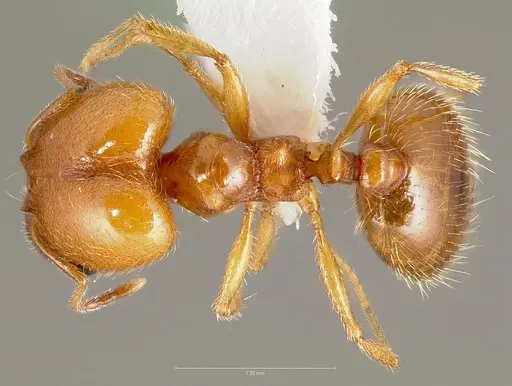
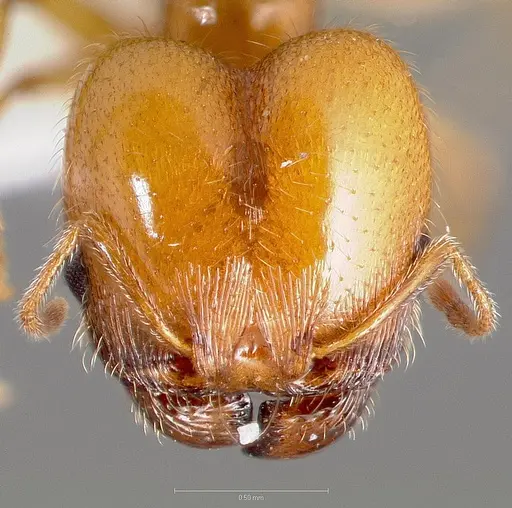
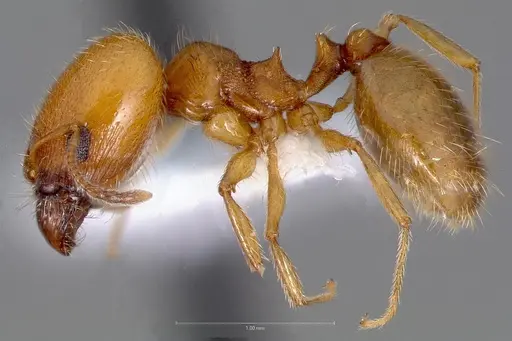
CASENT0005776
View on AntWeb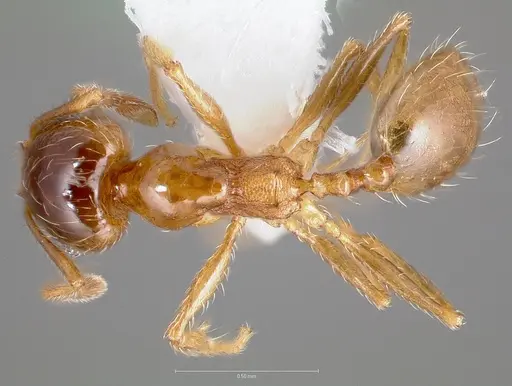
CASENT0863105
View on AntWeb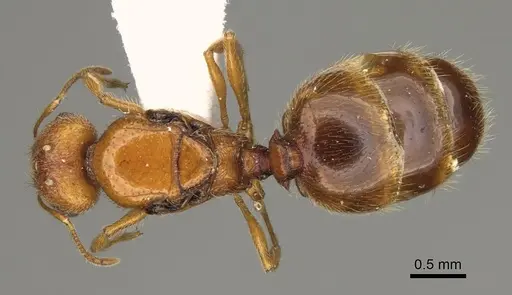
CASENT4031427
View on AntWeb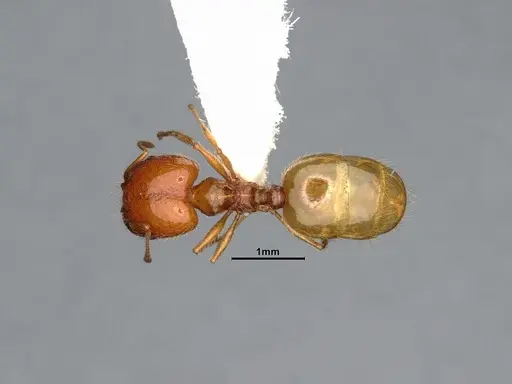
CASENT8368290
View on AntWeb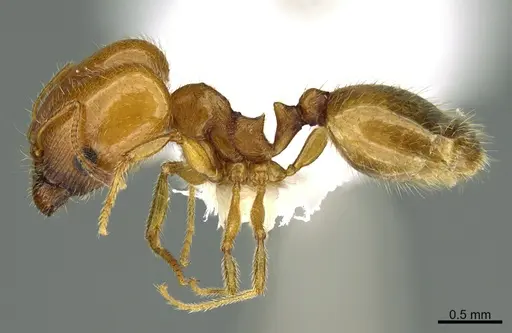
FMNHINS0000062692
View on AntWeb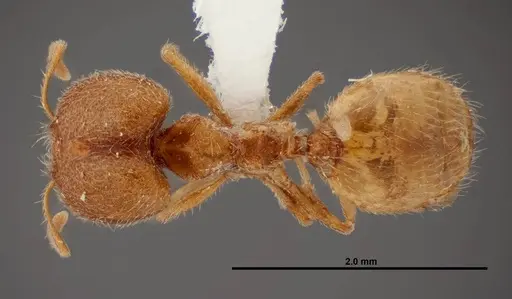
FMNHINS0000062793
View on AntWeb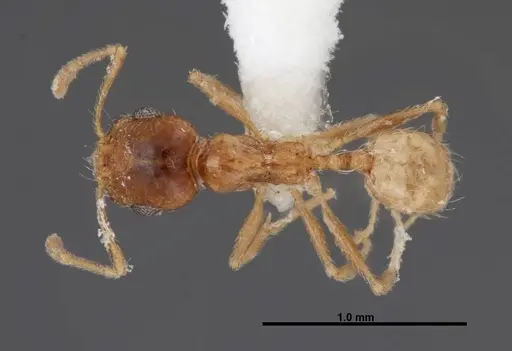
Literature
Loading distribution map...Loading products...