
Pheidole xerophila
- Sci. Name
- Pheidole xerophila
- Tribe
- Attini
- Subfamily
- Myrmicinae
- Author
- Wheeler, 1908
- Distribution
- Found in 2 countries
Introduction
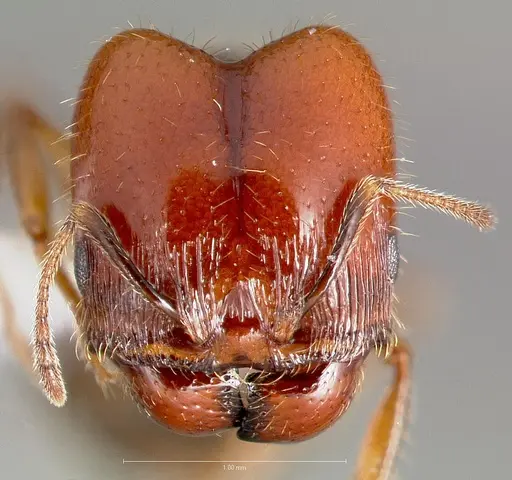
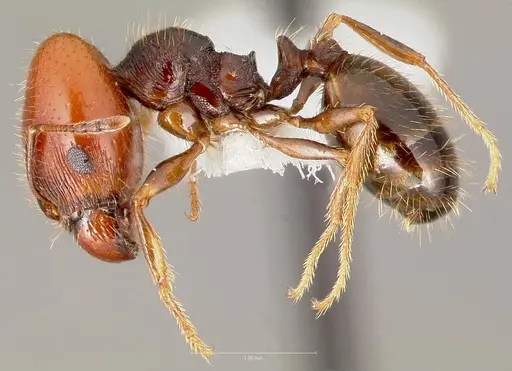
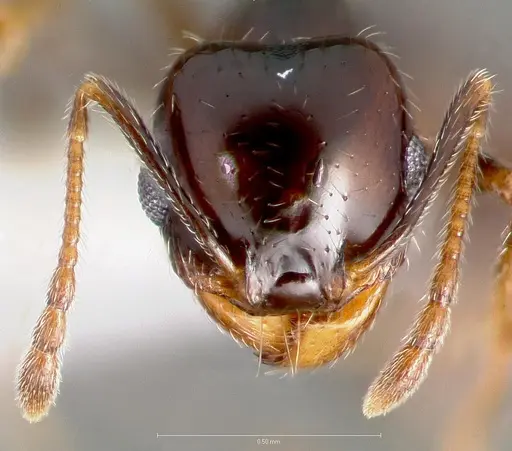
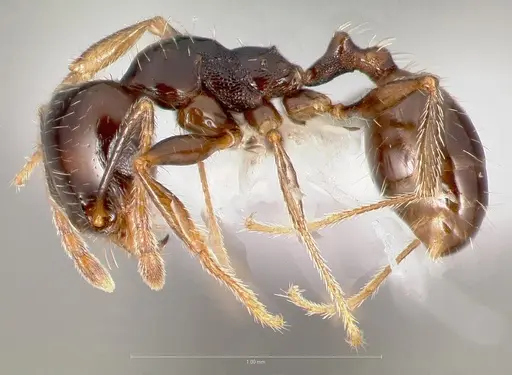
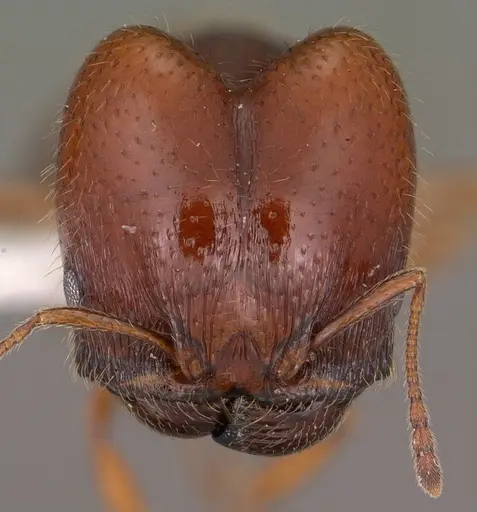
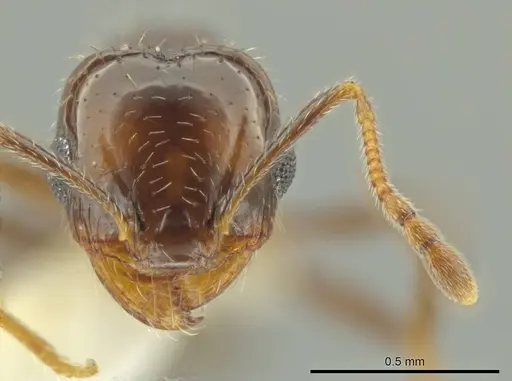
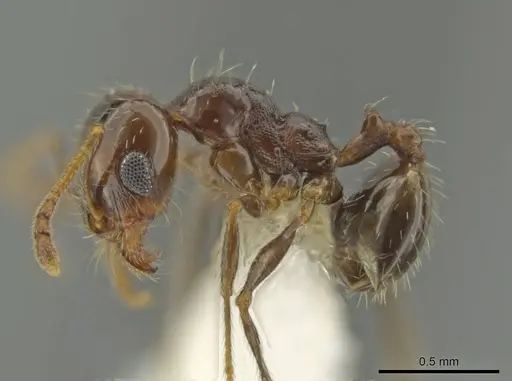
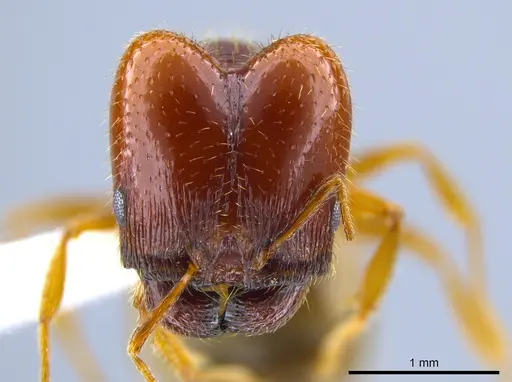
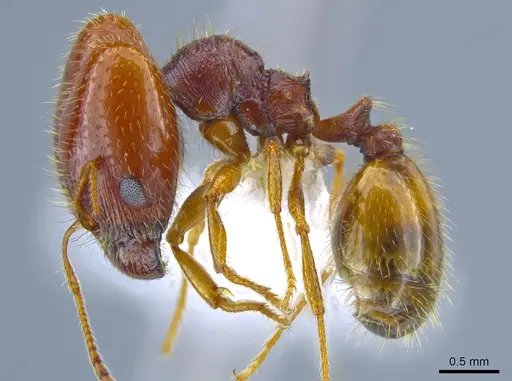
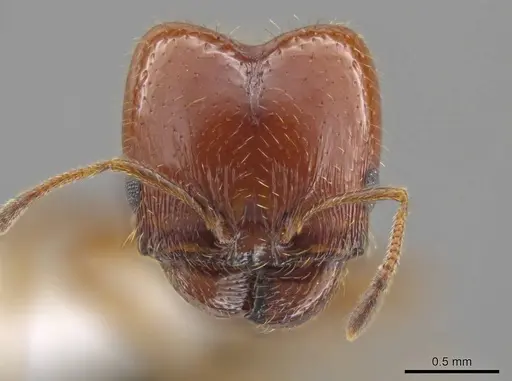
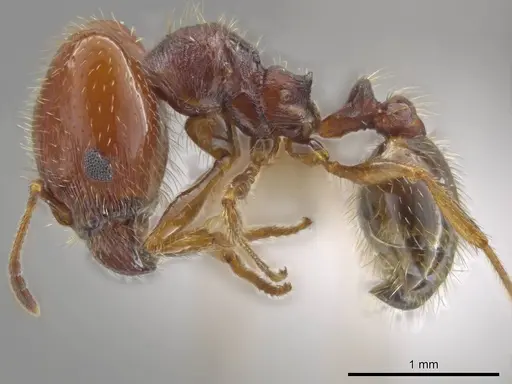
Pheidole xerophila is a small seed-harvester ant native to the deserts of the American Southwest and northern Mexico . The name xerophila means 'aridity lover, ' fitting for an ant that thrives in hot, dry conditions . Workers are polymorphic: minors average 2.3 mm in body length, while majors are larger and help process seeds . Colonies are polydomous, with multiple nest entrances connected underground , and typically reach up to 400 workers . This species forms trunk trails to forage for seeds and is active in sandy, exposed soils .
Quick Summary
- Difficulty: Easy
- Origin & Habitat: Desert regions of central Texas, southern New Mexico, Arizona, southern California, and Sonora, Mexico, at elevations 150-1500 m in creosote bush scrub and woodland habitats [2][8].
- Colony Type: Colony structure is unconfirmed, likely monogyne based on genus patterns, but polygyny is uncertain [5]. Colonies are polydomous, meaning they have multiple connected nest entrances [6].
- Size & Growth:
- Queen: Size data unavailable, no total length measurements in research context.
- Worker: Minors average 2.3 mm body length [4], majors are larger but size data unavailable for total length.
- Colony: Up to 400 workers [3]
- Growth: Moderate
- Development: Estimated 6-8 weeks based on typical Pheidole development, no specific data in context. (Colonies produce single-sex alates, either all males or all gynes, never mixed [9]. Brood is present in nests in April and September [3].)
- Antkeeping:
- Temperature: Keep warm, roughly 24-30°C, as they are desert-adapted [1]. Provide a temperature gradient using a heating cable.
- Humidity: Keep nest substrate dry but with a small moist area, they are xerophilic (aridity-loving) [3].
- Diapause: Unknown, based on genus patterns and temperate range, a winter rest may be beneficial, but no specific data in context.
- Nesting: Use dry, sandy substrate in Y-tong or plaster nests. They prefer compact, dark spaces and nest in exposed sandy soil [1].
- Behavior: Majors defend colonies aggressively when threatened [10]. Foraging is via trunk trails within 3-4 m of nest entrances [4][7]. Escape risk is moderate for minors due to small size, use standard barriers.
- Common Issues: overwatering kills them, they prefer dry desert conditions, colonies stay small, up to 400 workers is normal, don't expect massive colonies, majors may not form if colony is stressed, ensure stable conditions and diet, winter mortality may occur without proper diapause, though requirements are unknown, escape through tiny gaps, minors can slip through small openings, so check barriers regularly
Housing and Nest Setup
You should use dry, sandy substrate in a Y-tong or plaster nest to mimic their natural habitat [1]. Provide a dark, compact nest chamber with an outworld for foraging. Because they are seed harvesters, include a sand area for seed sorting. A water tube is essential, but keep the nest mostly dry to avoid rot [3].
Feeding and Diet
You should offer a mix of small seeds like grass seed or millet, available constantly [4]. Provide protein 2-3 times per week, such as fruit flies or mealworm pieces, as they are seed harvesters [1]. Majors help crack open harder seeds [6].
Temperature and Seasonal Care
You should keep the nest warm, around 24-30°C, using a heating cable for a gradient [1]. Diapause requirements are unknown, but based on genus patterns, a winter rest at lower temperatures may be beneficial.
Colony Structure and Growth
Colonies have polymorphic workers: minors average 2.3 mm body length, and majors are larger [4][5]. Colonies are polydomous with multiple nest entrances [6] and produce single-sex alates [9]. Growth is moderate, with brood present in April and September [3].
Foraging Behavior
You will see trunk trails forming between the nest and food sources [7]. Both majors and minors forage together, typically within 3-4 m of nest entrances [4]. They harvest seeds and bring them back to store in nest chambers [1].
Escape Prevention
Minors are small enough to escape through gaps, so use fluon barriers and secure lids [4]. Check connections regularly, especially during active foraging.
Frequently Asked Questions
How long does it take for Pheidole xerophila to produce first workers?
Expect first workers around 6-8 weeks after queen lays eggs, assuming warm conditions, this is estimated based on typical Pheidole development [4].
Can I keep multiple Pheidole xerophila queens together?
Colony type is unconfirmed, but based on genus patterns, it is likely monogyne. Multiple queens may fight, so start with one queen [5].
What do I feed Pheidole xerophila?
Offer a mix of small seeds and protein 2-3 times per week, such as fruit flies or mealworm pieces [4][1].
How big do Pheidole xerophila colonies get?
Colonies typically reach up to 400 workers [3].
Do Pheidole xerophila need hibernation?
Diapause requirements are unknown, based on genus patterns, a winter rest may be beneficial, but no specific data in context.
Why are my majors dying?
Majors are costly to produce, if the colony is stressed or underfed, they may die first. Ensure a varied diet with seeds and protein [4].
When will my colony produce alates?
Mature colonies may produce alates. In the wild, nuptial flights occur in July [3], and colonies produce single-sex broods [9].
Is Pheidole xerophila good for beginners?
Yes, they are hardy and forgiving of minor temperature fluctuations, with small colony sizes that are manageable [3].
Why does my colony have so few majors?
Majors typically make up about 10% of the colony, young or stressed colonies produce fewer [3]. Ensure stable conditions and diet.
Report an Issue
The current care sheet is based fully on literature. See inconsistencies, or something that's incorrect? Please , it will be resolved after review from an admin. Contributing to the blogs tab also helps providing information, to make us be able to further improve the caresheets. Thank you for your support!
References

This caresheet is licensed under CC BY-SA 4.0 .
Community Blogs
CASENT0005773
View on AntWeb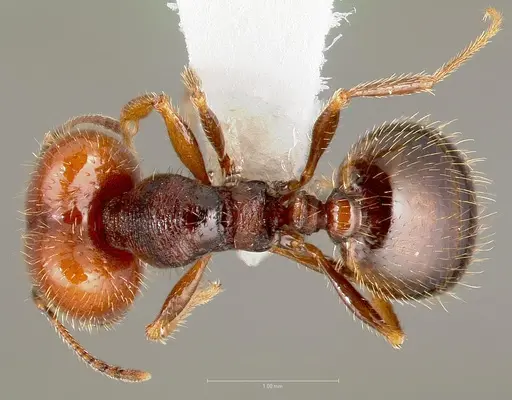
CASENT0005774
View on AntWeb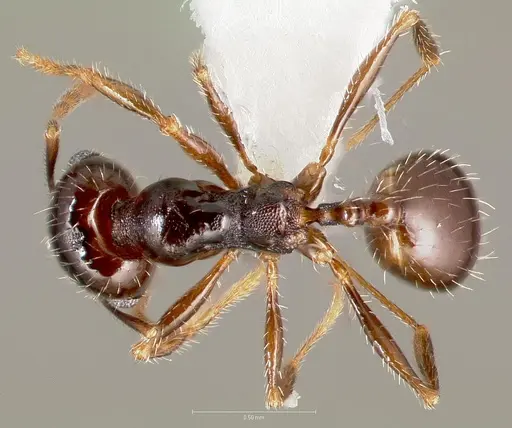
CASENT0104451
View on AntWeb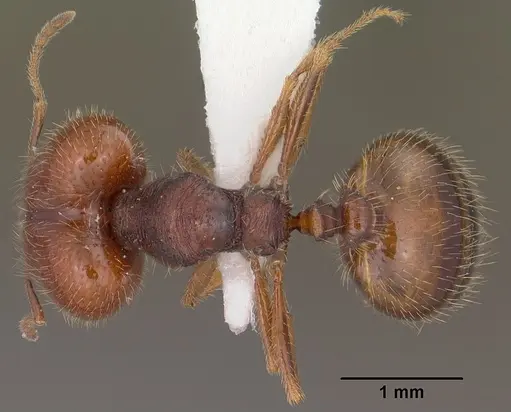
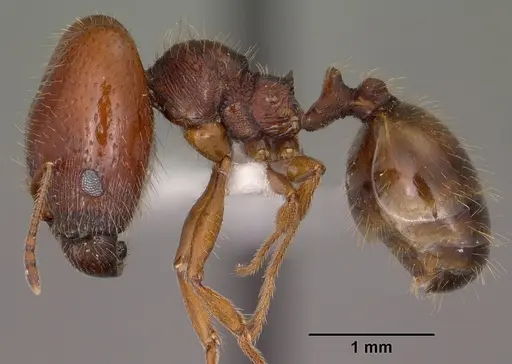
CASENT0104452
View on AntWeb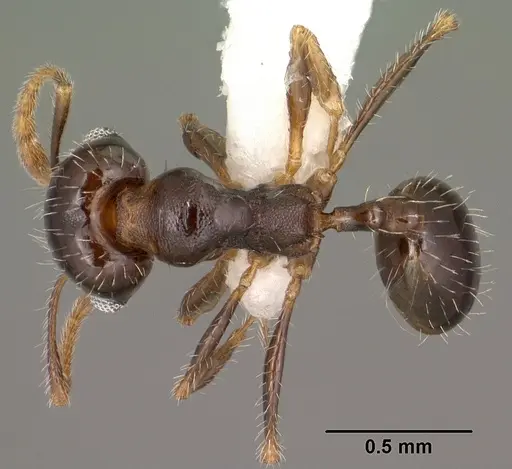
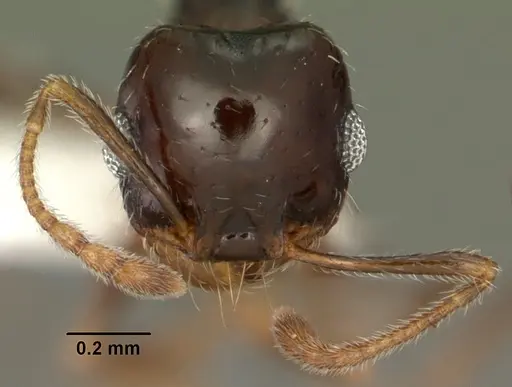
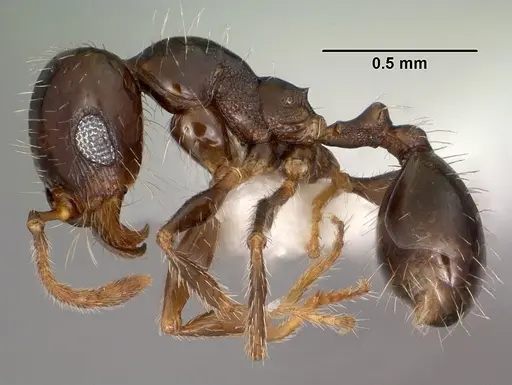
CASENT0636803
View on AntWeb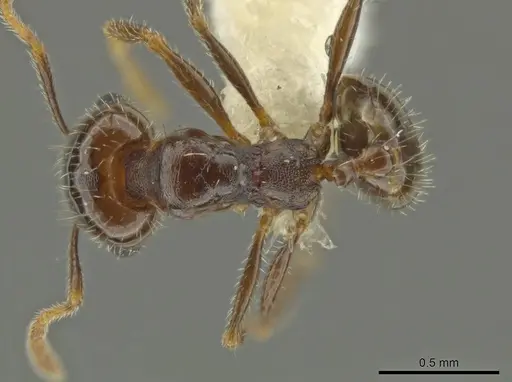
CASENT0637418
View on AntWeb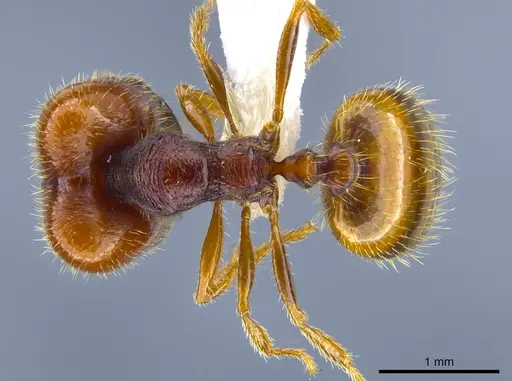
JTLC000007762
View on AntWeb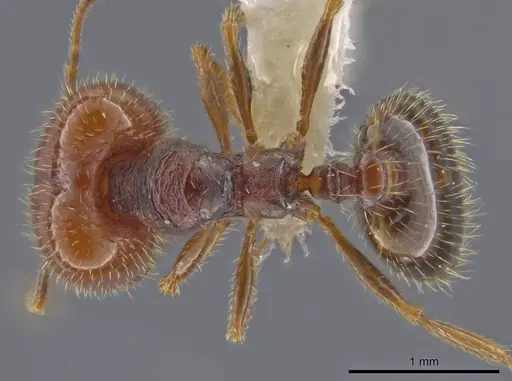
Literature
Loading distribution map...Loading products...