
Pheidole watsoni
- Sci. Name
- Pheidole watsoni
- Tribe
- Attini
- Subfamily
- Myrmicinae
- Author
- Forel, 1902
- Distribution
- Found in 3 countries
Introduction
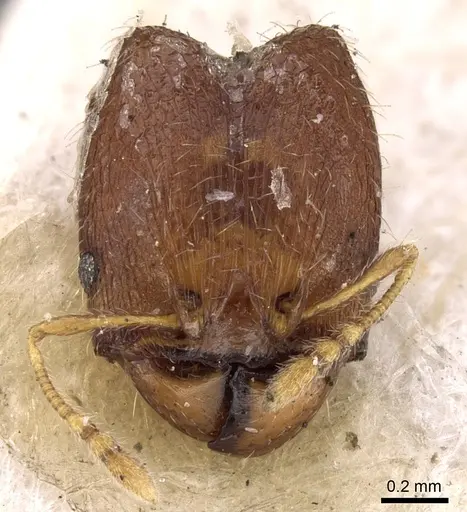
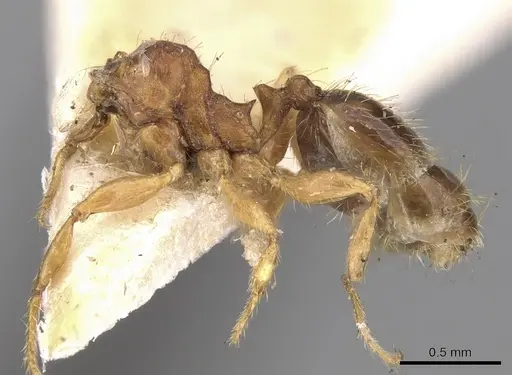
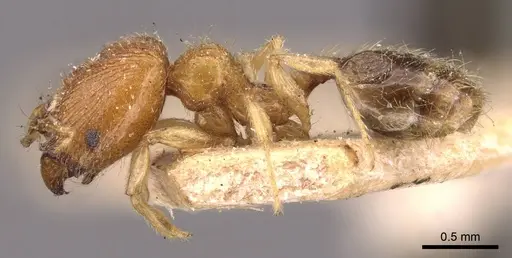
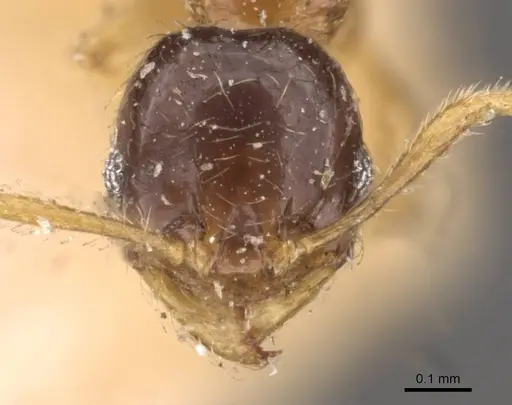
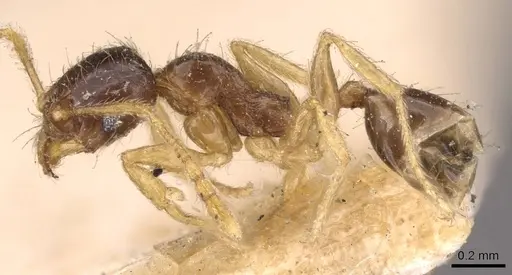
Pheidole watsoni is a small to medium-sized ant species native to South and Southeast Asia. Minor workers measure 1.8-2.1 mm in total length, while major workers (soldiers) measure 3.4-3.6 mm . The species is found in India, Sri Lanka, Bangladesh, Myanmar, and southern China, inhabiting forests, rubber plantations, and urban gardens at elevations from 210m to 1800m . This species exhibits dramatic size polymorphism with distinct minor and major worker castes. Soldiers have enlarged heads specialized for defense and seed-processing . It is common in many parts of India, particularly in Maharashtra, where it contributes significantly to ant communities .
Quick Summary
- Difficulty: Easy
- Origin & Habitat: Native to South and Southeast Asia, found in India, Sri Lanka, Bangladesh, Myanmar, and southern China. Inhabits forests, rubber plantations, and urban gardens at elevations from 210m to 1800m [2][3].
- Colony Type: Unconfirmed, no specific data on queen number from research.
- Size & Growth:
- Antkeeping:
- Temperature: Keep warm, roughly 22-25°C, based on typical practices for subtropical species. No specific research data available.
- Humidity: Keep nest substrate consistently moist but not waterlogged, as they nest in rotting wood and soil [3].
- Diapause: Based on distribution in temperate areas, colonies likely require winter diapause. Reduce temperature to 15-18°C for 2-3 months [3].
- Nesting: Prefers nesting in rotting wood, soil, or under stones. In captivity, use Y-tong or plaster nests with a moisture gradient [3].
- Behavior: Generally peaceful but will defend colony vigorously using soldiers. Forages on ground surface. Escape risk is moderate due to small size [4][5].
- Common Issues: maintain warm temperatures to prevent colony decline, keep nest substrate moist to avoid desiccation [3], ensure secure setup to prevent escapes, as they are ground-nesters
Nest Preferences and Setup
Pheidole watsoni naturally nests in rotting wood, soil, and under stones in its native habitat [3]. In captivity, these ants do well in Y-tong or plaster formicariums with narrow chambers. Provide a nest area with moderate humidity using a water reservoir or moist substrate in part of the nest while keeping another section drier. A test tube setup with a cotton ball works well for founding colonies. As the colony grows, transition to a formicarium while maintaining a moisture gradient. These ants are ground-nesting, so horizontal or shallow vertical setups are better than tall vertical nests [3].
Feeding and Diet
Pheidole watsoni is omnivorous, preferring protein-rich foods like small insects and seeds. In captivity, offer protein sources such as crickets or mealworms 2-3 times per week, and provide sugar water or honey for energy. Remove uneaten food promptly to prevent mold. Soldiers help process larger food items [4][5].
Temperature and Seasonal Care
This species comes from subtropical regions and prefers warm conditions. Keep the nest at roughly 22-25°C for optimal activity. During winter, based on temperate distribution, reduce temperature to 15-18°C for 2-3 months for diapause, feeding sparingly [3].
Colony Development and Castes
Pheidole watsoni has distinct minor and major worker castes. Minor workers handle foraging and nursing, while soldiers defend the colony and process large food items [1]. Soldiers typically appear once the colony grows, but exact timing is unknown.
Behavior and Temperament
This species is generally calm but defends its nest vigorously using soldiers. Foraging occurs on the ground surface, and escape risk is moderate due to small size. Standard escape prevention is recommended [4][5].
Frequently Asked Questions
How long does it take for Pheidole watsoni to produce first workers?
No species-specific data available. Based on typical Pheidole patterns, it may take 6-8 weeks under warm conditions, but this is an estimate.
Are Pheidole watsoni good for beginners?
Yes, this species is considered beginner-friendly due to its hardiness and moderate temperament.
How big do Pheidole watsoni colonies get?
Colony size data is unavailable from research.
What do I feed Pheidole watsoni?
Offer small insects like crickets or mealworms 2-3 times per week, and provide sugar water or honey constantly. Remove uneaten food promptly.
Do Pheidole watsoni need hibernation?
Based on their temperate distribution, they likely benefit from a winter rest period. Reduce temperature to 15-18°C for 2-3 months [3].
When should I move my colony to a formicarium?
Move when the colony outgrows the test tube setup, ensuring the new formicarium has appropriate humidity.
Why aren't my colonies producing soldiers?
Soldier production may be low in young colonies and increases as the colony grows. Be patient.
Can I keep multiple Pheidole watsoni queens together?
Queen number is unconfirmed, but if monogyne, multiple queens may fight. Only keep one queen per colony unless data suggests otherwise.
Where is Pheidole watsoni found in the wild?
This species ranges from India and Sri Lanka through Myanmar and Bangladesh to southern China, living in forests, rubber plantations, and urban gardens at elevations between 210m and 1800m [2][3].
Report an Issue
The current care sheet is based fully on literature. See inconsistencies, or something that's incorrect? Please , it will be resolved after review from an admin. Contributing to the blogs tab also helps providing information, to make us be able to further improve the caresheets. Thank you for your support!
References

This caresheet is licensed under CC BY-SA 4.0 .
Community Blogs
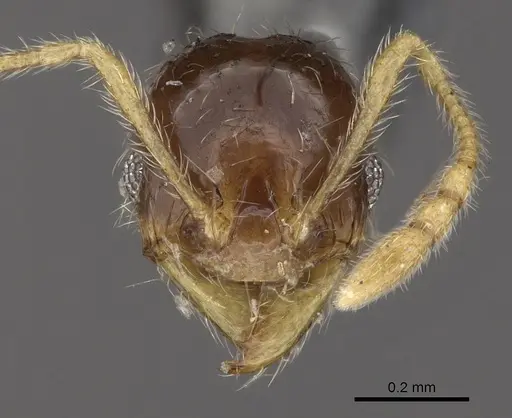
CASENT0281698
View on AntWeb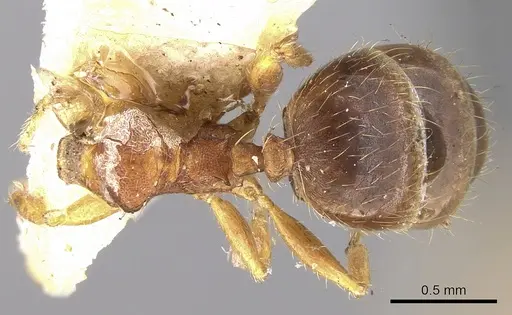
CASENT0281699
View on AntWeb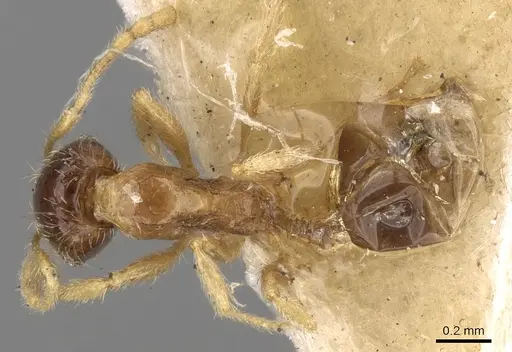
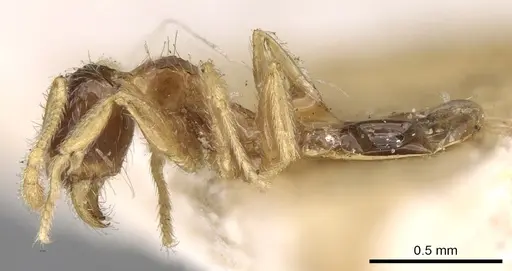
CASENT0908005
View on AntWeb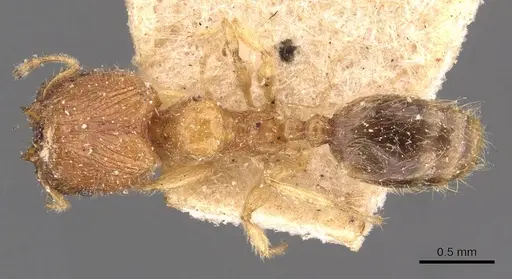
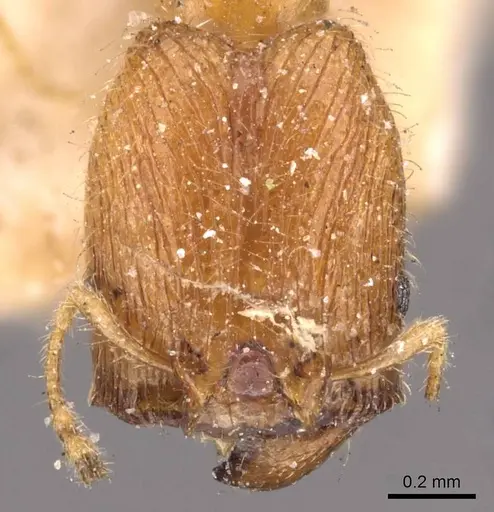
CASENT0908006
View on AntWeb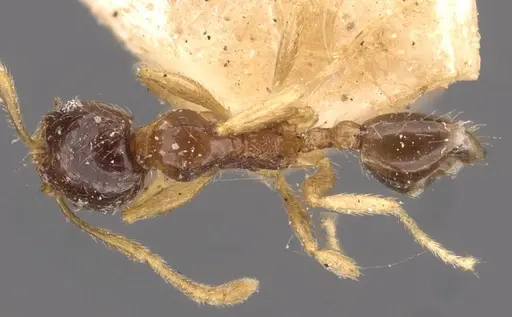
Literature
Loading distribution map...Loading products...