
Pheidole wardi
- Sci. Name
- Pheidole wardi
- Tribe
- Attini
- Subfamily
- Myrmicinae
- Author
- Wilson, 2003
- Distribution
- Found in 3 countries
Introduction
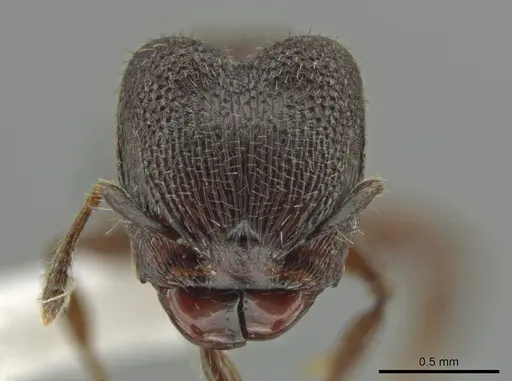
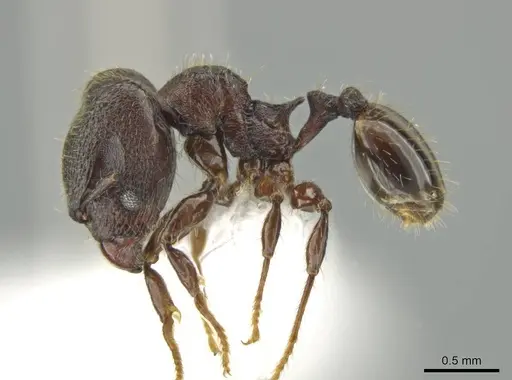
Pheidole wardi is a dimorphic ant species native to Honduras and Guatemala . It has two distinct worker castes: minor workers and major workers with enlarged heads for specialized tasks. Size data is unavailable from current research, but inferred from Pheidole genus patterns. The dimorphic structure allows for division of labor, with major workers handling defense and seed-crushing, while minor workers manage foraging and brood care.
Quick Summary
- Difficulty: Easy
- Origin & Habitat: Found in Honduras and Guatemala [1]. Specific habitat preferences are unconfirmed from current research.
- Colony Type: Based on Pheidole genus patterns, likely single-queen colonies (monogyne), but unconfirmed from research.
- Size & Growth:
- Queen: size unknown, inferred from Pheidole genus (~6-8 mm total length)
- Worker: minor workers ~2-3 mm, major workers ~4-6 mm, inferred from Pheidole genus
- Colony: up to several thousand workers, inferred from Pheidole genus patterns
- Growth: Moderate, inferred from Pheidole genus
- Development: estimated 6-8 weeks, inferred from Pheidole genus at warm temperatures (Development time is inferred from genus-level data. Warmer temperatures speed development, cooler conditions slow it.)
- Antkeeping:
- Temperature: Keep warm, roughly 24-28°C, inferred from tropical origin
- Humidity: Keep nest substrate lightly moist but not waterlogged, inferred from typical ant care
- Diapause: No, tropical species do not require hibernation
- Nesting: Standard ant setups like Y-tong, plaster, or test tubes work well, inferred from genus preferences
- Behavior: Pheidole wardi is generally calm and not aggressive toward keepers. Major workers can deliver a mild sting if threatened, but this is not dangerous to healthy humans. Escape risk is moderate due to size, standard prevention is adequate.
- Common Issues: temperatures below 20°C can slow colony development and weaken the colony., major workers develop slowly, colonies may stay minor-only for months., overfeeding with seeds can lead to mold in the nest, remove uneaten food promptly., ensure secure connections to prevent escapes, as ants will find loose spots.
Housing and Nest Setup
Pheidole wardi adapts well to various captive setups. This species is reported from Honduras and Guatemala [1] and is dimorphic [1]. A Y-tong nest, plaster nest, or test tube setup provides the dark, enclosed environment they prefer. Test tube setups work well for founding colonies, place the queen in a test tube with a water reservoir plugged with cotton. Once the colony reaches 20-30 workers, transition to a proper formicarium. Include an outworld connected to the nest for foraging. Ensure all connections are secure to prevent escapes.
Feeding and Diet
Pheidole wardi is omnivorous with a preference for seeds and protein. Offer seeds like millet or commercial ant seed mixes for major workers to crack open. Provide protein sources such as fruit flies or pinhead crickets 2-3 times per week. Remove uneaten food after 24 hours to prevent mold. A varied diet supports colony health and major worker production.
Temperature and Seasonal Care
As a tropical species, Pheidole wardi prefers warm conditions. Keep the nest area at roughly 24-28°C for optimal brood development. A heating cable can create a temperature gradient. They do not require hibernation since they come from a tropical climate. Avoid temperatures below 18°C for extended periods.
Colony Development and Major Workers
Pheidole wardi is dimorphic, with minor and major worker castes [1]. The first workers are always minor workers. Major workers typically appear once the colony reaches 50-100 workers and have sufficient resources. Their role is defense and seed-crushing, while minor workers handle other tasks. Be patient if majors are slow to develop.
Frequently Asked Questions
Where is Pheidole wardi native to?
It is native to Honduras and Guatemala [1].
What do Pheidole wardi ants eat?
They are omnivorous, preferring seeds and protein. Offer seeds like millet and protein sources like fruit flies.
When should I move my colony to a formicarium?
Move them when the test tube setup becomes crowded, typically with 20-30 workers and a low water reservoir.
Are Pheidole wardi good for beginners?
Yes, they are hardy and adaptable, making them suitable for beginners. Their care requirements are straightforward.
How big do Pheidole wardi colonies get?
Colonies can reach up to several thousand workers over time, inferred from Pheidole genus patterns.
Do I need to hibernate Pheidole wardi?
No, hibernation is not required as they are tropical species.
Why aren't my Pheidole wardi producing major workers?
This is normal in young colonies. Major workers appear once the colony has 50-100 workers and sufficient resources.
Can I keep multiple Pheidole wardi queens together?
Pheidole wardi is typically monogyne, so combining queens is not recommended as they may fight.
What temperature is best for Pheidole wardi?
Keep them at roughly 24-28°C for optimal growth. A temperature gradient is ideal.
Report an Issue
The current care sheet is based fully on literature. See inconsistencies, or something that's incorrect? Please , it will be resolved after review from an admin. Contributing to the blogs tab also helps providing information, to make us be able to further improve the caresheets. Thank you for your support!
References

This caresheet is licensed under CC BY-SA 4.0 .
Community Blogs
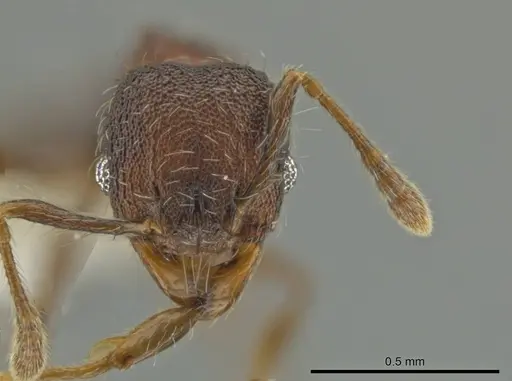
CASENT0617187
View on AntWeb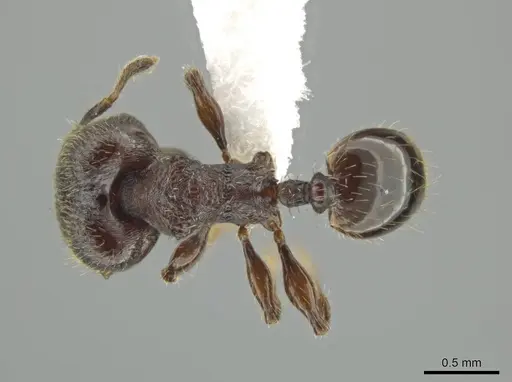
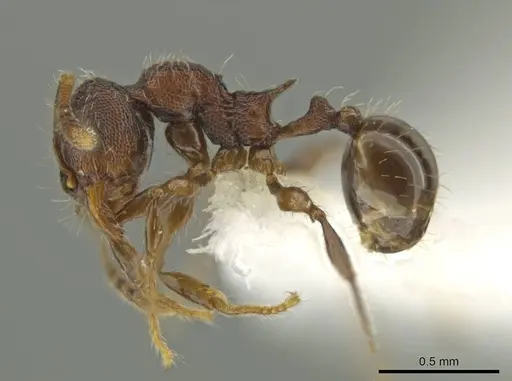
CASENT0617188
View on AntWeb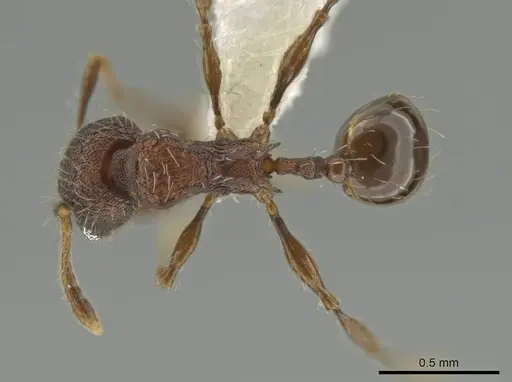
Literature
Loading distribution map...Loading products...