
Pheidole vulgaris
- Sci. Name
- Pheidole vulgaris
- Tribe
- Attini
- Subfamily
- Myrmicinae
- Author
- Eguchi, 2006
- Distribution
- Found in 3 countries
Introduction
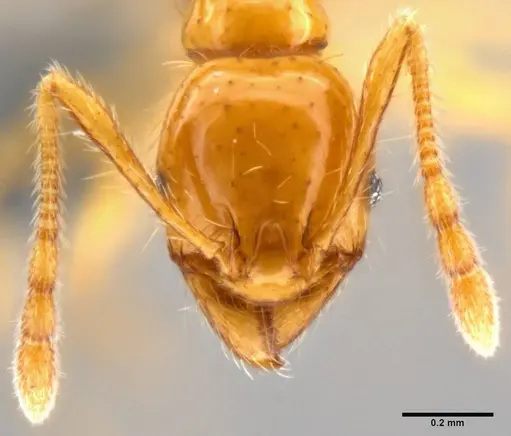
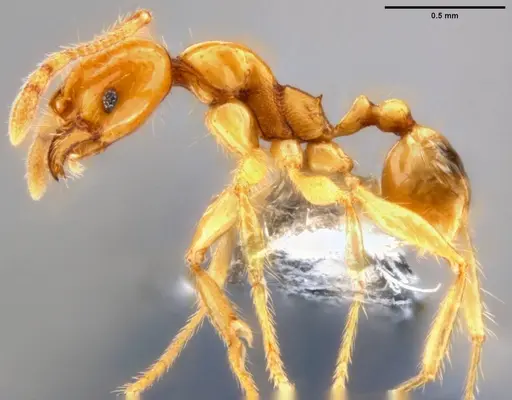
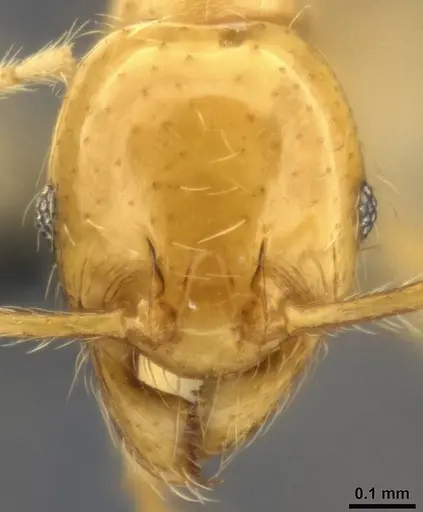
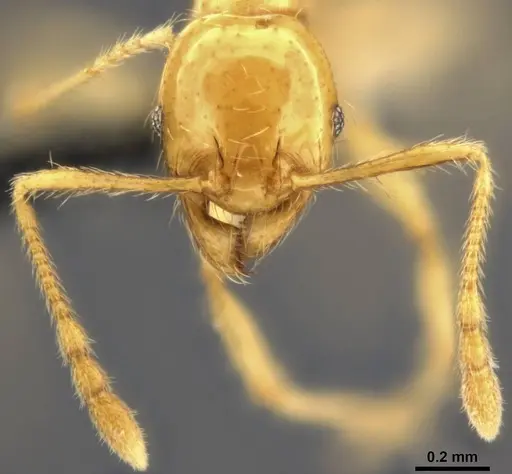
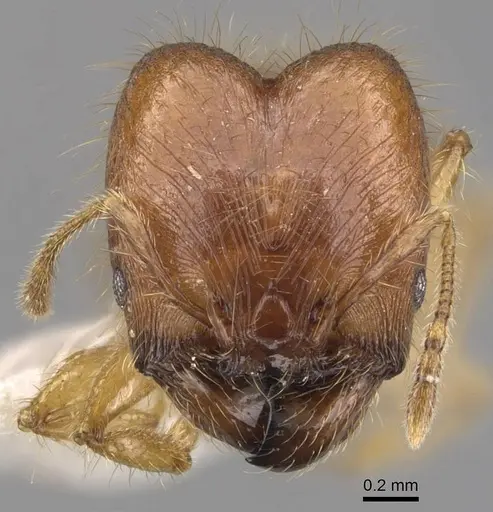
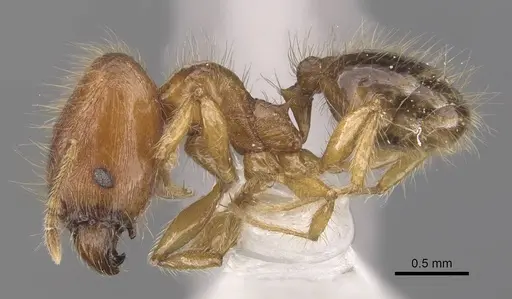
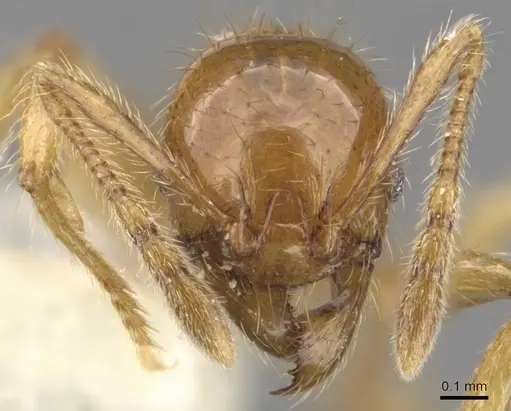
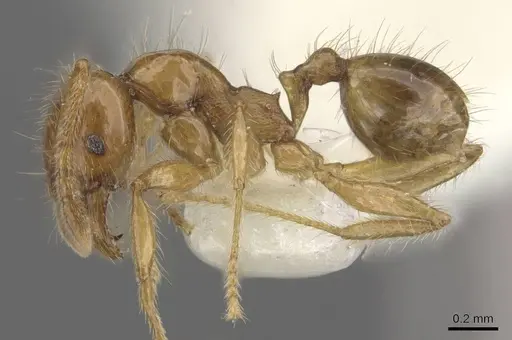
Pheidole vulgaris is a small ant from Southeast Asia, found in Vietnam, southern China, Thailand, and northern India . They live in forests and forest edges, nesting directly in soil . Like most Pheidole, they have two worker castes: majors (soldiers) with larger heads, and minors that handle most tasks. The major's head is mostly smooth, with weak sculpturing near the back corners, and the underside has a pair of distinct tooth-like bumps (submedian processes) . Minors have a completely smooth and shiny head and body . Colonies can have multiple queens – they are at least occasionally polygynous .
Quick Summary
- Difficulty: Medium
- Origin & Habitat: Southeast Asia: Vietnam, southern China, Thailand, and Uttar Pradesh, India [1][2][4]. Occurs from forest edges to well-developed forests, nesting in soil [1].
- Colony Type: At least occasionally polygynous – multiple queens can coexist in a single nest [1]. Founding method is not confirmed in the literature.
- Size & Growth:
- Queen: Size data unavailable (no published measurements).
- Worker: Size data unavailable for total body length. Head length: major 1.18–1.38 mm, minor 0.54–0.61 mm [1]. Inferred from related Pheidole, majors likely reach ~3–5 mm total length, minors ~2–3 mm.
- Colony: Unknown – no published colony size data for this species.
- Growth: Moderate (inferred from genus behavior)
- Development: Unknown – no specific data. Based on typical tropical Pheidole, estimated 6–10 weeks at 24–28°C. (Development time is not confirmed for P. vulgaris. Maintain stable warmth to avoid delays.)
- Antkeeping:
- Temperature: Keep at 24–28°C. This is a tropical/subtropical species from Southeast Asia, so warmth is important for colony activity and brood development. Avoid prolonged temperatures below 20°C.
- Humidity: Keep nest substrate moderately moist. As a soil-nesting forest species, they prefer damp but not waterlogged conditions. Provide a moisture gradient so ants can choose their preferred humidity.
- Diapause: Unknown – likely not required. Being from tropical/subtropical Asia, they probably do not need true hibernation, but activity may slow in cooler conditions.
- Nesting: Soil-nesting species. In captivity, use a naturalistic setup with damp soil, or a Y‑tong/plaster nest that holds moisture. Provide at least 1–2 cm of substrate depth for humidity retention.
- Behavior: Generally non‑aggressive toward keepers, but will defend the nest vigorously if disturbed. Major workers use their enlarged heads for seed processing and defense. They are active foragers, especially at night in the wild. Escape risk is high due to their small size – minors are tiny and can squeeze through tiny gaps, so use tight seals and barrier methods.
- Common Issues: no colony size data makes growth expectations uncertain – be patient., humidity balance is critical – too dry causes brood death, too wet leads to mold., tropical species may struggle in air-conditioned rooms without supplemental heating., minor workers are very small and can escape through standard test tube cotton plugs if not packed tightly., polygynous colonies may have queen conflicts if space is too cramped – provide ample nest volume.
Housing and Nest Setup
Pheidole vulgaris nests in soil in nature [1]. In captivity, a nest with a good moisture-retaining substrate works best. Options include a Y‑tong (AAC) nest with a separate dirt chamber, a plaster nest, or a 3D‑printed nest with a soil base. The chambers should be small – minor workers are tiny (head length ~0.5 mm), so narrow passages and small chambers help them feel secure. Provide an outworld connected via tubing. A water tube or hydration system keeps the nest damp without flooding. Add at least 1–2 cm of substrate to maintain humidity at the bottom.
Feeding and Diet
Pheidole species are generally omnivorous and often collect seeds (granivorous). In captivity, offer a varied diet: small seeds (grass seeds, millet, poppy seeds), protein sources (small crickets, fruit flies, mealworm pieces), and occasional sugar water or honey. Major workers can crack seeds with their large heads. Feed small amounts every 2–3 days and remove leftovers to prevent mold. Always provide a fresh water source.
Temperature and Seasonal Care
As a tropical Southeast Asian ant (recorded from Vietnam, southern China, Thailand, India [1][2]), P. vulgaris needs stable warmth. Keep the nest at 24–28°C for best brood development. Use a heating cable or mat in cooler rooms. Avoid temperatures below 20°C for long periods. No diapause is known – they are likely active year‑round. If activity slows in winter, reduce feeding slightly but continue warming.
Colony Structure and Queen Care
Colonies are at least occasionally polygynous – multiple queens can live together in one nest [1]. This is unusual among ants. When keeping multiple queens, give them plenty of space to reduce stress. The founding method is unconfirmed, but like most Pheidole, queens likely raise the first brood on stored reserves (claustral‑type founding). First workers (nanitics) will be smaller than normal minors.
Growth and Development
No specific development data exists for P. vulgaris. Based on related tropical Pheidole, egg‑to‑worker takes roughly 6–10 weeks at 24–28°C. The colony probably grows at a moderate pace – not as explosively as some invasive species, but steady if kept warm and fed. Expect the first nanitics to appear about 6–8 weeks after a queen starts laying.
Frequently Asked Questions
How long does it take for Pheidole vulgaris to produce first workers?
Estimated 6–10 weeks from egg to first worker at 24–28°C, based on typical Pheidole development. No specific data exists for this species. The first workers will be smaller than normal minors (nanitics).
Can I keep multiple queens together in Pheidole vulgaris?
Yes, this species is polygynous – colonies can have multiple queens. The literature states they are 'at least occasionally polygynous' [1]. If you combine unrelated foundresses, provide a large nest and watch for aggression.
What do Pheidole vulgaris ants eat?
They are omnivorous. Offer small seeds (grass, millet), protein (small insects like fruit flies, pinhead crickets, mealworms), and sugar water or honey occasionally. Major workers can crack seeds.
What temperature do Pheidole vulgaris ants need?
Keep them at 24–28°C. This is a tropical/subtropical species from Southeast Asia. Room temperature may suffice in warm climates, but use a heating cable if your home is cool. Avoid temperatures below 20°C.
Are Pheidole vulgaris ants good for beginners?
Rated Medium difficulty. The main challenges are maintaining warm, humid conditions and preventing escape due to their tiny size. Not as forgiving as hardier temperate species, but manageable with proper setup.
How big do Pheidole vulgaris colonies get?
Colony size is not documented. Based on related Pheidole, colonies likely reach several hundred to a few thousand workers. They are not among the largest Pheidole species.
What type of nest should I use for Pheidole vulgaris?
A naturalistic setup with damp soil or a Y‑tong/plaster nest that holds moisture works best. This is a soil‑nesting species. Provide at least 1–2 cm of substrate depth for humidity, and keep the nest in a warm area.
Report an Issue
The current care sheet is based fully on literature. See inconsistencies, or something that's incorrect? Please , it will be resolved after review from an admin. Contributing to the blogs tab also helps providing information, to make us be able to further improve the caresheets. Thank you for your support!
References

This caresheet is licensed under CC BY-SA 4.0 .
Community Blogs
CASENT0282658
View on AntWeb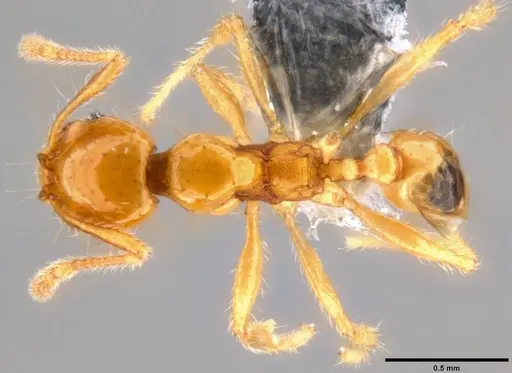
CASENT0282732
View on AntWeb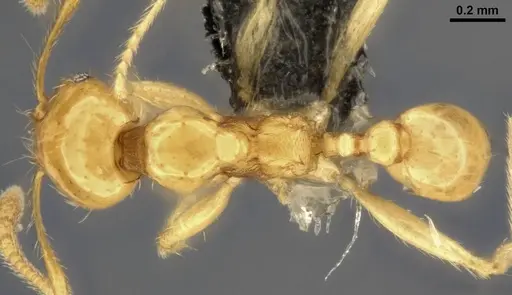
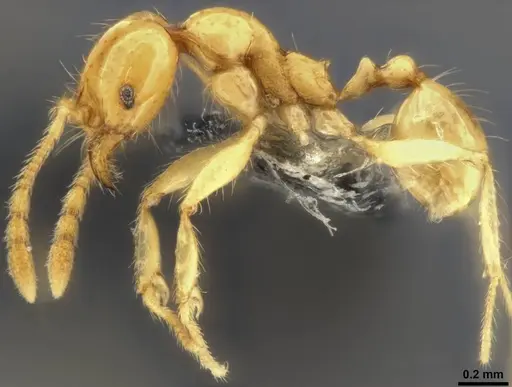
CASENT0905877
View on AntWeb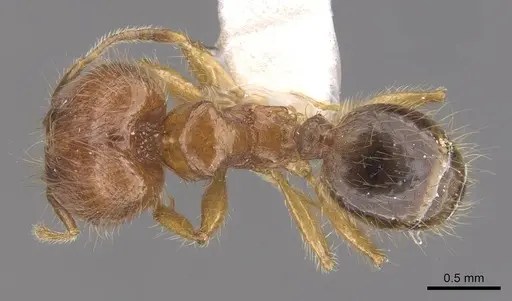
CASENT0905878
View on AntWeb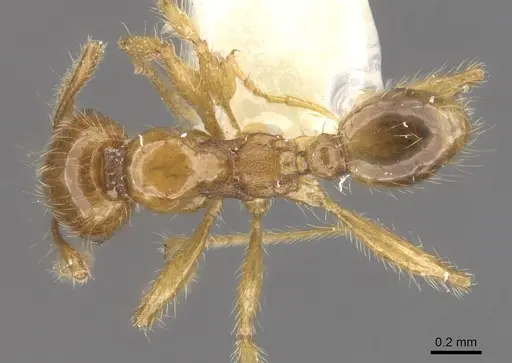
Literature
Loading distribution map...Loading products...