
Pheidole voasara
- Sci. Name
- Pheidole voasara
- Tribe
- Attini
- Subfamily
- Myrmicinae
- Author
- Salata & Fisher, 2020
- Distribution
- Found in 1 countries
Introduction
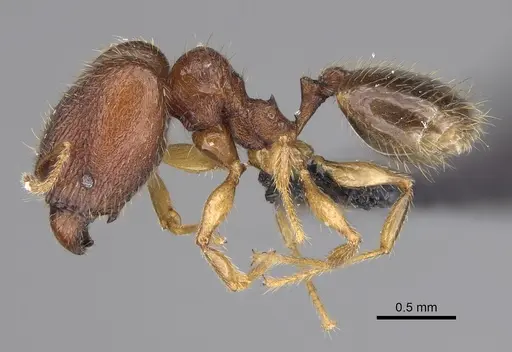
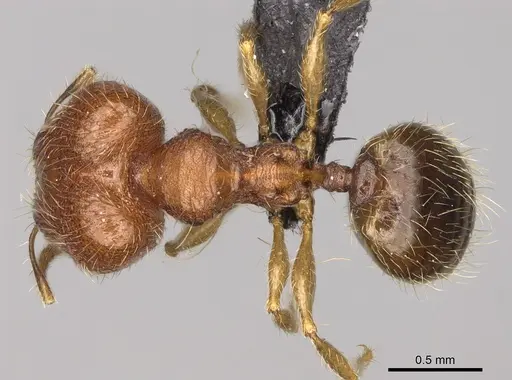
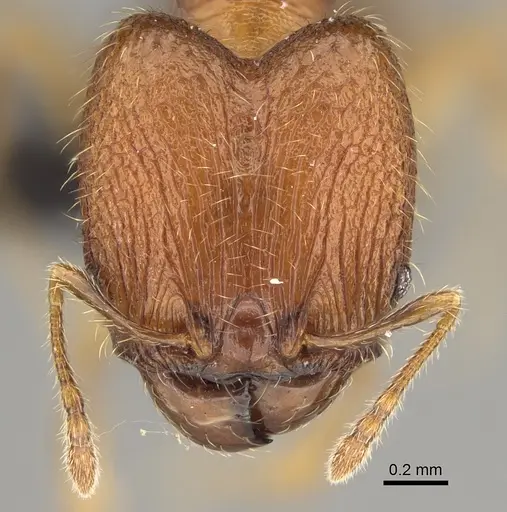
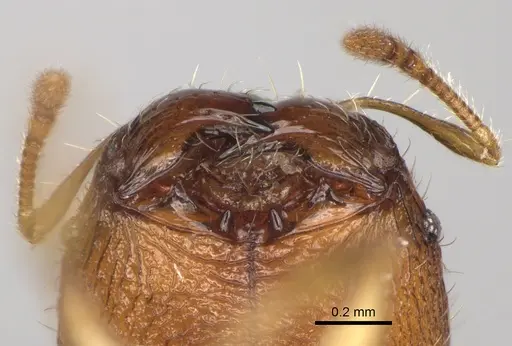
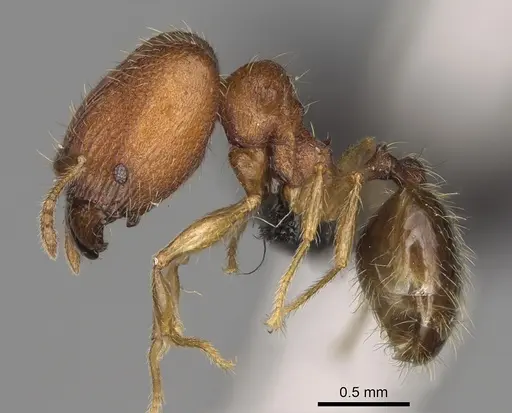
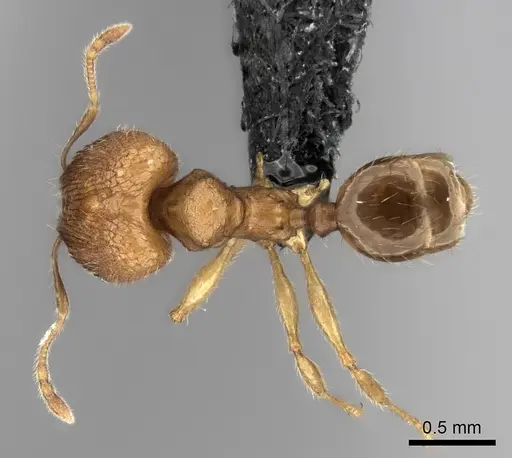
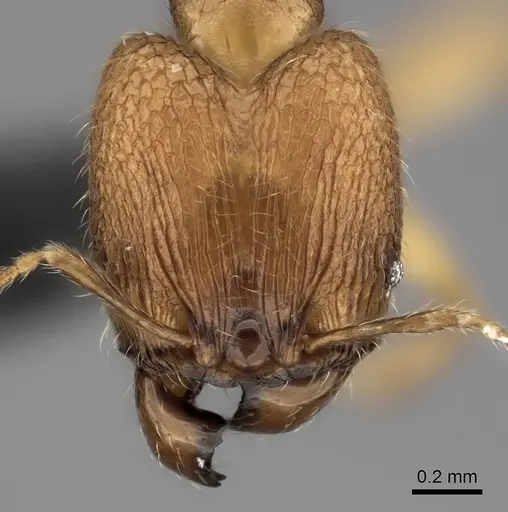
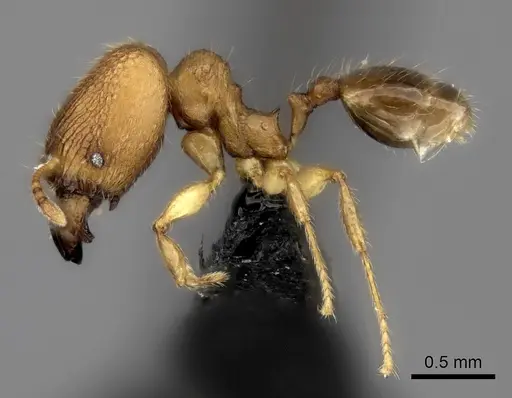
Pheidole voasara is a small ant species native to Madagascar, belonging to the Pheidole lutea species group. It was found in the Réserve Spéciale d'Ambohijanahary at elevations between 725-1100 meters, inhabiting gallery forest and montane rainforest environments . The species name 'voasara' means 'orange' in Malagasy, referring to its bright orange to yellowish-brown body coloration . Major workers have a distinctive oval head with lobe-like outer hypostomal teeth, setting them apart from related species like P. lutea and P. ranohirensis .
Quick Summary
- Difficulty: Medium
- Origin & Habitat: Madagascar, Réserve Spéciale d'Ambohijanahary, Toliara region, in gallery forest and montane rainforest at 725-1100 meters elevation [1].
- Colony Type: Unconfirmed, no specific data on queen number or social structure for this species.
- Size & Growth:
- Queen: Size data unavailable, no total length measurements provided.
- Worker: Size data unavailable, no total length measurements provided for workers.
- Colony: Unknown, no data on colony size for this species.
- Growth: Moderate, inferred from Pheidole genus patterns.
- Development: Unknown, no specific development data for this species. (Development time not studied, based on genus patterns, it may take several weeks under warm conditions.)
- Antkeeping:
- Temperature: Estimated 22-26°C based on montane habitat [1]. Keep stable with a gentle temperature gradient.
- Humidity: Moderate to high, based on rainforest habitat. Keep nest substrate moist but not waterlogged [1].
- Diapause: No, tropical species from Madagascar, unlikely to require hibernation.
- Nesting: Nesting preferences unknown in wild. In captivity, use Y-tong, plaster, or soil nests with moist substrate.
- Behavior: Pheidole species are generally non-aggressive toward keepers. Workers are active foragers. Escape prevention is critical due to small size [3].
- Common Issues: escape prevention is critical due to small size., founding colonies are fragile, queen needs darkness and minimal disturbance., overfeeding can cause mold in test tube setups., wild-caught colonies may carry parasites that can decimate the colony.
Housing and Setup
For founding colonies, a simple test tube setup works well. Fill a test tube one-third with water, plug with a cotton ball to create a water reservoir, and add the queen. Keep the setup in complete darkness and avoid disturbances until the first workers emerge. Once the colony reaches 20-30 workers, move to a formicarium. Use Y-tong, plaster, or soil nests with moist substrate. Escape prevention is critical due to the small size of these ants [3].
Feeding and Diet
Pheidole voasara likely accepts a varied diet similar to other Pheidole species. Offer protein sources such as small insects, and sugar sources like sugar water or honey. Feed small amounts every 2-3 days, removing uneaten food to prevent mold. During founding, the queen does not need food, once workers emerge, begin offering tiny amounts [3].
Temperature and Humidity
Based on their montane rainforest habitat in Madagascar, aim for temperatures around 22-26°C with a gentle gradient [1]. For humidity, maintain moderate to high levels, keep the nest substrate consistently moist but not waterlogged [1].
Colony Development and Growth
Pheidole colonies grow through stages after claustral founding, but specific data for this species is unavailable. Based on genus patterns, first workers may emerge after several weeks under warm conditions. Major workers typically appear later in colony development [3].
Behavior and Observation
Pheidole voasara exhibits typical Pheidole behavior: workers are active foragers, and majors defend the colony. They are not particularly aggressive toward keepers but will respond to threats. Escape prevention is essential due to their small size [3].
Frequently Asked Questions
How long does it take for Pheidole voasara to have first workers?
No specific data is available for this species. Based on Pheidole genus patterns, it may take several weeks under warm conditions, but this is an estimate [3].
What do Pheidole voasara ants eat?
They likely accept a varied diet including small insects for protein and sugar sources like honey water. Feed small amounts every 2-3 days [3].
Can I keep multiple Pheidole voasara queens together?
Not recommended, as there is no data on polygyny for this species. Combining unrelated queens may lead to fighting. Start with a single queen [3].
What temperature do Pheidole voasara ants need?
Estimated 22-26°C based on their montane habitat in Madagascar [1]. Keep temperatures stable with a gentle gradient.
How big do Pheidole voasara colonies get?
Specific colony size data is not available for this species. Typical Pheidole colonies can reach several thousand workers, but this is an inference [3].
Do Pheidole voasara ants need hibernation?
No, as a tropical species from Madagascar, they do not require a true hibernation period.
Are Pheidole voasara good for beginners?
This species is rated as Medium difficulty. The main challenges are the founding stage and escape prevention due to small size. Experience with founding colonies is recommended [3].
When should I move Pheidole voasara to a formicarium?
Wait until the colony has 20-30 workers before moving. Ensure the new nest has similar humidity conditions to prevent stress [3].
Why are my Pheidole voasara dying?
Common causes include disturbance during founding, mold from overfeeding, incorrect temperatures, or parasites from wild-caught colonies. Ensure the queen is in darkness and offer minimal food during founding [3].
Report an Issue
The current care sheet is based fully on literature. See inconsistencies, or something that's incorrect? Please , it will be resolved after review from an admin. Contributing to the blogs tab also helps providing information, to make us be able to further improve the caresheets. Thank you for your support!
References

This caresheet is licensed under CC BY-SA 4.0 .
Community Blogs
Literature
Loading distribution map...Loading products...