
Vista Big-headed Ant
Pheidole vistana
- Sci. Name
- Pheidole vistana
- Tribe
- Attini
- Subfamily
- Myrmicinae
- Author
- Forel, 1914
- Common Name
- Vista Big-headed Ant
- Distribution
- Found in 2 countries
Introduction
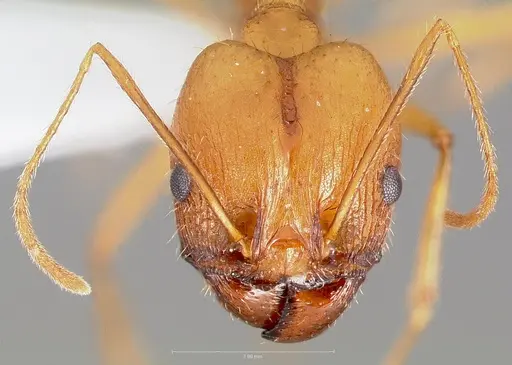
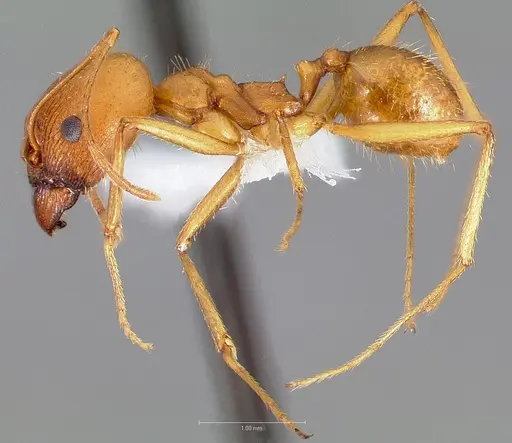
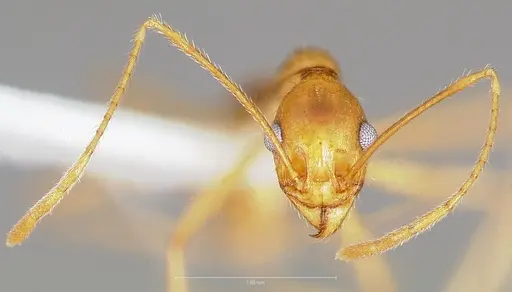
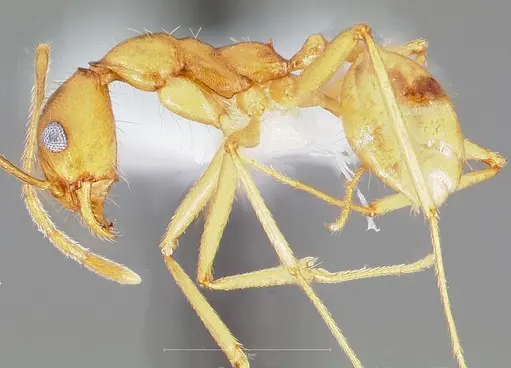
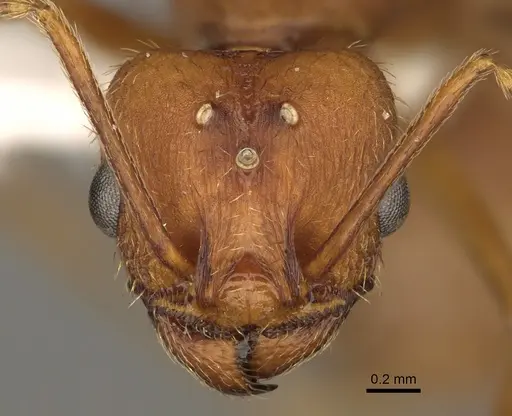
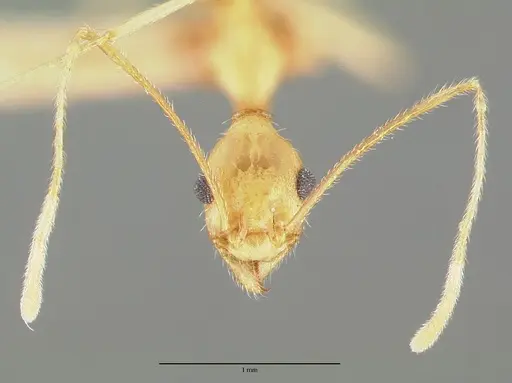
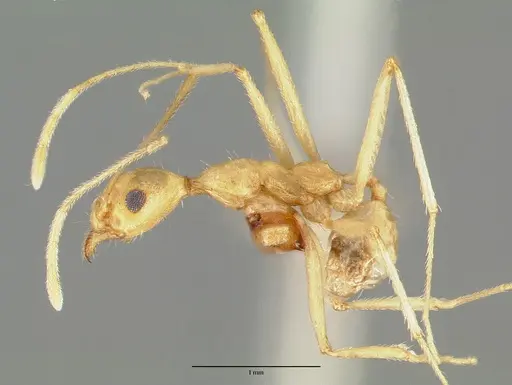
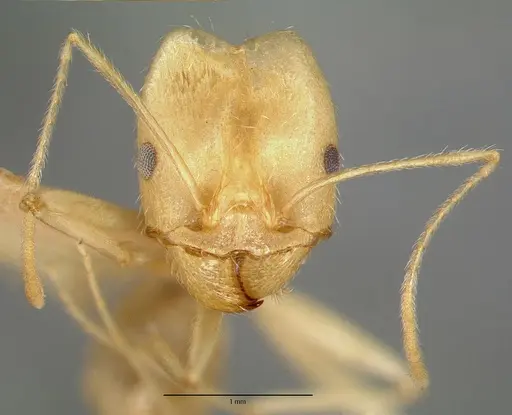
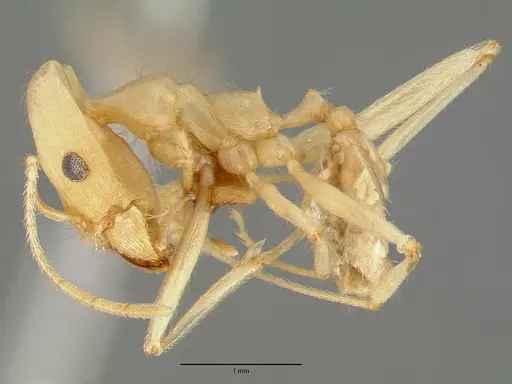
Pheidole vistana is a desert ant found in southern California, Arizona, and northern Mexico . Workers are yellow with extremely long antennae and legs, and minor workers are slender with antennae extending beyond the head . Major workers have larger heads but share the same coloration. This species is called the 'ghost ant' because in dim light, their legs become invisible and their bodies appear to float . They nest under desert trees like palo verde with large crater-shaped entrances . They are strictly nocturnal, emerging at dusk to avoid daytime heat .
Quick Summary
- Difficulty: Medium
- Origin & Habitat: Southern California, Arizona, and northern Mexico (Baja California, Sonora) in desert and semi-arid scrub habitats, typically nesting under palo verde trees in sandy or gravelly soil [3][1][4].
- Colony Type: Monogyne (single queen) colonies, with one queen per colony [3].
- Size & Growth:
- Queen: Size data unavailable, inferred from Pheidole genus patterns: approximately 5-7 mm total length.
- Worker: Size data unavailable, inferred from Pheidole genus patterns: approximately 2-4 mm total length for minor workers.
- Colony: Up to several hundred workers in mature colonies [5].
- Growth: Moderate
- Development: 6-8 weeks, inferred from typical Pheidole development [3]. (Development time varies with temperature, faster in warm conditions.)
- Antkeeping:
- Temperature: Keep nest area warm, roughly 25-30°C, but exact requirements unknown, provide a temperature gradient.
- Humidity: Keep nest substrate lightly moist but allow drying between waterings, as they are desert species [3][4].
- Diapause: Yes, based on geographic range, reduce temperature to 15-18°C for 2-3 months during winter.
- Nesting: Y-tong nests or naturalistic setups with sandy substrate, ensure escape prevention for small workers.
- Behavior: Strictly entomophagous, hunting insects in groups [3][5]. Nocturnal, active at dusk [3][4]. Not aggressive but can become household pests [3].
- Common Issues: entomophagous diet requires constant live insect prey [5]., no sugar acceptance [3]., nocturnal activity means less visible during day [3]., susceptible to Argentine ant invasion [6][7]., desert species needs dry conditions, overwatering causes mold [3].
Housing and Nest Setup
Use Y-tong or naturalistic nests with sandy substrate for Pheidole vistana [3]. Provide a temperature gradient and keep substrate lightly moist but allow drying [3][4]. Escape prevention is important due to small worker size [3].
Feeding and Diet
This species is strictly entomophagous, eating only insects [3][5]. Feed small insects like fruit flies or pinhead crickets every 2-3 days [3]. Do not offer sugar or honeydew [3].
Temperature and Seasonal Care
Keep nest warm, roughly 25-30°C, but exact needs are unknown. During winter, reduce temperature to 15-18°C for 2-3 months to simulate diapause.
Behavior and Foraging
Workers are nocturnal, active at dusk [3][4]. They hunt insects in groups, using mandibles and sticky secretions [3][5].
Colony Development
Colonies grow moderately, reaching several hundred workers [5]. First workers appear in 6-8 weeks [3]. Major workers develop as colonies mature [3].
Ecological Considerations
This species is native and susceptible to Argentine ants [6][7]. Do not release colonies outside their native range [3].
Frequently Asked Questions
Can I keep Pheidole vistana in a test tube?
Yes, test tubes work for founding colonies [3]. Move to a formicarium when the colony has 30-50 workers.
What do Pheidole vistana eat?
They eat only insects, not sugar or honeydew [3][5]. Feed small insects every 2-3 days.
How long until first workers appear?
First workers appear in 6-8 weeks at warm temperatures [3].
Are Pheidole vistana good for beginners?
Medium difficulty due to specific dietary needs and nocturnal activity [3].
Do they need hibernation?
Yes, based on their geographic range, reduce temperature for 2-3 months in winter.
Can I keep multiple queens together?
No, this is a monogyne species with one queen per colony [3].
Why are my ants always hiding during the day?
This is normal, they are nocturnal and active at dusk [3][4].
When should I move to a formicarium?
Move when the colony reaches 30-50 workers [3].
Why are my Pheidole vistana declining?
Common causes include lack of insect prey, overwatering, or Argentine ant invasion [6][7][5].
Report an Issue
The current care sheet is based fully on literature. See inconsistencies, or something that's incorrect? Please , it will be resolved after review from an admin. Contributing to the blogs tab also helps providing information, to make us be able to further improve the caresheets. Thank you for your support!
References

This caresheet is licensed under CC BY-SA 4.0 .
Community Blogs
CASENT0005740
View on AntWeb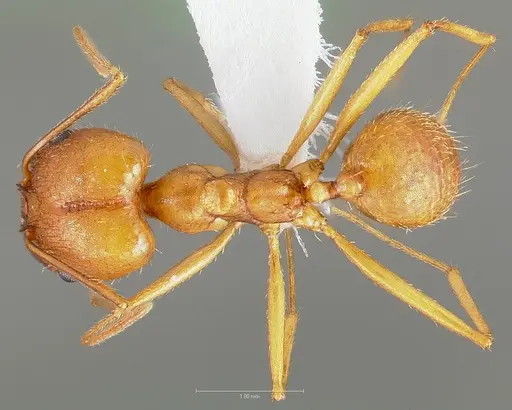
CASENT0005741
View on AntWeb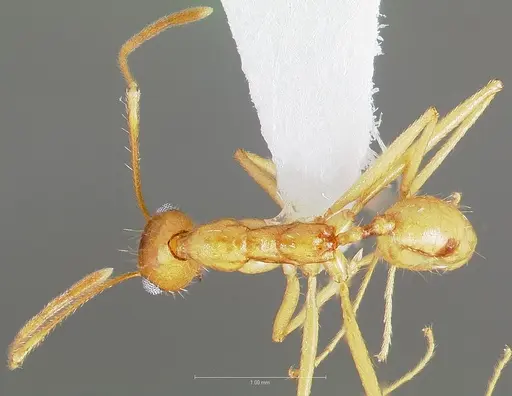
CASENT0863104
View on AntWeb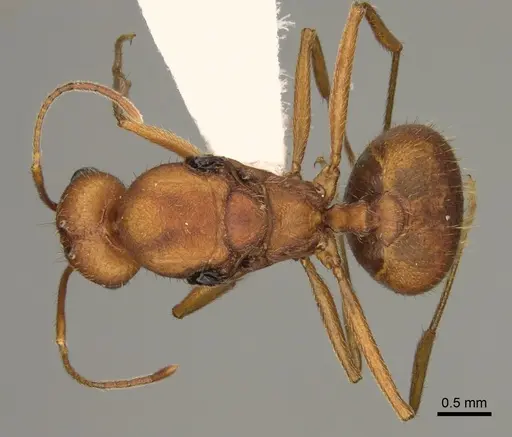
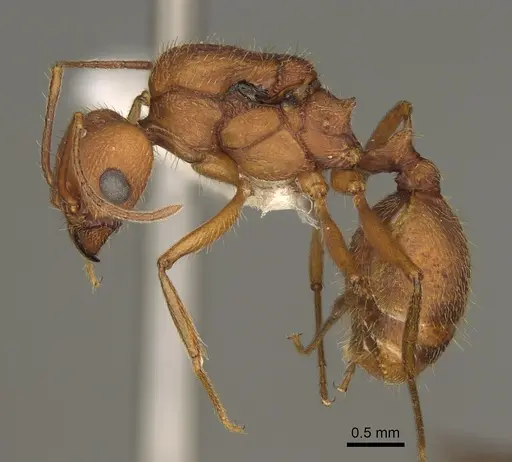
CASENT0908099
View on AntWeb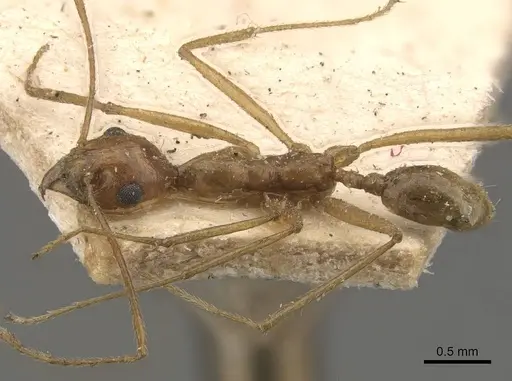
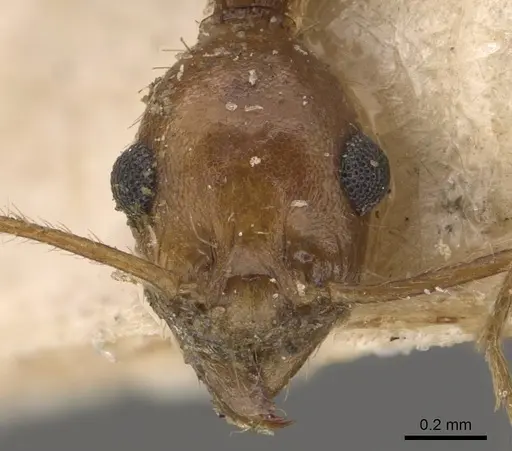
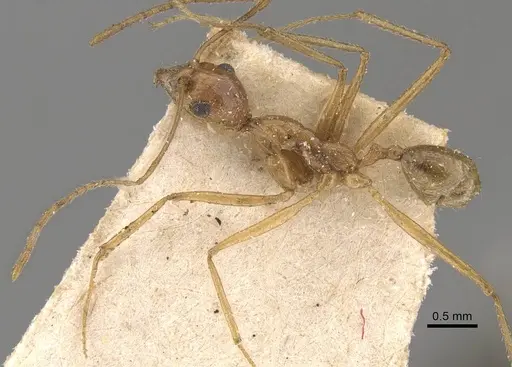
CASTYPE00643
View on AntWeb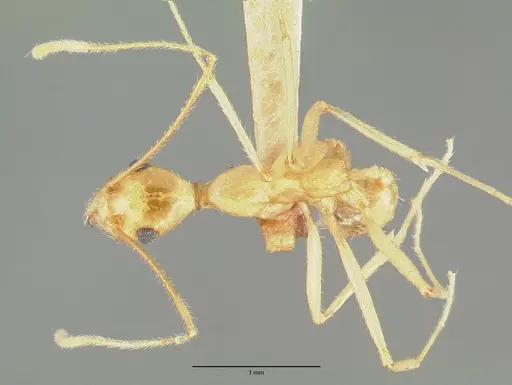
CASTYPE00644
View on AntWeb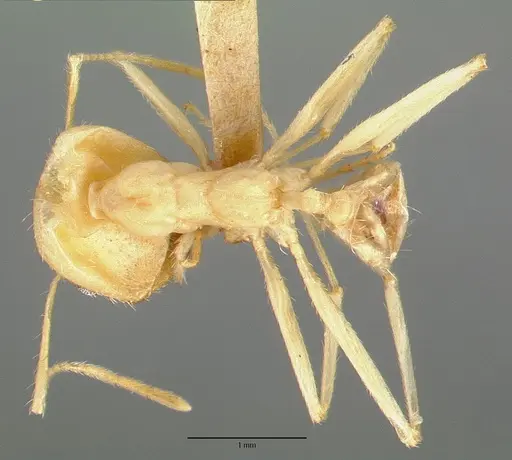
Literature
Loading distribution map...Loading products...