
Pheidole vallifica
- Sci. Name
- Pheidole vallifica
- Tribe
- Attini
- Subfamily
- Myrmicinae
- Author
- Forel, 1901
- Distribution
- Found in 5 countries
Introduction
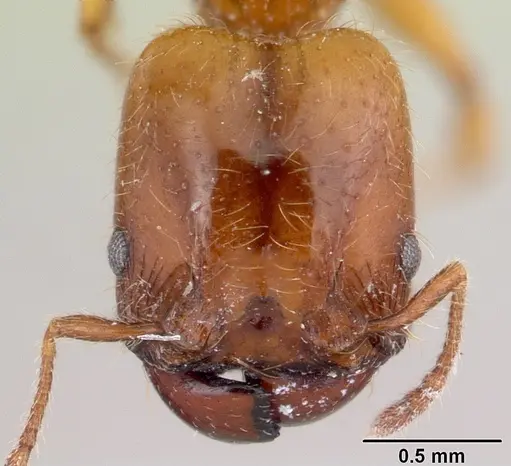
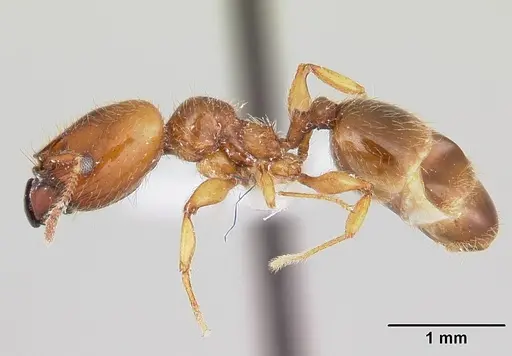
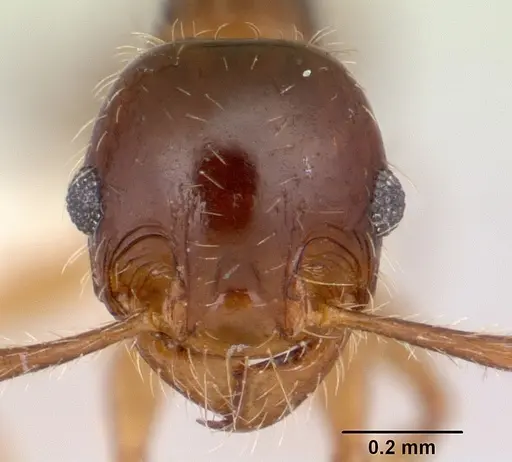
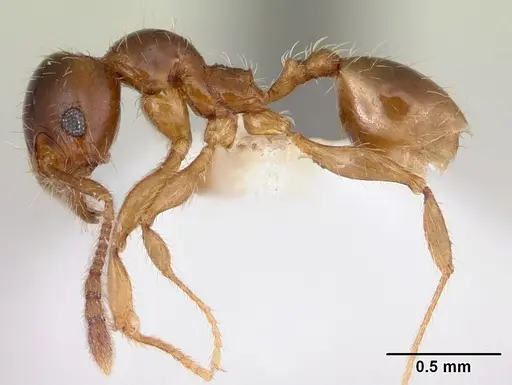
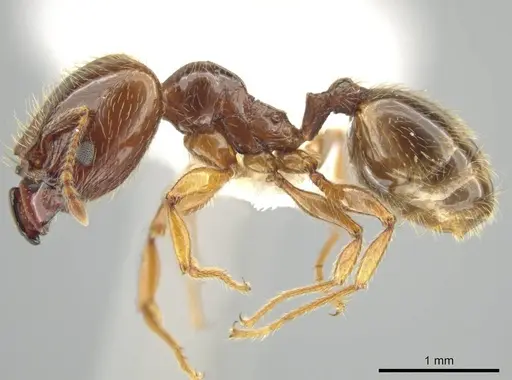
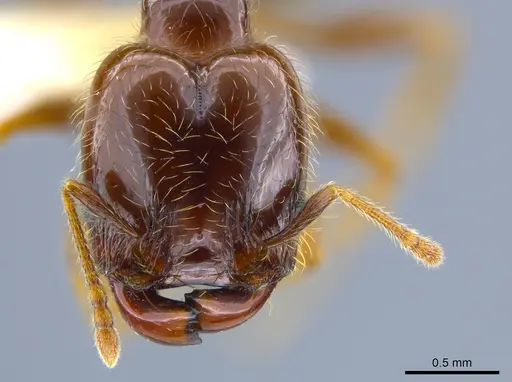
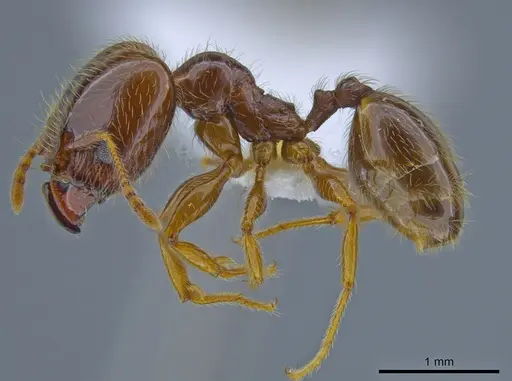
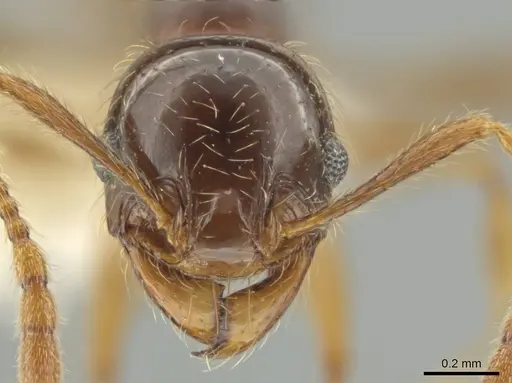
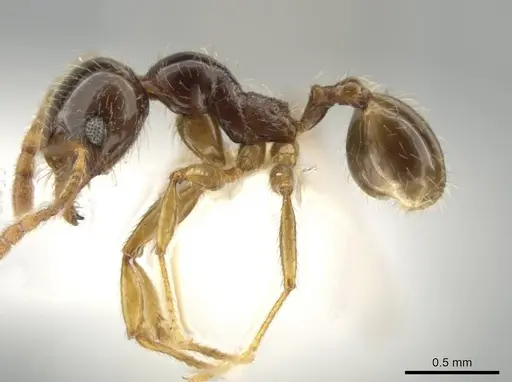
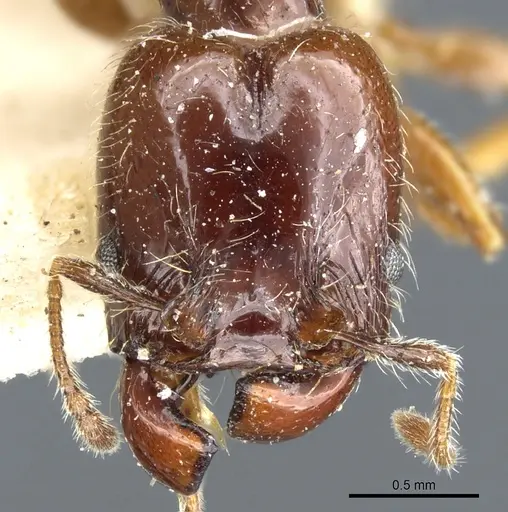
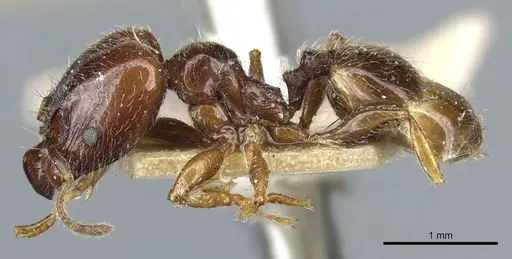
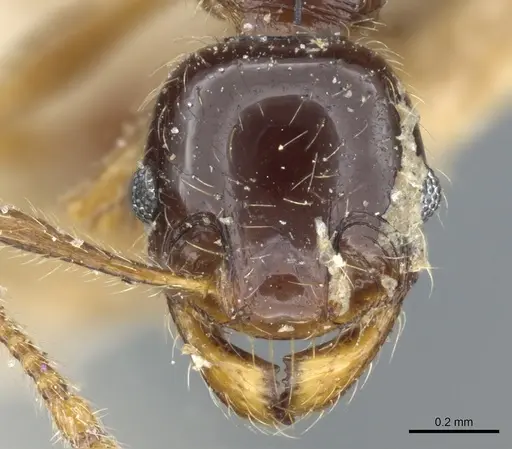
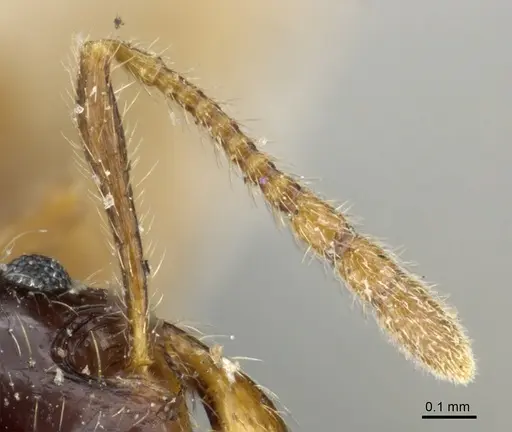
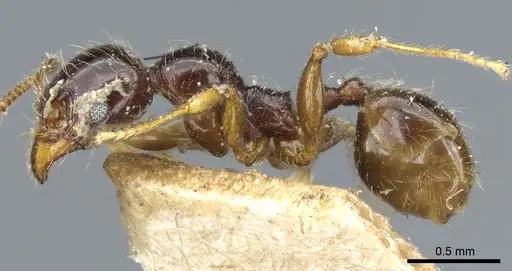
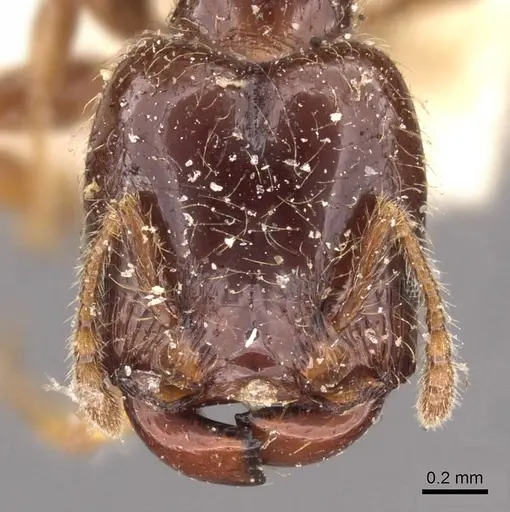
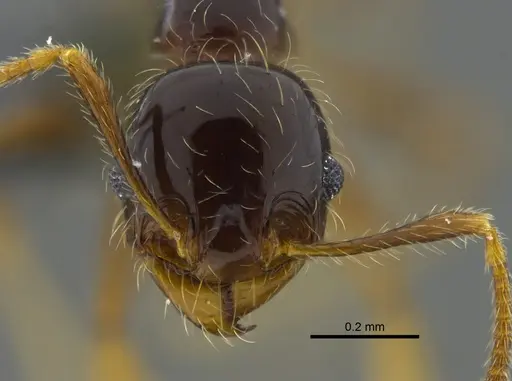
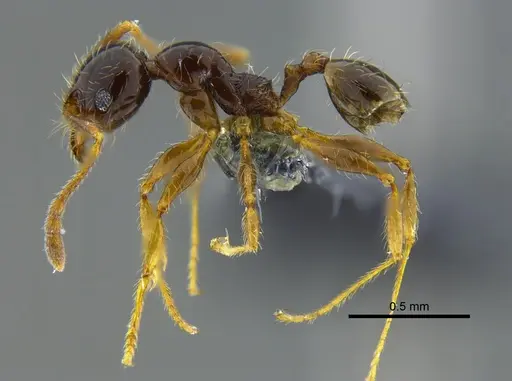
Pheidole vallifica is a small Neotropical ant with a distinctive caste system including major and minor workers. This species belongs to the tristis group and was first described from Colombia in 1901 . Colonies are small, with nests containing few minors and only one or two majors . The range includes Honduras, Costa Rica, Colombia, Brazil, Paraguay, and Argentina, with populations in humid areas like stream edges and banana plantations . They nest in open soil, creating small entrances with semicircular soil piles .
Quick Summary
- Difficulty: Medium
- Origin & Habitat: Neotropical region: Honduras, Costa Rica, Colombia, Brazil, Paraguay, and Argentina. Found in humid sandy soil at stream edges, banana plantations, and open soil areas at various elevations [3][1][2].
- Colony Type: Unconfirmed, research does not specify queen number or social structure.
- Size & Growth:
- Queen: Size data unavailable, no total length measurements provided.
- Worker: Size data unavailable, no total length measurements provided.
- Colony: Small colonies observed in field, with few workers per nest [2].
- Growth: Moderate, inferred from typical Pheidole genus patterns.
- Development: Estimated 6-8 weeks at tropical temperatures, based on genus patterns. (Development time is estimated, direct measurements not available for this species.)
- Antkeeping:
- Temperature: Keep warm, roughly 24-28°C, based on tropical distribution.
- Humidity: Keep substrate consistently moist but not waterlogged, as they nest in humid areas [2].
- Diapause: Unknown, no data on diapause requirements for this species.
- Nesting: Soil-nesting species. Use moist substrate or Y-tong/plaster nests with moisture reservoir [2].
- Behavior: Peaceful species. Major workers can sting but are not aggressive toward humans. Minor workers are small, so escape prevention is important.
- Common Issues: slow colony growth due to small natural size, manage expectations, brood desiccation if humidity is too low, maintain moist substrate, temperature drops can weaken colony, keep stable warmth, parasites in wild-caught colonies, quarantine and observe before introduction
Nest Preferences and Housing
Pheidole vallifica is a soil-nesting species that creates small nests in open ground. In the wild, they nest in humid sandy soil at stream edges and agricultural areas like banana plantations, with entrances surrounded by semicircular soil piles [2]. For captive care, use a moist soil or soil-sand mixture, or a Y-tong/plaster nest with a water reservoir to maintain humidity [2]. Chambers should be scaled to their small size, with a small outworld for foraging.
Feeding and Diet
Like other Pheidole species, this ant is omnivorous and accepts protein and sugar sources. Offer protein-rich foods like small insects and sugar sources such as honey water. Feed protein 2-3 times per week and keep sugar water available continuously. Remove uneaten prey after 24-48 hours to prevent mold.
Temperature and Seasonal Care
As a tropical species, Pheidole vallifica requires warm temperatures year-round. Keep the nest area at roughly 24-28°C, with a gentle gradient if possible. Avoid temperature drops below 22°C, as prolonged cool periods can weaken the colony. No diapause is needed, but stability is key. [3][1]
Colony Structure and Development
Pheidole vallifica colonies are small, with observations of few minors and only one or two majors per nest [2]. This is unusual for the genus. Queens have not been measured, and development from egg to worker is estimated at 6-8 weeks at tropical temperatures. Colonies grow slowly due to their natural size.
Behavior and Temperament
This is a peaceful species. Major workers can sting but are not aggressive and rarely use it. Workers are active foragers, and minor workers are small, so standard escape prevention methods should be used. The species is not known for high aggression toward humans.
Frequently Asked Questions
How long does it take for Pheidole vallifica to produce first workers?
Estimated 6-8 weeks from egg to first worker at optimal temperatures (24-28°C), based on typical Pheidole genus patterns.
What do Pheidole vallifica ants eat?
They are omnivorous. Offer small insects for protein 2-3 times per week and keep sugar water available at all times.
Do Pheidole vallifica ants need hibernation?
Unknown, no data on diapause requirements. As a tropical species, they likely do not need hibernation, but keep temperatures stable.
How big do Pheidole vallifica colonies get?
Colonies remain small, with observations of few workers per nest in the wild [2]. Exact maximum size is unknown.
Can I keep multiple Pheidole vallifica queens together?
Unconfirmed, research does not specify queen number. Pheidole species are often monogyne, but combining queens is not documented and may result in fighting.
What size nest do I need for Pheidole vallifica?
Use a small nest scaled to their size, such as a Y-tong nest with small chambers or a naturalistic setup with moist soil [2].
Are Pheidole vallifica good for beginners?
Medium difficulty. Challenges include maintaining humidity and warmth for a tropical species, and accepting slow colony growth.
What temperature should I keep Pheidole vallifica at?
Keep them warm, roughly 24-28°C, based on their tropical distribution.
Why are there so few major workers in my colony?
This is normal for the species. Field observations show nests with only one or two majors [2].
How often should I feed Pheidole vallifica?
Offer protein 2-3 times per week and keep sugar water available continuously. Remove uneaten prey after 24-48 hours.
Report an Issue
The current care sheet is based fully on literature. See inconsistencies, or something that's incorrect? Please , it will be resolved after review from an admin. Contributing to the blogs tab also helps providing information, to make us be able to further improve the caresheets. Thank you for your support!
References

This caresheet is licensed under CC BY-SA 4.0 .
Community Blogs
CASENT0178065
View on AntWeb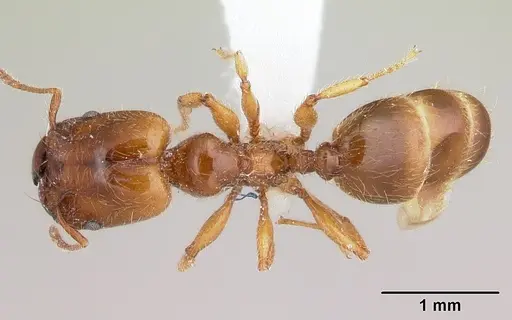
CASENT0178066
View on AntWeb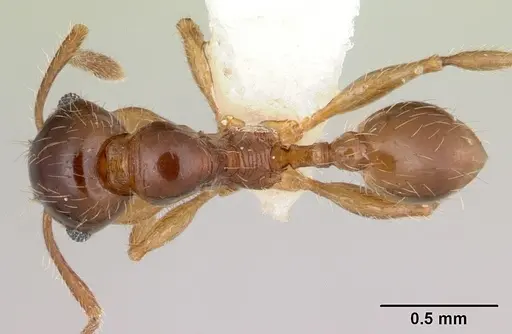
CASENT0635689
View on AntWeb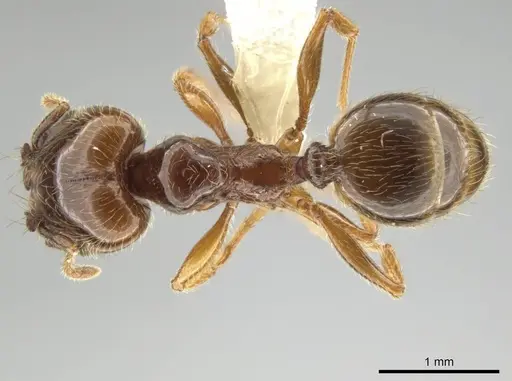
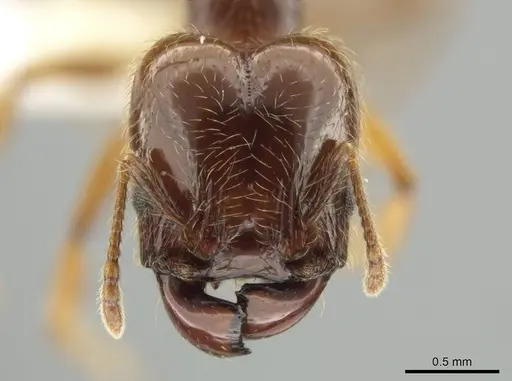
CASENT0635690
View on AntWeb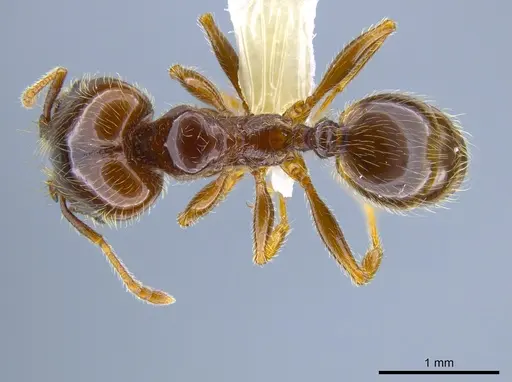
CASENT0635691
View on AntWeb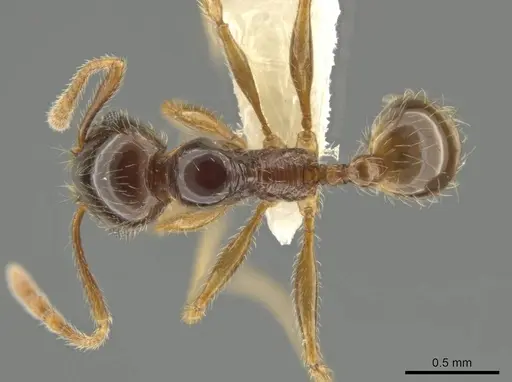
CASENT0904316
View on AntWeb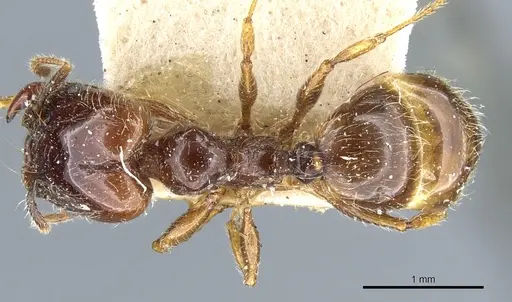
CASENT0904317
View on AntWeb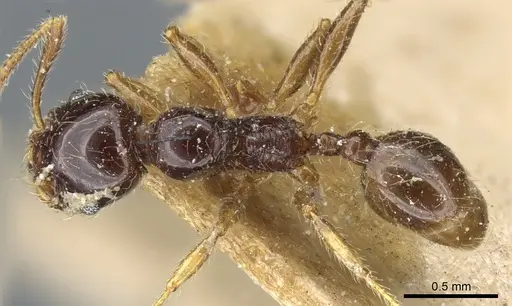
CASENT0908210
View on AntWeb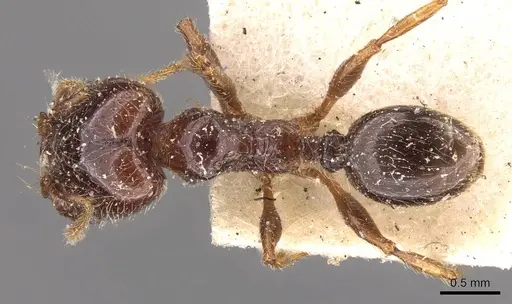
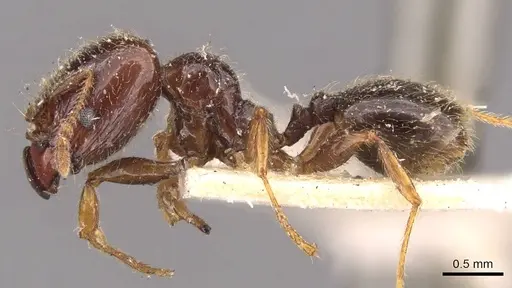
CASENT0908211
View on AntWeb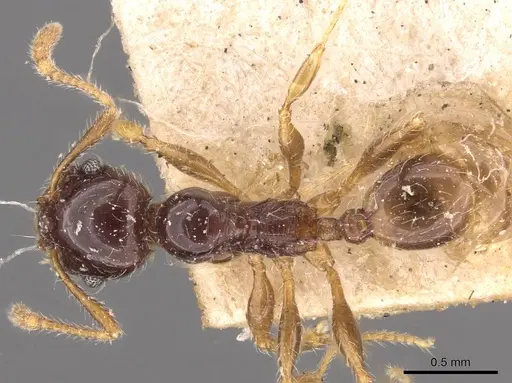
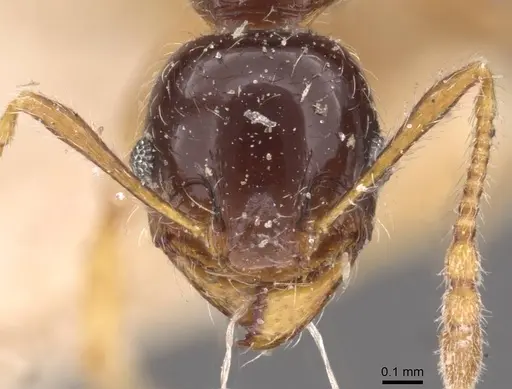
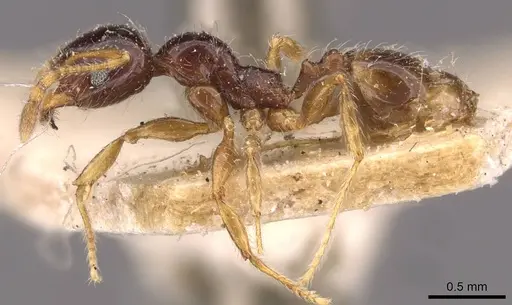
CBUMAGENT40736
View on AntWeb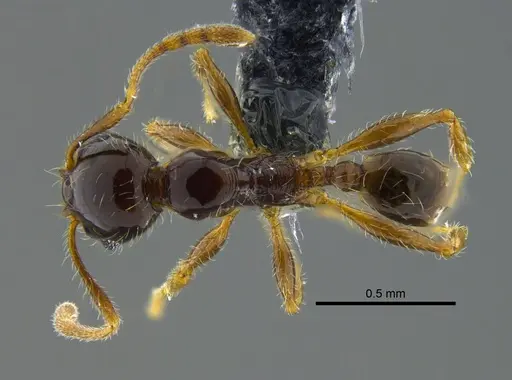
Literature
Loading distribution map...Loading products...