
Pheidole ulothrix
- Sci. Name
- Pheidole ulothrix
- Tribe
- Attini
- Subfamily
- Myrmicinae
- Author
- Wilson, 2003
- Distribution
- Found in 3 countries
Introduction
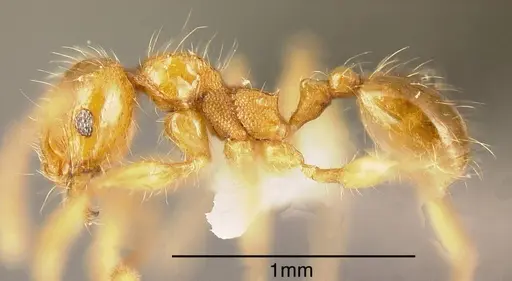
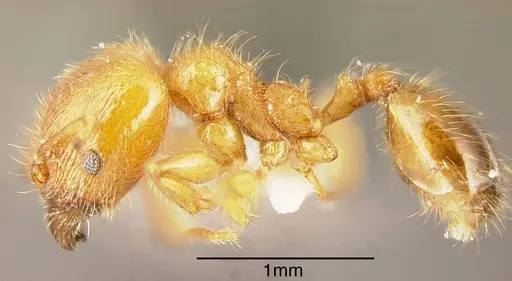
Pheidole ulothrix is a medium-sized tropical ant native to the wet forests of Costa Rica and Panama . The species name 'ulothrix' means 'woolly haired' in Greek, referring to the curved hairs on major workers . Majors have enlarged heads for seed-crushing, while minors are smaller. This species was described by E.O. Wilson in 2003 from specimens in Braulio Carillo National Park . Majors have specialized heads for defense and seed processing .
Quick Summary
- Difficulty: Medium
- Origin & Habitat: Wet tropical forests of Costa Rica and Panama, Atlantic slope region [1].
- Colony Type: Colony structure is unconfirmed for this species.
- Size & Growth:
- Queen: Size data unavailable, inferred from Pheidole genus (~7mm)
- Worker: Size data unavailable, inferred from Pheidole genus, up to 4mm for majors
- Colony: Up to several thousand workers (inferred from Pheidole genus patterns)
- Growth: Moderate (inferred from genus patterns)
- Development: 6-8 weeks (estimated based on tropical Pheidole development) (Development time is estimated as this species has not been specifically studied.)
- Antkeeping:
- Temperature: Keep warm at 24-28°C. Inferred from tropical habitat [1].
- Humidity: Keep nest substrate consistently moist but not waterlogged. Inferred from wet forest habitat [1].
- Diapause: No, tropical species do not require hibernation. Inferred from habitat.
- Nesting: Use Y-tong, plaster, or soil nests with good humidity retention. Inferred from natural nesting habits [1].
- Behavior: Pheidole ulothrix is not aggressive toward keepers but majors can sting if handled. They are active foragers. Escape risk is moderate due to their size. Based on genus patterns.
- Common Issues: cold temperatures can stress or kill colonies, keep warm consistently, dry conditions can cause colony decline, maintain high humidity, majors develop later than minors, early workers may all be minors, wild-caught colonies may carry parasites that affect captive survival
Housing and Nest Setup
Pheidole ulothrix does well in setups that retain humidity. Use a Y-tong (AAC) nest, plaster nest, or soil nest with good humidity retention [1]. Connect the nest to an outworld for foraging. Because majors can crack seeds, provide substrate in the outworld. Use standard escape prevention with fluon barriers.
Feeding and Diet
Pheidole ants are omnivorous with a preference for seeds. Offer a seed mix as a staple, majors will process seeds. Provide protein from small insects like fruit flies or pinhead crickets. Offer sugar water or honey for energy. Feed seeds continuously and protein 2-3 times per week.
Temperature and Humidity
Maintain temperatures between 24-28°C using a heating cable if needed. Keep humidity high with consistently moist substrate [1]. Avoid cold drafts and dry conditions.
Colony Development
Queens may seal themselves in a chamber to raise first brood, but founding behavior is unconfirmed. The first workers are typically minors, with majors appearing later. Colony growth is moderate, taking months to establish.
Behavior and Defense
Minor workers handle foraging and brood care. Major workers have enlarged heads for defense and can sting if threatened. Workers are active foragers and use chemical trails.
Frequently Asked Questions
How long does it take for Pheidole ulothrix to raise first workers?
Expect 6-8 weeks from egg to first worker at warm temperatures, estimated based on tropical Pheidole development.
What do I feed Pheidole ulothrix?
Offer a mix of seeds as a staple food, plus protein from small insects like fruit flies or pinhead crickets. Sugar water or honey can be provided for energy.
What temperature do Pheidole ulothrix need?
Keep them warm at 24-28°C, inferred from their tropical habitat [1].
Do they need hibernation?
No, as a tropical species, they do not require hibernation and should be kept warm year-round.
How big do Pheidole ulothrix colonies get?
Colony size data is unavailable, but typical Pheidole colonies can reach up to several thousand workers, inferred from genus patterns.
Can I keep multiple queens together?
Not recommended, as colony structure is unconfirmed for this species. Combining queens may result in fighting.
When do major workers appear?
Majors typically develop after the colony has several workers, but exact timing is unconfirmed.
What humidity level do they need?
High humidity is essential, keep the nest substrate consistently moist but not waterlogged, inferred from wet forest habitat [1].
Are Pheidole ulothrix good for beginners?
They are rated as medium difficulty due to needs for consistent warmth and humidity. Experience with tropical ants is helpful.
Report an Issue
The current care sheet is based fully on literature. See inconsistencies, or something that's incorrect? Please , it will be resolved after review from an admin. Contributing to the blogs tab also helps providing information, to make us be able to further improve the caresheets. Thank you for your support!
References

This caresheet is licensed under CC BY-SA 4.0 .
Community Blogs
CASENT0635538
View on AntWeb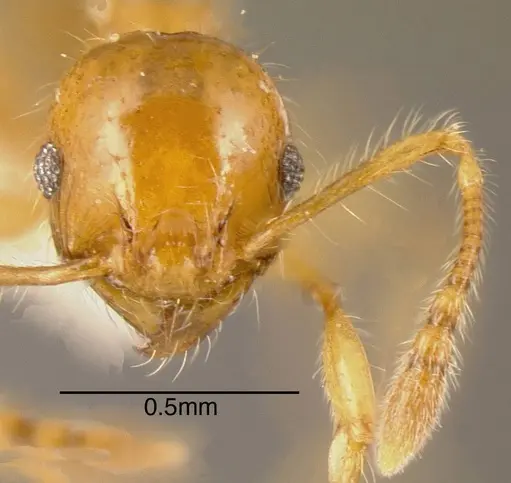
INBIOCRI002279936
View on AntWeb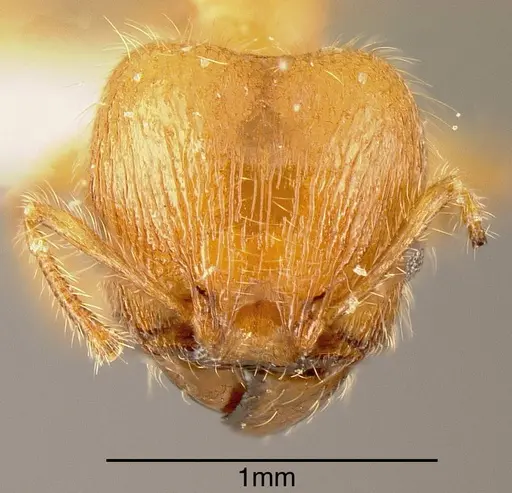
Literature
Loading distribution map...Loading products...