
Pheidole typhlos
- Sci. Name
- Pheidole typhlos
- Tribe
- Attini
- Subfamily
- Myrmicinae
- Author
- Salata & Fisher, 2020
- Distribution
- Found in 1 countries
Introduction
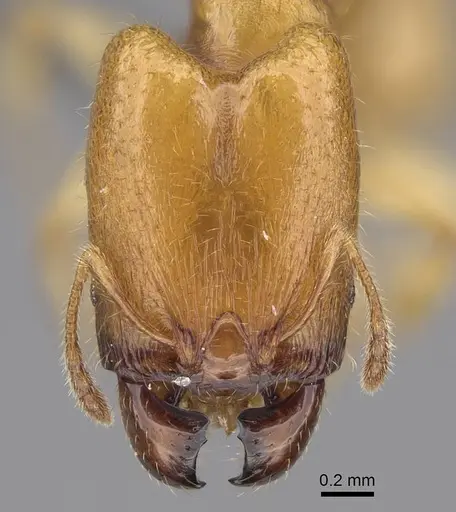
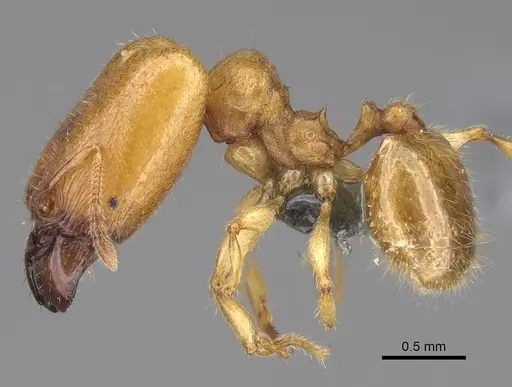
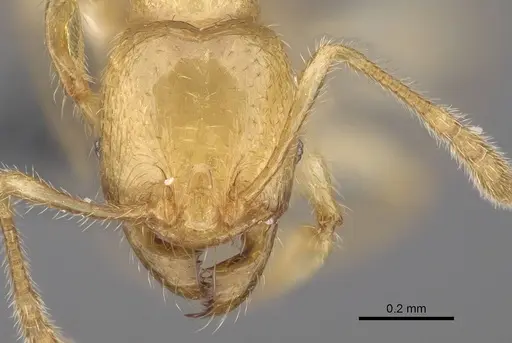
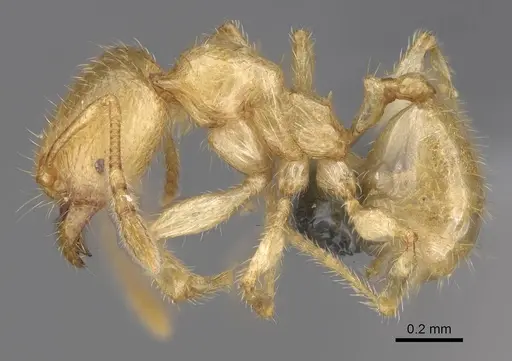
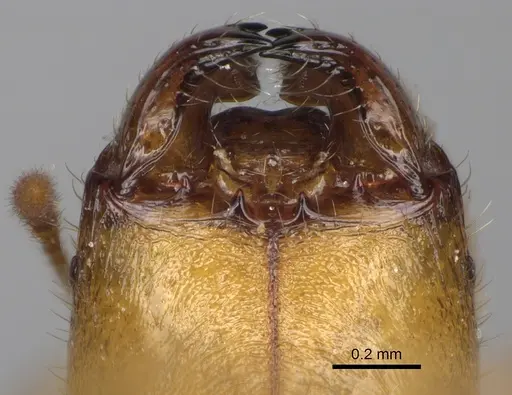
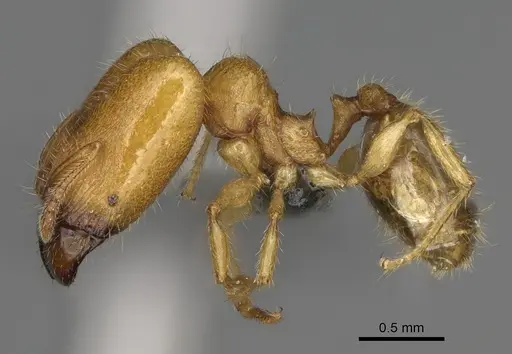
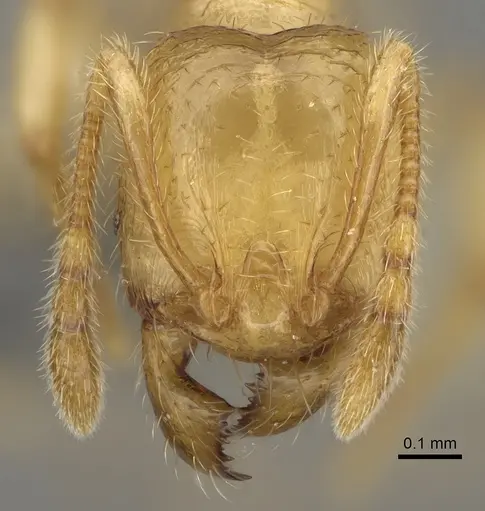
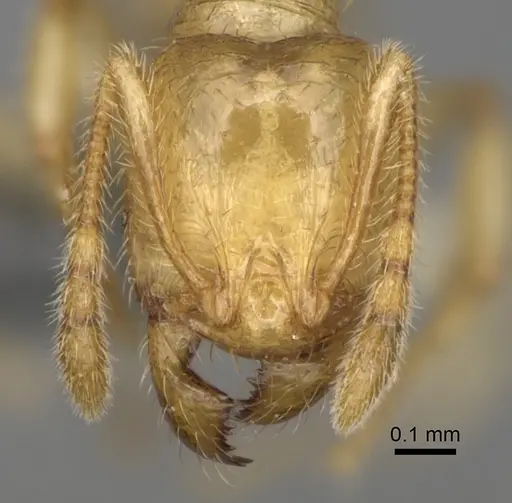
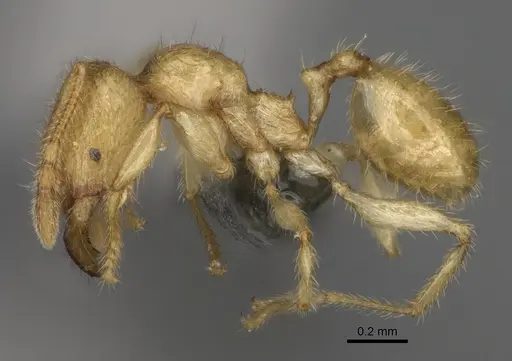
Pheidole typhlos is a tiny yellow ant from Madagascar, described in 2020. It belongs to the Pheidole lutea species group and has notably reduced eyes, which is why its name means 'blind' in Greek . Body size data is not available, but major workers are larger than minors. This species is found in montane rainforests at elevations between 520 and 980 meters in northern Madagascar . The most distinctive feature of Pheidole typhlos is its reduced eyes, which suggest it relies more on chemical and tactile cues than vision for navigation and communication .
Quick Summary
- Difficulty: Medium
- Origin & Habitat: Northern Madagascar, specifically the Antsiranana region at Mont Galoko in the Galoko chain. Found in rainforest and montane forest habitats at 520-980 m elevation [1][2].
- Colony Type: Colony structure is unconfirmed for this species. Based on typical Pheidole genus patterns, most species are monogyne (single queen colonies), but this has not been documented for P. typhlos.
- Size & Growth:
- Queen: Size data unavailable, no body length measurements provided in research.
- Worker: Size data unavailable, no body length measurements provided in research.
- Colony: Unknown, no colony size data available.
- Growth: Unknown, inferred to be moderate based on typical Pheidole genus patterns.
- Development: Estimated 4-8 weeks at optimal temperatures, but no specific data exists for this species. (Development speed depends on temperature, warmer conditions (24-28°C) may speed up growth, while cooler temperatures slow it down.)
- Antkeeping:
- Temperature: Based on their rainforest origin, keep them warm at roughly 24-28°C. A heating cable can create a gentle gradient.
- Humidity: Keep the nest substrate consistently moist but not waterlogged, as they are from humid environments.
- Diapause: Unknown, no data on hibernation requirements for this species.
- Nesting: Nesting preferences are unknown in the wild [2]. In captivity, standard test tube setups work for founding colonies, and Y-tong nests with narrow chambers are suitable once established.
- Behavior: These ants are small and likely quick-moving. Pheidole species are generally not aggressive but will defend their nest if threatened. They have a sting, but no specific data on potency for this species. Escape prevention is critical due to their tiny size, minor workers can easily slip through standard barriers.
- Common Issues: escape prevention is critical, minor workers are very small and can squeeze through gaps, humidity management is challenging, too dry causes brood death, too wet causes mold, no species-specific care data exists, keepers must adapt from related species, slow founding phase, Pheidole queens may take time to lay first eggs, patience is required, wild-caught colonies may carry parasites that can harm captive colonies
Housing and Setup
For founding colonies, use a standard test tube setup with water and cotton plug to maintain humidity. Wrap the tube in foil to create a dark environment. Once the colony has workers, move to a small formicarium like Y-tong nests with narrow chambers scaled to their tiny size. Always use fine mesh and tight-fitting lids to prevent escapes, as minor workers are very small [1].
Feeding and Diet
Pheidole species are typically omnivorous. Offer small protein sources like fruit flies or mealworm pieces, and carbohydrates like sugar water or honey. Feed small amounts 2-3 times per week, removing uneaten food to prevent mold.
Temperature and Humidity
Maintain temperatures around 24-28°C, as they are from warm rainforests. Keep humidity high by ensuring the nest substrate is moist but not waterlogged.
Colony Development
Colonies grow through major and minor worker castes. Development from egg to worker is estimated at 4-8 weeks at optimal temperatures, but no specific data exists. The first workers are typically smaller, and growth accelerates as the colony establishes [1].
Unique Characteristics
The reduced eyes of Pheidole typhlos are a key feature, indicating reliance on non-visual cues [1]. Major workers have distinctive mouthparts that help distinguish this species from relatives.
Frequently Asked Questions
How long does it take for Pheidole typhlos to produce first workers?
The exact timeline is unknown, but based on typical Pheidole development, expect first workers within 4-8 weeks at optimal temperatures (24-28°C).
What do Pheidole typhlos ants eat?
They are omnivorous like most Pheidole species. Offer small protein sources and carbohydrates, such as fruit flies and sugar water.
Are Pheidole typhlos good for beginners?
This species is not well-documented, so it may be challenging for beginners. Experience with other Pheidole species is helpful.
How big do Pheidole typhlos colonies get?
The maximum colony size is unknown for this species.
What temperature do Pheidole typhlos need?
Keep them warm at roughly 24-28°C, as they are from tropical Madagascar.
Do Pheidole typhlos need hibernation?
Hibernation requirements are unknown for this species. As a tropical ant, they likely do not require true hibernation.
Why are my Pheidole typhlos escaping?
Minor workers are extremely tiny and can squeeze through small gaps. Use fine mesh and tight-fitting barriers to prevent escapes [1].
Can I keep multiple Pheidole typhlos queens together?
This has not been documented. Most Pheidole are monogyne, so combining queens is not recommended without specific information.
When should I move Pheidole typhlos to a formicarium?
Wait until the colony has workers and is actively foraging. Ensure the formicarium has appropriately sized chambers for their tiny workers.
Report an Issue
The current care sheet is based fully on literature. See inconsistencies, or something that's incorrect? Please , it will be resolved after review from an admin. Contributing to the blogs tab also helps providing information, to make us be able to further improve the caresheets. Thank you for your support!
References

This caresheet is licensed under CC BY-SA 4.0 .
Community Blogs
CASENT0279339
View on AntWeb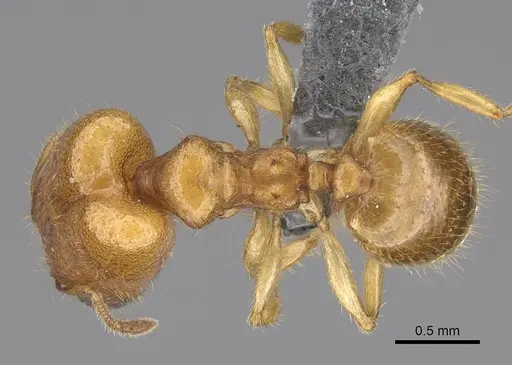
CASENT0279340
View on AntWeb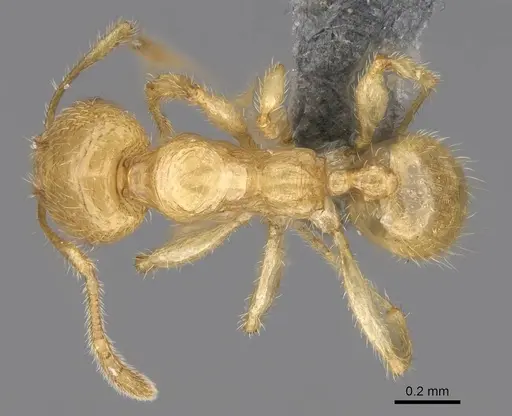
CASENT0302953
View on AntWeb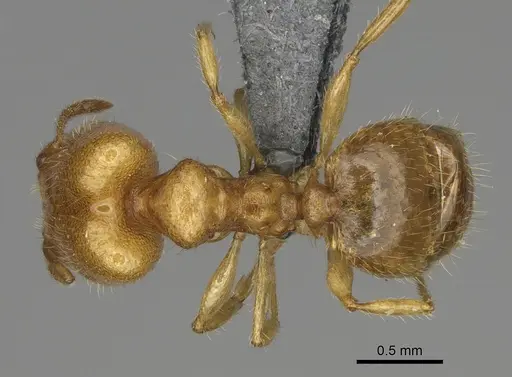
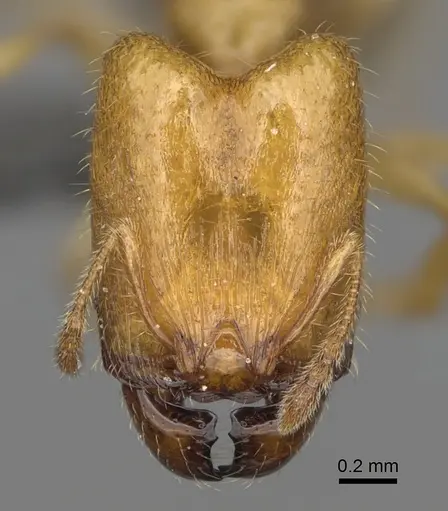
CASENT0923217
View on AntWeb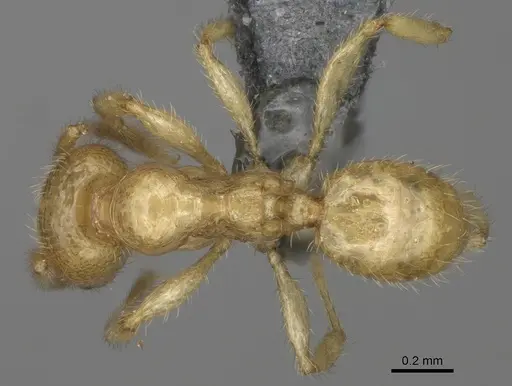
Literature
Loading distribution map...Loading products...