
Pheidole turneri
- Sci. Name
- Pheidole turneri
- Tribe
- Attini
- Subfamily
- Myrmicinae
- Author
- Forel, 1902
- Distribution
- Found in 1 countries
Introduction
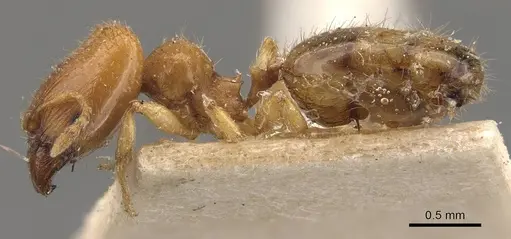
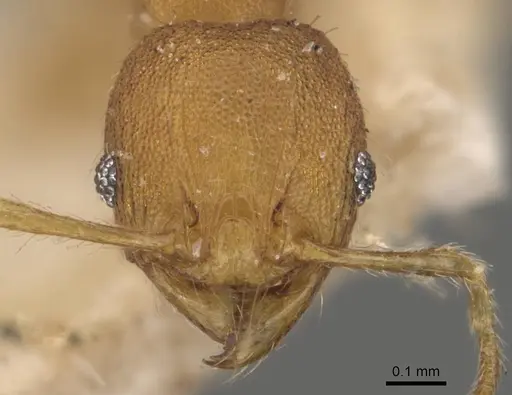
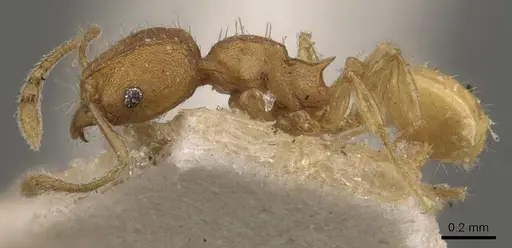
Pheidole turneri is an Australian 'big-headed ant' species in the subfamily Myrmicinae. These ants have major workers with disproportionately large heads used for seed processing and defense. Workers are small, inferred to be around 2-4mm based on Pheidole genus patterns, while majors are slightly larger. The species is native to Australia, inhabiting various terrestrial environments . In Western Australia, it is documented in ant fauna surveys . This species is typical of the Pheidole genus - active foragers that collect seeds and small insects. They are not aggressive but will defend their nest if threatened. Major workers can deliver a mild sting based on subfamily characteristics. Colonies grow moderately and can reach several thousand workers over time. They are a good intermediate-level species for observing the interaction between minor and major workers.
Quick Summary
- Difficulty: Medium
- Origin & Habitat: Native to Australia, found throughout the continent in various terrestrial habitats [1]. In Western Australia, documented in ant fauna surveys [2]. They nest in soil or under stones in warm, often drier environments.
- Colony Type: Based on Pheidole genus patterns, likely monogyne (single queen colonies), though unconfirmed in literature.
- Size & Growth:
- Queen: ~7-9mm, inferred from Pheidole genus patterns
- Worker: Minors up to 4mm, majors larger, inferred from Pheidole genus patterns
- Colony: Up to several thousand workers
- Growth: Moderate
- Development: Estimated 6-8 weeks at optimal temperatures, inferred from Pheidole genus patterns (Development time varies with temperature, warmer conditions accelerate development)
- Antkeeping:
- Temperature: Keep at 24-28°C for optimal brood development, based on general practices for warm-adapted species [1].
- Humidity: Keep nest substrate consistently moist but not waterlogged, as they are from drier Australian environments [1].
- Diapause: Not required, as an Australian species from warmer climates [1].
- Nesting: Prefer test tubes for founding colonies, and Y-tong, plaster, or soil nests for established colonies, providing dark and moist conditions [1].
- Behavior: Pheidole turneri is non-aggressive but will defend the nest. Workers are active foragers. Major workers can deliver a mild sting based on subfamily characteristics. Small workers can escape through gaps, so use proper barriers.
- Common Issues: colonies may stall if temperatures drop too low, keep warm., seed-eating species need appropriate grain size, crush larger seeds for easier access., overfeeding can lead to mold in nest, remove uneaten food promptly., small minor workers can escape through standard barriers, use fine mesh and proper barriers., major workers may be injured during transfers, handle gently and avoid shaking colonies.
Nest Preferences
In the wild, Pheidole turneri nests in soil or under stones in Australian environments [1]. They prefer darker nest chambers and will accept test tubes for founding colonies. For established colonies, Y-tong (AAC) nests work well as they provide dark, enclosed spaces. Plaster nests or naturalistic setups with soil substrate are also suitable. Connect the nest to an outworld for foraging.
Feeding and Diet
Pheidole turneri is granivorous, they collect and process seeds as their primary food source. Offer seeds like grass seeds, millet, sesame, and small bird seed. Crush larger seeds for accessibility. They also need protein from small insects like fruit flies or mealworms. Minor workers accept sugar water or honey. Feed seeds continuously and offer protein 2-3 times per week. Remove uneaten food promptly to prevent mold [1].
Temperature and Care
Keep your colony at 24-28°C for optimal growth. These warm-adapted ants thrive at room temperature. Provide a heat gradient with an unheated area for self-regulation. Avoid temperatures below 20°C for extended periods. During winter, slight reduction to 18-20°C is optional [1].
Behavior and Colony Structure
Minor workers handle foraging and brood care. Major workers have large heads for crushing seeds and defense. You will see majors near the nest entrance when larger food items need processing. The colony starts with a single queen raising the first brood alone. Once workers emerge, they take over tasks. Colonies grow to thousands of workers with significant major populations. Majors can deliver a mild sting if threatened [1].
Growth and Development
After queen lays eggs, expect 6-8 weeks until first workers emerge at optimal temperatures. The first generation is smaller due to limited resources. Once workers emerge, they maintain the colony. Growth is moderate, with visible expansion over months. Major workers appear after several hundred workers. Mature colonies contain thousands of workers [1].
Frequently Asked Questions
How long does it take for Pheidole turneri to get first workers?
At optimal temperatures (24-28°C), expect 6-8 weeks from egg to first worker. The queen raises the first brood alone, and workers take over tasks once emerged [1].
Can I keep multiple Pheidole turneri queens together?
Not recommended. This species is likely monogyne based on genus patterns. Combining unrelated queens often results in fighting. Start with one queen per colony [1].
What do Pheidole turneri ants eat?
They are primarily granivorous, offer various seeds crushed for accessibility. They also need protein from small insects like fruit flies or mealworms. Minor workers accept sugar water or honey [1].
What temperature do Pheidole turneri need?
Keep them at 24-28°C for optimal development. Room temperature (22-24°C) is acceptable. Avoid temperatures below 20°C for extended periods. A gentle heat gradient allows self-regulation [1].
Are Pheidole turneri good for beginners?
They are a medium-difficulty species. They require warmer conditions than some temperate ants but are more forgiving than tropical species. The seed-eating behavior is interesting to observe [1].
When should I move Pheidole turneri to a formicarium?
Keep them in a test tube setup until the colony reaches several hundred workers with regular foraging activity. Then connect them to a formicarium or larger outworld [1].
Do Pheidole turneri need hibernation?
No. As an Australian species from warmer climates, they do not require true hibernation. Slight temperature reduction in winter is optional [1].
How big do Pheidole turneri colonies get?
Mature colonies can reach up to several thousand workers. Growth is moderate, with expansion over months and years [1].
Why are my Pheidole turneri workers dying?
Common causes include temperatures too low, mold from uneaten food, poor humidity control, or excessive disturbance. Check temperature, remove uneaten food promptly, and ensure proper nest moisture [1].
Report an Issue
The current care sheet is based fully on literature. See inconsistencies, or something that's incorrect? Please , it will be resolved after review from an admin. Contributing to the blogs tab also helps providing information, to make us be able to further improve the caresheets. Thank you for your support!
References

This caresheet is licensed under CC BY-SA 4.0 .
Community Blogs
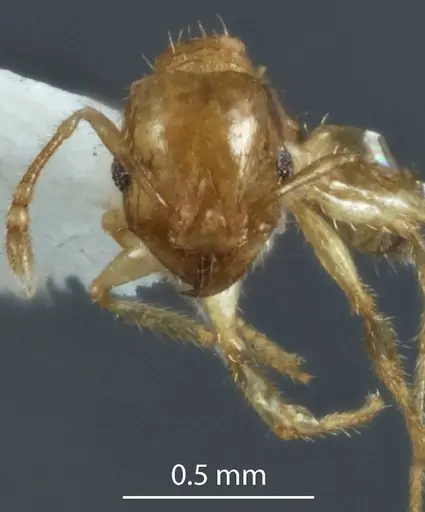
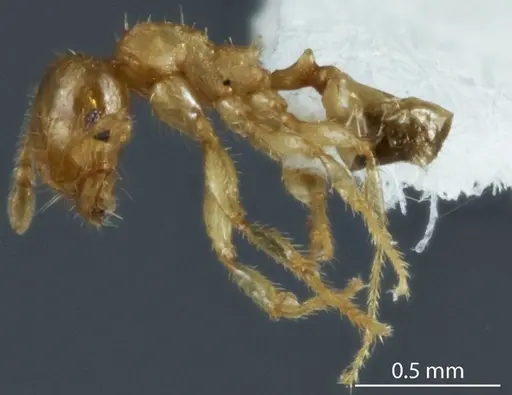
ANTWEB1041215
View on AntWeb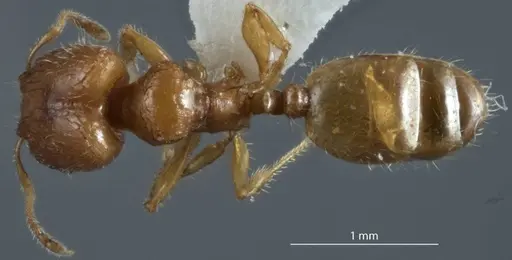
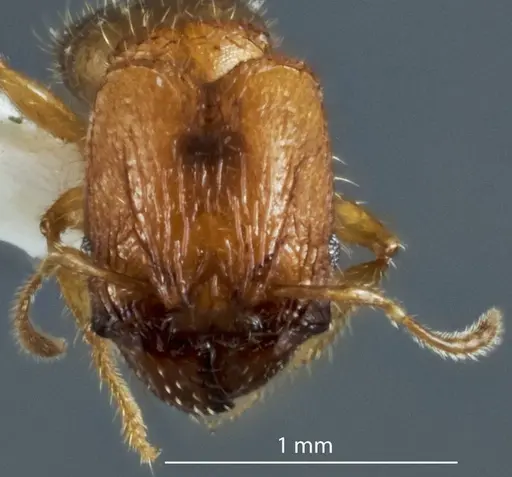
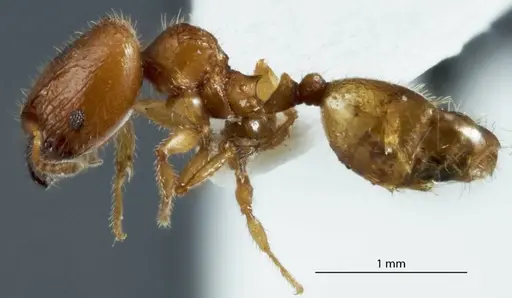
ANTWEB1041216
View on AntWeb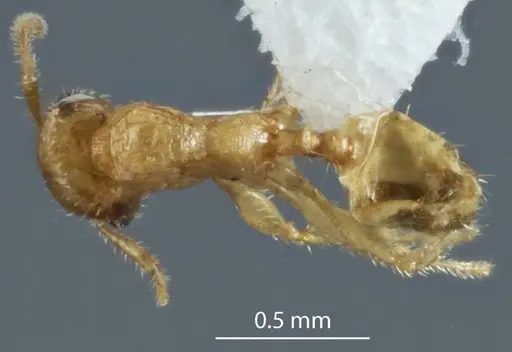
CASENT0908060
View on AntWeb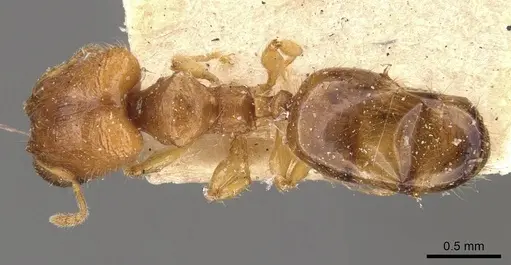
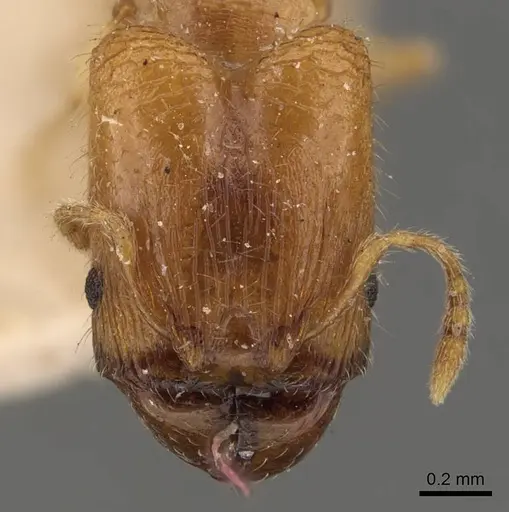
CASENT0908061
View on AntWeb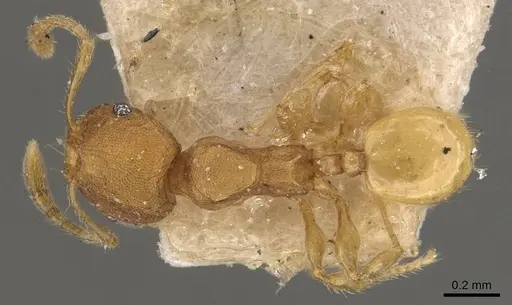
Literature
Loading distribution map...Loading products...