
Pheidole truncula
- Sci. Name
- Pheidole truncula
- Tribe
- Attini
- Subfamily
- Myrmicinae
- Author
- Wilson, 2003
- Distribution
- Found in 1 countries
Introduction
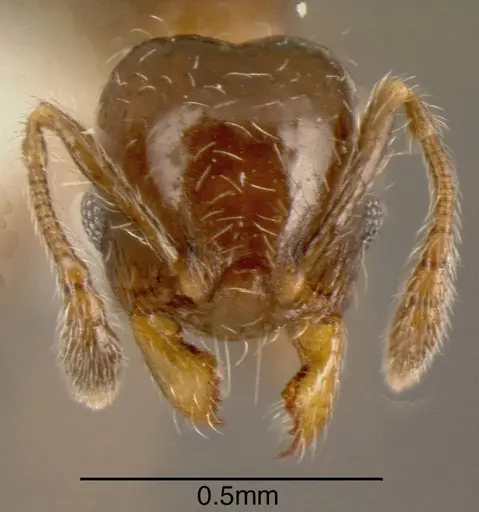
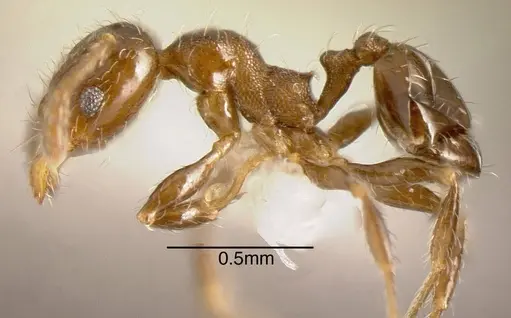
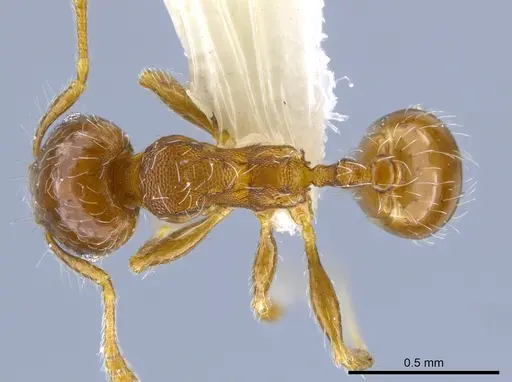
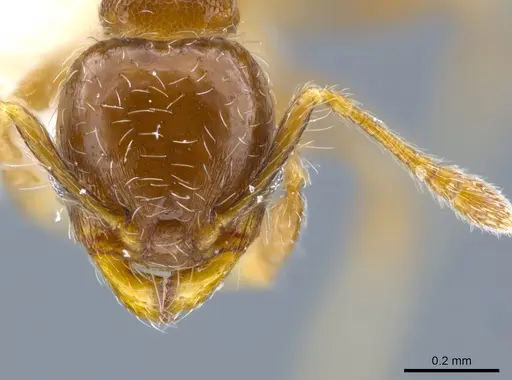
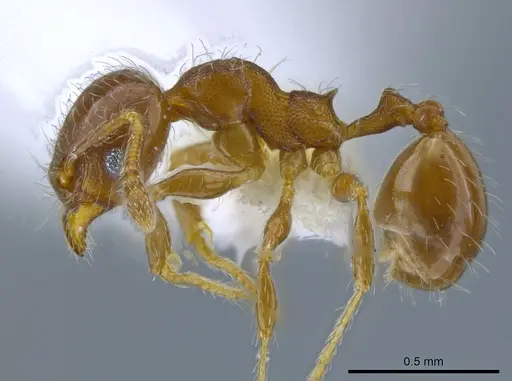
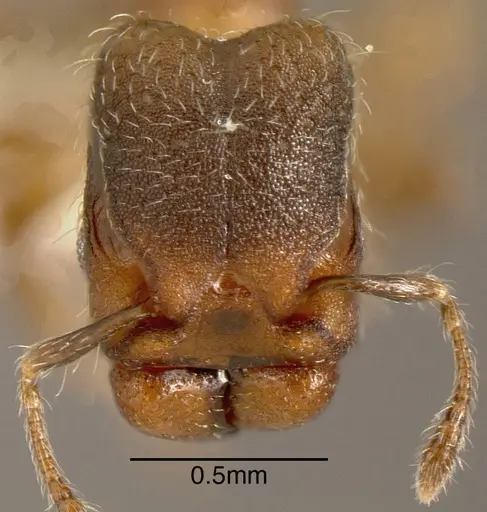
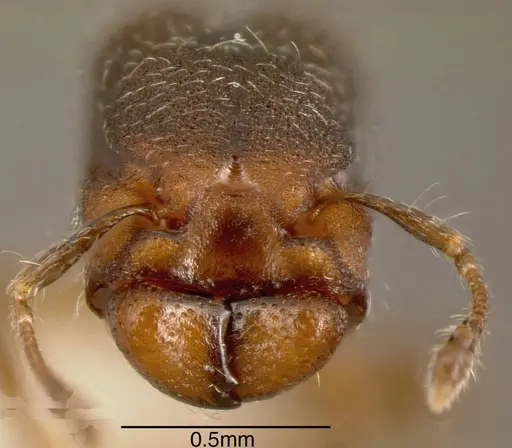
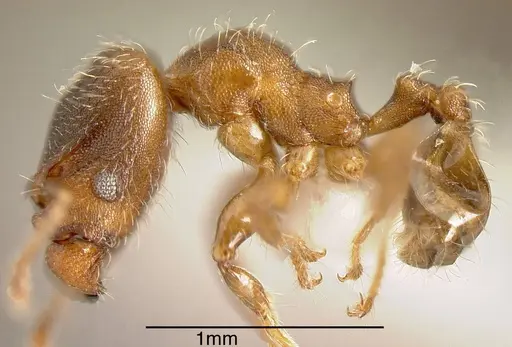
Pheidole truncula is a polymorphic ant species with distinct minor and major workers. Minor workers are small, while majors have enlarged heads for specialized tasks. Based on typical Pheidole genus patterns, minor workers are around 2-4 mm, majors 4-6 mm, and queens 6-10 mm. The species is native to Central and South America, where colonies nest in soil, under stones, or in decaying wood in tropical habitats . A key feature of Pheidole species is their caste system, where major workers handle seed crushing and defense, while minors manage foraging and brood care .
Quick Summary
- Difficulty: Medium
- Origin & Habitat: Native to Central and South America, nesting in soil, under stones, and in decaying wood in tropical habitats [1].
- Colony Type: Unconfirmed, no specific data on queen number for Pheidole truncula. Based on Pheidole genus patterns, likely monogyne, but this is not confirmed [1].
- Size & Growth:
- Queen: Estimated 6-10 mm based on typical Pheidole queen dimensions [1].
- Worker: Minor workers ~2-4 mm, major workers ~4-6 mm [1].
- Colony: Up to several thousand workers at maturity, inferred from Pheidole genus patterns [1].
- Growth: Moderate, inferred from genus patterns.
- Development: Estimated 6-10 weeks at optimal temperature, based on typical ant development [1]. (First workers are minor workers, majors appear later as the colony grows.)
- Antkeeping:
- Temperature: Keep between 22-28°C with a gradient, inferred from tropical origin [1].
- Humidity: Keep substrate slightly moist but not waterlogged, with a humidity gradient [1].
- Diapause: No, tropical species do not require hibernation [1].
- Nesting: Test tubes work for founding colonies, Y-tong or soil nests for established colonies. Provide darkness and a moisture gradient [1].
- Behavior: Generally calm and not aggressive toward keepers. Escape risk is high due to small size, use fine mesh barriers. Majors can deliver a mild sting but are not dangerous [1].
- Common Issues: escape prevention is critical due to tiny size, they can squeeze through small gaps., colonies may decline if fed only seeds without protein, offer insects regularly., test tube setups can flood if water reservoirs are overfilled., slow initial growth may lead to overfeeding and mold problems., majors may appear alarming but are not aggressive defenders.
Nest Preferences and Housing
Start Pheidole truncula colonies in a test tube setup with water and cotton. Once established with 30-50 workers, move them to Y-tong or soil nests. Provide darkness in the nest chamber and a moisture gradient so ants can self-regulate humidity [1].
Feeding and Diet
Pheidole truncula is primarily granivorous, offer seeds like millet or chia. Provide protein sources such as small insects 2-3 times per week for colony health. Minor workers recruit majors to process large seeds. Remove uneaten food to prevent mold [1].
Temperature and Seasonal Care
Maintain temperatures between 22-28°C for optimal development. A heating cable can create a gradient. As a tropical species, no hibernation is needed, but a slight cooldown in winter may be beneficial [1].
Behavior and Colony Dynamics
Pheidole colonies have a polymorphic caste system. Minor workers handle daily tasks, while majors specialize in seed crushing and defense. Colonies grow steadily, with majors appearing after the colony reaches several dozen workers [1].
Frequently Asked Questions
How long does it take for Pheidole truncula to produce first workers?
First workers typically emerge 6-10 weeks after queen lays eggs, assuming temperatures around 24-26°C. These are minor workers that begin foraging [1].
Can I keep multiple Pheidole truncula queens together?
Not recommended, as combining unrelated queens may result in fighting. Start with a single queen per colony [1].
What do Pheidole truncula eat?
They are primarily granivorous, offer various seeds and regular protein from small insects like fruit flies or mealworms [1].
Are Pheidole truncula good for beginners?
They are moderate difficulty due to small size and escape risk, better for keepers with some experience [1].
When should I move Pheidole truncula from a test tube to a formicarium?
Move them once the colony reaches 30-50 workers or if the test tube shows stress signs like condensation problems [1].
How big do Pheidole truncula colonies get?
Mature colonies can reach up to several thousand workers, with majors becoming more prominent as the colony grows [1].
Do Pheidole truncula need hibernation?
No, as a tropical species, they do not require hibernation. A slight temperature reduction in winter may be beneficial but is not mandatory [1].
Why are my Pheidole truncula dying?
Common causes include escape losses, mold from overfeeding, temperature extremes, or insufficient protein. Review your setup and feeding schedule [1].
What makes Pheidole truncula different from other ant species?
Their polymorphic caste system with dramatic size differences between minor and major workers is a key feature, with majors specialized for seed crushing [1].
Report an Issue
The current care sheet is based fully on literature. See inconsistencies, or something that's incorrect? Please , it will be resolved after review from an admin. Contributing to the blogs tab also helps providing information, to make us be able to further improve the caresheets. Thank you for your support!
References

This caresheet is licensed under CC BY-SA 4.0 .
Community Blogs
Literature
Loading distribution map...Loading products...