
Pheidole tristis
- Sci. Name
- Pheidole tristis
- Tribe
- Attini
- Subfamily
- Myrmicinae
- Author
- Smith, 1858
- Distribution
- Found in 7 countries
Introduction
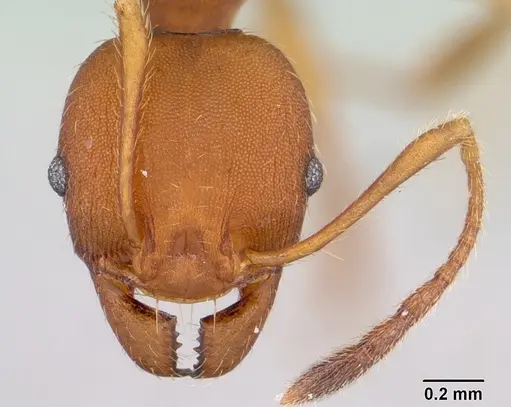
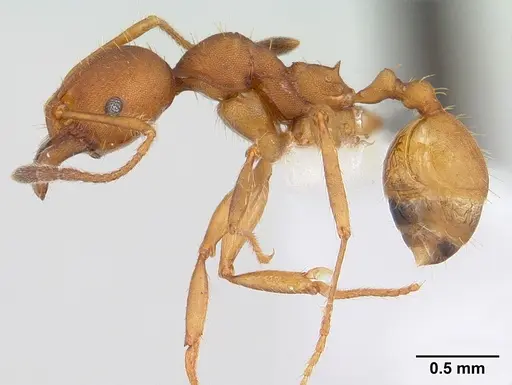
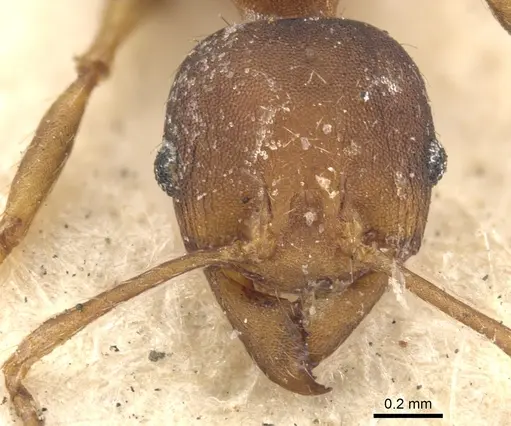
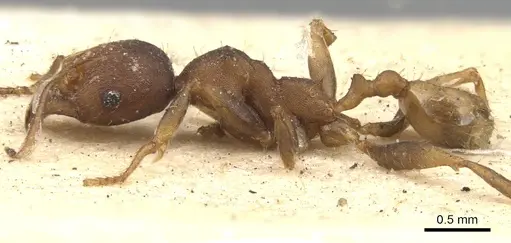
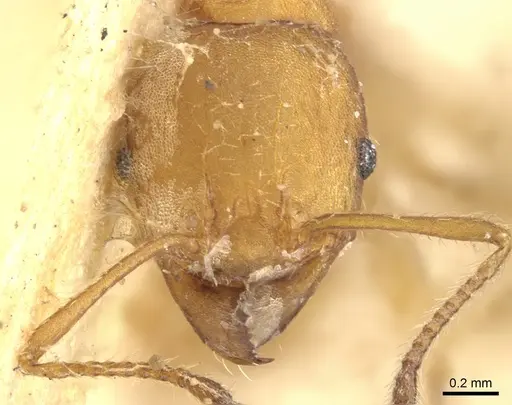
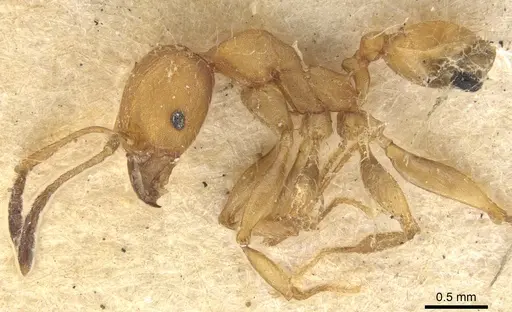
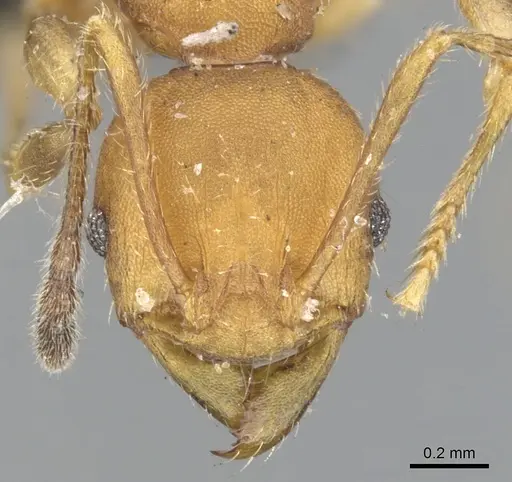
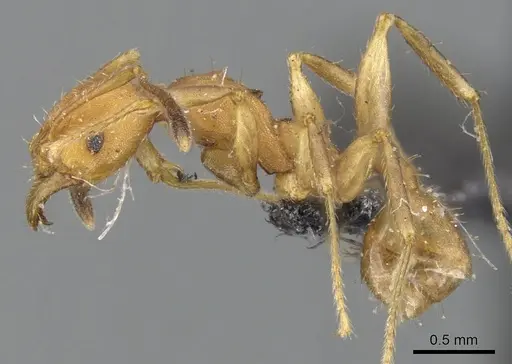
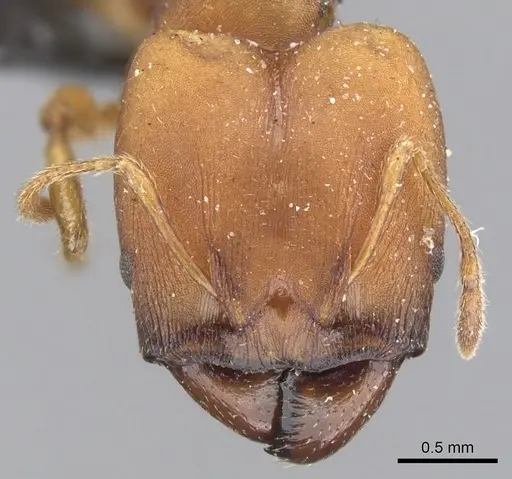
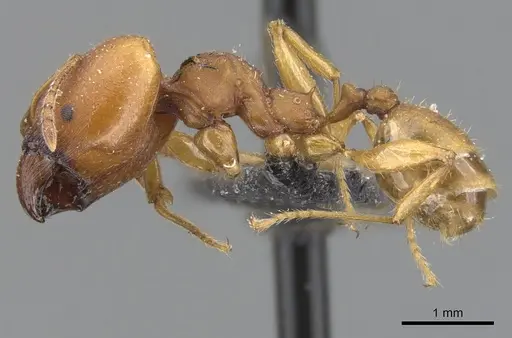
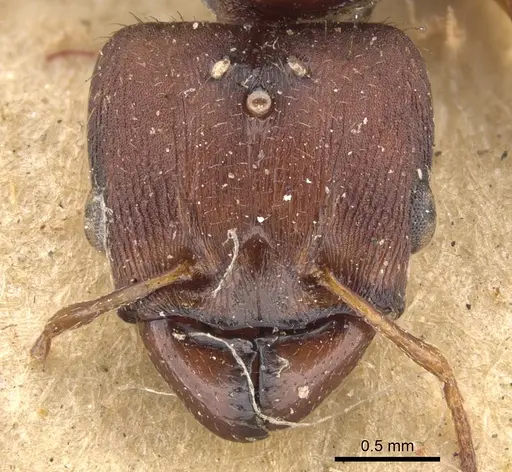
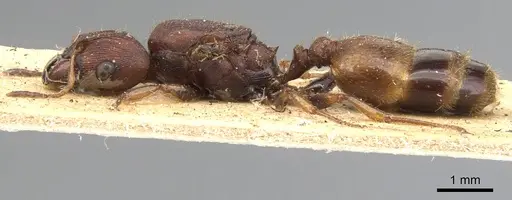
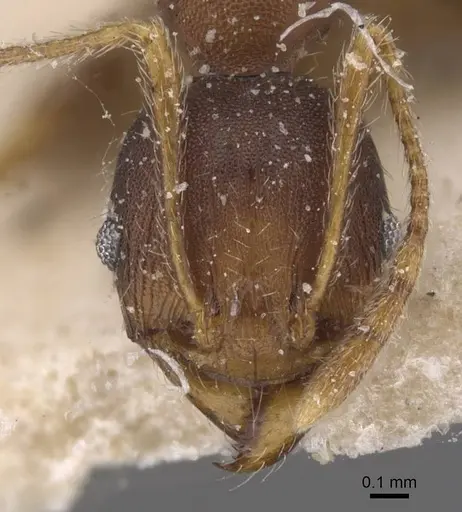
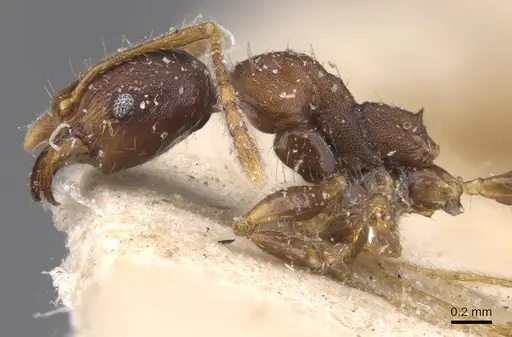
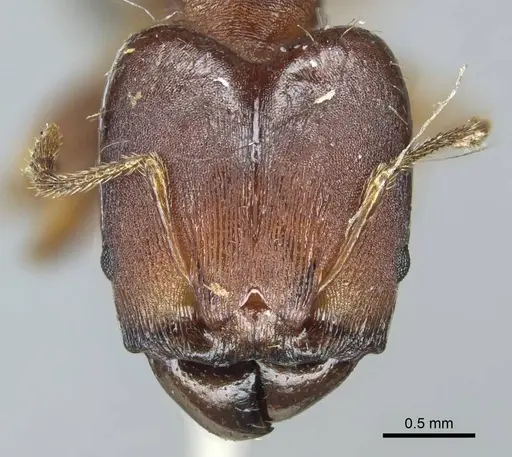
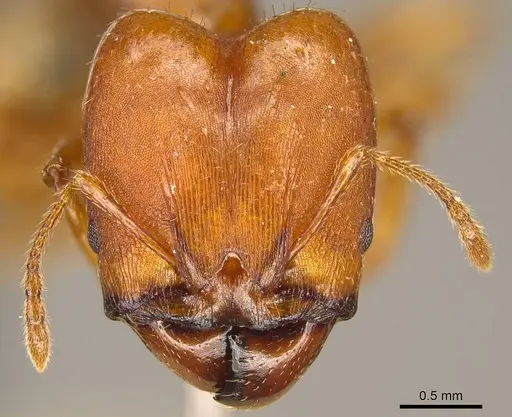
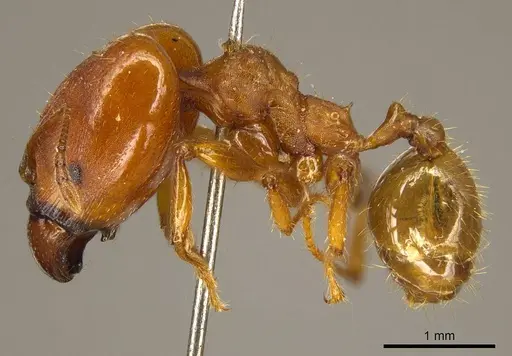
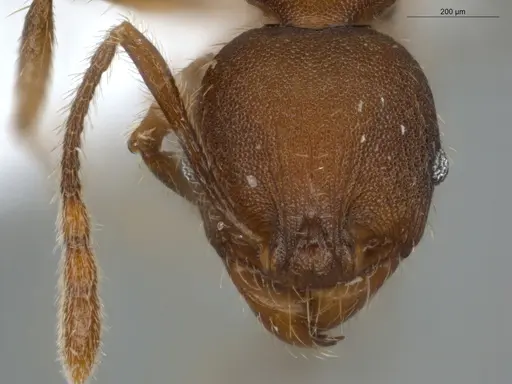
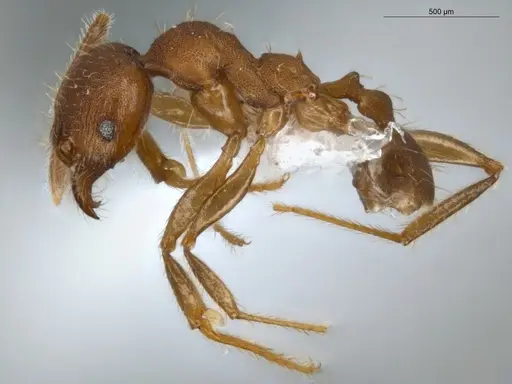
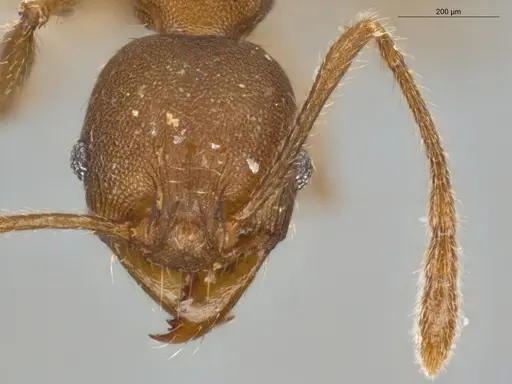
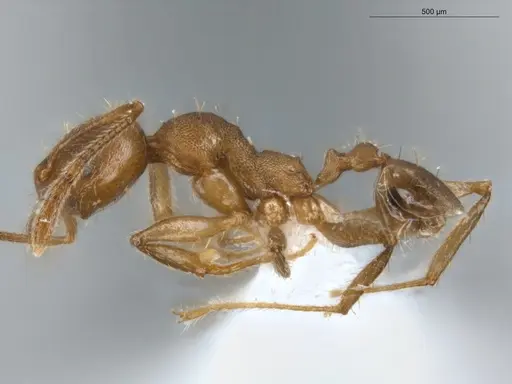
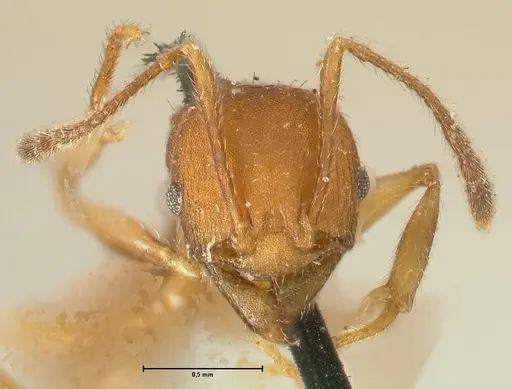
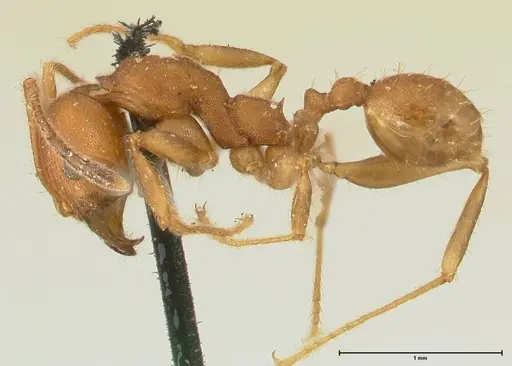
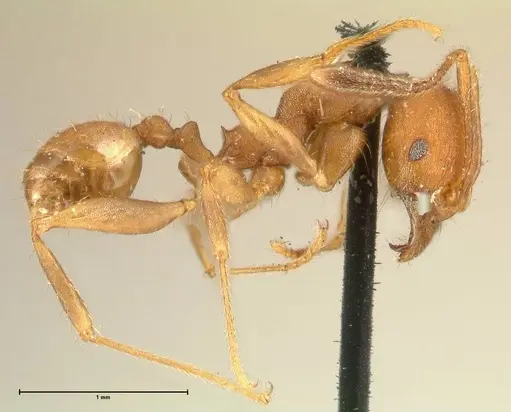
Pheidole tristis is a dimorphic ant species with major and minor workers. Major workers have reddish-orange coloration, while minors are yellowish-brown . Major workers are approximately 4.2 mm in total length, and minor workers are about 2.1 mm . Queen size data is unavailable. This species is native to southeastern Brazil, Paraguay, and northern Argentina, found in Cerradão and Cerrado habitats, nesting under rotten bark . Little is known about this species in captivity, making it a challenging species for antkeepers .
Quick Summary
- Difficulty: Expert
- Origin & Habitat: Southeastern Brazil (Santa Catarina, Sao Paulo, Rio de Janeiro, Parana), Paraguay, and northern Argentina (Misiones). Found in Cerradão and Cerrado habitats, nesting under rotten bark [1][3][2].
- Colony Type: Based on typical Pheidole patterns, likely single-queen colonies [1].
- Size & Growth:
- Antkeeping:
- Temperature: Unknown for this species. Based on their range in southeastern Brazil and Paraguay, they likely prefer warm conditions, roughly 22-28°C [3].
- Humidity: Unknown for this species. Based on their nesting under rotten bark, they likely prefer moist substrates. Keep nest substrate consistently moist but not waterlogged [2].
- Diapause: Unknown, no research on overwintering. Their subtropical origin suggests they may not require true hibernation, but may slow down during cooler months.
- Nesting: In nature, they nest under rotten bark [2]. For captivity, use a naturalistic setup with moist soil and rotting wood, or a Y-tong/plaster nest with moisture retention.
- Behavior: Pheidole species are generally non-aggressive toward keepers but majors will defend the colony. They are primarily ground-nesting but can climb. Escape risk is moderate due to small minor workers, use standard barrier methods. They possess a stinger, but it is not medically significant to humans.
- Common Issues: maintaining proper humidity is critical, as they nest in moist substrates in nature [2]., temperature must be kept warm, as they are from tropical regions [3]., escape prevention is important due to small worker size [2]., founding behavior is unknown, so queen care may be challenging.
Species Identification and Appearance
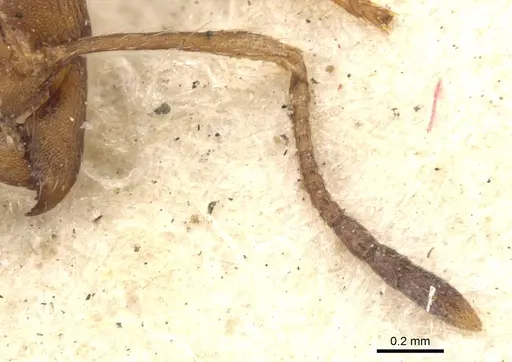
Pheidole tristis is a dimorphic ant species with two distinct worker castes. Major workers have reddish-orange coloration with a slightly darker gaster, while minor workers are yellowish-brown throughout [1]. Major workers are approximately 4.2 mm in total length, and minor workers are about 2.1 mm [2]. The species was originally described in 1858 by Frederick Smith and has several junior synonyms [1].
Natural Distribution and Habitat
This species is found across southeastern Brazil, Paraguay, and northern Argentina [1][3]. They inhabit Cerradão and Cerrado habitats, nesting under rotten bark in forest areas [2].
Housing and Nesting in Captivity
Since no captive husbandry data exists, recommendations are based on natural history. In the wild, they nest under rotten bark, suggesting a preference for moist, organic-rich substrates [2]. A naturalistic setup with soil and rotting wood pieces would approximate their natural conditions. Alternatively, a Y-tong or plaster nest with moisture retention would work. Given their small size, escape prevention with fine mesh or barrier gel is important.
Feeding and Diet
No specific dietary data exists for P. tristis. It is unknown what they prefer in captivity.
Temperature and Seasonal Care
Temperature requirements are unconfirmed. Based on their geographic range, they likely prefer warm conditions around 22-28°C [3]. Diapause is unknown, but they may not require true hibernation due to subtropical origin.
Challenges and Considerations
This species represents a challenge because no captive husbandry information exists. Keepers must experiment with care while observing colony behavior. Wild-caught colonies may carry parasites with no documented treatment. Founding behavior is unknown, so queen care may be difficult.
Frequently Asked Questions
How do I keep Pheidole tristis ants?
No captive husbandry information exists for this species, it has never been documented in the antkeeping hobby. You would be pioneering its care. Based on natural history (nesting under rotten bark in Brazilian forests), use a naturalistic setup with moist soil and rotting wood, or a Y-tong nest with humidity. Keep temperatures around 22-28°C [2].
What do Pheidole tristis eat?
No specific dietary data exists for this species. It is unknown what they prefer in captivity.
How long does it take for Pheidole tristis to develop from egg to worker?
This is completely unknown, no development data exists for this species.
Are Pheidole tristis good for beginners?
No, this species cannot be recommended for beginners. No captive husbandry information exists, meaning every aspect of care would require experimentation. This would be a species for experienced keepers interested in documenting new species behavior.
How big do Pheidole tristis colonies get?
Unknown, no colony size data exists for this species.
Do Pheidole tristis need hibernation?
Unknown, no research exists on their overwintering requirements. Their subtropical origin suggests they may not require true hibernation, but may slow down during cooler periods.
Can I keep multiple Pheidole tristis queens together?
Unknown, no research exists on colony structure or queen behavior for this species. Most Pheidole species are single-queen, but some can have multiple queens. Do not attempt combining unrelated queens without research.
What is the queen size of Pheidole tristis?
Unconfirmed, queen size has not been documented in scientific literature.
Where is Pheidole tristis found?
Southeastern Brazil (Santa Catarina, Sao Paulo, Rio de Janeiro, Parana), Paraguay, and northern Argentina (Misiones). They live in Cerradão and Cerrado savanna habitats, nesting under rotten bark.
Is Pheidole tristis a difficult species to keep?
Yes, this would be an expert-level species because no captive husbandry information exists. Every aspect of care is unknown and would require careful experimentation.
What nest type is best for Pheidole tristis?
Based on their natural nesting under rotten bark, a naturalistic setup with moist soil and rotting wood pieces would be most appropriate. Alternatively, a Y-tong or plaster nest with moisture retention would work.
Report an Issue
The current care sheet is based fully on literature. See inconsistencies, or something that's incorrect? Please , it will be resolved after review from an admin. Contributing to the blogs tab also helps providing information, to make us be able to further improve the caresheets. Thank you for your support!
References

This caresheet is licensed under CC BY-SA 4.0 .
Community Blogs
CASENT0178062
View on AntWeb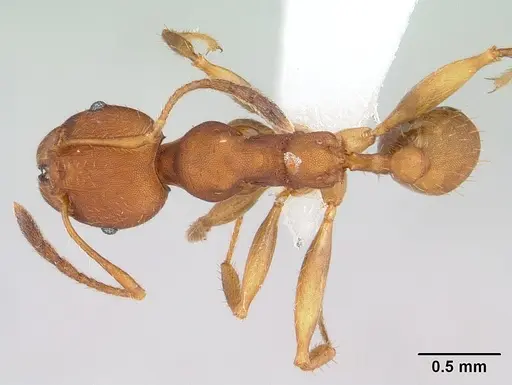
CASENT0901573
View on AntWeb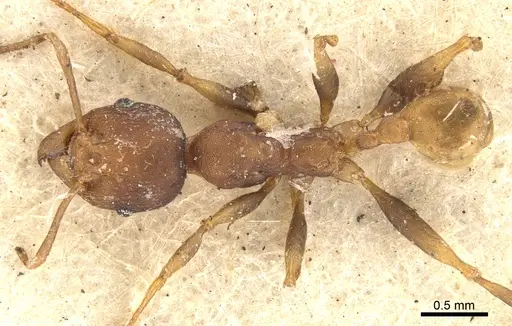
CASENT0901574
View on AntWeb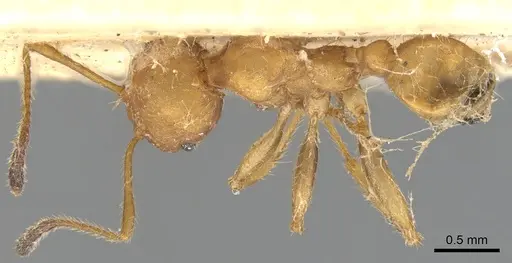
CASENT0901575
View on AntWeb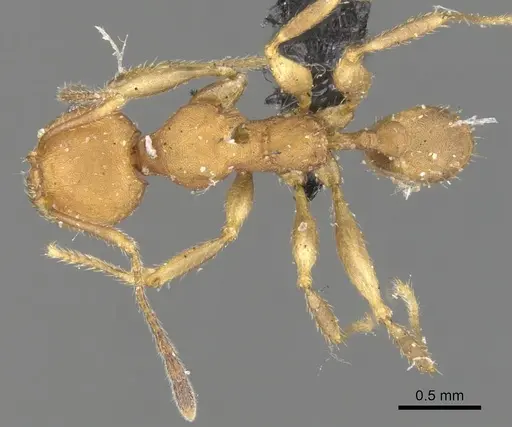
CASENT0901576
View on AntWeb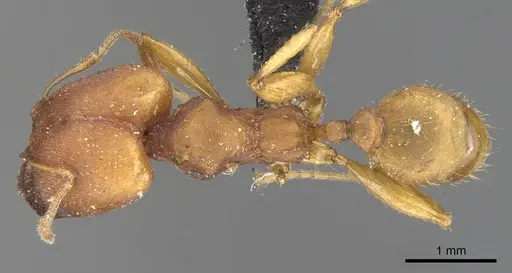
CASENT0901577
View on AntWeb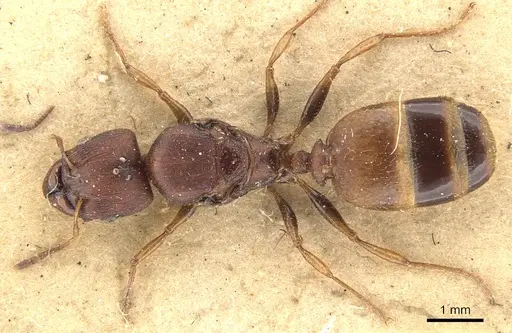
CASENT0913467
View on AntWeb
CASENT0913468
View on AntWeb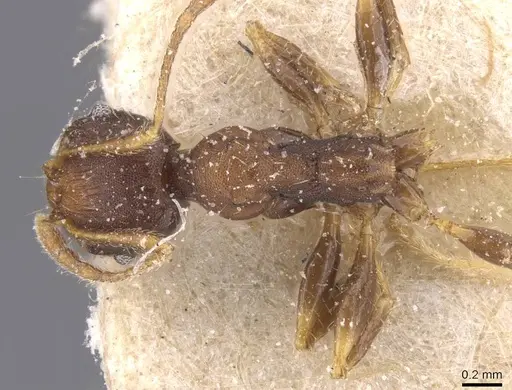
CASENT0916073
View on AntWeb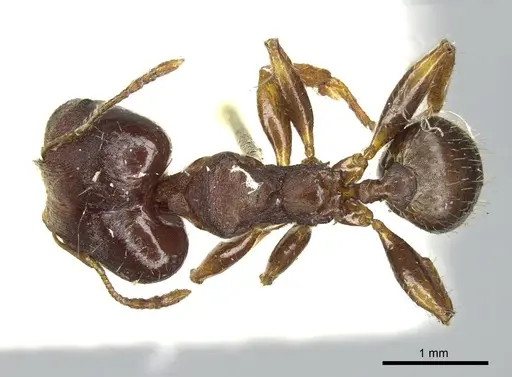
CASENT0916074
View on AntWeb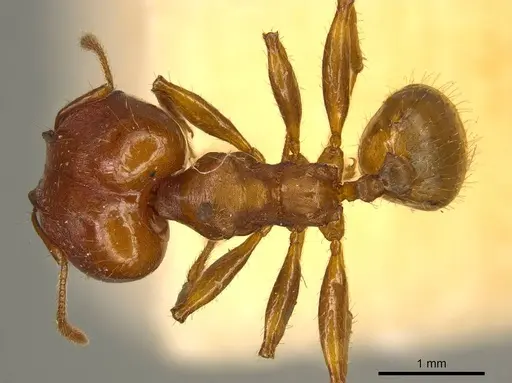
ECOFOG-IT14-0281-30
View on AntWeb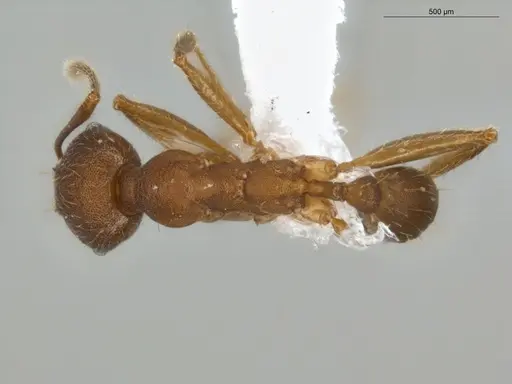
ECOFOG-IT14-0429-27
View on AntWeb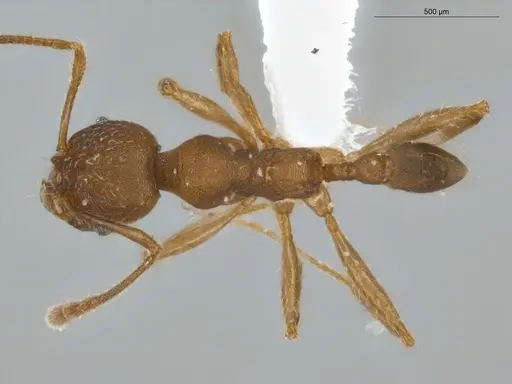
FOCOL1425
View on AntWeb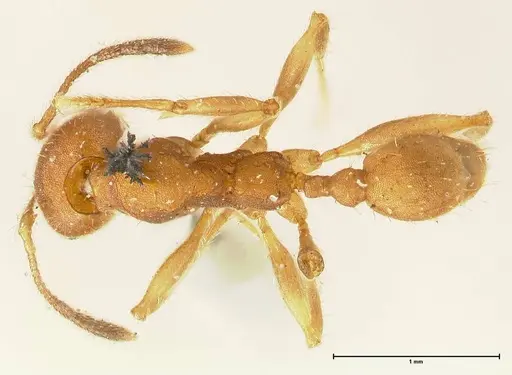
Literature
Loading distribution map...Loading products...