
Pheidole triconstricta
- Sci. Name
- Pheidole triconstricta
- Tribe
- Attini
- Subfamily
- Myrmicinae
- Author
- Forel, 1886
- Distribution
- Found in 3 countries
Introduction
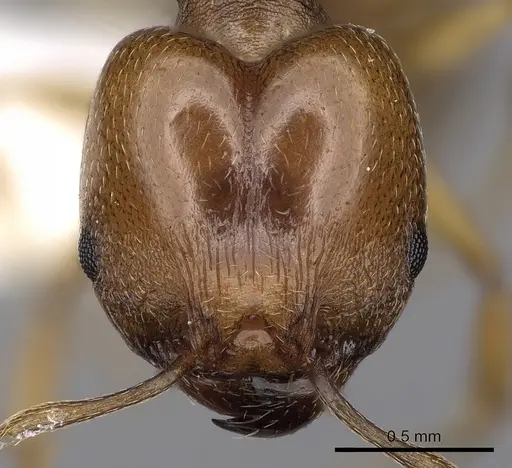
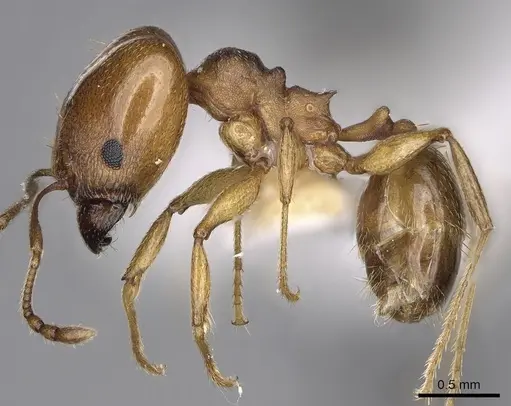
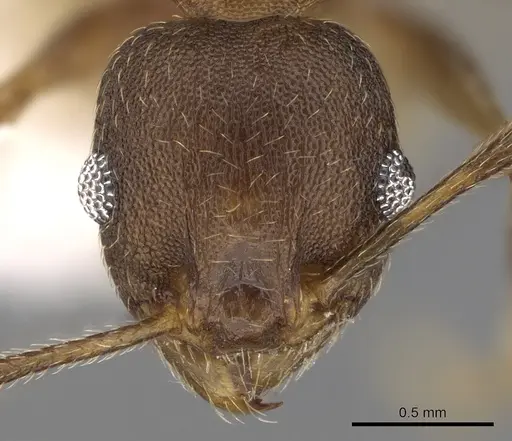
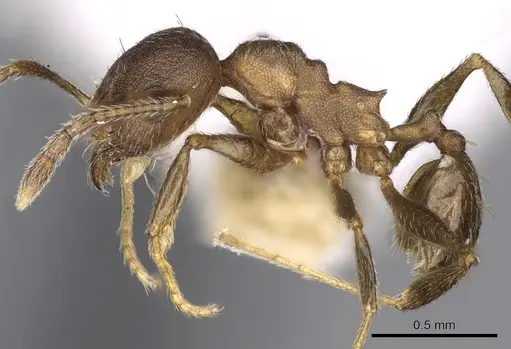
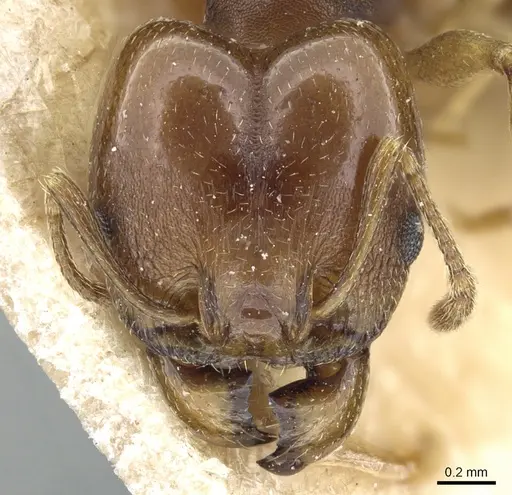
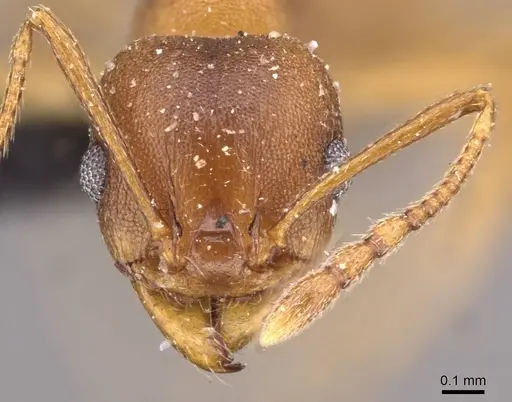
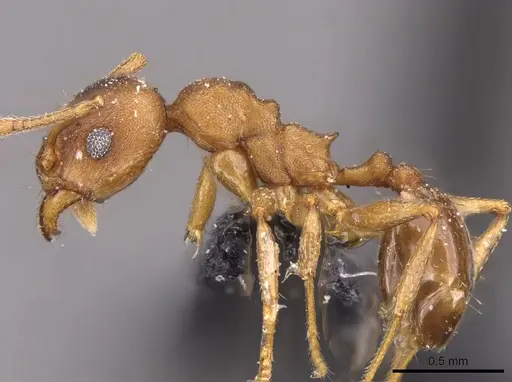
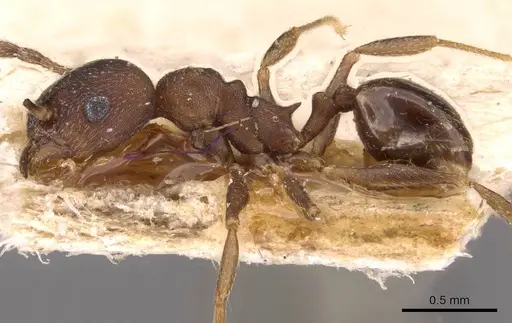
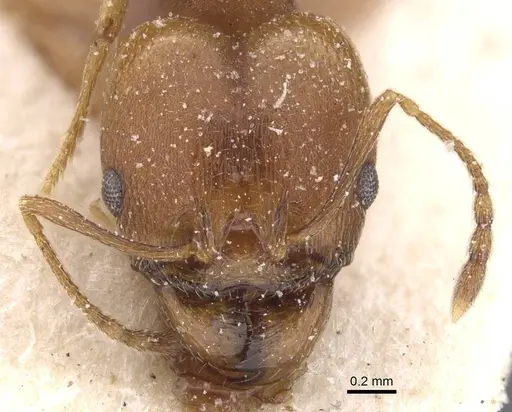
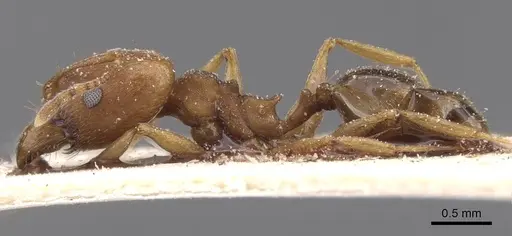
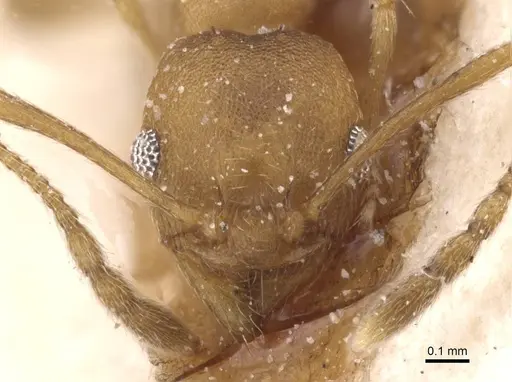
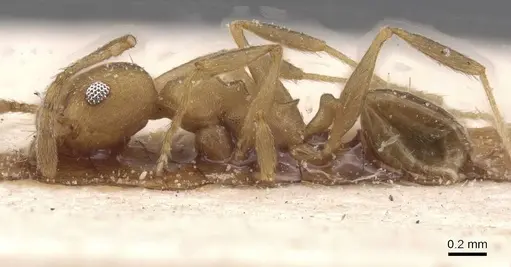
Pheidole triconstricta is a small yellow ant belonging to the diligens species group. Both major and minor workers are yellow with virtually hairless bodies. The head and gaster are smooth and shiny, while the mesosoma is textured and foveolate. The species gets its name from the three-constriction appearance of its mesosoma in dorsal-oblique view. It is native to southern South America, ranging across Argentina, Bolivia, Brazil, Paraguay, and Uruguay. It inhabits grasslands, forest edges, agricultural areas, and Eucalyptus plantations. Workers forage on the ground and act as generalist omnivores. Size data is unavailable, but based on Pheidole genus patterns, they are likely small ants around 5-8mm. Founding behavior is unconfirmed.
Quick Summary
- Difficulty: Medium
- Origin & Habitat: Native to southern South America (Argentina, Bolivia, Brazil, Paraguay, Uruguay). Found in grasslands, forest edges, agricultural areas, and Eucalyptus plantations [1][2][3].
- Colony Type: Colony structure is unconfirmed. Based on Pheidole patterns, likely monogyne.
- Size & Growth:
- Queen: ~5-8mm, inferred from Pheidole genus
- Worker: ~5-8mm, inferred from Pheidole genus
- Colony: Colony size is unknown.
- Growth: Moderate
- Development: Unknown (Development time is unconfirmed.)
- Antkeeping:
- Temperature: Keep warm and stable, roughly low-to-mid 20s°C. They thrive in subtropical conditions.
- Humidity: Keep the nest substrate consistently moist but not waterlogged. Provide a humidity gradient if possible.
- Diapause: Unknown. Based on their subtropical range, they likely do not require strict hibernation, but observe seasonal changes.
- Nesting: Use Y-tong (AAC) or plaster nests. Provide tight, dark chambers scaled to their small size. Avoid acrylic nests.
- Behavior: Workers are active ground foragers. They are generally docile but their small size means they can escape through tiny gaps. Use fine mesh or fluon barriers. Majors have large heads for seed processing.
- Common Issues: escape risk due to small worker size, founding failure if humidity is too low or too high, mold growth from overfeeding, temperature drops slowing development
Nest Preferences and Housing
Pheidole triconstricta is a ground-nesting ant that naturally forms colonies in soil, often under stones or in decaying wood. For captive care, start with a simple test tube setup for the founding queen. Fill a test tube one-third with water, plug the end with cotton to create a water reservoir, then add the queen. She will seal herself inside the dark, humid chamber and begin laying eggs. Once the colony reaches a stable size, you can transition them to a Y-tong (AAC) or plaster nest. Keep chambers tight and dark. Place the nest in a quiet location away from direct sunlight and vibrations [1][4].
Feeding and Diet
Pheidole triconstricta is an omnivorous generalist. In the wild, they feed on honeydew from aphids and scale insects, collect seeds, and hunt small insects. In captivity, offer a varied diet: protein sources like small crickets, mealworms, or fruit flies twice weekly, and sugar sources like honey water or sugar water constantly. They will also accept seeds, especially small ones that majors can process with their large mandibles. Remove any uneaten prey after 24-48 hours to prevent mold [5][4].
Temperature and Seasonal Care
As a subtropical species from southern South America, Pheidole triconstricta prefers warm conditions. Keep the nest area warm and stable, roughly low-to-mid 20s°C for optimal brood development. A heating cable placed on one side of the nest creates a temperature gradient that lets ants choose their preferred zone. They can tolerate slight temperature drops but will become less active and develop more slowly. Diapause requirements are unknown, but you might slightly reduce temperatures during winter months to simulate natural seasonal cycles, which may help maintain colony health long-term. Avoid temperature fluctuations and drafts [1].
Behavior and Colony Dynamics
This species has two worker castes: minor workers handle most tasks including foraging, brood care, and nest maintenance, while major workers specialize in seed processing, colony defense, and food storage. Majors have distinctive large heads with powerful mandibles adapted for cracking seeds. Colonies grow at a moderate pace. Workers are not aggressive toward keepers and rarely sting. They are primarily ground-dwelling and do not climb smooth surfaces well, making standard barrier methods effective for containment [1][4].
Frequently Asked Questions
How long does it take for Pheidole triconstricta to produce first workers?
Unknown. Development time is unconfirmed for this species. Expect a moderate timeline typical for subtropical Pheidole.
Can I keep multiple Pheidole triconstricta queens together?
Unknown. Colony structure is unconfirmed. Treat as single-queen to be safe. Combining unrelated queens will likely result in fighting.
What do Pheidole triconstricta ants eat?
They are omnivores. Feed protein (small insects like fruit flies or mealworms) twice weekly and provide sugar water or honey constantly. They also accept small seeds.
What temperature is best for Pheidole triconstricta?
Keep them warm and stable, roughly low-to-mid 20s°C. Warm temperatures support faster brood development. A heating cable on one side of the nest creates a useful gradient.
When should I move my colony to a formicarium?
Move from test tube to formicarium once the colony has enough workers to maintain the nest, typically after the first batch of workers emerges.
Do Pheidole triconstricta need hibernation?
Unknown. Based on their subtropical range, they likely do not require strict hibernation, but observe natural seasonal cycles.
Are Pheidole triconstricta good for beginners?
Yes, they are generally easy to keep. They are calm, do not require special hibernation, and are forgiving of minor care mistakes. Their small size and simple care requirements make them suitable for new antkeepers.
How big do Pheidole triconstricta colonies get?
Colony size is unknown. Data is not available for this species.
Why are my Pheidole triconstricta dying?
Common causes include: temperatures too low, mold from overfeeding or poor ventilation, test tube flooding, or stress from excessive disturbance. Check these factors and adjust care accordingly.
Report an Issue
The current care sheet is based fully on literature. See inconsistencies, or something that's incorrect? Please , it will be resolved after review from an admin. Contributing to the blogs tab also helps providing information, to make us be able to further improve the caresheets. Thank you for your support!
References

This caresheet is licensed under CC BY-SA 4.0 .
Community Blogs
CASENT0281737
View on AntWeb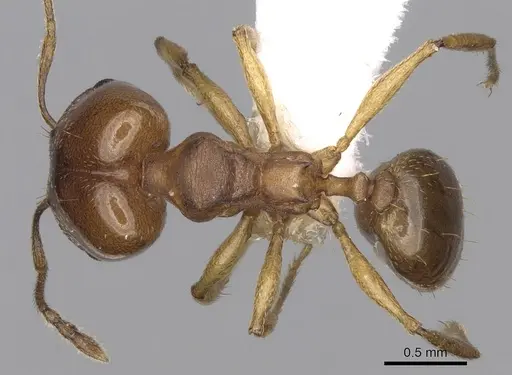
CASENT0281738
View on AntWeb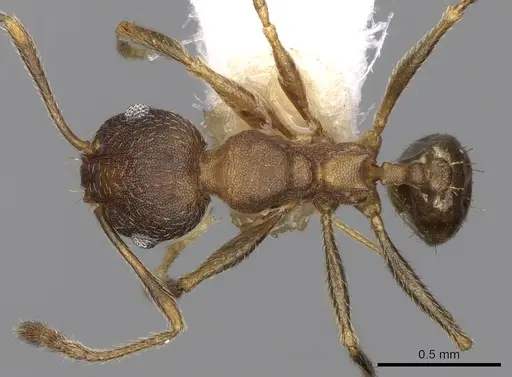
CASENT0904323
View on AntWeb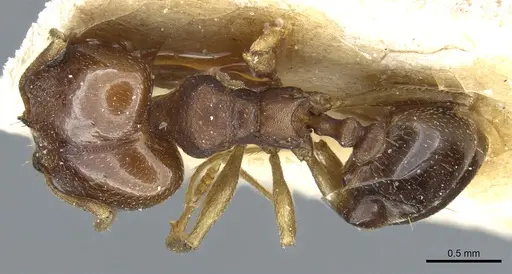
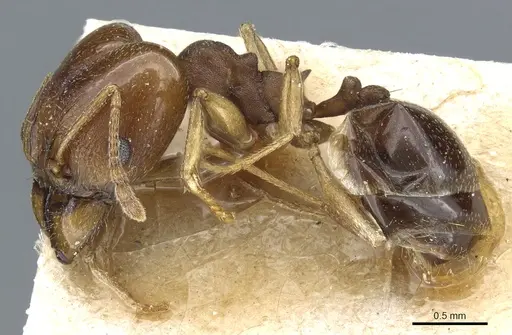
CASENT0904324
View on AntWeb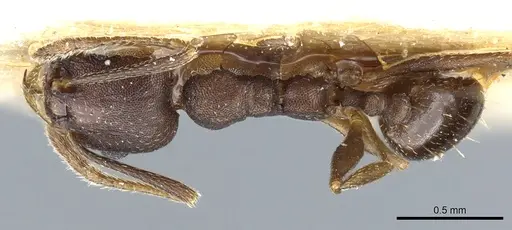
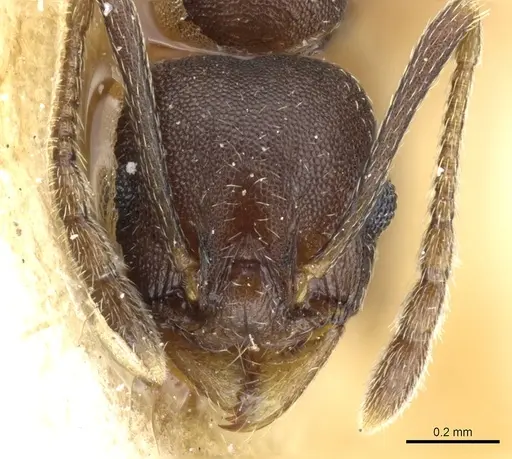
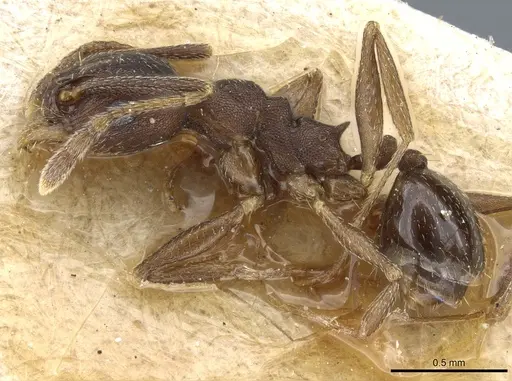
CASENT0908108
View on AntWeb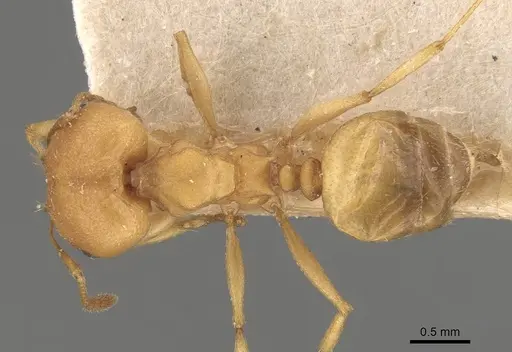
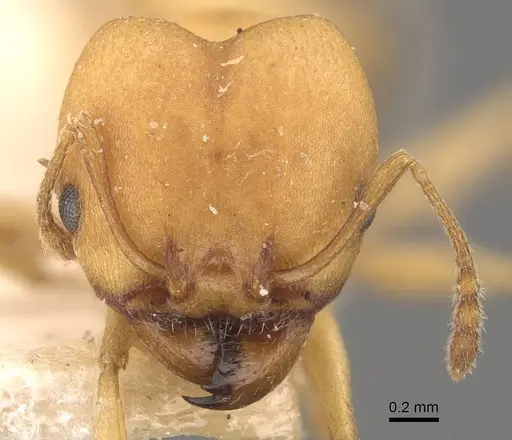
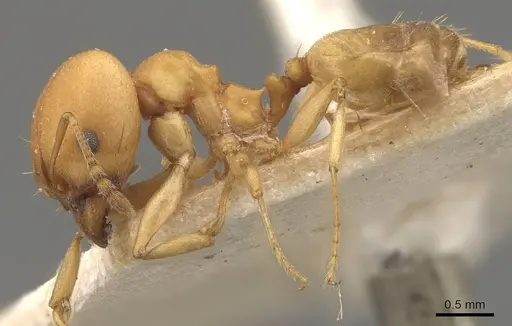
CASENT0908109
View on AntWeb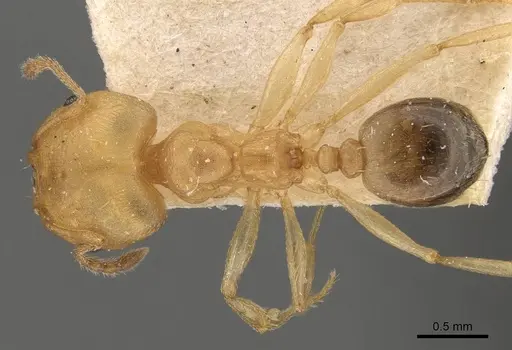
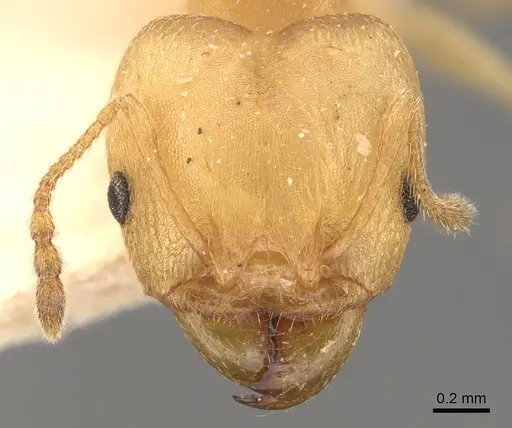
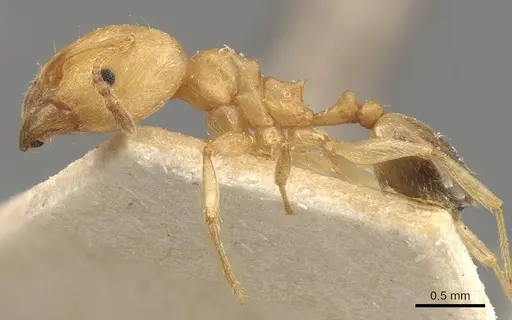
CASENT0908110
View on AntWeb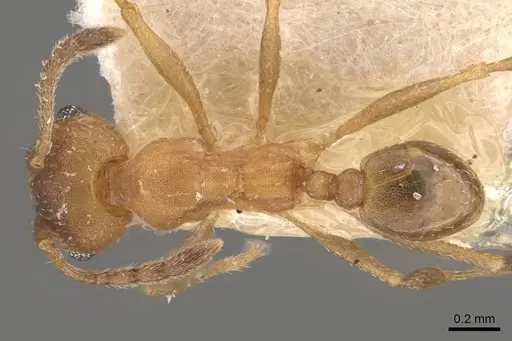
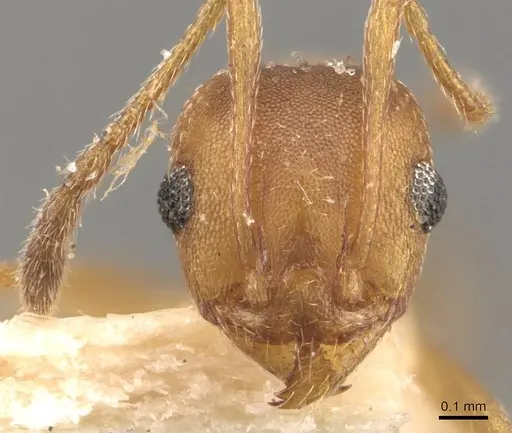
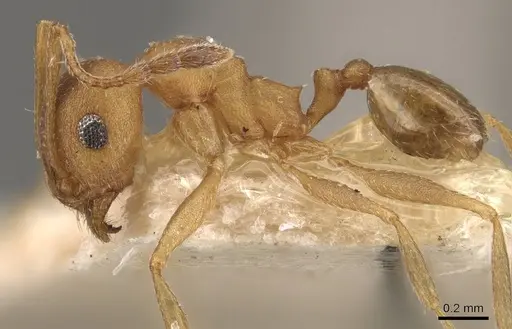
CASENT0908124
View on AntWeb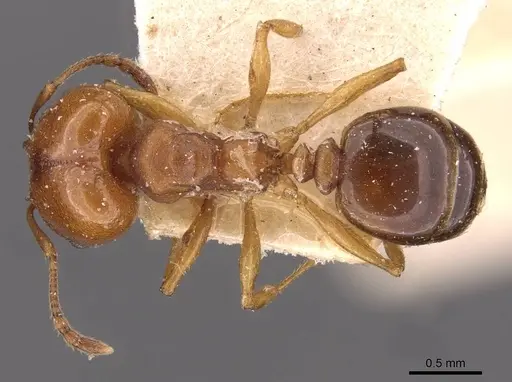
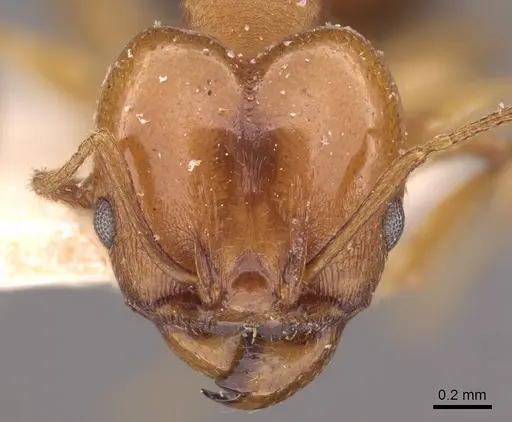
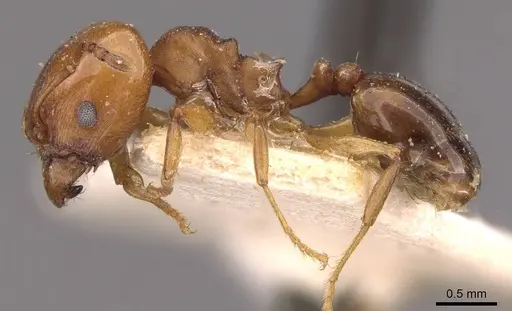
CASENT0908125
View on AntWeb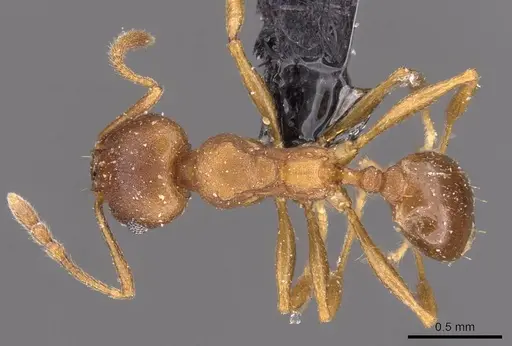
CASENT0908126
View on AntWeb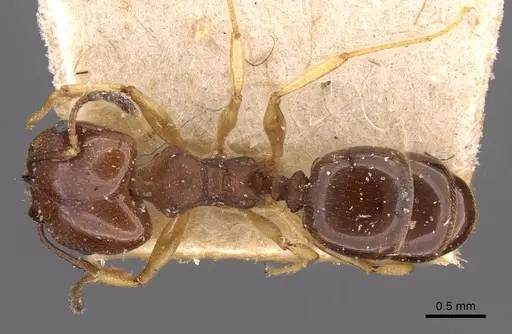
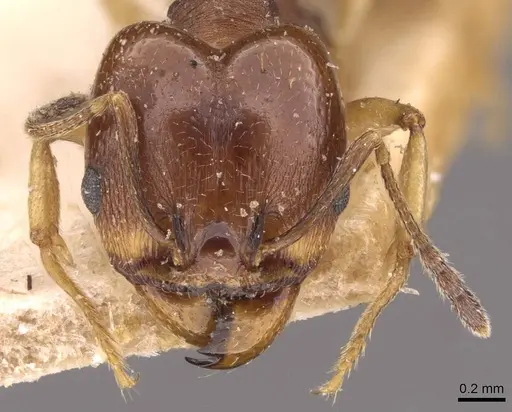
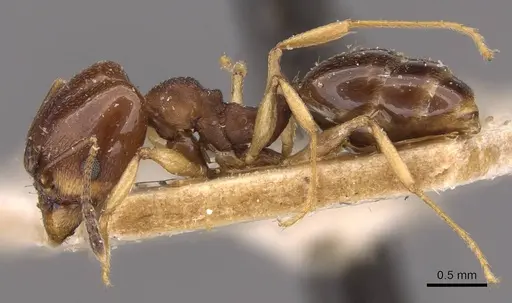
CASENT0908127
View on AntWeb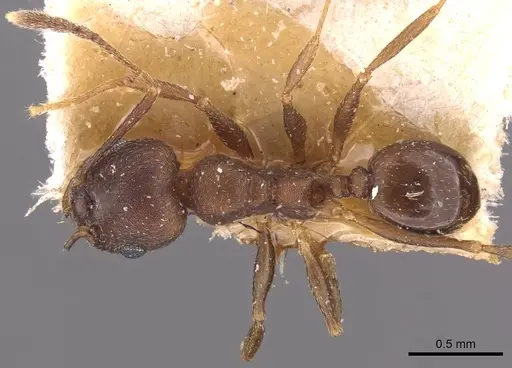
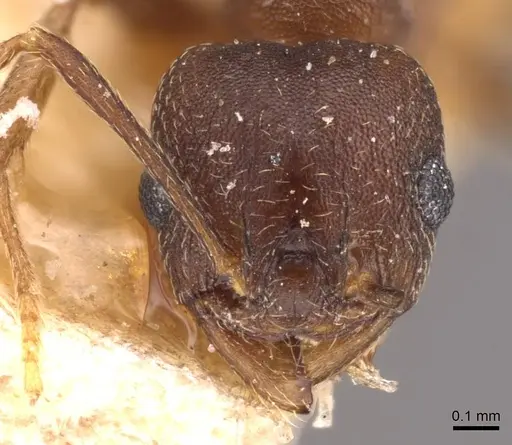
CASENT0913463
View on AntWeb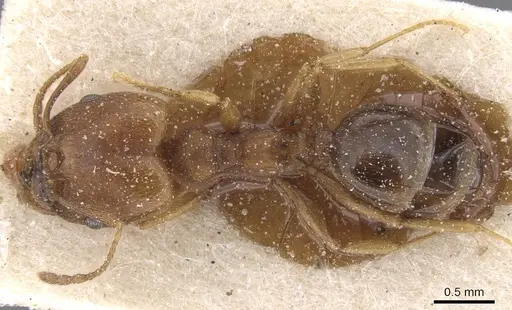
CASENT0913464
View on AntWeb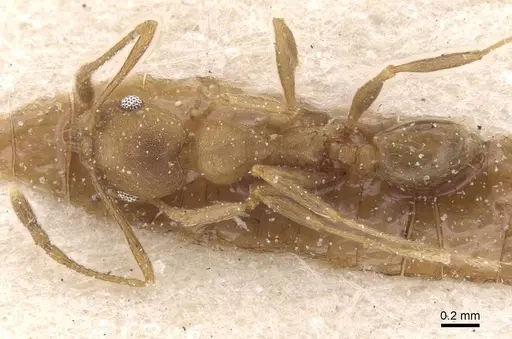
Literature
Loading distribution map...Loading products...