
Pheidole tawauensis
- Sci. Name
- Pheidole tawauensis
- Tribe
- Attini
- Subfamily
- Myrmicinae
- Author
- Eguchi, 2001
- Distribution
- Found in 2 countries
Introduction
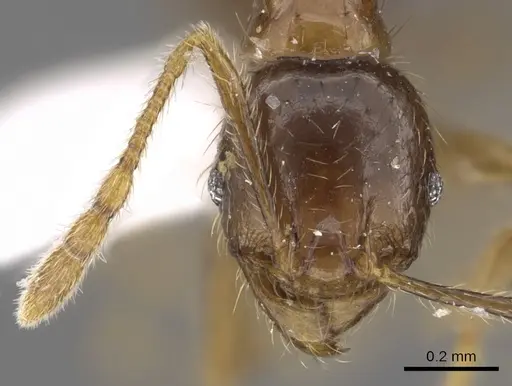
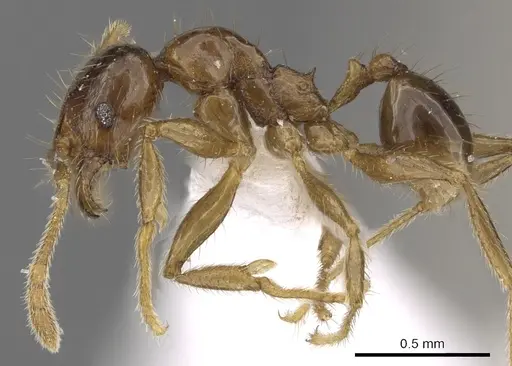
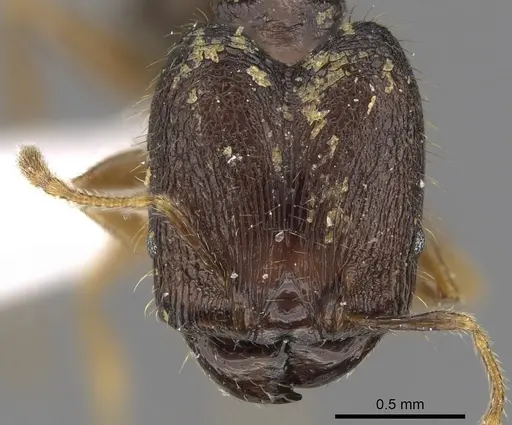
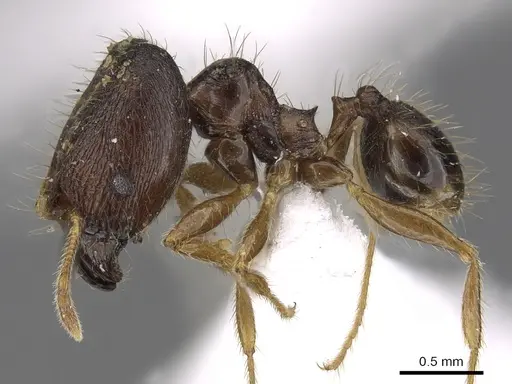
Pheidole tawauensis is a small ant species from Borneo and surrounding regions in Southeast Asia. It belongs to the big-headed ant genus, which features two distinct worker castes: smaller minor workers and larger major workers (soldiers). Major workers measure 2.5 to 2.7 mm in total length, while minor workers are smaller at 1.6 to 1.8 mm . The species closely resembles Pheidole butteli and was originally collected from soil samples in Tawau Hills Park, Sabah, East Malaysia . It has also been recorded from disturbed plots in the Maliau Basin, Borneo . Scientific literature currently lacks any biological data for this species. Nothing is known about its colony structure, diet, or founding behavior . All we know comes from physical specimen descriptions and scattered collection records in Bornean rainforests. As a tropical Pheidole, it likely thrives in warm, humid conditions and nests in soil, but you will need to rely on general genus traits for care.
Quick Summary
- Difficulty: Medium
- Origin & Habitat: Borneo (Sabah, Malaysia, Indonesia), tropical rainforest environments. Specimens originate from soil samples in Tawau Hills Park and disturbed plots in the Maliau Basin [2][1].
- Colony Type: Single-queen colonies are most common in the Pheidole genus, though multiple-queen (polygyne) setups occasionally occur in some species. Colony structure for this specific ant remains unconfirmed.
- Size & Growth:
- Queen: size data unavailable, queens have not been described in literature.
- Worker: Major workers: 2.5 to 2.7 mm. Minor workers: 1.6 to 1.8 mm [1].
- Colony: Unknown, no biological data exists for this species.
- Growth: Estimated moderate, based on typical Pheidole development patterns.
- Development: Estimated 5 to 8 weeks at warm tropical temperatures (25 to 28°C), inferred from related Pheidole species. (Actual timeline is unconfirmed. Tropical species generally develop faster than temperate ones.)
- Antkeeping:
- Temperature: Keep warm and stable, roughly 24 to 28°C. As a tropical Bornean species, it needs consistent warmth year-round.
- Humidity: Provide a humidity gradient, keep the nest substrate consistently moist but not waterlogged. Tropical rainforest floors are naturally damp.
- Diapause: Likely no seasonal diapause, species originates near the equator where temperature fluctuations are minimal.
- Nesting: Soil-nesting species collected from forest floor soil samples. In captivity, a test tube setup works well for founding. Once established, a Y-tong (AAC), plaster, or soil nest with moisture chambers provides good conditions.
- Behavior: Generally docile and not aggressive toward keepers. Minor workers actively forage while major workers defend the nest and process larger food items. Escape risk is moderate due to their small size. Use standard barrier methods like Fluon on test tube rims or fine mesh on outworlds.
- Common Issues: no specific biological data means you must monitor colony behavior closely and adjust conditions as needed, high humidity requirements can cause mold if ventilation is poor, balance moisture with adequate airflow, small initial colony size makes founding queens fragile, avoid disturbing them while they seal themselves in, tropical species may struggle if room temperatures drop below 22°C, use a heating cable if your space is cool, limited distribution data means wild colonies may be hard to locate for those wanting to catch queens
Nest Preferences and Setup
Pheidole tawauensis nests in soil, as evidenced by specimens collected from forest floor samples [1]. For founding colonies, a standard test tube setup works perfectly. Fill the tube about one-third with water, plug it with cotton, and place the queen inside. She will likely seal herself into a chamber and stay there until her first workers emerge.
Once the colony grows past 50 workers, you can move them to a more permanent home. A Y-tong (AAC), plaster, or soil nest with moisture chambers works best. Keep the nest material slightly damp to match their humid rainforest origins. Avoid letting the substrate dry out completely. Make sure the nest chambers are appropriately sized for their small workers, overly large chambers can stress the colony.
Feeding and Diet
Like most Pheidole species, this ant is omnivorous. In captivity, they will eat a wide variety of foods. Offer protein sources like small insects (fruit flies, small mealworms, or cricket pieces) two to three times per week. They also readily accept sugar sources. Provide a drop of honey water or sugar water and refresh it every few days.
Major workers help process larger food items for the smaller minors to consume. Make sure food pieces are small enough for the minor workers to handle, or let the majors break them down first. Remove any uneaten food after 24 to 48 hours to prevent mold growth.
Temperature and Humidity
As a tropical species from Borneo, Pheidole tawauensis requires warm and humid conditions. Keep the nest area between 24 and 28°C. A heating cable placed on one side of the nest creates a temperature gradient that allows the ants to regulate their exposure to warmth.
Humidity should be high. You can achieve this by keeping the water reservoir in test tube setups full, misting occasionally, and using moisture-retaining nest materials like plaster or Y-tong with water chambers. However, ensure some ventilation to prevent mold growth. Always provide a fresh water source outside the nest.
Colony Development and Growth
The queen will remain sealed in her founding chamber while laying eggs and raising the first brood. This claustral behavior is typical of Pheidole and means the queen does not forage during founding. She survives on stored fat reserves. The first workers will emerge after several weeks.
Once workers emerge, the colony enters a growth phase. Pheidole colonies can grow relatively quickly when well-fed. Expect the colony to reach a modest number of workers within a few months under good conditions. Maximum colony size is unknown for this species, but related Pheidole often reach several thousand workers.
Behavior and Temperament
Pheidole tawauensis is a generally calm species that is not aggressive toward keepers. They are active foragers, with minor workers readily leaving the nest to search for food. Major workers remain in the nest more often but will emerge to help process large food items or defend the colony.
These ants possess a functional stinger, though it is very small and generally not capable of penetrating human skin. They are safe to handle. However, they are small and can squeeze through tiny gaps. Use standard escape prevention methods: Fluon on test tube rims, fine mesh on outworlds, and ensure all connections are secure. They are diurnal and most active during daylight hours.
Frequently Asked Questions
How long does it take for Pheidole tawauensis to raise first workers?
Based on typical Pheidole development, expect 5 to 8 weeks from egg to first worker at warm tropical temperatures (25 to 28°C). The exact timeline for this species is unconfirmed but likely falls within this range.
Can I keep Pheidole tawauensis in a test tube?
Yes, test tubes work well for founding colonies. Use a standard setup with a water reservoir and cotton plug. Once the colony reaches 50 or more workers, consider moving to a more permanent Y-tong or plaster nest.
What do Pheidole tawauensis eat?
They are omnivorous. Offer small insects (fruit flies, small mealworms) for protein two to three times weekly, and provide a constant sugar source like honey water or sugar water. They will also scavenge other organic matter.
What temperature do Pheidole tawauensis need?
Keep them at 24 to 28°C. As a tropical Bornean species, they need warmth. A heating cable on part of the nest can help maintain appropriate temperatures.
Are Pheidole tawauensis good for beginners?
This species is rated Medium difficulty. While not the most challenging, the lack of specific biological data means you may need to adjust care based on colony behavior. They are smaller ants requiring attention to escape prevention and humidity.
Do Pheidole tawauensis need hibernation?
Likely no. As a tropical species from near the equator, they do not experience cold winters. Maintain warm temperatures year-round. Some reduction in activity during cooler periods may occur but true diapause is not necessary.
How big do Pheidole tawauensis colonies get?
Exact maximum colony size is unknown. Based on related species, colonies likely reach several hundred to a few thousand workers. Growth rate is moderate to fast under good conditions.
Can I keep multiple queens together?
Not recommended without more information. Most Pheidole are monogyne (single queen). Combining unrelated queens has not been documented for this species and may result in fighting.
Why are my Pheidole tawauensis dying?
Common causes include: temperatures below 22°C, too dry conditions, mold from poor ventilation, or disturbance during the claustral founding period. Check that humidity is high, temperatures are warm, and the queen was not disturbed while sealed in her chamber.
Report an Issue
The current care sheet is based fully on literature. See inconsistencies, or something that's incorrect? Please , it will be resolved after review from an admin. Contributing to the blogs tab also helps providing information, to make us be able to further improve the caresheets. Thank you for your support!
References

This caresheet is licensed under CC BY-SA 4.0 .
Community Blogs
CASENT0901656
View on AntWeb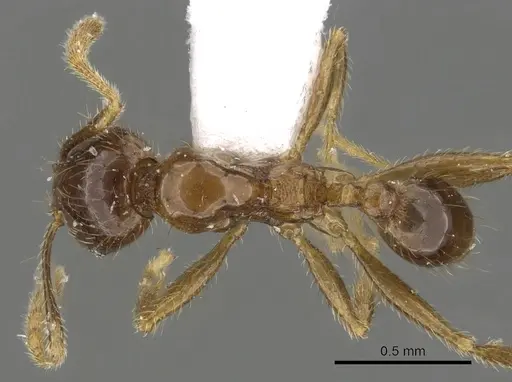
CASENT0901657
View on AntWeb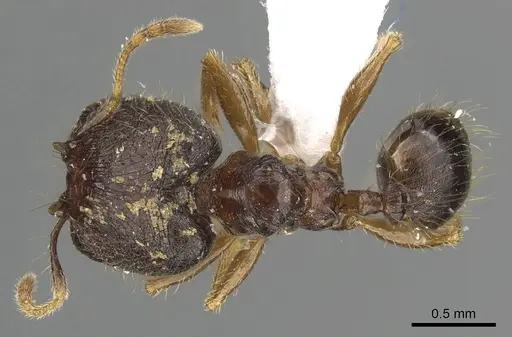
Literature
Loading distribution map...Loading products...