
Pheidole spathifera
- Sci. Name
- Pheidole spathifera
- Tribe
- Attini
- Subfamily
- Myrmicinae
- Author
- Forel, 1902
- Distribution
- Found in 2 countries
Introduction
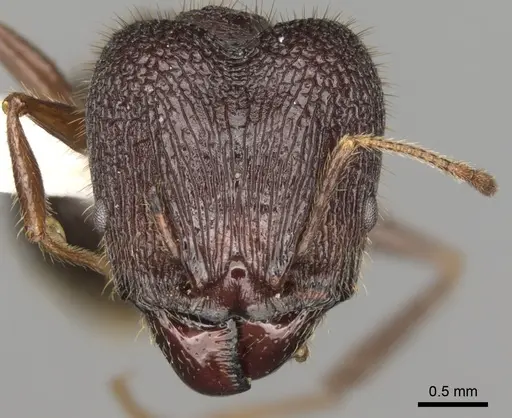
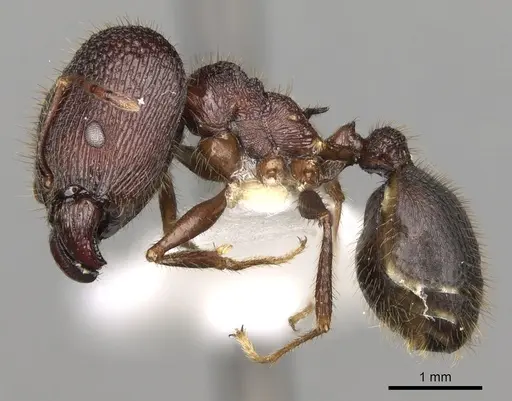
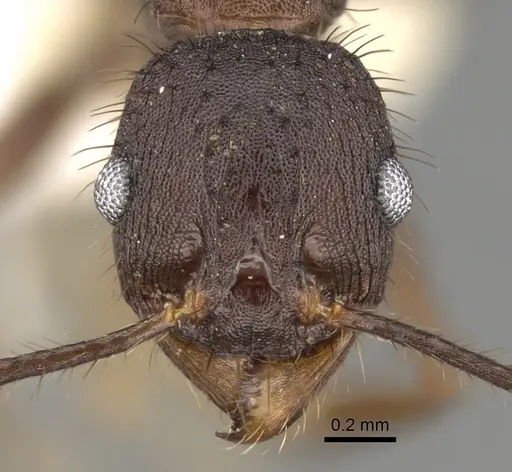
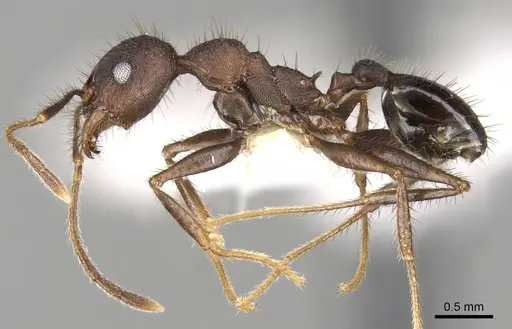
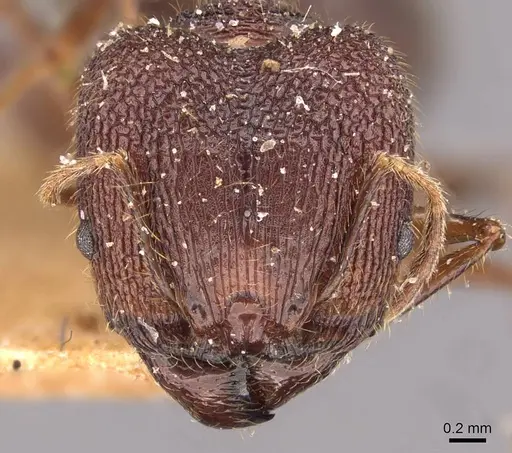
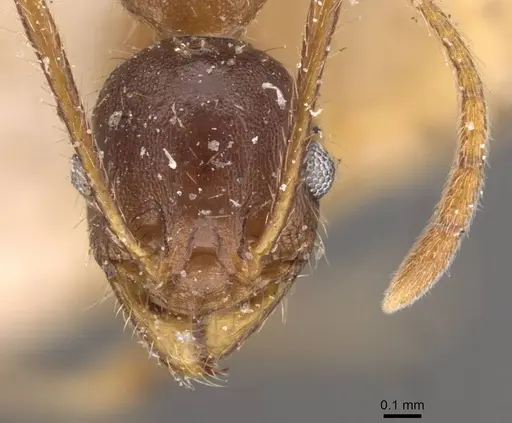
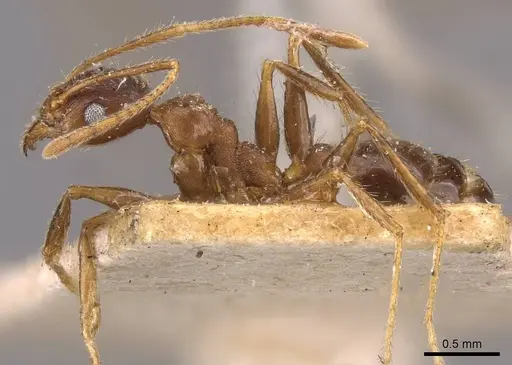
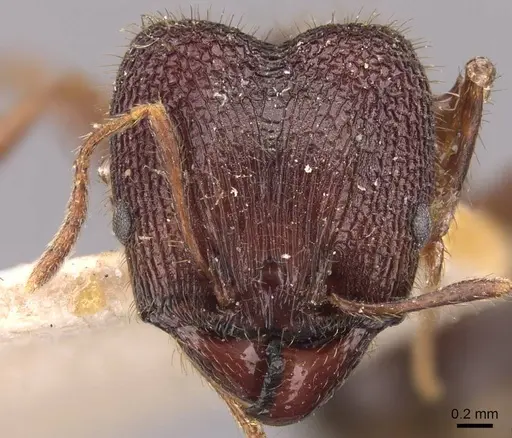
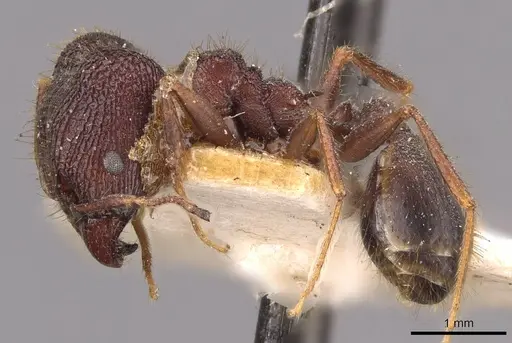
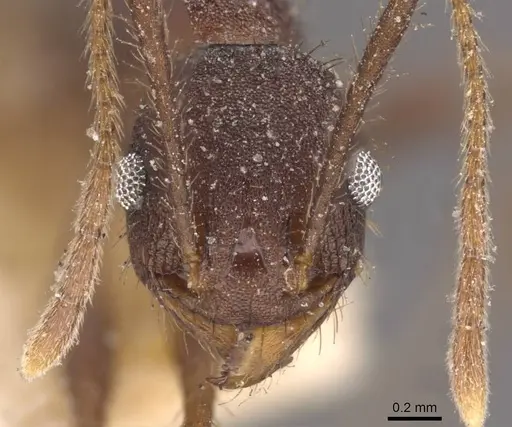
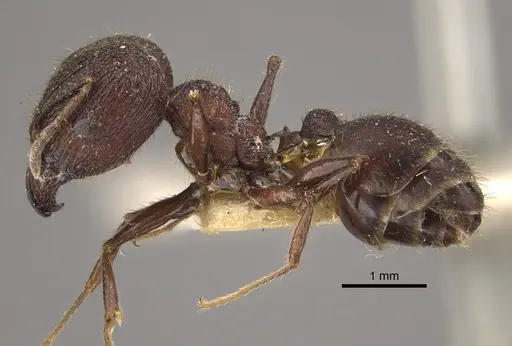
Pheidole spathifera is a small ant species native to South and Southeast Asia, including India, Sri Lanka, Bangladesh, Myanmar, Thailand, and southern China . Soldiers are about 5.6 mm total length, while minor workers are 2.8-2.9 mm, with a reddish-brown to yellowish-brown body . This species is a habitat specialist found primarily in primary forests . Pheidole spathifera is a generalized forager with mass recruitment behavior, adapting to various seasonal conditions across its range .
Quick Summary
- Difficulty: Medium
- Origin & Habitat: Native to the Indomalaya region, including India, Sri Lanka, Bangladesh, Myanmar, Thailand, and southern China [1][2][3]. This species is a habitat specialist associated with primary forests and is rarely found in disturbed areas [5].
- Colony Type: Colony structure is unconfirmed in scientific literature. No specific data on queen number or social structure is available.
- Size & Growth:
- Queen: Size data unavailable, no total length measurements for queens in research. Inferred from Pheidole genus (~6-8 mm) [4]
- Worker: Minor workers 2.8-2.9 mm, soldiers 5.6 mm total length [4]
- Colony: Up to 2000 workers estimated based on typical Pheidole colony sizes [4]
- Growth: Moderate
- Development: Estimated 6-8 weeks at optimal temperature, inferred from Pheidole genus patterns [4] (Development time is species-specific but not documented, warmer conditions speed up growth.)
- Antkeeping:
- Temperature: Keep warm, roughly 24-28°C, based on tropical habitat inference [4]
- Humidity: Keep nest substrate consistently moist but not waterlogged, based on forest habitat inference [4]
- Diapause: No, as a tropical species from warm regions, diapause is not required
- Nesting: Use Y-tong (AAC), plaster, or soil nests with damp substrate, scaled to small worker size [4]
- Behavior: Pheidole spathifera is a generalized forager with mass recruitment behavior [6]. Workers are moderately tempered and not aggressive toward keepers, but soldiers defend the nest. Their small size (2.8-2.9 mm for workers) means high escape risk, use fine mesh barriers [4].
- Common Issues: escape prevention is critical due to small worker size, use fine mesh and tight-fitting lids., colonies may decline if humidity drops, monitor substrate moisture closely., wild-caught colonies may carry parasites that harm captive populations., slow founding phase requires patience during claustral period., primary forest specialization may cause stress in disturbed captive environments.
Housing and Nest Setup
Use Y-tong (AAC), plaster, or soil nests for Pheidole spathifera. Provide damp substrate to mimic their natural forest floor habitat. Ensure narrow passages scaled to their small size. A separate outworld area is recommended for foraging and cleanliness. Cover all ventilation with fine mesh to prevent escapes due to their tiny worker size [4].
Feeding and Diet
Pheidole spathifera is a generalized forager with mass recruitment [6]. Offer protein sources like small insects twice weekly and sugar water or honey for energy. Remove uneaten food within 48 hours to prevent mold. For founding queens, no feeding is needed during claustral period [4].
Temperature and Seasonal Care
Keep temperatures around 24-28°C for optimal activity. This species is active in summer, rainy, autumn, and spring seasons but not in winter [7]. No diapause is required as a tropical species. Maintain high humidity with moist substrate [4].
Colony Development and Growth
Colonies grow moderately once established. Founding behavior is unconfirmed, but typical Pheidole species use claustral founding. First workers emerge in estimated 6-8 weeks under warm conditions [4]. Soldier castes develop as the colony grows.
Behavior and Observation
Workers use mass recruitment to forage, creating visible trails [6]. They are moderately tempered and defend nests when threatened. Their small size requires careful escape prevention during care [4].
Frequently Asked Questions
How long does it take for Pheidole spathifera to produce first workers?
First workers typically emerge in 6-8 weeks under optimal warm conditions, inferred from Pheidole genus patterns [4].
Can I keep Pheidole spathifera in a test tube setup?
Yes, test tubes work for founding colonies. Keep cotton damp and transfer to a proper nest once the colony reaches 30-50 workers or shows crowding [4].
What do I feed Pheidole spathifera?
Offer small insects for protein twice weekly and sugar water or honey for energy. Remove uneaten food within 48 hours [6][4].
Are Pheidole spathifera good for beginners?
They are moderate difficulty due to small size and humidity needs, but not recommended for absolute beginners [4].
Do Pheidole spathifera need hibernation?
No, as a tropical species, they do not require hibernation. Slight temperature reduction in winter is acceptable.
How big do Pheidole spathifera colonies get?
Mature colonies can reach up to 2000 workers, estimated from typical Pheidole sizes [4].
Why are my Pheidole spathifera dying?
Common causes include low humidity, temperature extremes, mold, or escape stress. Check these parameters first [4].
When should I move my colony to a formicarium?
Move from test tube to a proper nest when the colony reaches 30-50 workers or shows crowding [4].
Report an Issue
The current care sheet is based fully on literature. See inconsistencies, or something that's incorrect? Please , it will be resolved after review from an admin. Contributing to the blogs tab also helps providing information, to make us be able to further improve the caresheets. Thank you for your support!
References

This caresheet is licensed under CC BY-SA 4.0 .
Community Blogs
CASENT0281634
View on AntWeb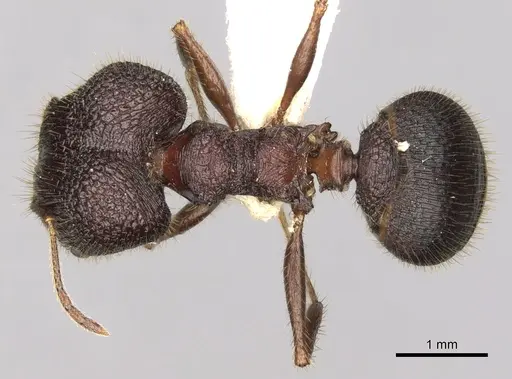
CASENT0281635
View on AntWeb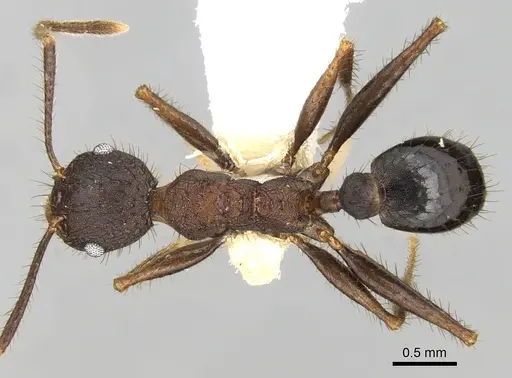
CASENT0907955
View on AntWeb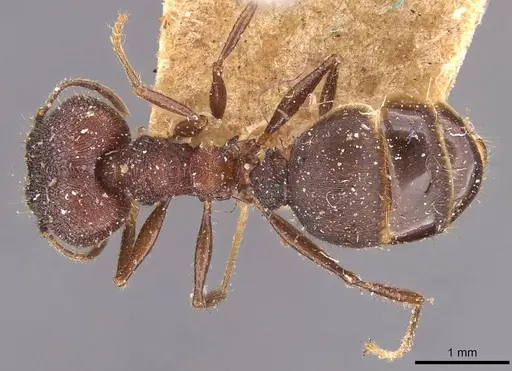
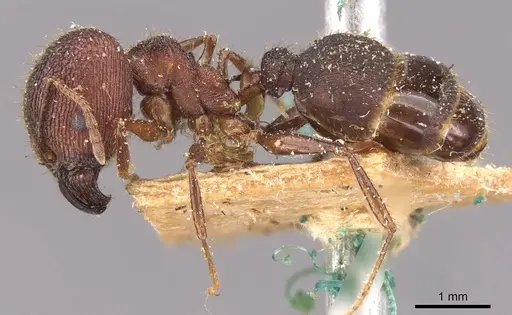
CASENT0907956
View on AntWeb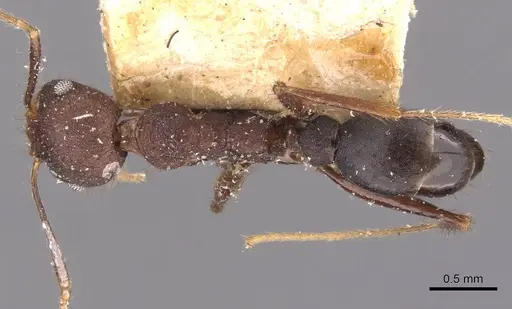
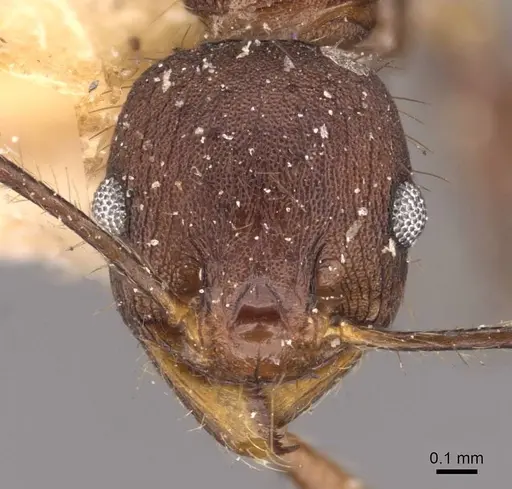
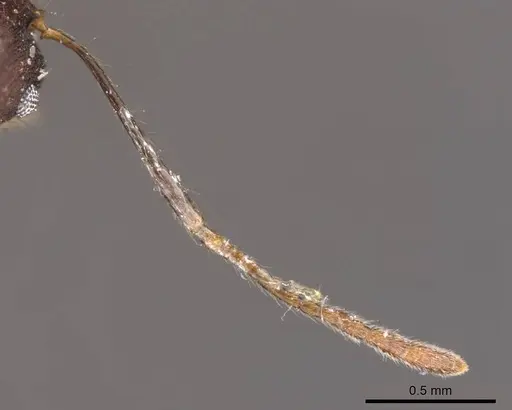
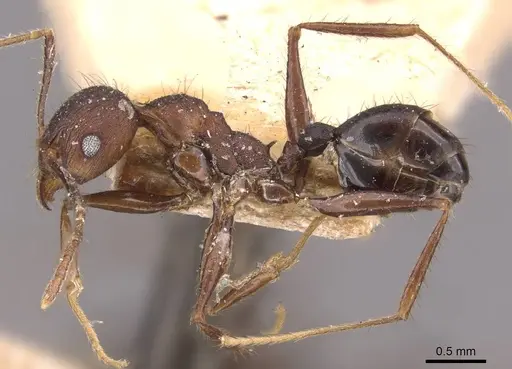
CASENT0907957
View on AntWeb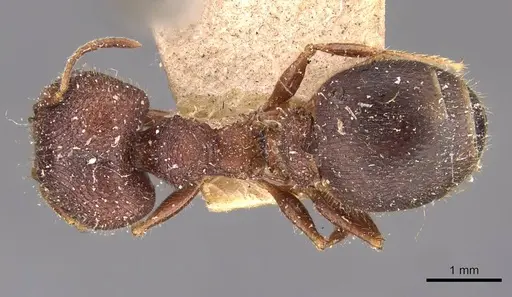
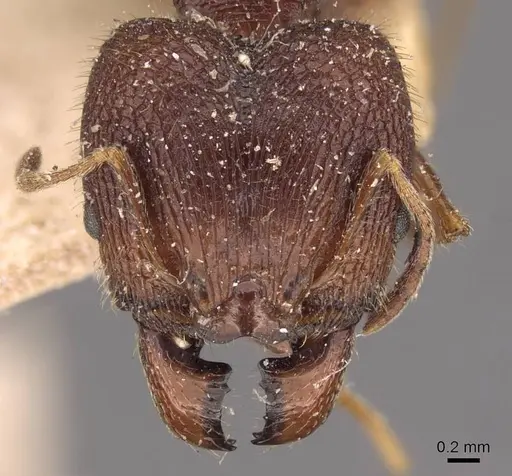
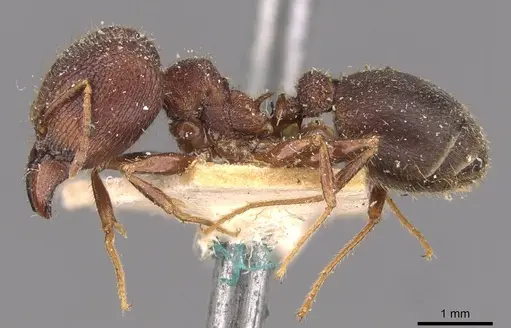
CASENT0907958
View on AntWeb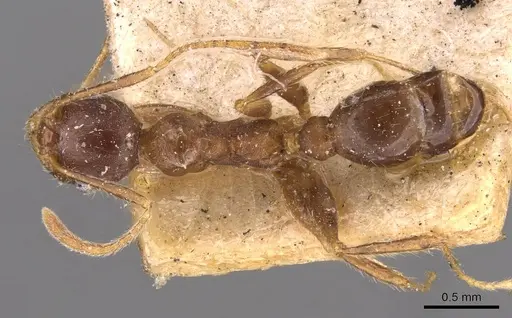
CASENT0907959
View on AntWeb
CASENT0907960
View on AntWeb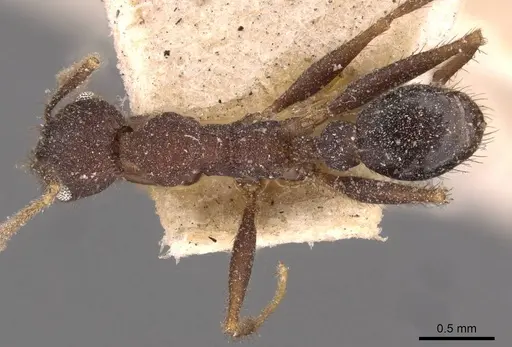
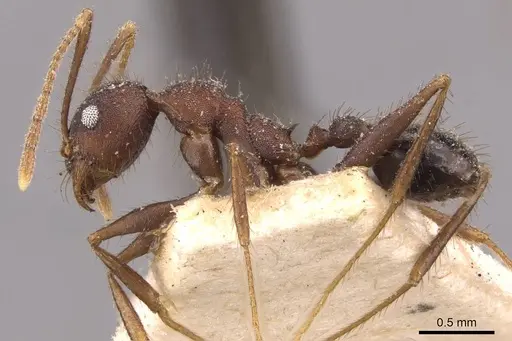
CASENT0917784
View on AntWeb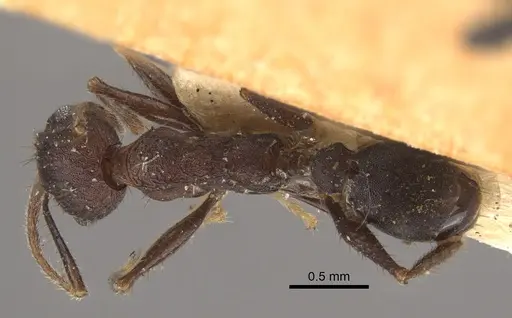
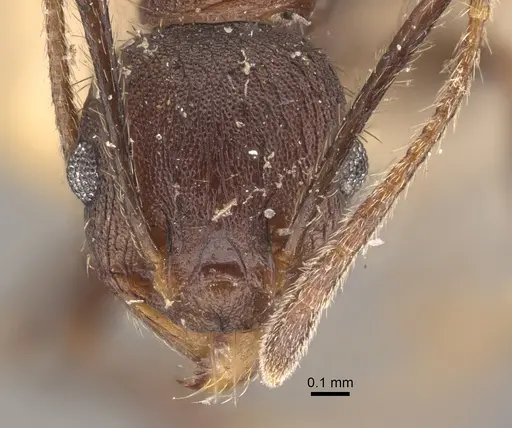
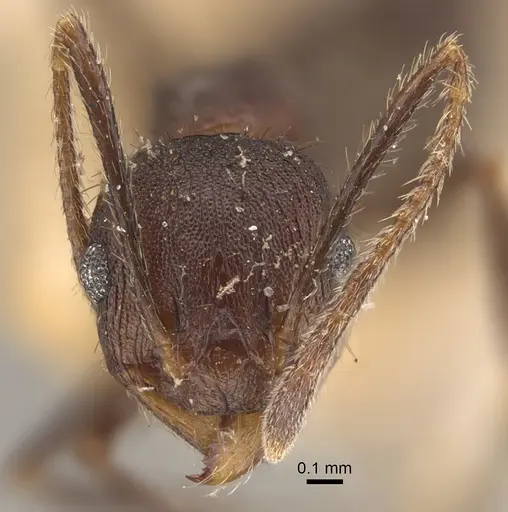
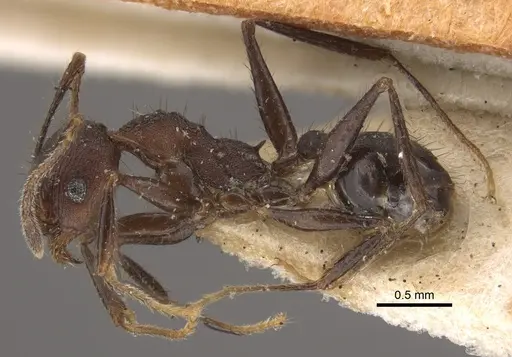
CASENT0917785
View on AntWeb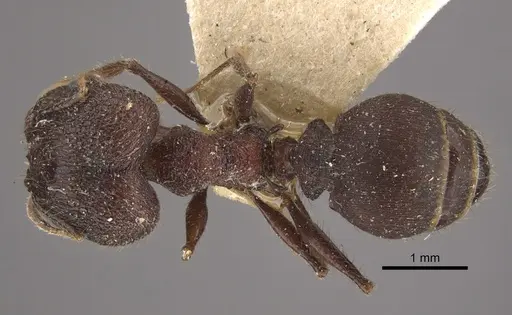
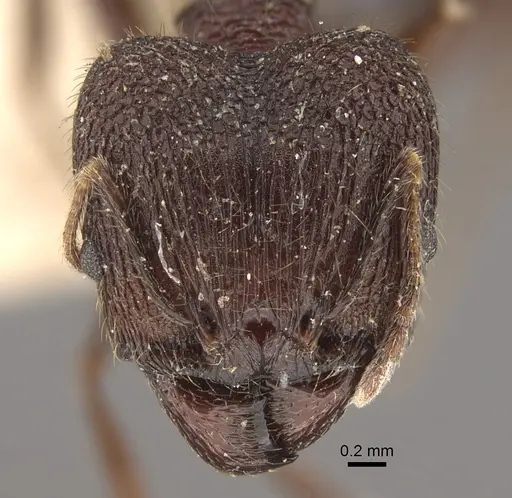
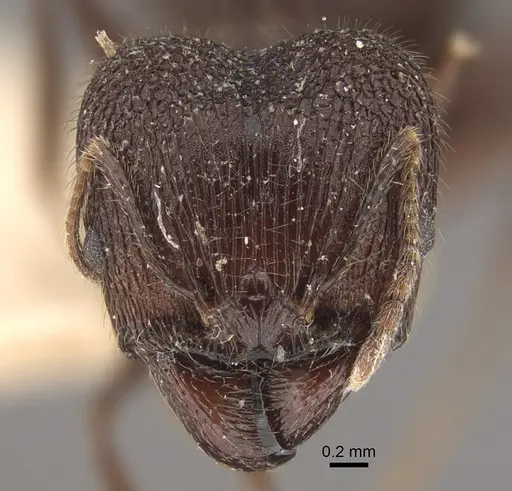
Literature
Loading distribution map...Loading products...