
Pheidole sofia
- Sci. Name
- Pheidole sofia
- Tribe
- Attini
- Subfamily
- Myrmicinae
- Author
- Salata & Fisher, 2020
- Distribution
- Found in 1 countries
Introduction
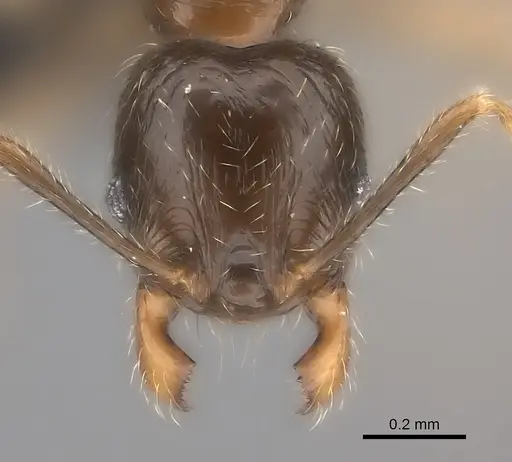
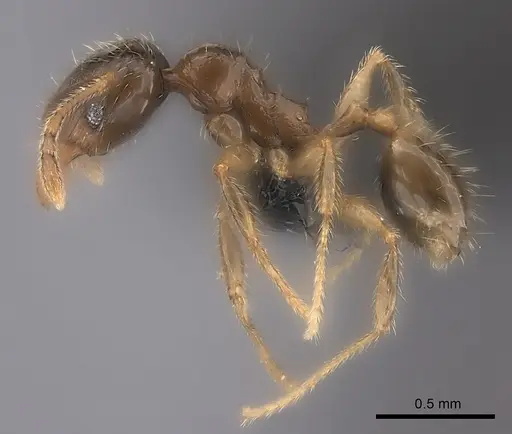
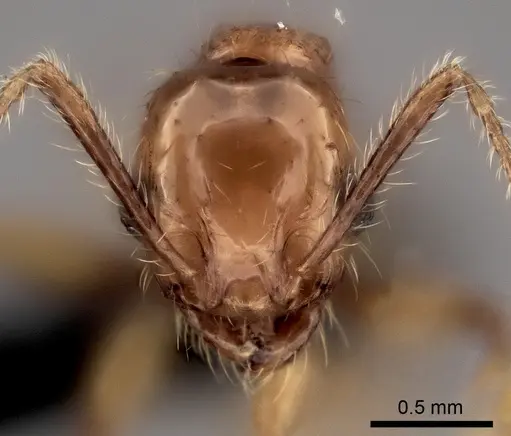
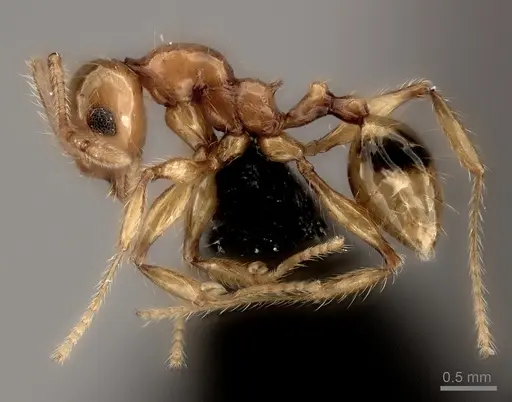
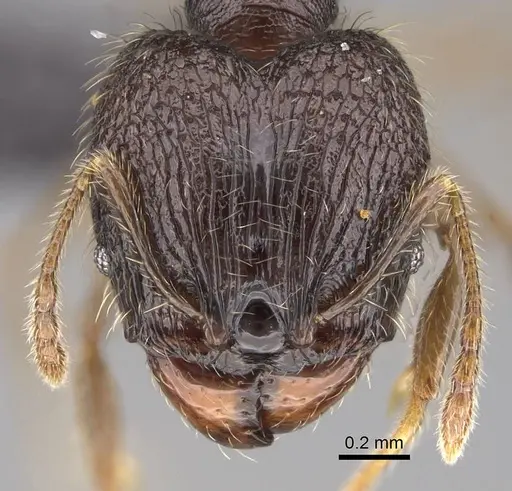
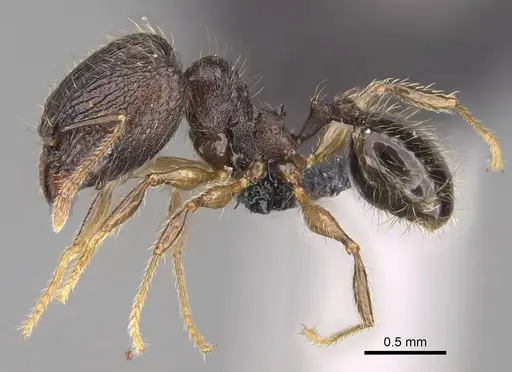
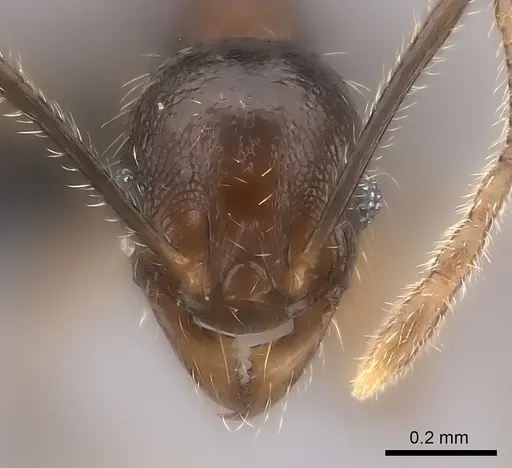
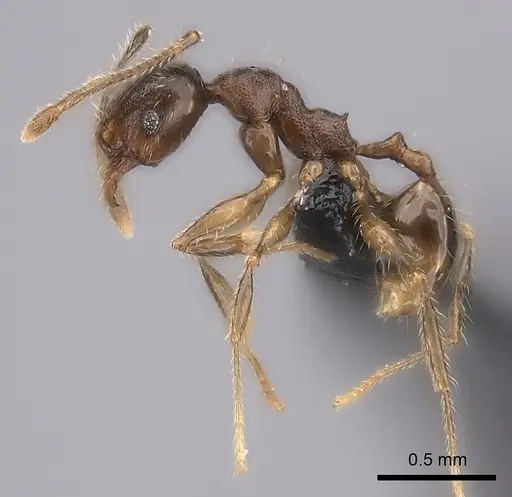
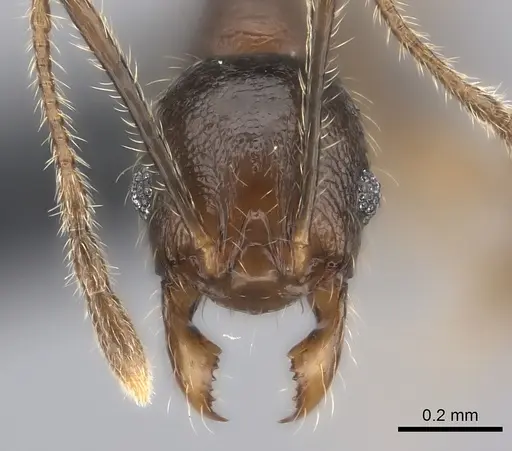
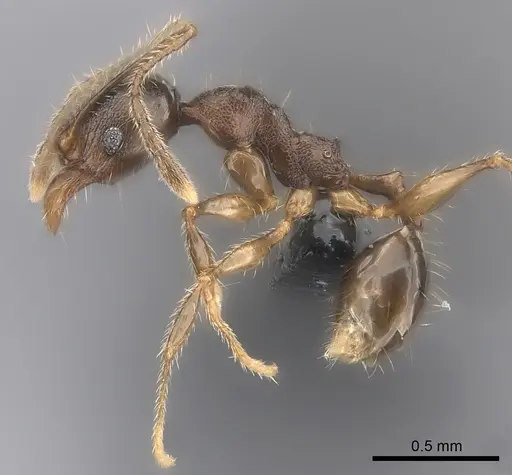
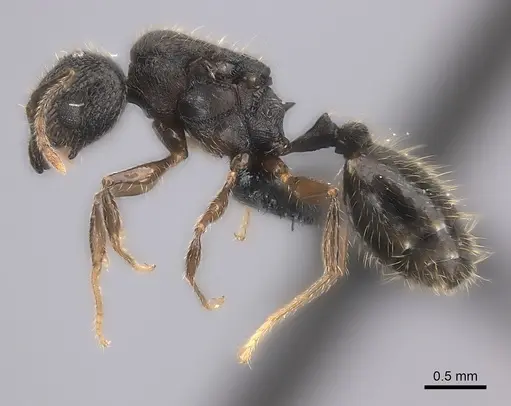
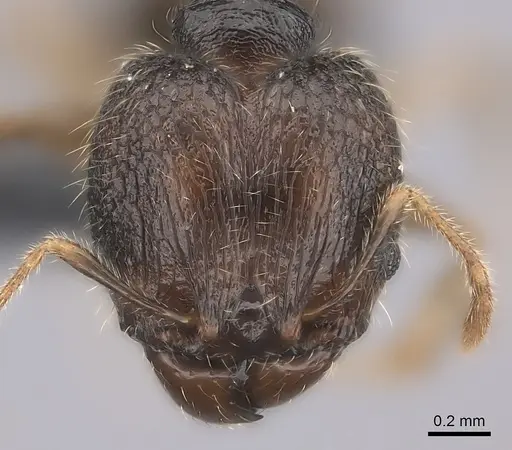
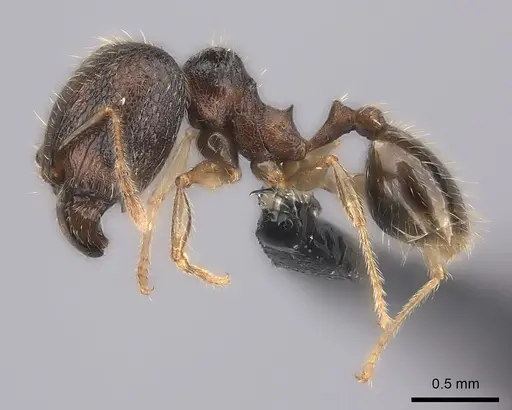
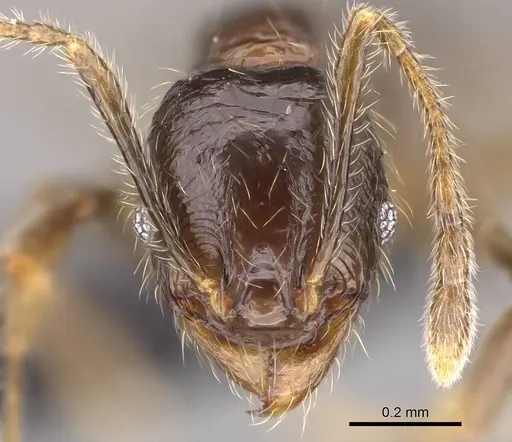
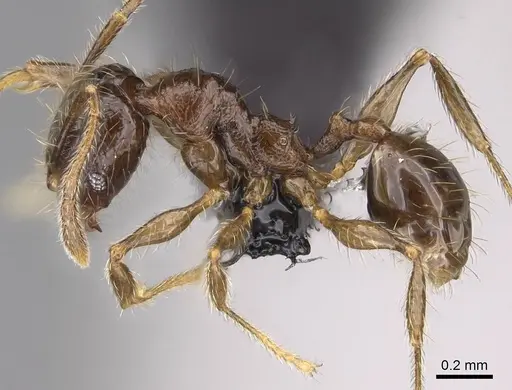
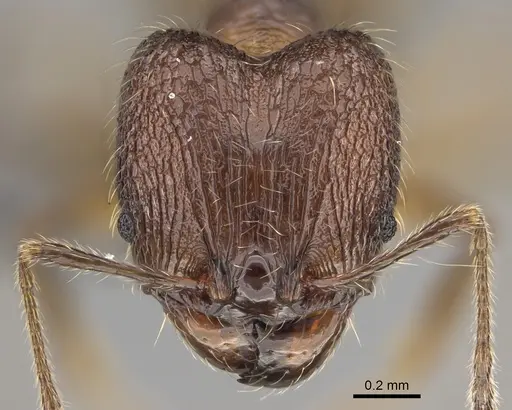
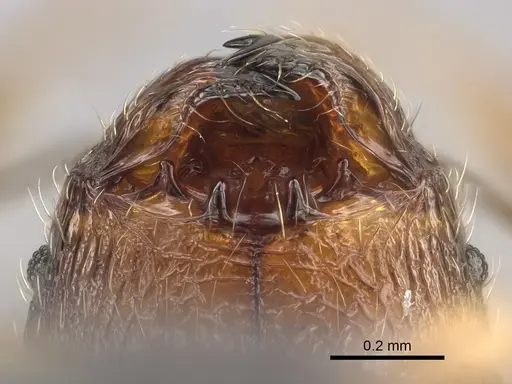
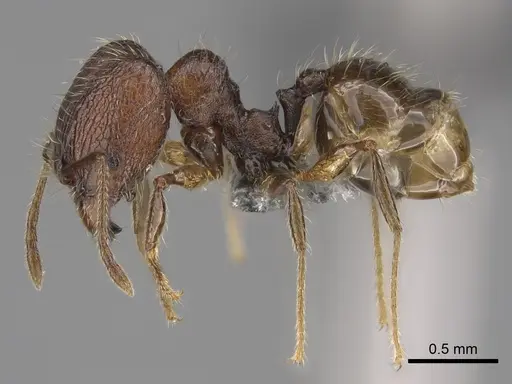
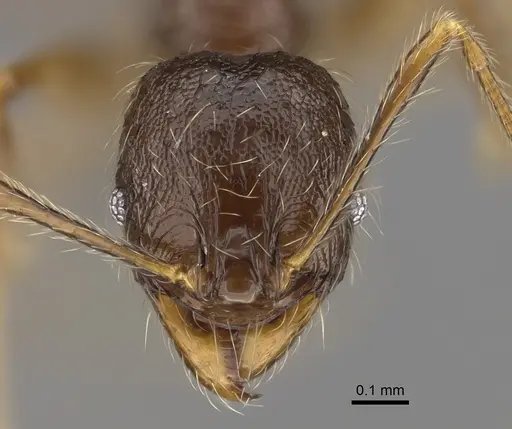
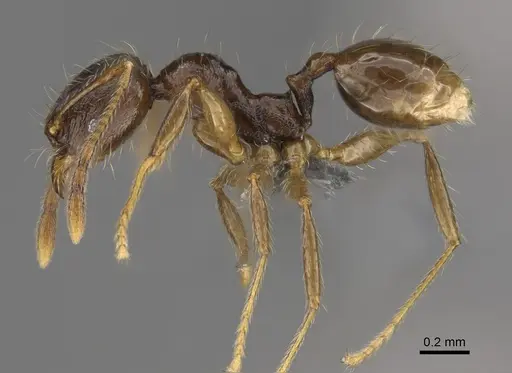
Pheidole sofia is a moderately large ant species native to Madagascar, belonging to the Pheidole sikorae species group. It is found in rainforest, montane rainforest, montane ravine forest, and urban areas at elevations between 390 and 1657 meters . Major workers have a ferruginous body color, while minor workers are brown . This species nests naturally in rotten logs, rotten sticks on the ground, and soil . It is similar to Pheidole manantenina but distinguished by its ferruginous color and specific head sculpture .
Quick Summary
- Difficulty: Medium
- Origin & Habitat: Madagascar, found in rainforest, montane rainforest, montane ravine forest, and urban areas at elevations of 390-1657 meters [1]
- Colony Type: Based on Pheidole genus patterns, likely monogyne (single-queen colonies)
- Size & Growth:
- Queen: ~8-12 mm, inferred from Pheidole genus
- Worker: Minor workers: ~2-4 mm, Major workers: ~4-6 mm, inferred from Pheidole genus
- Colony: Colony size data unavailable
- Growth: Moderate, inferred from tropical Pheidole species
- Development: Estimated 6-8 weeks, inferred from tropical Pheidole species (Development time is estimated from genus-level data since specific species development has not been studied)
- Antkeeping:
- Temperature: Keep warm, roughly 24-28°C, based on tropical habitat [1]
- Humidity: Keep nest substrate consistently moist but not waterlogged, based on natural nesting in humid forests [1]
- Diapause: No, as a tropical species, they do not require diapause [1]
- Nesting: Prefer nests in rotten logs, rotten sticks, and soil. In captivity, use Y-tong, plaster, or naturalistic setups with rotting wood [1]
- Behavior: Generally calm and not aggressive. Major workers defend with enlarged mandibles. Escape risk is moderate due to their size, so ensure barriers are secure.
- Common Issues: high humidity requirements mean mold can develop if ventilation is poor, ensure adequate airflow while maintaining moisture, tropical species may struggle if temperatures drop below 22°C, monitor closely in cooler climates, colonies may be slow to establish initially, patience is needed during the founding phase, major workers develop later than minor workers, don't be concerned if early broods are all minor workers, wild-caught colonies may carry parasites or diseases that can cause colony failure in captivity
Nest Preferences and Housing
Pheidole sofia naturally nests in rotting wood and soil in humid forest environments [1]. In captivity, they adapt well to various nest types. For founding colonies, a simple test tube setup works well, fill it partially with water-saturated cotton and plug with another cotton ball, then place the queen in the dark chamber. As the colony grows, you can move them to a Y-tong nest or a plaster nest that allows you to maintain humidity. Naturalistic setups with actual rotting wood pieces also work well and mimic their natural habitat. The nest chambers should be appropriately sized, not too large, as ants prefer snug spaces. Ensure the nest material can hold moisture since this is a humidity-loving species.
Feeding and Diet
Pheidole species are omnivorous and will accept a variety of foods. Offer protein sources such as small insects (fruit flies, small crickets, mealworms), and they will also collect honeydew or sugar water. Pheidole sofia likely forages for seeds and small arthropods in nature, so offering crushed seeds or seed mixes can provide variety. Feed them protein-rich foods 2-3 times per week, and keep a constant supply of sugar water or honey. Remove any uneaten food after 24-48 hours to prevent mold. During the founding phase, the queen does not need food, she relies on stored fat reserves. Once workers emerge, they will begin foraging, so offer food in the outworld.
Temperature and Seasonal Care
As a tropical species from Madagascar, Pheidole sofia requires warm temperatures year-round. Keep the nest area at roughly 24-28°C for optimal brood development [1]. Temperatures below 22°C can slow growth and potentially stress the colony. Use a heating cable or heating mat on one side of the nest to create a temperature gradient, allowing the ants to choose their preferred zone. Place the heating on top of the nest, not underneath, to avoid excessive drying. Since this is not a species that experiences cold winters in its native range, no hibernation or diapause is needed. Maintain consistent temperatures throughout the year to support continuous colony growth.
Humidity Management
This species requires high humidity to thrive, reflecting its natural habitat in Madagascar's rainforests [1]. Keep the nest substrate consistently moist, the substrate should feel damp to the touch but not have standing water. Mist the outworld regularly and consider using a water reservoir in your nest setup to maintain humidity. However, balance humidity with adequate ventilation to prevent mold growth, which can be fatal to ant colonies. If you notice condensation forming heavily on the nest walls, increase ventilation slightly. The nest material should be able to hold moisture without drying out quickly.
Colony Development and Growth
Pheidole sofia follows the typical Pheidole colony development pattern. The claustral queen seals herself in a chamber and raises the first brood alone using stored fat reserves. The first workers (nanitics) are typically smaller than normal workers and emerge within an estimated 6-8 weeks under optimal conditions. After the first workers arrive, the colony enters a rapid growth phase as the queen continues laying eggs and workers take over foraging and nest maintenance. Major workers develop later in the colony's life cycle, don't be concerned if early broods produce only minor workers, as majors typically appear once the colony reaches several hundred workers. Colony growth rate is moderate, and mature colonies can reach several thousand workers.
Behavior and Temperament
Pheidole sofia has a typical Pheidole temperament, generally calm and manageable in captivity. Major workers serve as the soldier caste and will defend the colony with their enlarged mandibles if threatened, though they pose minimal danger to keepers. Workers are active foragers that will readily explore the outworld in search of food. This species is not known for being particularly aggressive or for having painful stings, Pheidole stings are typically mild due to the ants' small size. They are primarily nocturnal foragers in the wild, so you may notice increased activity during evening hours. Provide them with a dark outworld or hiding spots to reduce stress. They are not known escape artists, but standard escape prevention measures should still be used.
Frequently Asked Questions
How long does it take for Pheidole sofia to have first workers?
First workers typically emerge in an estimated 6-8 weeks under optimal conditions (24-28°C and high humidity). This is inferred from typical Pheidole development, as specific timing for this species has not been documented.
What do Pheidole sofia ants eat?
They are omnivorous and accept protein sources like small insects (fruit flies, small crickets, mealworms) and sugar sources like honey water or sugar water. They will also collect seeds in nature, so crushed seeds can be offered as occasional variety.
What temperature do Pheidole sofia need?
Keep them at roughly 24-28°C. This is a tropical species from Madagascar that prefers warm, stable conditions [1]. Temperatures below 22°C can stress the colony and slow growth.
Do Pheidole sofia need hibernation?
No, they do not require hibernation. As a tropical species, they need consistent warmth year-round [1]. No diapause or winter rest period is needed.
How big do Pheidole sofia colonies get?
Colony size data is unavailable for this species. However, typical Pheidole colonies can reach several thousand workers.
Can I keep multiple Pheidole sofia queens together?
Pheidole species are typically monogyne (single-queen). Combining unrelated queens is not recommended as they will likely fight. Only one queen per colony is standard practice.
What humidity level do Pheidole sofia need?
High humidity is required, keep the nest substrate consistently moist but not waterlogged [1]. This reflects their natural habitat in humid rainforest environments.
What nest type is best for Pheidole sofia?
They adapt well to various nest types. Test tubes work for founding, while Y-tong, plaster, or naturalistic setups with rotting wood work well for established colonies [1]. The key is maintaining high humidity in the nest.
Are Pheidole sofia good for beginners?
They are rated as Medium difficulty. They require warm temperatures and high humidity, which may require more equipment than easier species. However, they are generally docile and not aggressive, making them manageable once the humidity and temperature requirements are met.
Why are my Pheidole sofia dying?
Common causes include temperatures below 22°C, low humidity causing desiccation, mold from excessive moisture with poor ventilation, or parasites from wild-caught colonies. Check your temperature and humidity levels first. If the colony was wild-caught, disease or parasites may be the culprit.
When will major workers appear in Pheidole sofia?
Major workers typically appear later in colony development, once the colony reaches several hundred workers. Early broods are usually all minor workers. This is normal Pheidole behavior, majors develop as the colony grows and needs more defense and food-processing capacity.
Report an Issue
The current care sheet is based fully on literature. See inconsistencies, or something that's incorrect? Please , it will be resolved after review from an admin. Contributing to the blogs tab also helps providing information, to make us be able to further improve the caresheets. Thank you for your support!
References

This caresheet is licensed under CC BY-SA 4.0 .
Community Blogs
CASENT0120434
View on AntWeb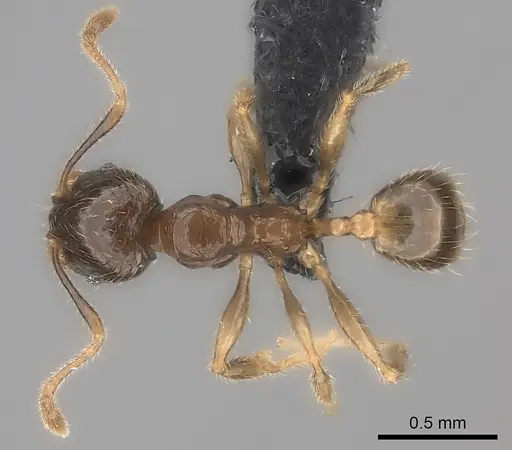
CASENT0134184
View on AntWeb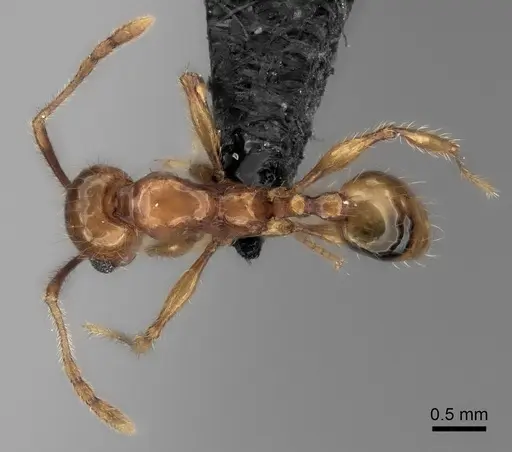
CASENT0134187
View on AntWeb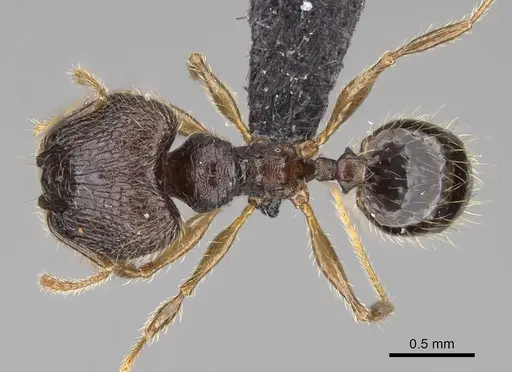
CASENT0134472
View on AntWeb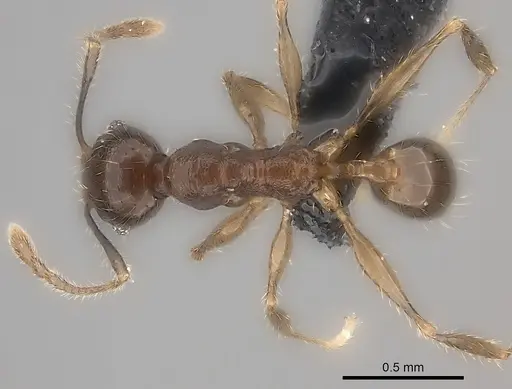
CASENT0134473
View on AntWeb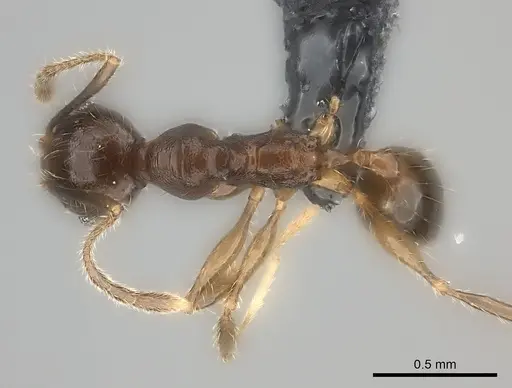
CASENT0235074
View on AntWeb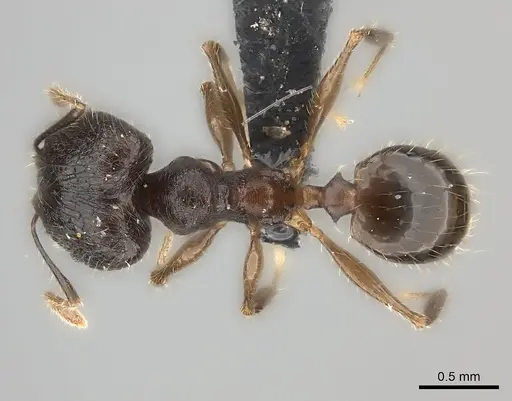
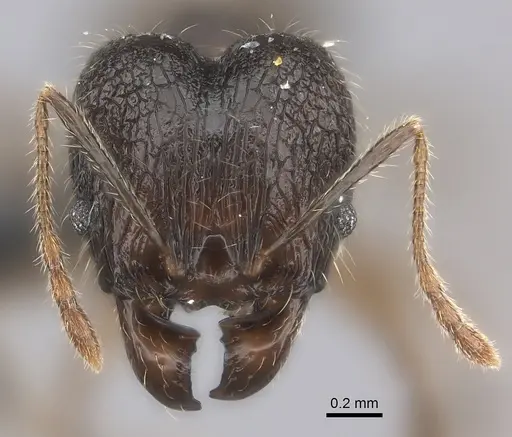
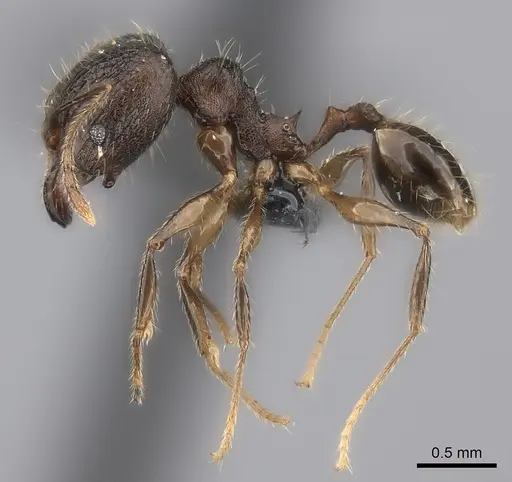
CASENT0235075
View on AntWeb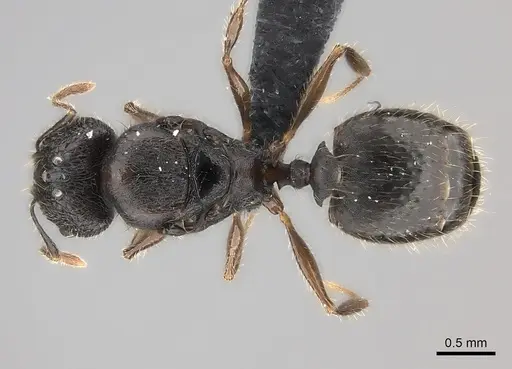
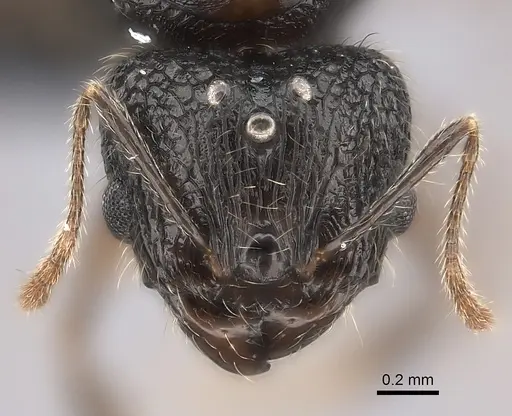
CASENT0235078
View on AntWeb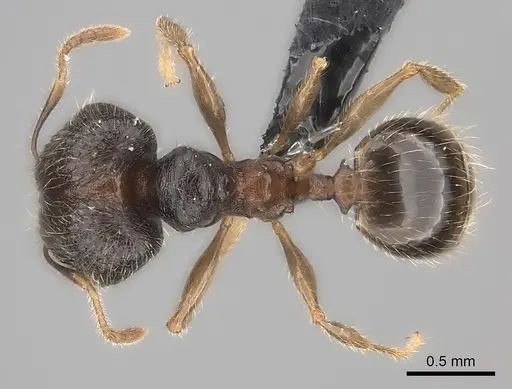
CASENT0235100
View on AntWeb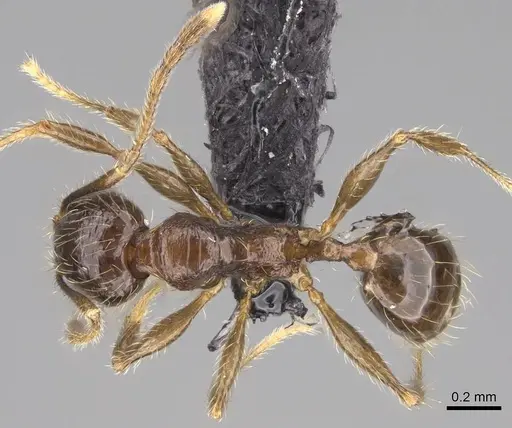
CASENT0705626
View on AntWeb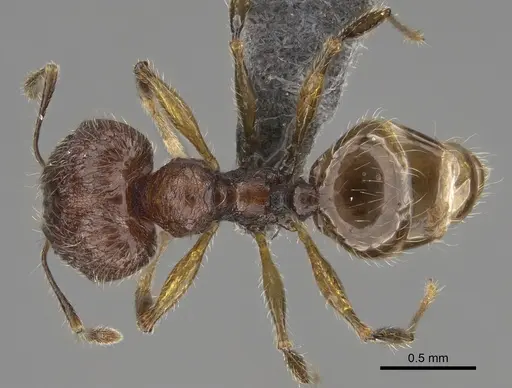
CASENT0923280
View on AntWeb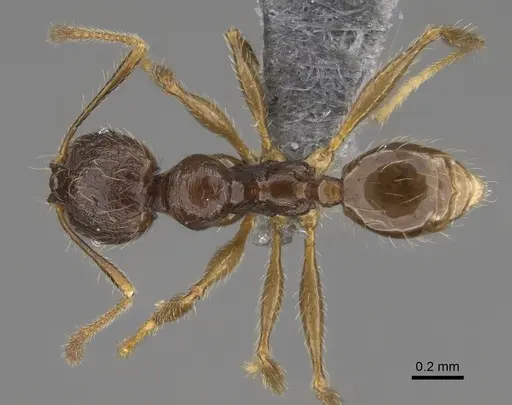
Literature
Loading distribution map...Loading products...