
Pheidole skwarrae
- Sci. Name
- Pheidole skwarrae
- Tribe
- Attini
- Subfamily
- Myrmicinae
- Author
- Wheeler, 1934
- Distribution
- Found in 1 countries
Introduction
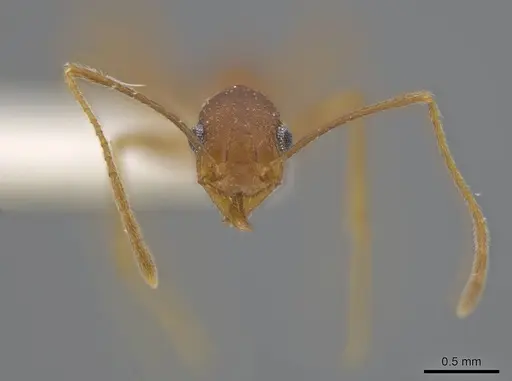
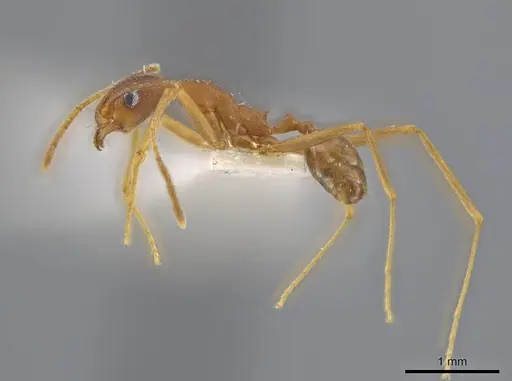
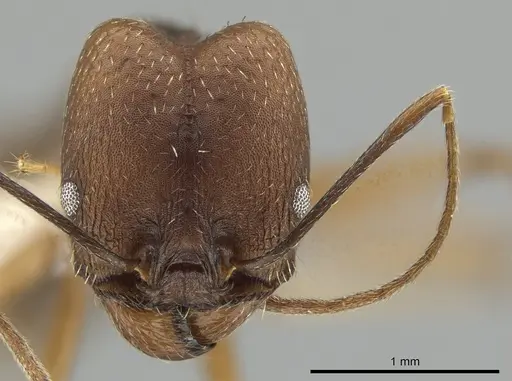
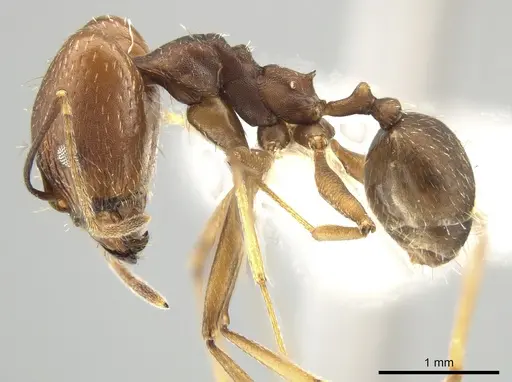
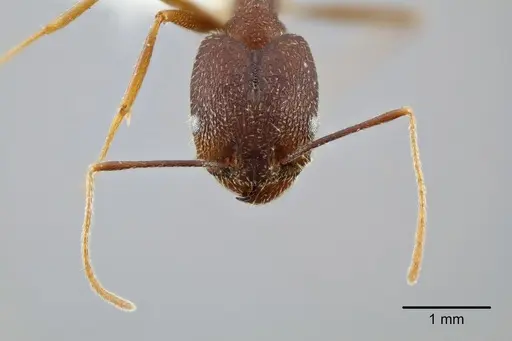
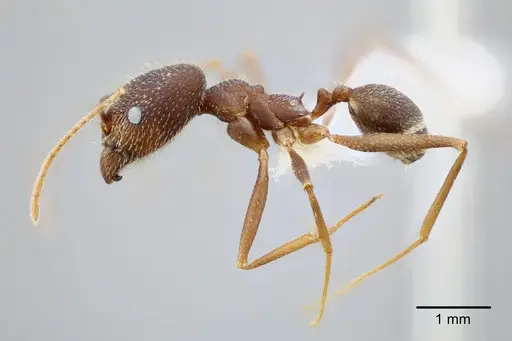
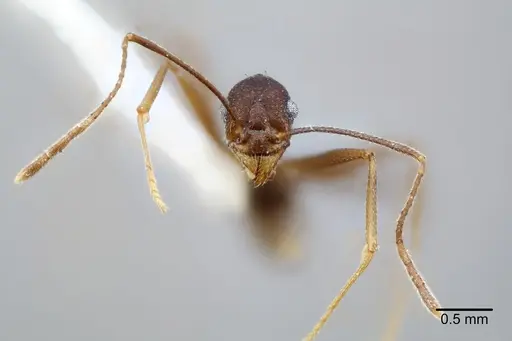
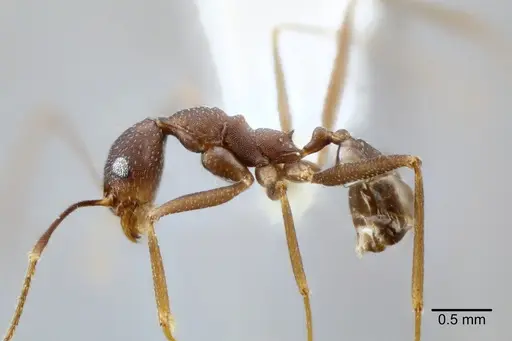
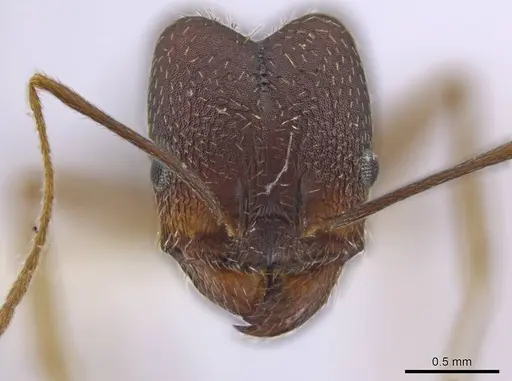
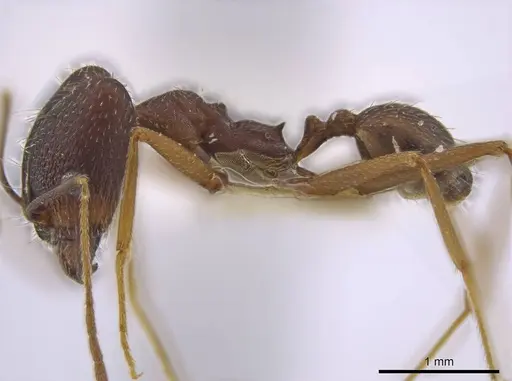
Pheidole skwarrae is a small ant species endemic to central Mexico, where it lives in tropical dry forests and xeric shrubland at elevations between 200 and 1,455 meters . Major workers have an elongated head with a deep occipital cleft and long antennae, while minor workers are smaller with proportionally long scapes. Both castes are medium brown with yellowish-brown appendages . This species is highly sensitive to environmental disturbance and serves as a bioindicator for ecosystem health in central Mexico .
Quick Summary
- Difficulty: Hard
- Origin & Habitat: Endemic to central Mexico (Morelos, Jalisco, Puebla) in tropical dry forest and xeric shrubland at 200-1,455m elevation [1]. The type colony was nesting beneath a stone [2].
- Colony Type: Unconfirmed, colony structure has not been specifically documented for this species.
- Size & Growth:
- Queen: size unknown, inferred from Pheidole genus (~6-8 mm)
- Worker: size unknown, inferred from Pheidole genus (~2-5 mm)
- Colony: up to several hundred workers, inferred from Pheidole genus
- Growth: Unknown
- Development: unconfirmed, estimated 6-8 weeks based on typical Pheidole development patterns (No species-specific development data exists. Development may vary with temperature.)
- Antkeeping:
- Temperature: Keep around 22-26°C based on habitat in central Mexico [1]. Provide a gentle temperature gradient.
- Humidity: Keep nest substrate consistently moist but not waterlogged, allowing partial drying as they prefer xeric conditions [1].
- Diapause: Unknown, based on geographic range, may not require true hibernation [1].
- Nesting: Natural nesting: beneath stones in ground [2]. In captivity, use Y-tong or plaster nests with compact chambers appropriate for small size.
- Behavior: This species is a granivore, primarily eating seeds [3]. They are sensitive to disturbance and may be fragile in captivity [3]. Escape prevention should be moderate due to small size.
- Common Issues: sensitivity to disturbance, wild colonies are rare and may be difficult to establish in captivity., lack of captive care data makes proper husbandry uncertain., granivore diet may require specific seed offerings not well documented., small colony sizes in the wild suggest slow development.
Distribution and Natural Habitat
Pheidole skwarrae is endemic to central Mexico, specifically found in the states of Morelos, Jalisco, and Puebla [1]. The species inhabits tropical dry forest and xeric shrubland at elevations ranging from 200 to 1,455 meters [1]. Field studies show this species is highly sensitive to environmental disturbance, it was only recorded in conserved sites and not in disturbed areas, making it a bioindicator species for ecosystem health [3]. The type colony was collected nesting beneath a stone in Cuernavaca, Morelos [2].
Identification and Morphology
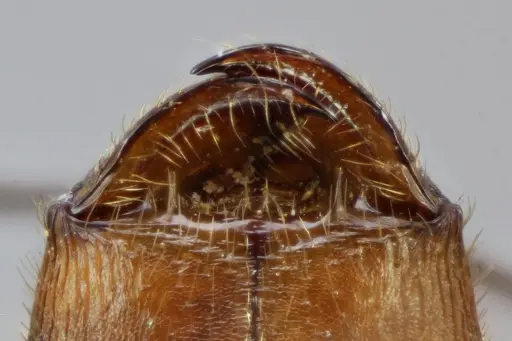
This species belongs to the fallax group within Pheidole. Major workers have a distinctive elongated head with a deep occipital cleft and subangulate occipital lobes when viewed from the front. The antennae are very long, extending past the occipital lobe by twice the scape's width. The entire body is foveolate and opaque, giving it a matte texture. Minor workers have an even longer relative scape length. Both castes are medium brown in color with yellowish-brown appendages [1][2].
Feeding and Diet
Pheidole skwarrae is classified as a granivore feeding guild, meaning it primarily consumes seeds in the wild [3]. In captivity, you should offer a mix of seeds as a staple food source. Protein in the form of small insects should also be provided. Sugar water or honey can be offered occasionally, though granivore species typically rely less on sugar sources.
Nesting Preferences
In the wild, this species nests beneath stones in the ground, typical of many ground-nesting Pheidole [2]. For captive care, provide a nest chamber that mimics these conditions, a compact, dark space. Y-tong or plaster nests work well for this species. The nest should have narrow to medium-sized chambers appropriate for their small size. Provide a water tube or moist substrate to maintain moderate humidity, but allow portions of the nest to dry out as they prefer xeric conditions.
Conservation and Collection Notes
This species is notable for its sensitivity to environmental disturbance. Field studies in central Mexico found P. skwarrae only in conserved areas with minimal human disturbance, and it was completely absent from disturbed sites [3]. This makes it potentially one of the more delicate Pheidole species to keep, as wild-caught colonies may be stressed by collection and captive conditions. If obtaining from the wild, exercise caution as their populations are not large and they serve as bioindicators of ecosystem health.
Frequently Asked Questions
How long does it take for Pheidole skwarrae to produce first workers?
The exact development time is unconfirmed for this species. Based on typical Pheidole development patterns, expect 6-8 weeks from egg to worker at optimal temperatures around 24-26°C [1].
What do Pheidole skwarrae ants eat?
This is a granivore species, they primarily eat seeds in the wild [3]. Offer grass seeds, millet, or small bird seed as a staple. Supplement with protein sources like small insects.
Are Pheidole skwarrae good for beginners?
This species is not recommended for beginners due to limited captive care data and high sensitivity to disturbance [3].
What temperature and humidity do Pheidole skwarrae need?
Keep temperatures around 22-26°C based on their habitat in central Mexico [1]. Humidity should be moderate, with nest substrate allowed to partially dry between waterings [1].
How big do Pheidole skwarrae colonies get?
Colony size is not documented for this species. Based on typical Pheidole genus patterns, expect up to several hundred workers [1].
Can I keep multiple queens together?
Pheidole skwarrae colony type is unconfirmed, but most Pheidole species are monogyne. Combining unrelated queens is not recommended without specific data.
What type of nest is best for Pheidole skwarrae?
A Y-tong or plaster nest works well, mimicking natural nesting under stones [2].
Does Pheidole skwarrae need hibernation?
Diapause requirements are unknown for this species. Based on geographic range, they may not require true hibernation [1].
Why are my Pheidole skwarrae dying?
This species is highly sensitive to disturbance and environmental conditions [3]. Ensure you are not keeping them too wet, and avoid excessive handling. Review temperature, humidity, and food offerings.
Report an Issue
The current care sheet is based fully on literature. See inconsistencies, or something that's incorrect? Please , it will be resolved after review from an admin. Contributing to the blogs tab also helps providing information, to make us be able to further improve the caresheets. Thank you for your support!
References

This caresheet is licensed under CC BY-SA 4.0 .
Community Blogs
CASENT0636796
View on AntWeb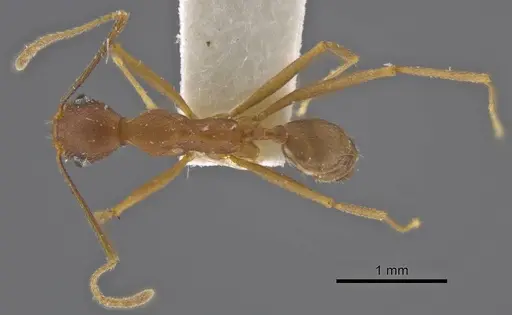
CASENT0643968
View on AntWeb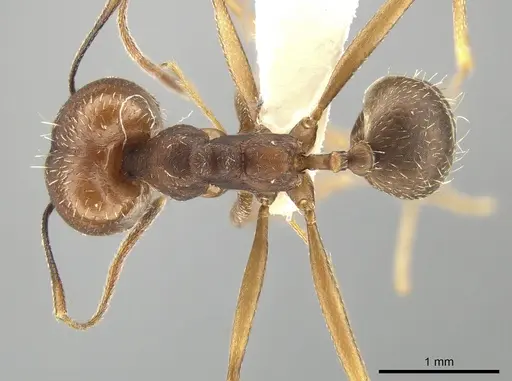
CASENT0649704
View on AntWeb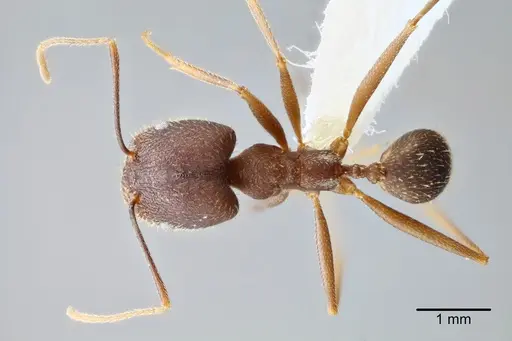
CASENT0649705
View on AntWeb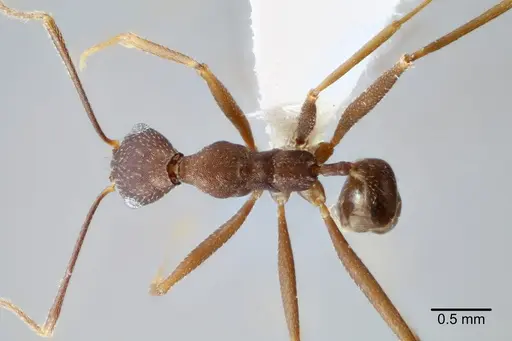
JTLC000016530
View on AntWeb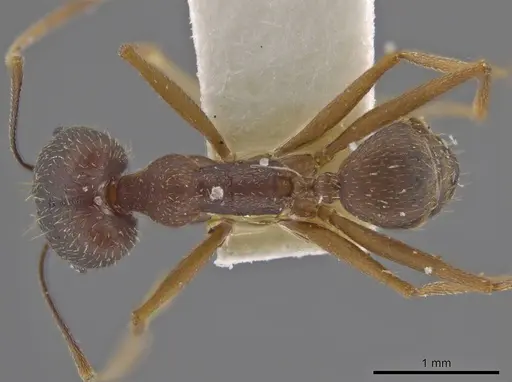
Literature
Loading distribution map...Loading products...