
Pheidole sitiens
- Sci. Name
- Pheidole sitiens
- Tribe
- Attini
- Subfamily
- Myrmicinae
- Author
- Wilson, 2003
- Distribution
- Found in 2 countries
Introduction
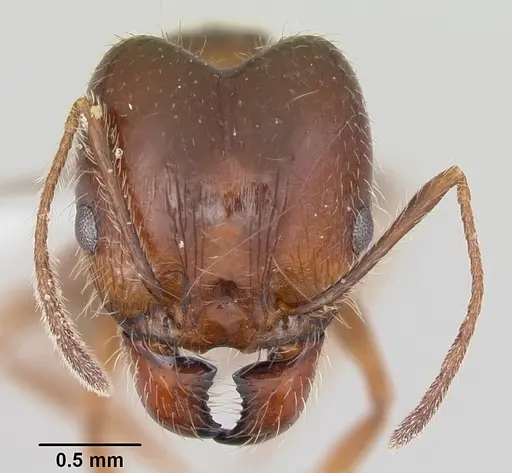
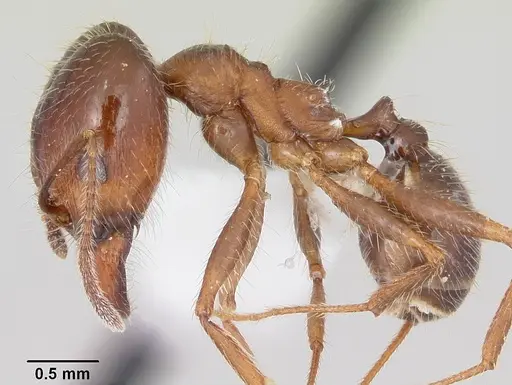
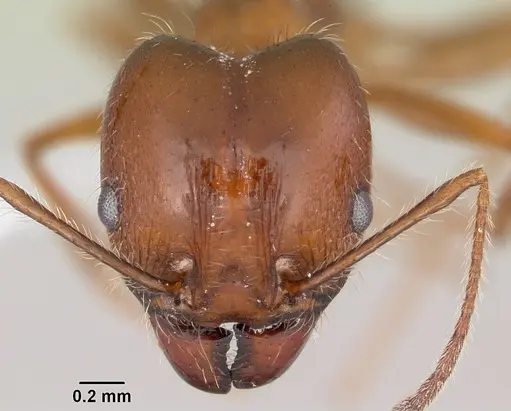
Pheidole sitiens is a species in the hyperdiverse ant genus Pheidole, known for their distinctive major workers with enlarged heads. This genus contains over 1000 species worldwide, making it one of the largest ant genera. Pheidole ants are characterized by their polymorphic workforce - small minor workers handle most tasks while major workers (sometimes called soldiers) defend the colony and process seeds. The specific distribution and natural history of Pheidole sitiens is not well-documented in scientific literature .
Quick Summary
- Difficulty: Medium, no species-specific data available, care based on typical Pheidole patterns
- Origin & Habitat: The exact native range of Pheidole sitiens is unclear from available research. Most Pheidole species are found in tropical and subtropical regions worldwide, typically nesting in soil, under stones, or in rotting wood in warm, humid habitats.
- Colony Type: Most Pheidole species form single-queen (monogyne) colonies, though some can be multi-queen (polygyne). Colony structure for this specific species is unconfirmed.
- Size & Growth:
- Queen: No body size data available for this species, queens in the genus typically range from 5-8mm [1]
- Worker: No body size data available for this species, minor workers in the genus typically 2-3mm, majors 3-5mm [1]
- Colony: Unknown, no data on maximum colony size for this species. Mature Pheidole colonies in general can reach several thousand workers.
- Growth: Unknown, typical Pheidole growth is moderate, but unconfirmed for this species
- Development: Not documented, inferred from genus averages, development likely takes 6-8 weeks at optimal temperature (No species-specific development data, this is based on typical Pheidole patterns)
- Antkeeping:
- Temperature: Based on typical Pheidole preferences, keep at 24-28°C. Not confirmed for this species, but likely a good starting range. Use a heating cable on one side of the nest to create a gradient.
- Humidity: Maintain moderate to high humidity, based on typical Pheidole preferences. Keep the nest substrate moist but not waterlogged. Pheidole often prefer slightly damp conditions. Unconfirmed for this species.
- Diapause: Unknown for this species. Many tropical Pheidole do not require hibernation, but some temperate species do. Observe your colony's seasonal behavior.
- Nesting: Pheidole nest in soil, under stones, or in rotting wood in the wild. In captivity, a Y-tong (AAC) nest, test tube setup, or plaster nest works well. Provide a moisture source and avoid overly dry conditions.
- Behavior: Pheidole sitiens will likely show typical Pheidole behavior, they are generally non-aggressive, active foragers with major and minor workers. Major workers defend the colony and help process seeds. They are small ants and can be good escape artists, use fine mesh and barrier gel. They are primarily granivorous but also eat insects.
- Common Issues: escape prevention is critical, their small size means they can squeeze through tiny gaps, overfeeding can lead to mold problems in the nest, colonies may decline if kept too dry, monitor humidity, major workers can get stuck in water reservoirs, use appropriate setup, slow initial growth during founding phase can concern beginners, be patient
Housing and Nest Setup
For founding colonies, a simple test tube setup works well, fill a test tube with water, plug with cotton, and place the queen in the humid chamber. The queen will seal herself in and raise her first brood in isolation if she is claustral (typical for Pheidole, but unconfirmed for this species). Once you have 20-30 workers, you can move to a formicarium. Y-tong (AAC) nests are excellent for Pheidole because they hold humidity well and provide dark chambers. Plaster nests also work, though you must monitor moisture levels carefully. Always provide an outworld for foraging. Use a barrier like fluon or baby powder mixed with alcohol around the outworld to prevent escapes.
Feeding and Diet
Pheidole are primarily granivorous (seed-eaters), but they also readily accept protein sources. Offer a mix of seeds, millet, chia, flax, and small bird seed work well. Major workers have the large heads needed to crack seeds open. For protein, offer small insects like fruit flies, pinhead crickets, or mealworms. You can also provide protein jelly or cat food as alternatives. Sugar water or honey water is typically accepted, place a small sponge or cotton ball in the outworld soaked in sweet solution. Feed seeds continuously and offer protein 2-3 times per week. Remove uneaten food promptly to prevent mold.
Temperature and Heating
Based on typical Pheidole preferences, keep your colony at 24-28°C for optimal growth and brood development. Room temperature may be sufficient if your home stays in this range, but many keepers use gentle heating. A heating cable placed on top of the nest (never underneath where it can dry out the moisture) creates a warm zone. Place the heating on one side so the ants can move between warmer and cooler areas. Avoid temperatures above 32°C as this can stress the colony. Cooler temperatures will slow development and reduce activity.
Humidity and Water
Pheidole prefer moderate to high humidity. The nest area should feel noticeably moist but never have standing water. For test tube setups, the water reservoir provides humidity naturally. For formicariums, mist the nest area when it begins drying out, typically every few days depending on your setup and climate. Always ensure the colony has access to water. A water tube or small dish in the outworld works well. Major workers can drown in open water dishes, so use a sponge or cotton ball to provide water safely. Watch for condensation, some condensation is good, but excessive moisture can drown brood.
Colony Development and Growth
A newly mated queen will likely seal herself in a small chamber and lay eggs (claustral founding, typical for Pheidole). She feeds the larvae from her own body reserves. The first brood typically develops into nanitics, smaller than normal workers. Once these nanitics emerge, they take over foraging and brood care while the queen focuses on egg-laying. Colony growth is moderate, inferring from genus patterns, expect 6-8 weeks from egg to first worker at warm temperatures. Growth will accelerate once you have a solid worker base. Pheidole colonies can eventually reach several thousand workers. Be patient during the founding phase, this is when colonies are most vulnerable.
Behavior and Temperament
Pheidole sitiens will likely show the calm, non-aggressive temperament typical of the genus. They are active foragers but not particularly aggressive toward keepers. Major workers with their enlarged heads serve as defenders and seed processors. They use chemical trails to recruit nestmates to food sources. The colony will likely have distinct minor and major workers, majors are larger with noticeably larger heads. They belong to a subfamily that possesses a functional stinger, but they are not prone to stinging and pose no danger to keepers. However, their small size makes them excellent escape artists, always use fine mesh and reliable barriers.
Frequently Asked Questions
How long does it take for Pheidole sitiens to have first workers?
No species-specific data available, based on typical Pheidole development, expect first workers (nanitics) in about 6-8 weeks at optimal temperature (24-28°C).
What do Pheidole sitiens eat?
They are granivorous and eat seeds, but also accept protein. Offer seeds like millet, chia, or small bird seed, and protein sources like fruit flies, mealworms, or cat food. They also typically accept sugar water or honey.
What temperature do Pheidole sitiens need?
Based on typical Pheidole preferences, keep them at 24-28°C. Room temperature is often sufficient, but you can use a heating cable on top of the nest for more control.
Are Pheidole sitiens good for beginners?
They are generally considered easy to keep based on genus-wide tendencies, but no species-specific data confirms this. Their main care requirements are warmth, humidity, and appropriate food.
How big do Pheidole sitiens colonies get?
Unknown for this species, typical Pheidole colonies can reach several thousand workers, but no data confirms this for Pheidole sitiens.
Do Pheidole sitiens need hibernation?
This is unknown for this specific species. Many tropical Pheidole don't require hibernation, but observe your colony's behavior. If they become less active in winter, they may be signaling a rest period is needed.
Can I keep multiple Pheidole sitiens queens together?
This is not recommended without specific data. Most Pheidole are single-queen (monogyne) species. Combining unrelated queens often results in fighting. Only try this if you have specific information about this species being polygynous.
Why are my Pheidole sitiens dying?
Common causes include: too dry conditions (keep substrate moist), temperature stress (keep at 24-28°C), mold from overfeeding (remove uneaten food), or escapes (use fine mesh barriers). The founding phase is most vulnerable, ensure the queen is undisturbed.
When should I move Pheidole sitiens to a formicarium?
Wait until you have at least 20-30 workers before moving to a formicarium. Moving too early can stress the colony. A test tube setup works fine for smaller colonies.
What size escape prevention do I need for Pheidole sitiens?
Use fine mesh (at least 0.5mm or smaller) and apply barrier gel or fluon around all openings. Pheidole are small and can squeeze through surprisingly small gaps. Check all seams and lid edges regularly.
Do Pheidole sitiens need a moisture source?
Yes, always provide access to water. A water tube with a cotton ball or sponge in the outworld works well. The nest setup should also maintain humidity, test tubes with water reservoirs naturally provide moisture.
Report an Issue
The current care sheet is based fully on literature. See inconsistencies, or something that's incorrect? Please , it will be resolved after review from an admin. Contributing to the blogs tab also helps providing information, to make us be able to further improve the caresheets. Thank you for your support!
References

This caresheet is licensed under CC BY-SA 4.0 .
Community Blogs
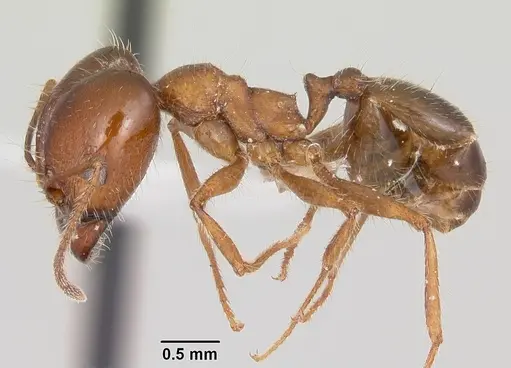
CASENT0103406
View on AntWeb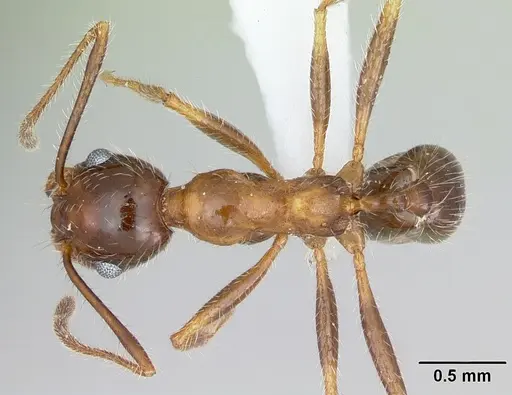
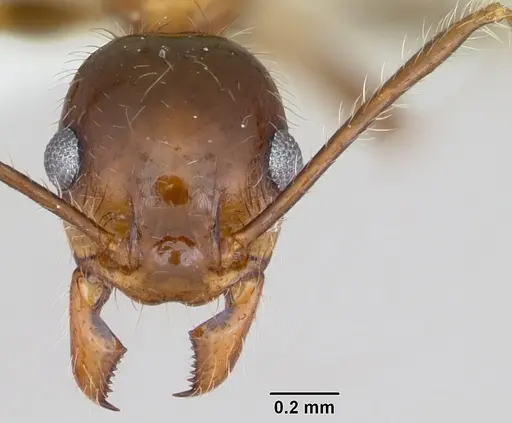
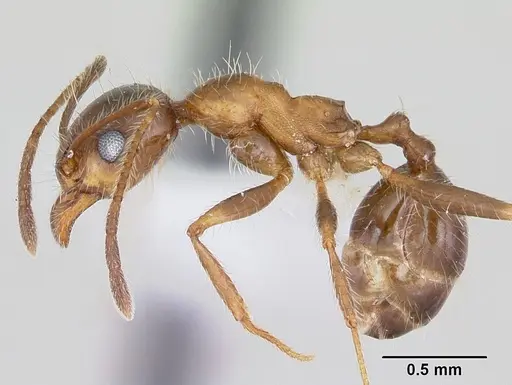
CASENT0104754
View on AntWeb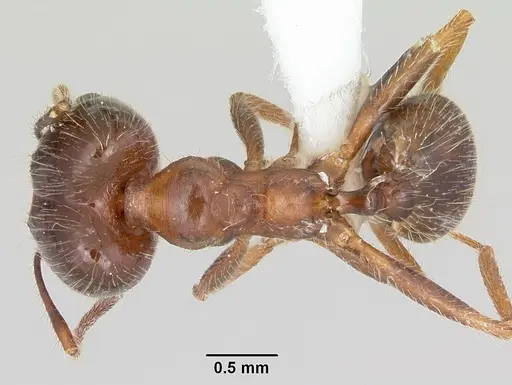
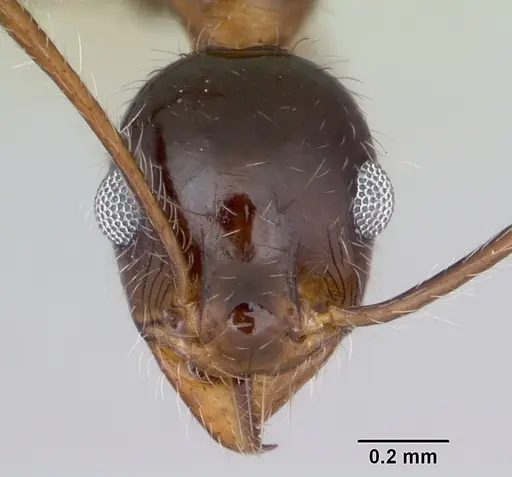
CASENT0104755
View on AntWeb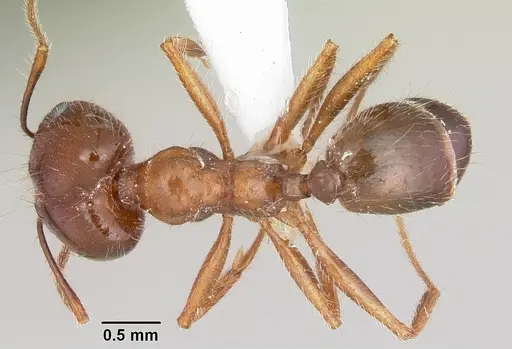
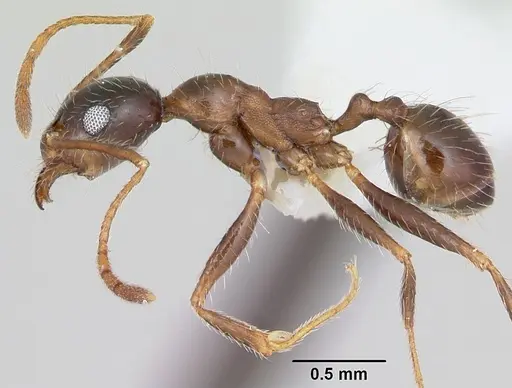
CASENT0104926
View on AntWeb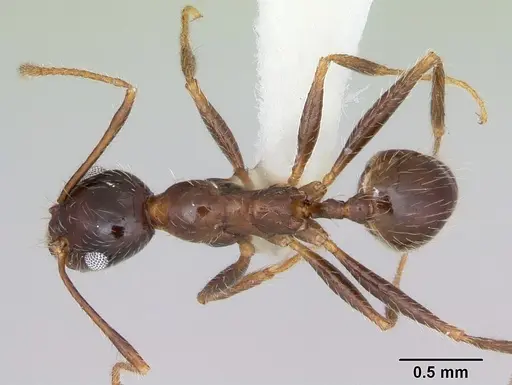
Literature
Loading distribution map...Loading products...