
Pheidole sicaria
- Sci. Name
- Pheidole sicaria
- Tribe
- Attini
- Subfamily
- Myrmicinae
- Author
- Wilson, 2003
- Distribution
- Found in 2 countries
Introduction
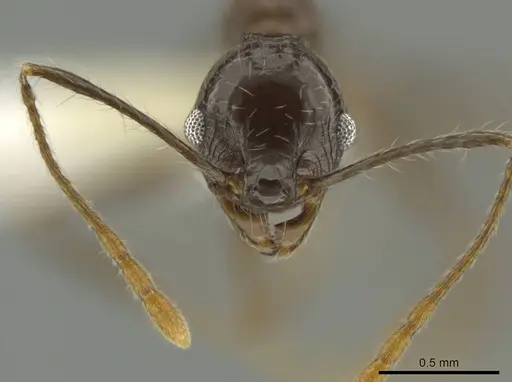
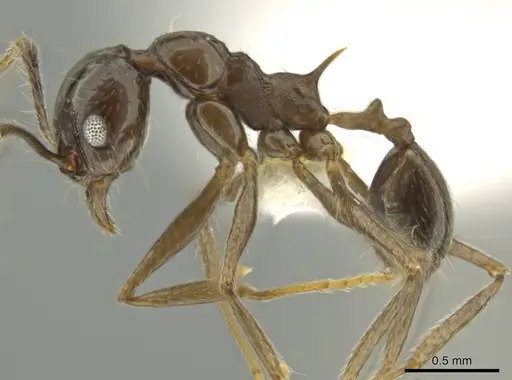
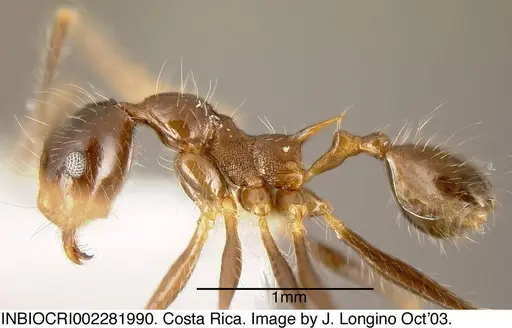
Pheidole sicaria is a Neotropical ant species in the diligens group, found in mid-elevation rainforests and cloud forests of Costa Rica, Panama, and Colombia . It is arboreal, living exclusively in the low vegetation zone . Body size data is unavailable, but colonies contain both major and minor workers . This species exhibits significant morphological variation across its range, with at least five distinct forms identified, suggesting it may be a species complex .
Quick Summary
- Difficulty: Medium
- Origin & Habitat: Mid-elevation rainforest and cloud forest in Costa Rica, Panama, and Colombia, found at 100-1100m elevation in the low arboreal zone [1][2].
- Colony Type: Based on Pheidole genus patterns, likely monogyne colonies with single queens.
- Size & Growth:
- Queen: Size data unavailable [2].
- Worker: Size data unavailable [2].
- Colony: Maximum colony size not documented.
- Growth: Moderate (inferred from genus patterns).
- Development: Estimated 6-10 weeks at optimal temperature, based on typical Pheidole development. (Development time inferred from genus patterns, direct observations for this species are lacking.)
- Antkeeping:
- Temperature: Keep at moderate temperatures, roughly 22-26°C, based on mid-elevation habitat [2].
- Humidity: Keep the nest substrate consistently moist but not waterlogged, as this species inhabits humid forests [2].
- Diapause: No, based on tropical habitat, diapause is not required.
- Nesting: Arboreal-nesting species. Provide naturalistic setups with debris, twigs, or cork bark where they can build nests [2].
- Behavior: This species is defensive, with majors guarding the nest and minors foraging, typical of Pheidole genus. Workers are active in low vegetation, rarely descending to ground. Escape prevention is important, use standard barriers.
- Common Issues: high humidity management, balancing moisture with ventilation to prevent mold [2], arboreal nature requires vertical space and climbing structures [2], tropical species sensitive to temperature drops, keep away from cold drafts, colonies may be slow to establish initially, patience needed during founding phase
Natural History and Distribution
Pheidole sicaria is native to Neotropical rainforests, originally described from Costa Rica and now known to extend into Colombia [1]. This species occupies an arboreal niche, living exclusively in the low vegetation zone rather than on the forest floor [2]. Nests are found in palm trunks, clumps of aroid roots, and loose debris lodged in low vegetation [2]. Morphological variation across its range suggests it may be a species complex [2].
Housing and Nest Setup
Because P. sicaria is arboreal, your setup should reflect their natural preference for elevated, debris-filled spaces. Use cork bark, twigs, and leaf litter to create a structure they can nest within [2]. Provide humid conditions with adequate ventilation. Y-tong or plaster nests work well if climbing structures are added [2]. Focus on vertical space rather than floor area.
Feeding and Diet
Like other Pheidole species, P. sicaria is omnivorous with a preference for protein. In captivity, offer protein sources like small crickets or mealworms twice weekly, and sugar water or honey for energy. Minor workers forage while majors guard the nest. Remove uneaten prey promptly to prevent mold.
Temperature and Humidity Management
As a mid-elevation cloud forest species, P. sicaria needs moderate temperatures (22-26°C) and consistent substrate moisture [2]. Avoid temperature drops or overheating. Use a hygrometer to monitor conditions and ensure ventilation to prevent mold.
Colony Development and Growth
Pheidole colonies likely develop through claustral founding, but this is unconfirmed for P. sicaria. Once workers emerge, they forage to support colony growth. Development from egg to worker is estimated at 6-10 weeks at optimal temperature, based on genus patterns. Major workers appear as the colony matures.
Frequently Asked Questions
Is Pheidole sicaria a good species for beginners?
This is a medium-difficulty species due to arboreal nature and humidity requirements. If you have experience with tropical ants, it is manageable.
How long does it take for the first workers to emerge?
Expect 6-10 weeks from founding to first workers at optimal temperature, based on typical Pheidole development.
Can I keep multiple queens together?
Based on Pheidole genus patterns, this species is likely monogyne, so only one queen per setup.
What do I feed Pheidole sicaria?
Offer protein sources like small crickets or mealworms twice weekly, and sugar water or honey. Remove uneaten food promptly.
Do they need hibernation or diapause?
No, as a tropical species, diapause is not required. Keep temperatures stable year-round.
When should I move them to a formicarium?
Keep founding queens in a test tube setup until workers emerge. Once you have active foraging, move to a naturalistic setup with humidity and vertical space.
Why are my ants dying?
Common causes include temperature drops, improper humidity, mold from overwatering, or stress. Check these parameters first.
Are they escape artists?
They are moderately good at escaping, use standard barriers like fluon or fine mesh.
How big do colonies get?
Colony size is not documented for P. sicaria, so maximum size is unknown [2].
Report an Issue
The current care sheet is based fully on literature. See inconsistencies, or something that's incorrect? Please , it will be resolved after review from an admin. Contributing to the blogs tab also helps providing information, to make us be able to further improve the caresheets. Thank you for your support!
References

This caresheet is licensed under CC BY-SA 4.0 .
Community Blogs
CASENT0631480
View on AntWeb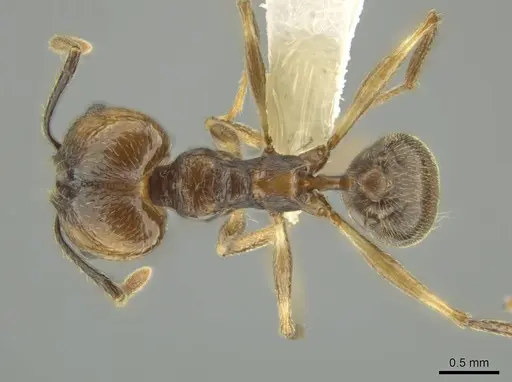
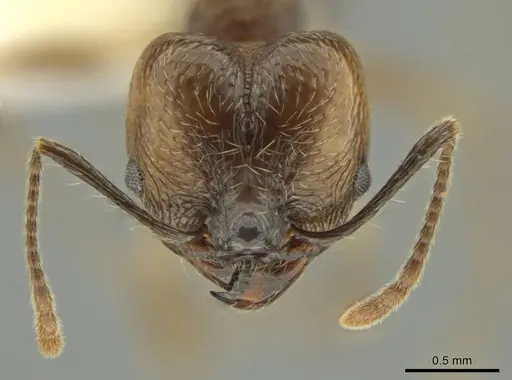
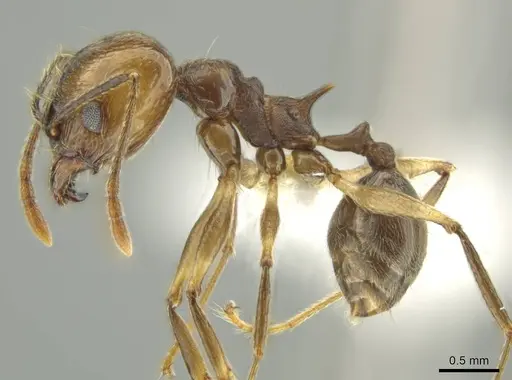
CASENT0631482
View on AntWeb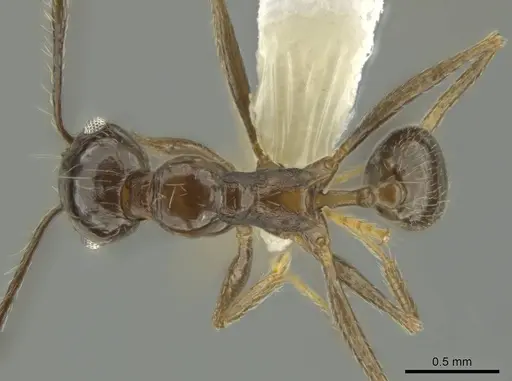
CASENT0632939
View on AntWeb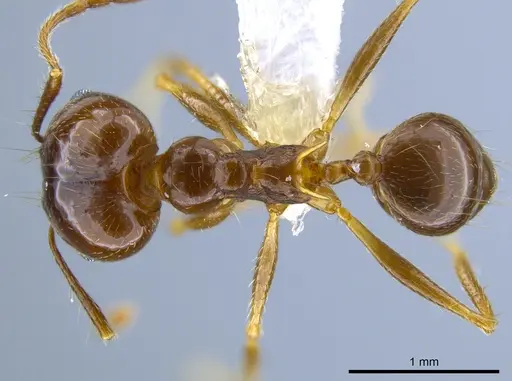
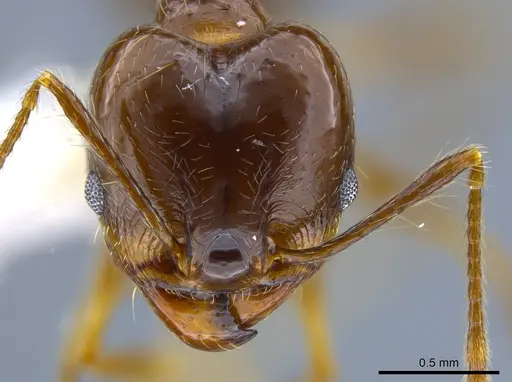
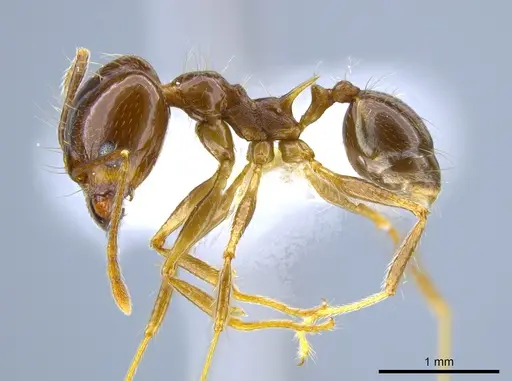
CASENT0635526
View on AntWeb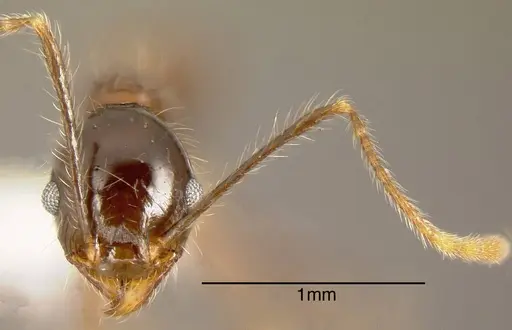
CASENT0636795
View on AntWeb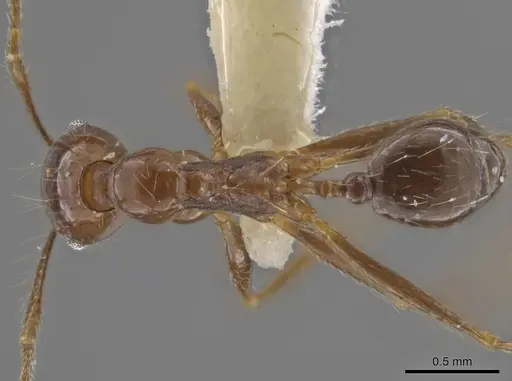
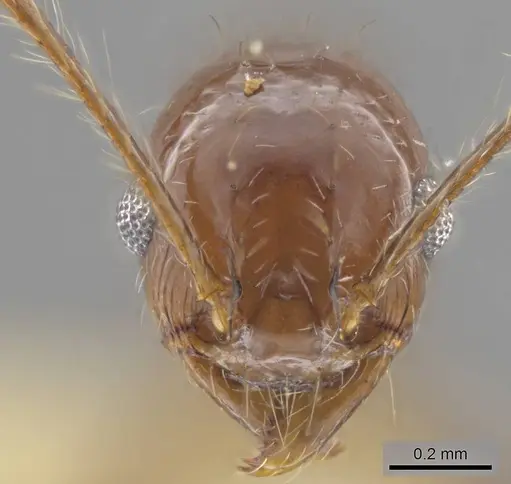
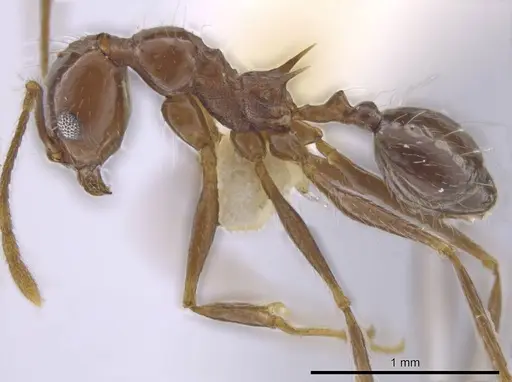
INBIOCRI002279410
View on AntWeb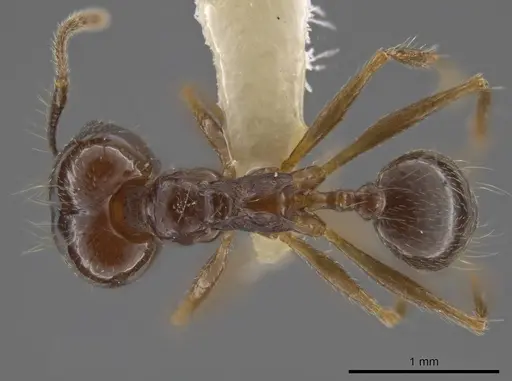
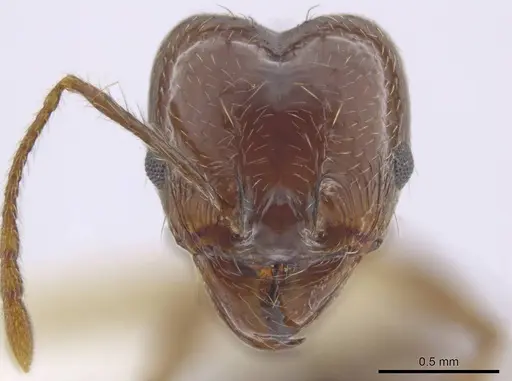
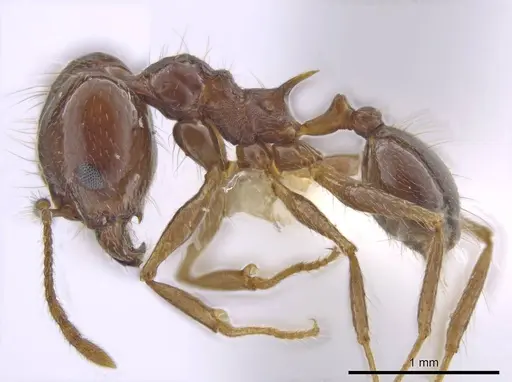
INBIOCRI002281990
View on AntWeb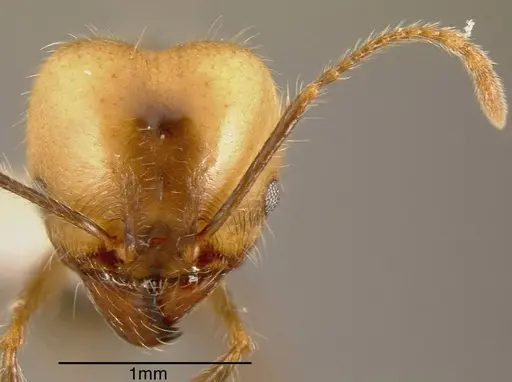
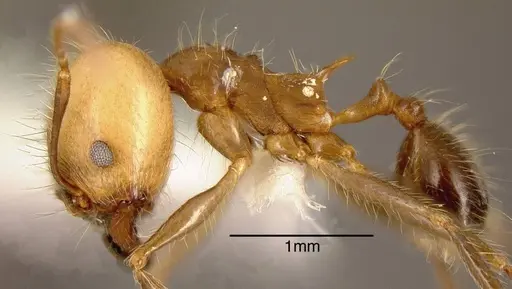
Literature
Loading distribution map...Loading products...