
Pheidole sebofila
- Sci. Name
- Pheidole sebofila
- Tribe
- Attini
- Subfamily
- Myrmicinae
- Author
- Longino, 2009
- Distribution
- Found in 1 countries
Introduction
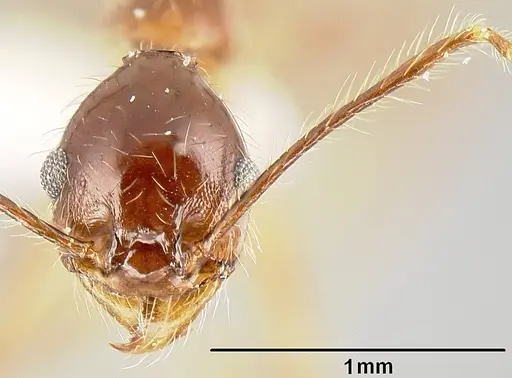
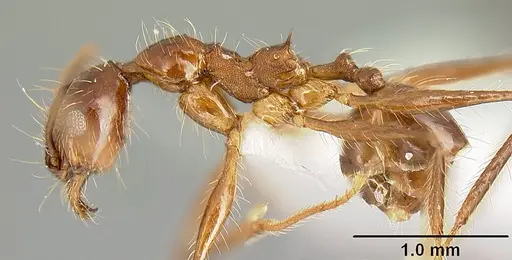
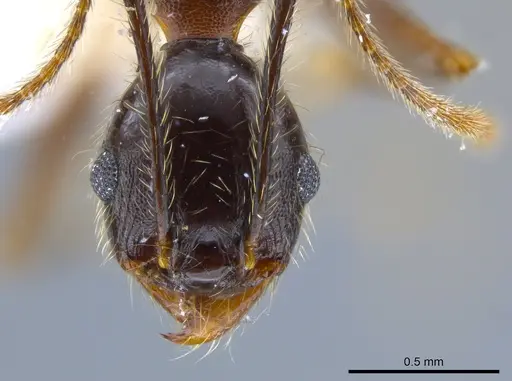
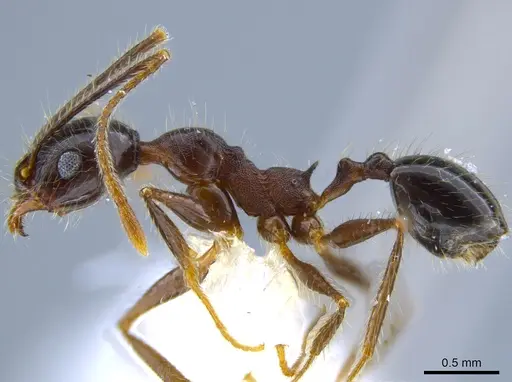
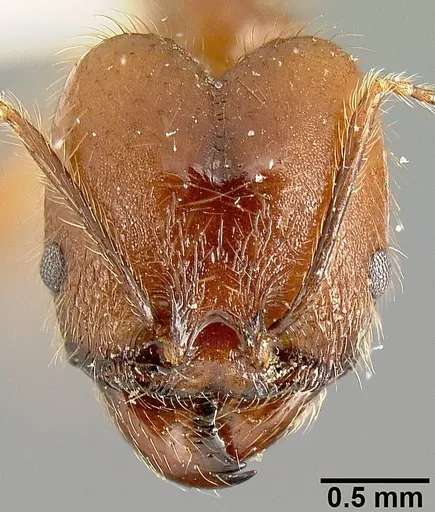
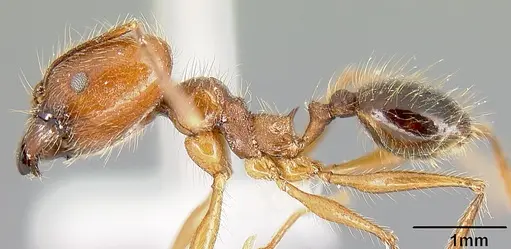
Pheidole sebofila is a small ant species native to Costa Rica. The species name means 'bait lover' because researchers first found them at bait stations on the forest floor . They live in wet tropical forests on the Atlantic slope of the Cordillera de Tilarán and Cordillera Volcánica Central, at elevations between 500 and 1100 meters . Size data is unavailable, but they follow the typical Pheidole pattern of having two worker castes: tiny minor workers and larger major workers with big heads . What makes this species stand out is its nocturnal foraging habit. Minor workers actively hunt at night and show up in pan traps, sweep samples, and Winkler samples . Like other ants in this genus, they likely process seeds and defend their colony with their large-headed majors. Since this species only received its formal description in 2009,captive care data remains limited .
Quick Summary
- Difficulty: Medium
- Origin & Habitat: Wet tropical forests on the Atlantic slope of the Cordillera de Tilarán and Cordillera Volcánica Central in Costa Rica, found at 500-1100m elevation [1][2]
- Colony Type: Colony structure is unconfirmed. Most Pheidole species form single-queen colonies, but you should verify this with your specific queen or breeder.
- Size & Growth:
- Queen: size data unavailable
- Worker: size unknown, inferred from Pheidole genus patterns (~2-5mm for minors, ~5-8mm for majors)
- Colony: Unknown, estimated based on typical Pheidole patterns
- Growth: Moderate
- Development: Estimated 8-12 weeks based on Pheidole genus patterns for tropical species (Development speed depends heavily on stable temperature and humidity.)
- Antkeeping:
- Temperature: Keep between 22-26°C. They come from warm, humid tropical forests, so maintain steady warmth without spikes above 28°C [1]. A heating cable on one side of the nest creates a safe gradient if your room runs cool.
- Humidity: Provide a humidity gradient. Keep the nest substrate consistently damp but never waterlogged. Wet forest ants need moisture, but poor airflow causes mold. Mist the outworld lightly and ensure the nest has adequate ventilation [1].
- Diapause: No, this is a tropical species from consistent wet forest conditions. They do not require winter dormation [1].
- Nesting: Y-tong (AAC) nests, plaster nests, or soil nests work best. These ants forage on the forest floor, so they likely nest in soil or decaying wood. Avoid acrylic nests entirely. Provide tight chambers to prevent tiny workers from escaping [1].
- Behavior: These ants are generally docile and not aggressive toward keepers. Major workers use their large heads for seed processing and defense rather than attacking [2]. They forage at night, so you will see more activity in the evening. Minor workers are extremely small, so escape prevention is critical. Use fine mesh barriers and check all connections daily. They possess a functional stinger typical of Myrmicinae ants, though it poses no medical risk to humans.
- Common Issues: high humidity requirements can cause mold if ventilation is poor, balance moisture with airflow, tiny minor workers escape through standard cotton plugs, use fine mesh or specialized barriers, tropical species drop in health if room temperature falls below 20°C, use a heating cable, newly described species with limited captive data, expect trial and error in feeding and setup, nocturnal behavior means you may not see them active during the day, this is normal
Housing and Nest Setup
Set up a Y-tong (AAC) nest, plaster nest, or soil nest for this species. Avoid acrylic nests completely. These ants forage on the forest floor, so they likely nest in soil or decaying wood [1]. Keep the nest chambers tight to stop tiny workers from slipping out. Attach a water tube to the outworld for drinking water. Mist the outworld lightly to maintain humidity, but never let water pool in the nest. Check all connections daily for gaps [1].
Feeding and Diet
Pheidole species typically harvest seeds and supplement their diet with small insects [2]. Offer tiny grass seeds, millet, or cracked seeds as a staple. Provide small protein sources like fruit flies, pinhead crickets, or chopped mealworms two to three times per week. They likely accept sugar water or honey as well. Feed seeds constantly and remove uneaten food to prevent mold. Since they forage at night, you will see most feeding activity in the evening [1].
Temperature and Humidity
Keep your colony between 22 and 26°C. They come from warm, humid tropical forests at moderate elevation, so steady warmth works best [1]. Do not expose them to temperatures above 28°C. If your room runs cool, run a heating cable along one side of the nest to create a gradient. Maintain high humidity by keeping the nest substrate damp, but never waterlogged. Wet forest ants need moisture, but poor airflow causes mold. Balance moisture with steady ventilation [1].
Behavior and Colony Structure
This species displays the classic Pheidole major and minor worker system. Minor workers handle most foraging and brood care, while major workers use their large heads to process seeds and defend the nest [2]. In the wild, minor workers hunt at night and show up in pan traps and sweep samples [1]. Colony structure is unconfirmed, but most Pheidole species form single-queen colonies. Founding behavior is unconfirmed. They possess a functional stinger typical of Myrmicinae ants, though it poses no medical risk to humans. These ants are generally docile and rarely bite keepers [2].
Growth and Development
Pheidole sebofila only received its formal description in 2009,so specific development data is limited [3]. Based on typical Pheidole patterns for tropical species, expect roughly 8 to 12 weeks from egg to first worker. The first brood will be small minor workers. Major workers usually appear later once the colony reaches a few dozen workers. Colony growth moves at a moderate pace. Do not expect rapid expansion in the first year [3].
Frequently Asked Questions
How long does it take for Pheidole sebofila to produce first workers?
Expect roughly 8 to 12 weeks from egg to first worker. This estimate comes from typical Pheidole patterns for tropical species, since specific development timing for this newly described ant remains unstudied [3]. The queen raises her first brood in isolation before the workers emerge.
What do Pheidole sebofila ants eat?
They act as seed harvesters like other Pheidole species. Offer tiny grass seeds, millet, or cracked seeds as a daily staple. Supplement with small insects like fruit flies or pinhead crickets two to three times per week. They likely accept sugar water or honey as well. Remove uneaten food to prevent mold [2].
Do Pheidole sebofila ants need hibernation?
No. They come from Costa Rica's wet tropical forests where temperatures stay warm year-round. They remain active throughout the year and do not enter winter dormation [1].
What temperature is best for Pheidole sebofila?
Keep them between 22 and 26°C. This matches their natural habitat in warm, humid tropical forests at 500 to 1100 meters elevation [1]. Use a heating cable if your room runs cooler, but avoid temperatures above 28°C.
Are Pheidole sebofila good for beginners?
They sit at Medium difficulty. You must manage high humidity without causing mold, and you must prevent escapes through tiny gaps. Their minor workers are extremely small, so standard cotton plugs will not work. If you can handle tropical ant species, this makes a rewarding project [1].
How big do Pheidole sebofila colonies get?
Colony size data is unavailable. You can expect moderate growth based on typical Pheidole patterns, but exact worker counts remain unstudied [3].
When should I move Pheidole sebofila to a formicarium?
Move them when the test tube setup becomes cramped or the colony reaches a few dozen workers. A Y-tong (AAC) nest works best. Ensure any new setup maintains steady humidity and prevents escapes [1].
Can I keep multiple queens of Pheidole sebofila together?
Colony structure is unconfirmed, but most Pheidole species form single-queen colonies. Do not attempt to keep multiple foundress queens together unless you have verified data for your specific line. They will likely fight [1].
Why are my Pheidole sebofila ants dying?
Common causes include temperature dropping below 20°C, humidity causing mold or drying out the nest, escapes through tiny gaps, or stress from disturbance. Check that your setup maintains warm, damp conditions and that all barriers are secure. Remove uneaten food promptly to prevent nest contamination [1].
Report an Issue
The current care sheet is based fully on literature. See inconsistencies, or something that's incorrect? Please , it will be resolved after review from an admin. Contributing to the blogs tab also helps providing information, to make us be able to further improve the caresheets. Thank you for your support!
References

This caresheet is licensed under CC BY-SA 4.0 .
Community Blogs
CASENT0610095
View on AntWeb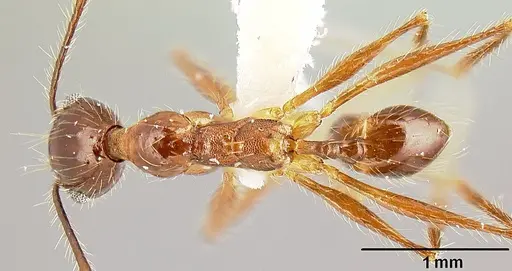
CASENT0611928
View on AntWeb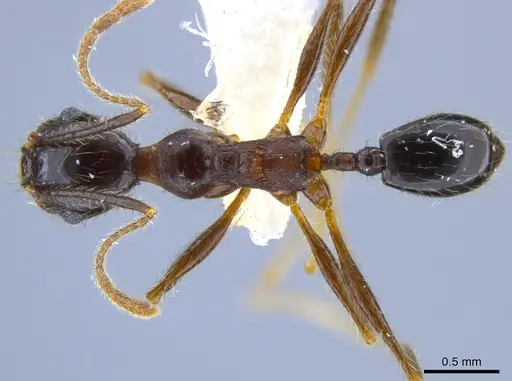
INBIOCRI001282230
View on AntWeb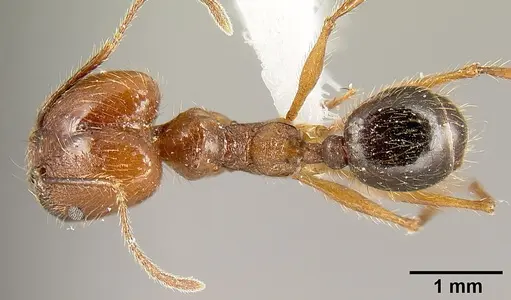
JTLC000001478
View on AntWeb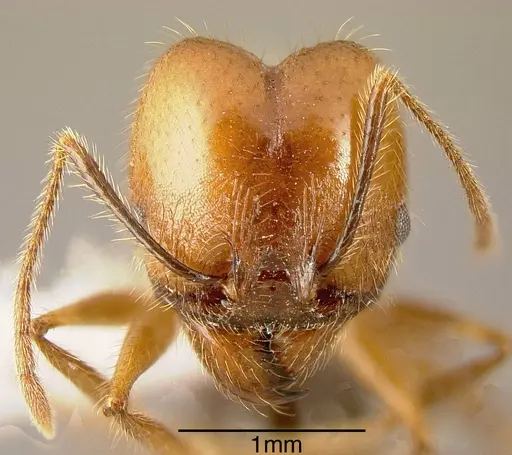
Literature
Loading distribution map...Loading products...