
Pheidole sciara
- Sci. Name
- Pheidole sciara
- Tribe
- Attini
- Subfamily
- Myrmicinae
- Author
- Cole, 1955
- Distribution
- Found in 1 countries
Introduction
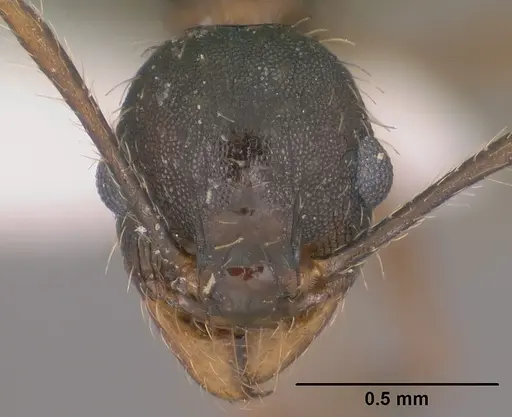
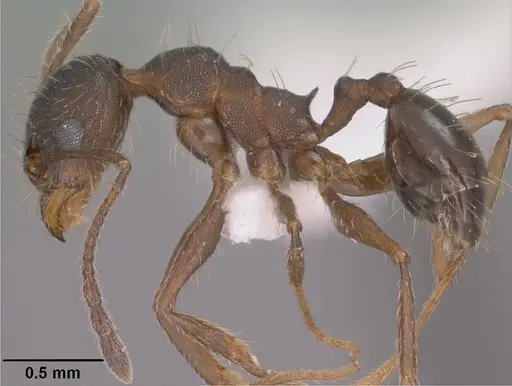
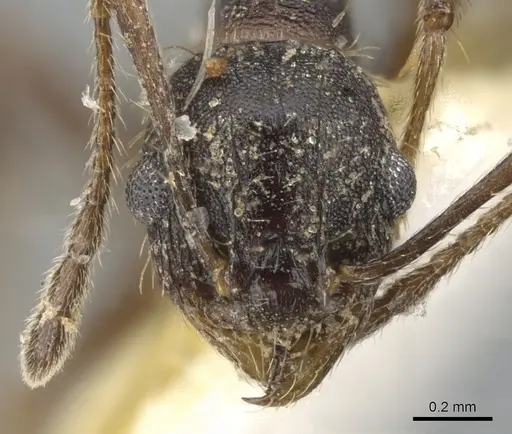
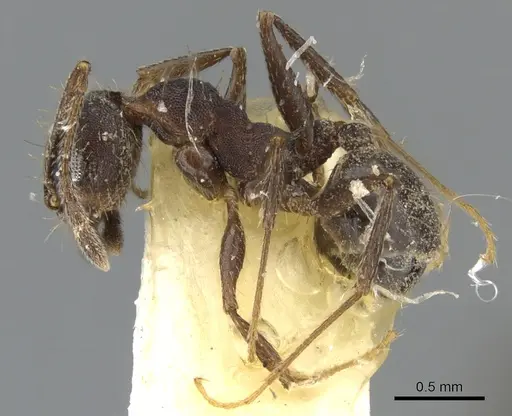
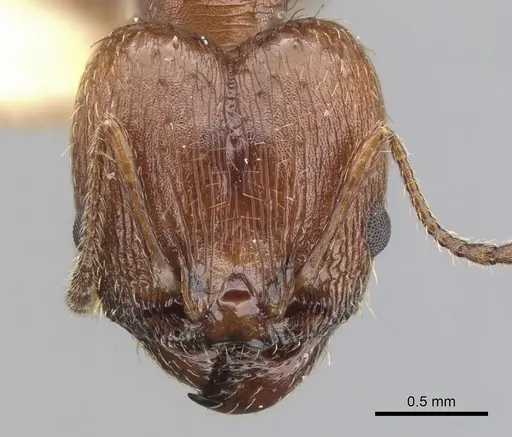
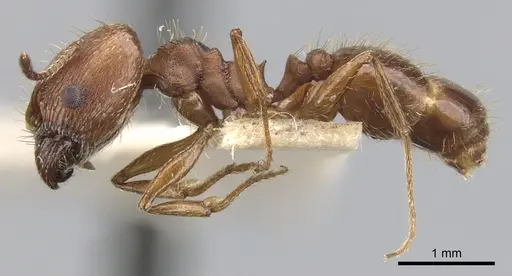
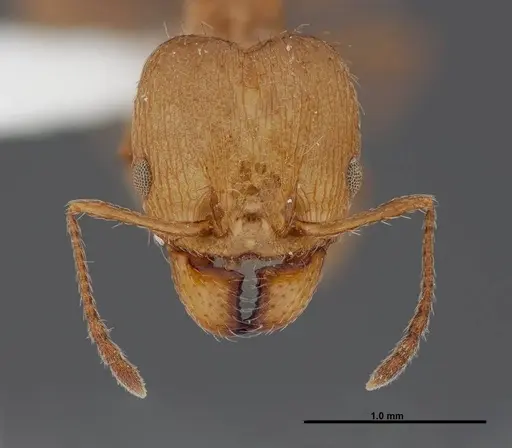
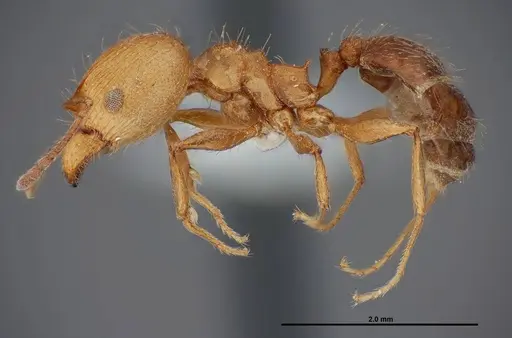
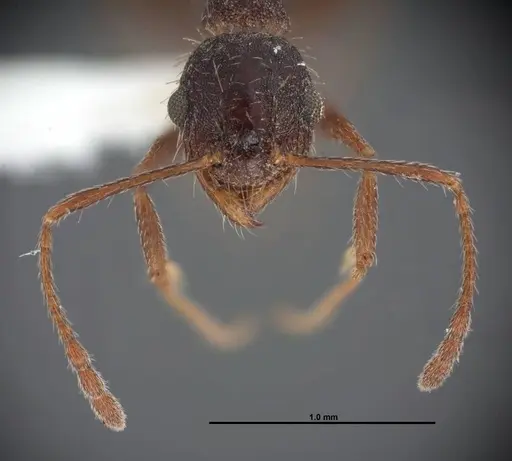
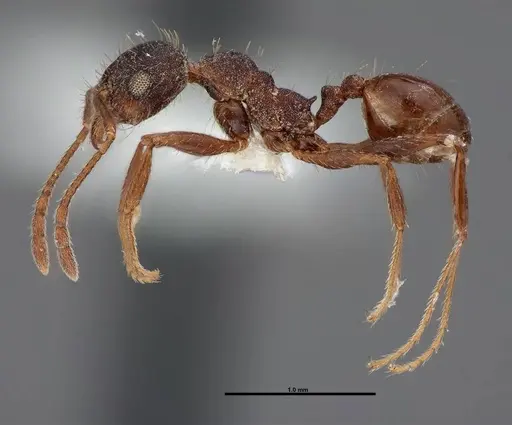
Pheidole sciara is a small ant species native to the American Southwest, ranging from west-central Texas to southwestern New Mexico . It inhabits open, sandy, semi-desert areas, including saline deserts, and nests in soil with small mound entrances . Workers have major and minor castes, with majors having enlarged heads for defense and seed processing . This species belongs to the fallax group within Pheidole, characterized by distinctive head sculpture in majors and large eyes in minors .
Quick Summary
- Difficulty: Easy
- Origin & Habitat: Native to the American Southwest, west-central Texas to southwestern New Mexico, also found in northern Mexico. Inhabits open, sandy, semi-desert areas at elevations from 600 to 1700 meters [1][2].
- Colony Type: Based on Pheidole genus patterns, likely single-queen colonies, but specific data for P. sciara is unconfirmed.
- Size & Growth:
- Queen: Size data unavailable, inferred from Pheidole genus that queens are approximately 6-8mm in length.
- Worker: Size data unavailable, workers have major and minor castes, with majors larger than minors [2].
- Colony: Colonies can reach hundreds of workers.
- Growth: Moderate
- Development: 6-8 weeks at warm temperatures. (Development time may vary with temperature and feeding.)
- Antkeeping:
- Temperature: Keep at 24-28°C with a temperature gradient for self-regulation [2].
- Humidity: Keep nest substrate lightly moist but allow drying between waterings, as this is a semi-desert species [2].
- Diapause: Unknown, based on geographic range, winter diapause may be required, but not confirmed.
- Nesting: Soil-nesting species. Use sandy substrate, Y-tong nests, or plaster nests with moisture chambers [2][1].
- Behavior: Pheidole sciara is peaceful but will defend the nest vigorously. Major workers use mandibles for defense. Escape risk is moderate due to worker size [2].
- Common Issues: colonies may fail if kept too humid, this is a desert species that prefers drier conditions., test tube setups can mold if water reservoir is too large and condensation builds up., slow founding phase can lead to beginner impatience, queens may take weeks to lay first eggs., ensure escape prevention is adequate, as workers are small and can fit through gaps.
Nest Preferences and Housing
Pheidole sciara naturally nests in soil in open, sandy desert areas, with entrances surrounded by small mounds [2]. In captivity, use a sandy soil mixture for natural digging or Y-tong nests with a thin substrate layer [2][1]. Provide a dry surface layer with moister substrate below for brood chambers to mimic their semi-desert environment.
Feeding and Diet
This species is omnivorous, preferring protein sources like small insects and seeds, with sugar available for energy [2]. Offer protein foods 2-3 times per week and remove uneaten prey after 24-48 hours to prevent mold.
Temperature and Seasonal Care
Maintain nest temperatures between 24-28°C during active seasons using a heating mat for a gradient [2]. For diapause, if required, reduce temperatures to 10-15°C for 2-3 months in winter, but this is not confirmed for this species.
Behavior and Colony Dynamics
Pheidole sciara has major and minor worker castes, with majors handling defense and seed processing [2]. Colonies grow moderately, with first workers emerging 6-8 weeks after founding. This species is not aggressive toward keepers but defends the nest vigorously.
Frequently Asked Questions
Can I keep Pheidole sciara in a test tube?
Yes, test tubes work for founding colonies, but ensure the substrate dries slightly between waterings to prevent mold [2].
How long until first workers appear?
First workers typically emerge in 6-8 weeks at warm temperatures, based on inferred development from related species.
Are Pheidole sciara good for beginners?
Yes, they are hardy and adaptable, but humidity control and diapause may require attention [2].
What do Pheidole sciara eat?
They eat omnivorous diets with protein focus, such as insects and seeds, plus sugar sources [2].
Do Pheidole sciara need hibernation?
Diapause is unknown for this species, but based on geographic range, winter rest may be beneficial.
When should I move them to a formicarium?
Move when the colony reaches 20-40 workers and the test tube is crowded, using sandy or plaster nests [2].
How big do colonies get?
Colonies can reach hundreds of workers, based on typical Pheidole patterns.
Can I keep multiple queens together?
This species is likely monogyne, so multiple queens are not recommended and may fight.
Why are my ants dying?
Common causes include too high humidity, mold, poor feeding, or stress, ensure proper temperature and diapause if needed [2].
Report an Issue
The current care sheet is based fully on literature. See inconsistencies, or something that's incorrect? Please , it will be resolved after review from an admin. Contributing to the blogs tab also helps providing information, to make us be able to further improve the caresheets. Thank you for your support!
References

This caresheet is licensed under CC BY-SA 4.0 .
Community Blogs
CASENT0104445
View on AntWeb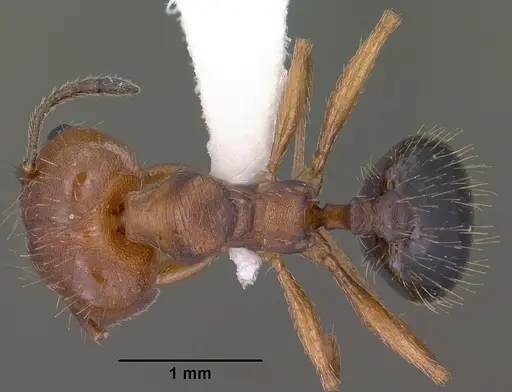
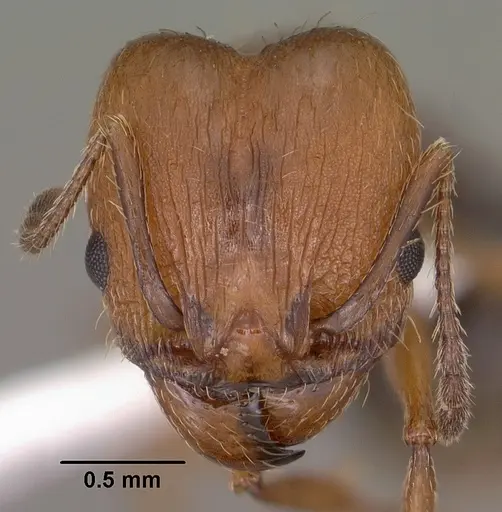
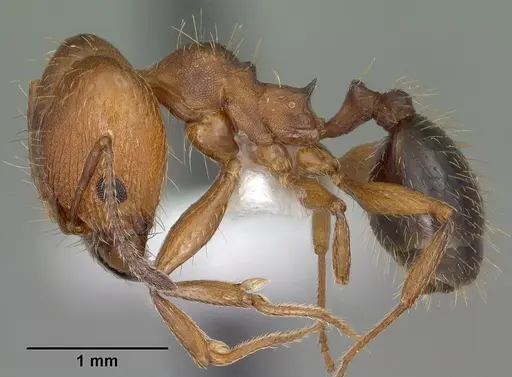
CASENT0104446
View on AntWeb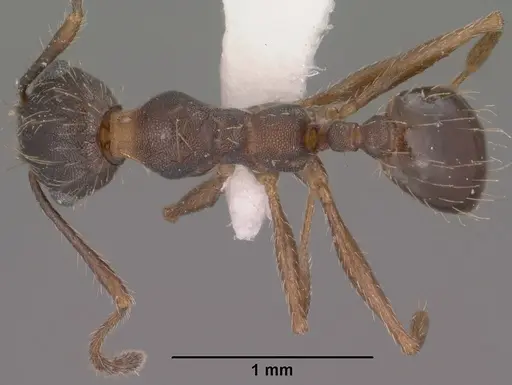
CASENT0901553
View on AntWeb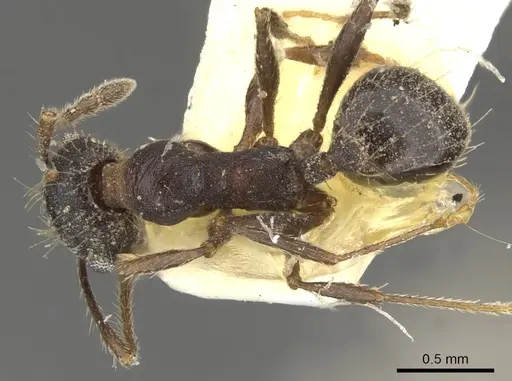
CASENT0901554
View on AntWeb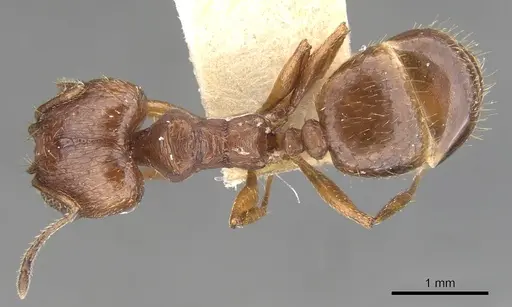
FMNHINS0000062817
View on AntWeb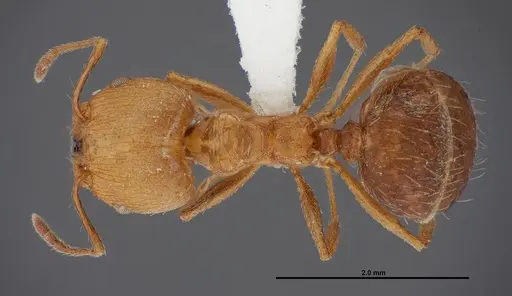
FMNHINS0000062818
View on AntWeb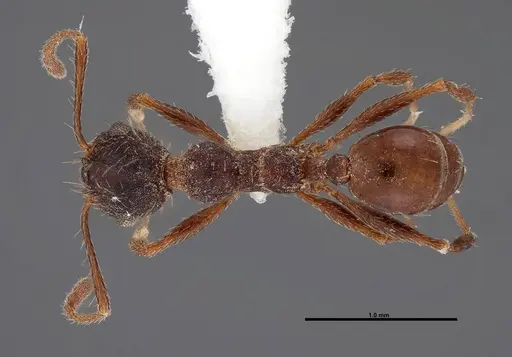
Literature
Loading distribution map...Loading products...