
Pheidole schultzei
- Sci. Name
- Pheidole schultzei
- Tribe
- Attini
- Subfamily
- Myrmicinae
- Author
- Forel, 1910
- Distribution
- Found in 4 countries
Introduction
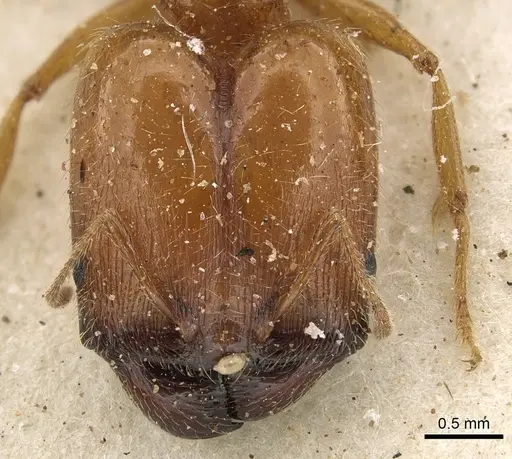
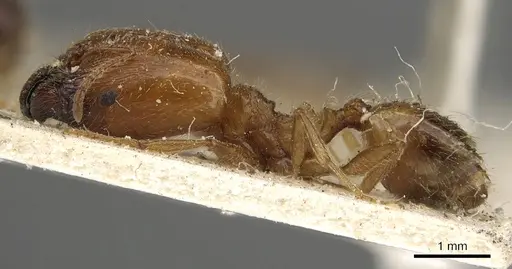
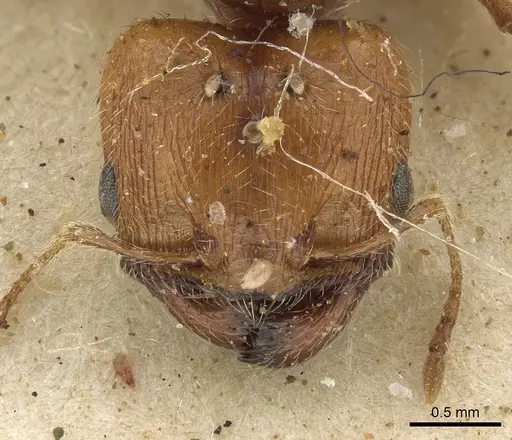
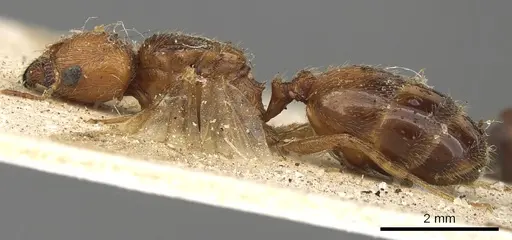
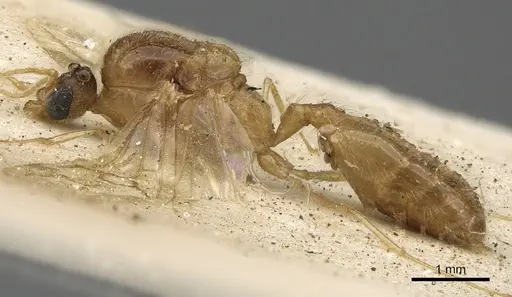
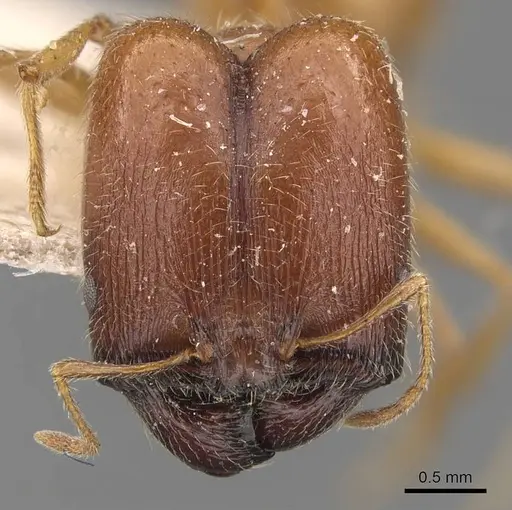
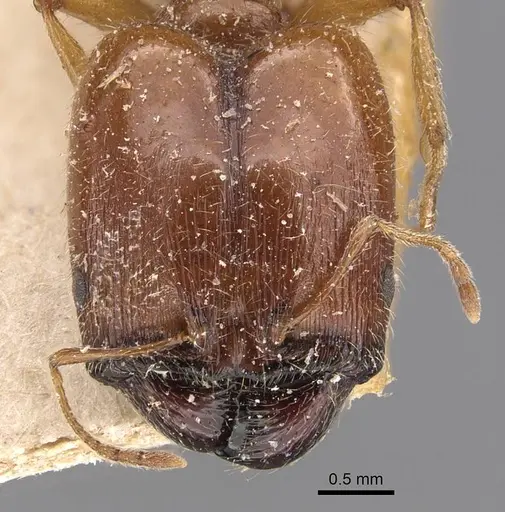
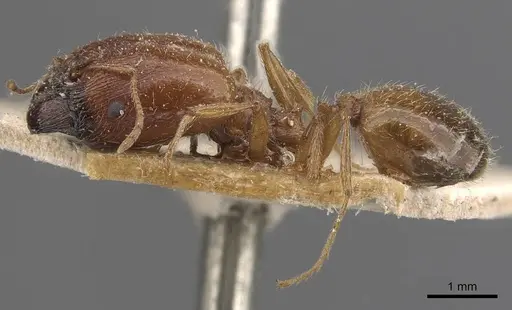
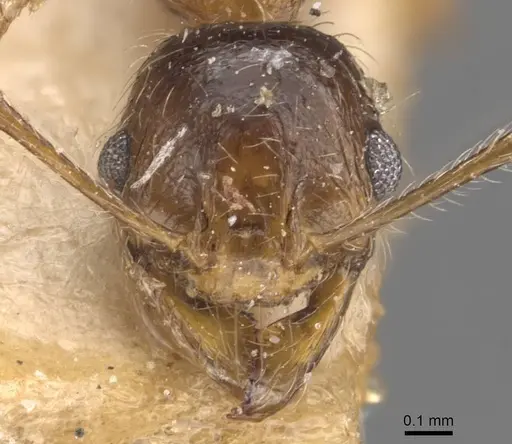
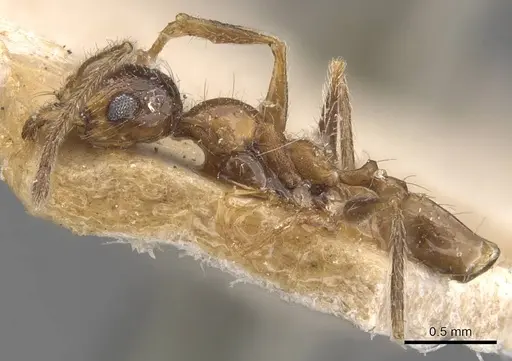
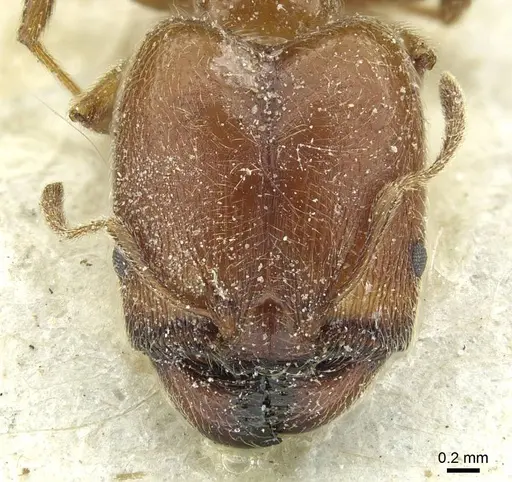
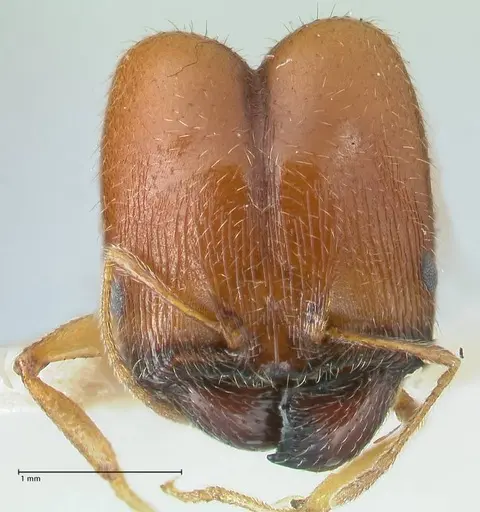
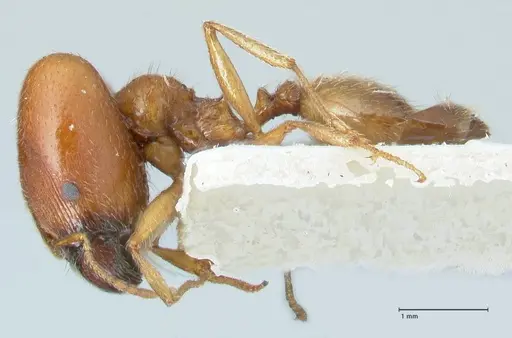
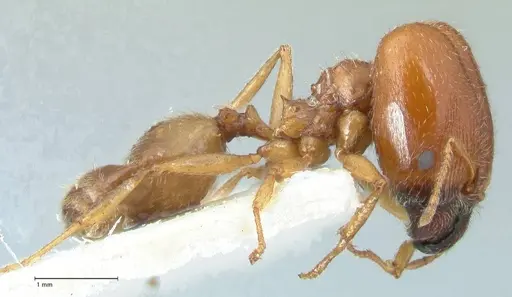
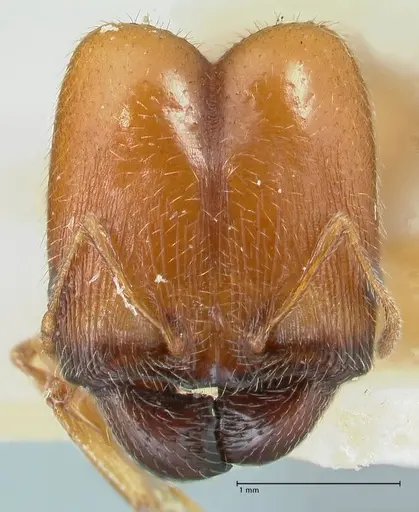
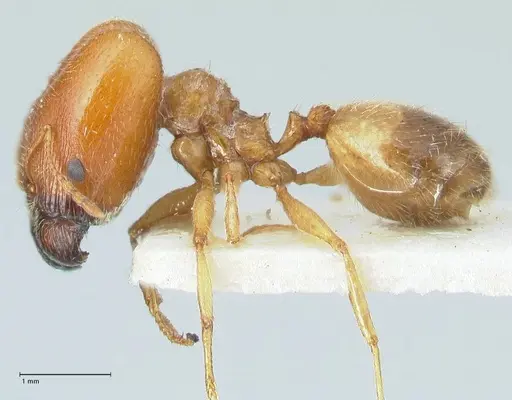
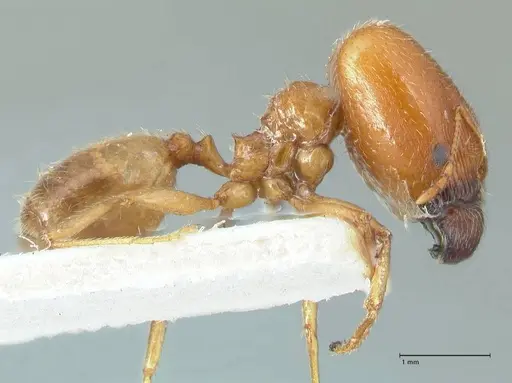
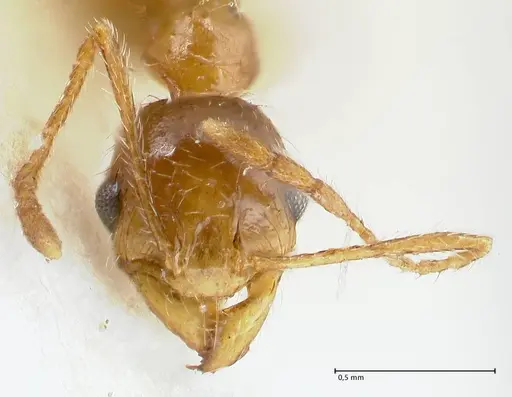
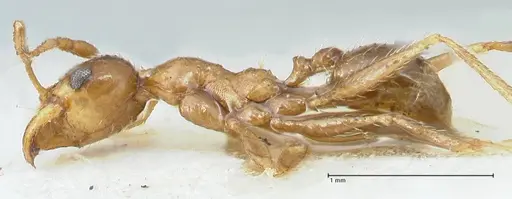
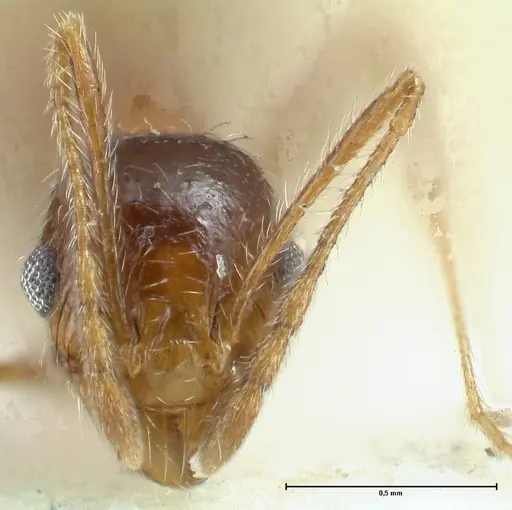
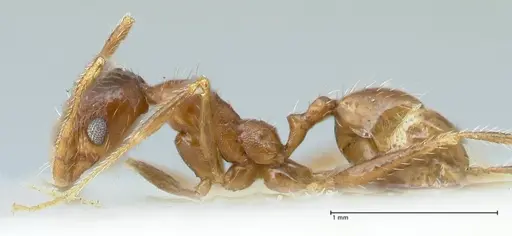
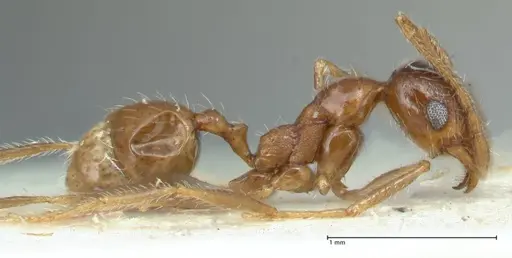
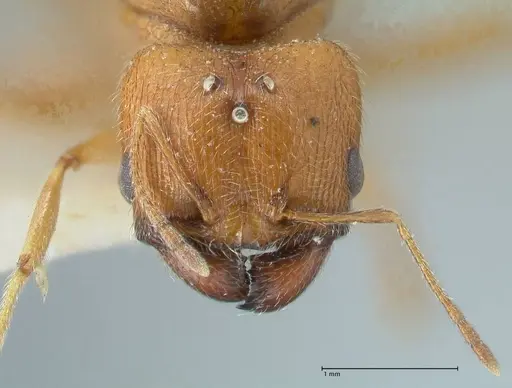
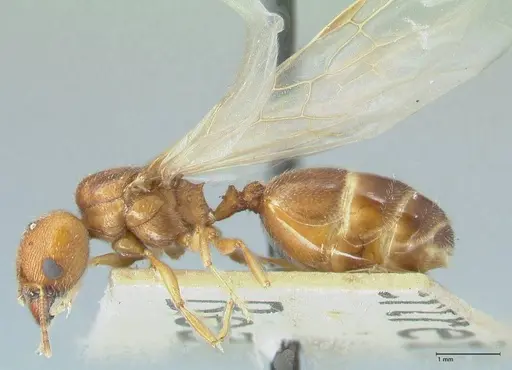
Pheidole schultzei is a small ant species native to Botswana in southern Africa. Like all Pheidole species, they have a caste system with major workers (soldiers) that have enlarged heads for defense and seed crushing. Size data is unavailable for this species. The species was first described by Forel in 1910 from specimens collected in Botswana, and three subspecies have been recognized: ebangana, gwaaiensis, and woodvalensis . This species belongs to the Attini tribe, which includes seed-harvesting ants. In the wild, Pheidole colonies typically nest in soil or under stones in warm, dry to moderately humid areas .
Quick Summary
- Difficulty: Easy
- Origin & Habitat: Native to Botswana in the Afrotropical region. They inhabit warm, dry to moderately humid areas and typically nest in soil or under stones [2].
- Colony Type: Unconfirmed, colony structure has not been directly documented for this species.
- Size & Growth:
- Queen: size data unavailable
- Worker: size data unavailable
- Colony: Up to several thousand workers (estimated from genus patterns) [2]
- Growth: Moderate
- Development: Estimated 6-8 weeks at optimal temperature based on typical Pheidole development [2] (Development time is inferred from genus-level data, specific timing for this species has not been documented)
- Antkeeping:
- Temperature: Based on their distribution in Botswana [2], they likely need warm conditions around 24-28°C. A heating cable on one side of the nest creates a useful temperature gradient.
- Humidity: Moderate humidity is recommended, around 50-60%. Allow the nest to dry out partially between water additions, as these ants prefer drier conditions [2].
- Diapause: Based on their geographic range, they likely require a mild winter slowdown period. Reduce temperatures to around 18-20°C for 2-3 months during winter months [2].
- Nesting: Y-tong (AAC) nests work well due to their compact size. They also do well in plaster or soil-based setups. Provide a moisture reservoir but avoid overly wet conditions [2].
- Behavior: Pheidole schultzei is a calm, non-aggressive species. Majors are primarily defensive, they use their powerful jaws for cracking seeds and colony defense rather than for attacking. Workers are active foragers that search for seeds and small insects. They do not sting and pose no danger to keepers. Escape prevention is important as ants can fit through small gaps.
- Common Issues: colonies may stall if temperatures drop below 22°C consistently, maintain warm conditions [2], overwatering can cause mold problems, these ants prefer drier conditions [2], majors may block nest entrances during stress, this is normal defensive behavior, wild-caught colonies may have parasites, quarantine and observe new colonies, seed caching can lead to mold if excess seeds are not removed
Housing and Nest Setup
Pheidole schultzei does well in Y-tong (AAC) nests, which provide dark, compact chambers. A moisture reservoir connected to the nest provides humidity without misting. For a naturalistic approach, a soil-based setup with dry substrate works well, as these ants nest in soil under stones in the wild [2]. Ensure the nest has enough chambers for colony expansion. An outworld allows workers to forage and dispose of waste.
Feeding and Diet
As seed-harvesting ants, Pheidole schultzei primarily collects and stores seeds. Offer small seeds like millet, sesame, or cracked sunflower hearts. Provide protein from small insects like fruit flies or pinhead crickets once or twice weekly. Sugar water or honey is appreciated for energy. Remove uneaten food after 24-48 hours to prevent mold [2].
Temperature and Seasonal Care
Maintain nest temperatures between 24-28°C for optimal brood development. A heating cable on one end creates a gradient for ants to regulate temperature. During winter, reduce temperatures to 18-20°C for 2-3 months to simulate a seasonal slowdown [2]. Keep feeding but reduce portions during this period.
Colony Development
A newly mated queen may seal herself in a chamber and lay eggs. She feeds larvae from her body fat until first workers emerge. The first workers begin foraging immediately. As the colony grows, majors develop more frequently. Growth rate is moderate, colonies may take months to years to reach maturity [2].
Behavior and Temperament
Pheidole schultzei is peaceful, focusing on foraging and seed-processing. Workers move deliberately and recruit nestmates using chemical trails. Majors stay near the nest for defense and seed-crushing. When disturbed, majors may block entrances, this is normal behavior. They do not sting and pose no threat to keepers [2].
Frequently Asked Questions
How long does it take for Pheidole schultzei to produce first workers?
First workers typically emerge 6-8 weeks after queen lays eggs, assuming temperatures around 26°C. This is based on typical Pheidole development patterns [2].
Can I keep multiple Pheidole schultzei queens together?
This species is likely monogyne, so combining unrelated queens is not recommended. If you obtain a colony with multiple queens, they may fight until only one remains. Stick to single-queen colonies for best success [2].
What do I feed Pheidole schultzei?
Offer small seeds as primary food, plus small insects for protein 1-2 times weekly. They also accept sugar water or honey for energy [2].
What temperature do they need?
Keep them at 24-28°C. They are warm-climate ants from Botswana and need consistently warm conditions for healthy brood development [2].
Do they need hibernation?
They benefit from a mild winter rest period. Reduce temperatures to 18-20°C for 2-3 months during winter to mimic their natural cycle [2].
Are Pheidole schultzei good for beginners?
Yes, they are considered easy to keep. They are calm, don't sting, and have straightforward care requirements [2].
When should I move them to a formicarium?
Start in a test tube setup for founding. Once the colony reaches 50-100 workers with consistent activity, move to a Y-tong or naturalistic setup [2].
Why are my major workers dying?
Some major death is normal as colonies reorganize caste ratios. If many die suddenly, check for stress factors like temperature extremes or too much moisture [2].
How big do Pheidole schultzei colonies get?
Mature colonies can reach several thousand workers. The proportion of majors increases with colony size [2].
Report an Issue
The current care sheet is based fully on literature. See inconsistencies, or something that's incorrect? Please , it will be resolved after review from an admin. Contributing to the blogs tab also helps providing information, to make us be able to further improve the caresheets. Thank you for your support!
References

This caresheet is licensed under CC BY-SA 4.0 .
Community Blogs
CASENT0255682
View on AntWeb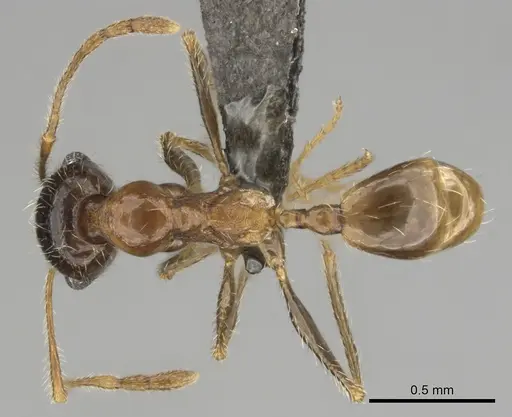
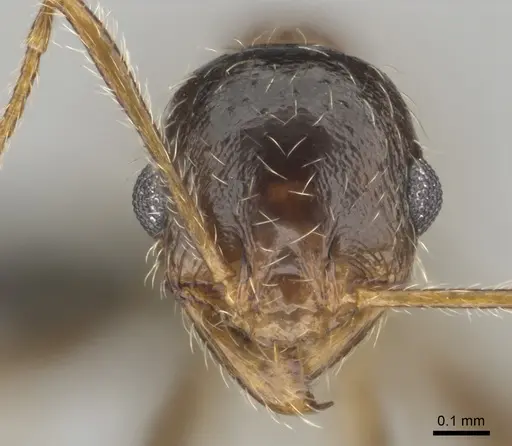
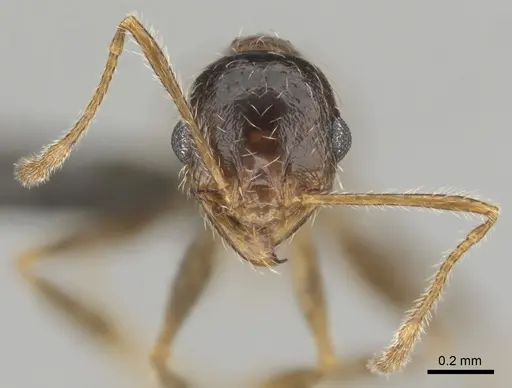
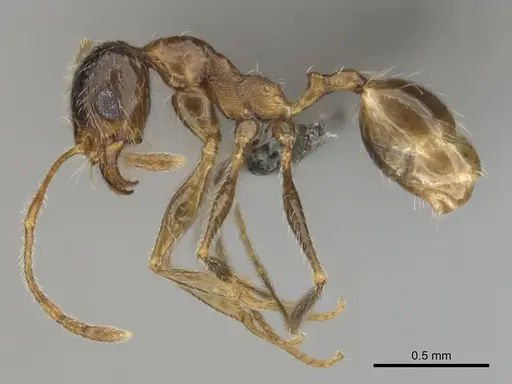
CASENT0901280
View on AntWeb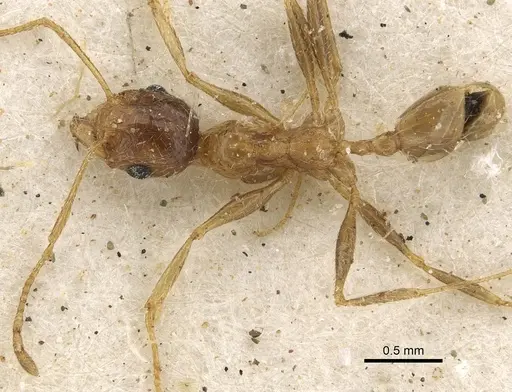
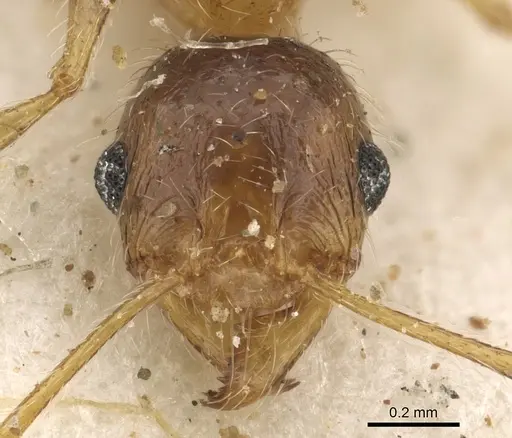
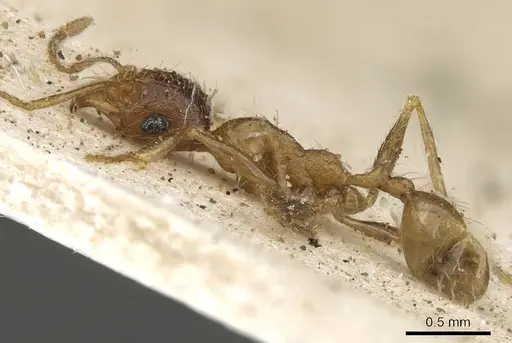
CASENT0901281
View on AntWeb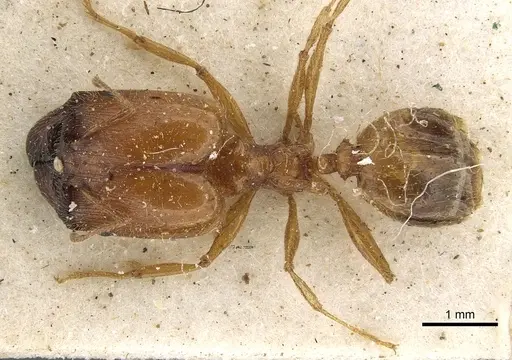
CASENT0901282
View on AntWeb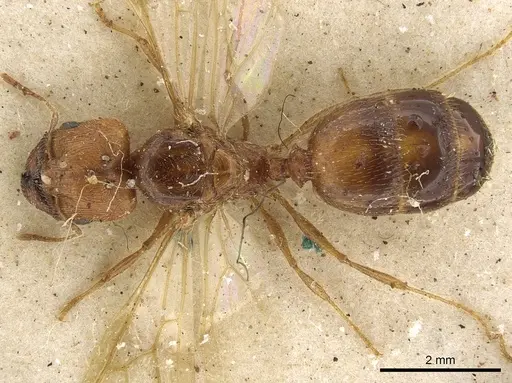
CASENT0901283
View on AntWeb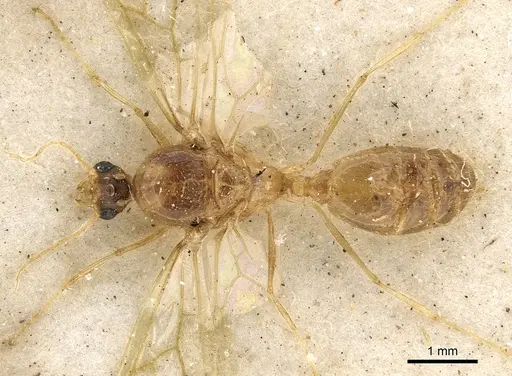
CASENT0907831
View on AntWeb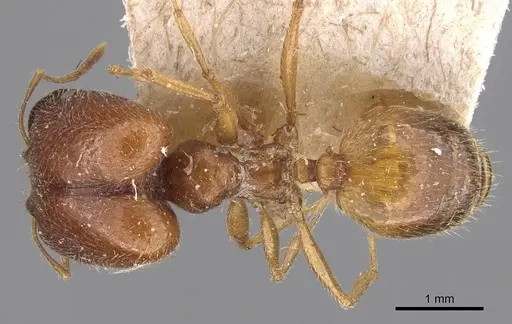
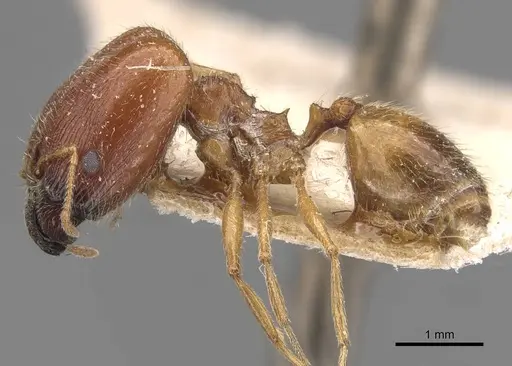
CASENT0907832
View on AntWeb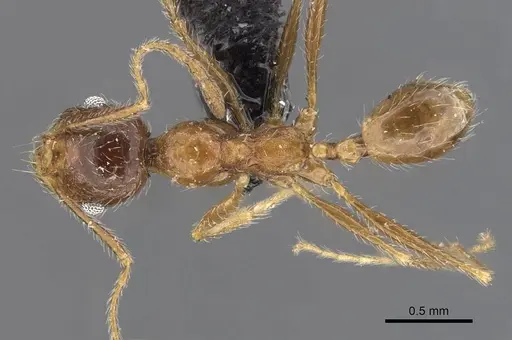
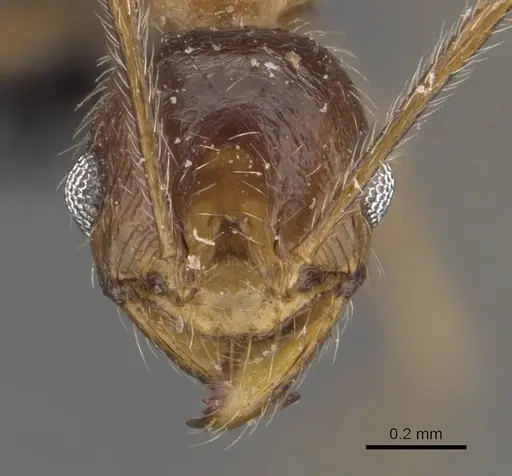
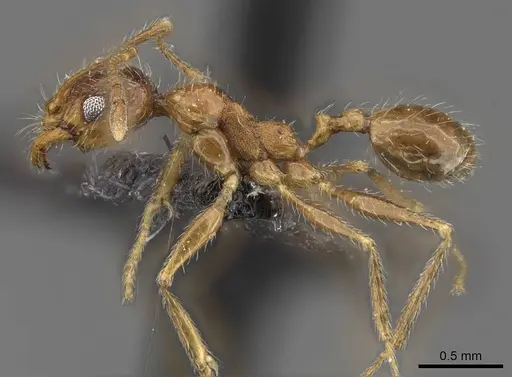
CASENT0907833
View on AntWeb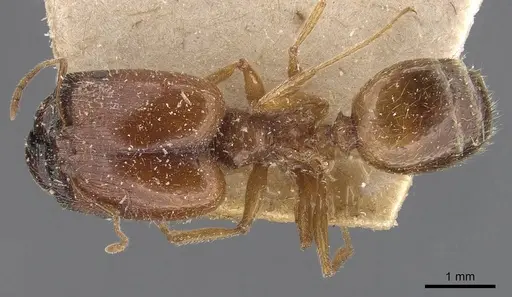
CASENT0907834
View on AntWeb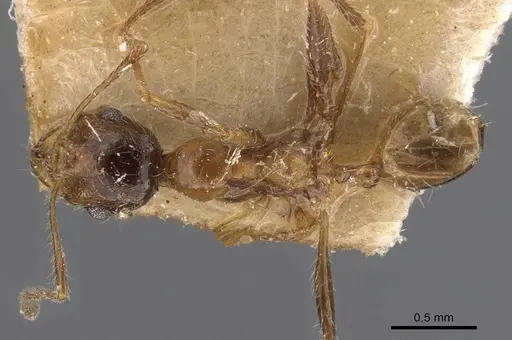
CASENT0913433
View on AntWeb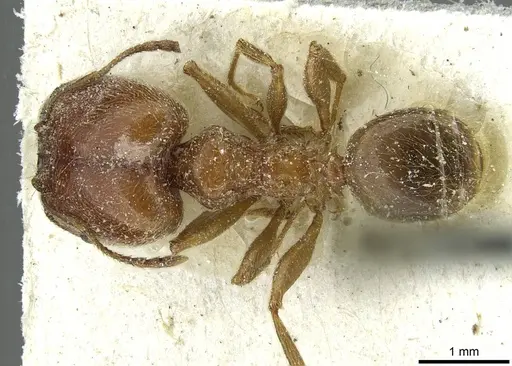
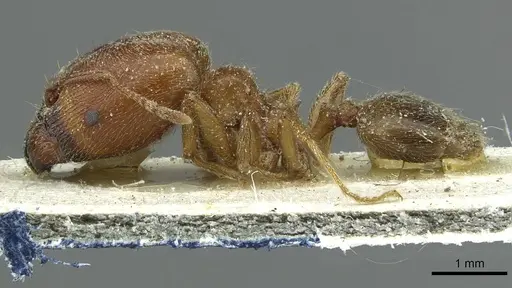
CASENT0913434
View on AntWeb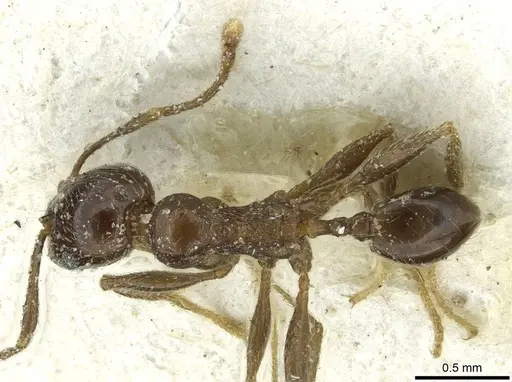
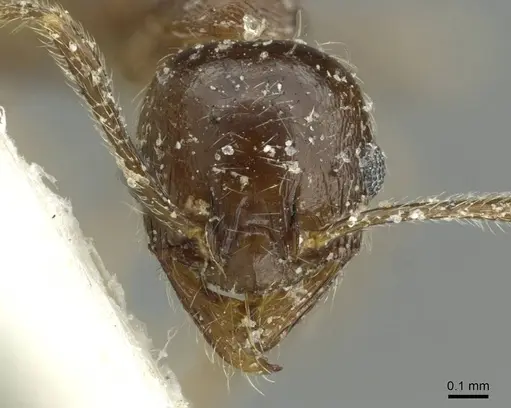
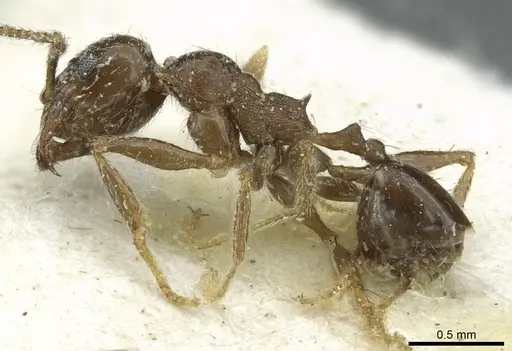
FOCOL1315
View on AntWeb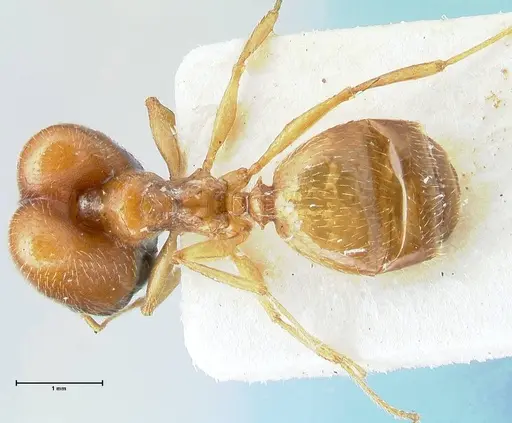
FOCOL1316
View on AntWeb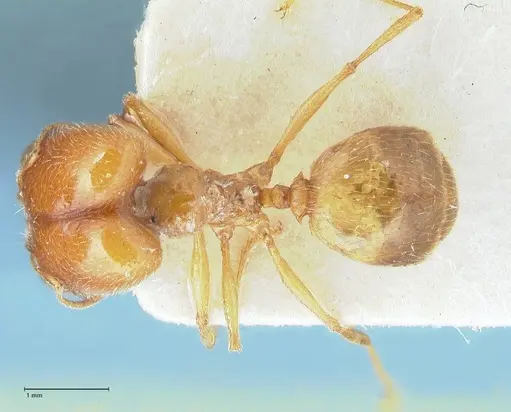
FOCOL1317
View on AntWeb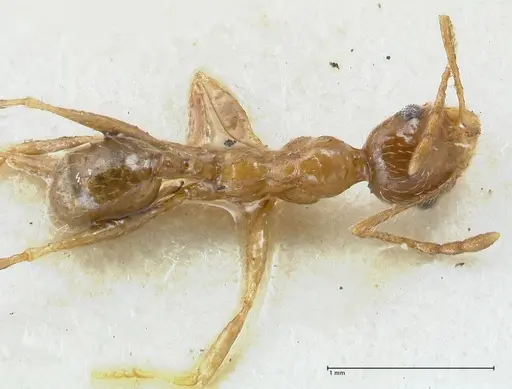
FOCOL1318
View on AntWeb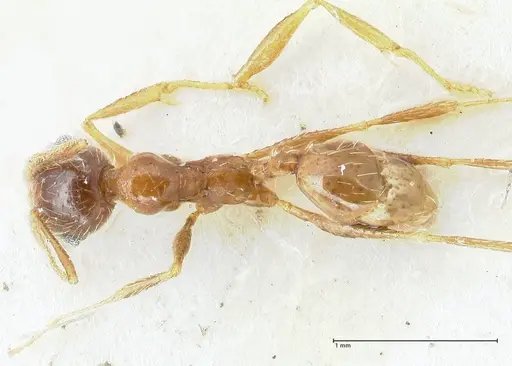
FOCOL1319
View on AntWeb
Literature
Loading distribution map...Loading products...