
Pheidole sauberi
- Sci. Name
- Pheidole sauberi
- Tribe
- Attini
- Subfamily
- Myrmicinae
- Author
- Forel, 1905
- Distribution
- Found in 4 countries
Introduction
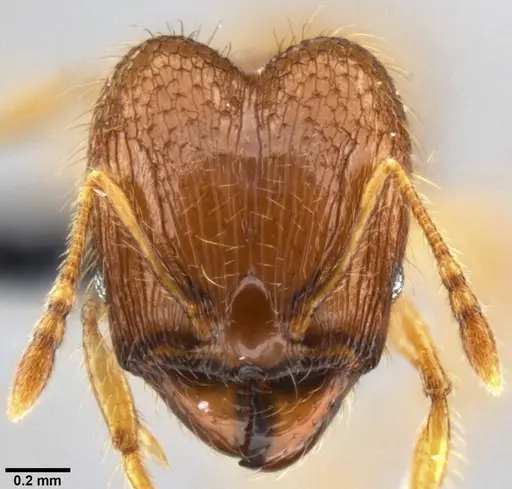
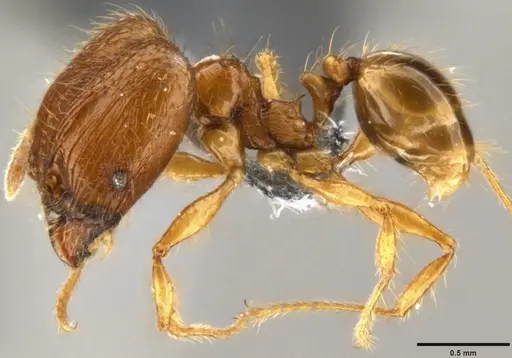
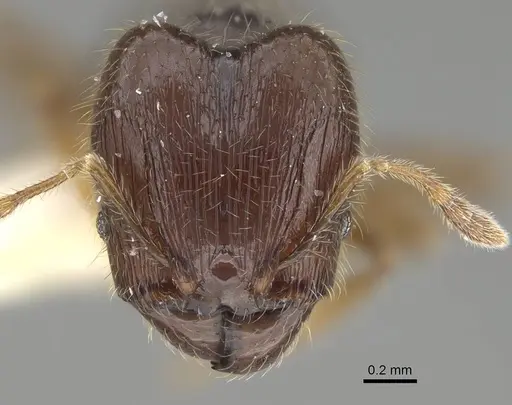
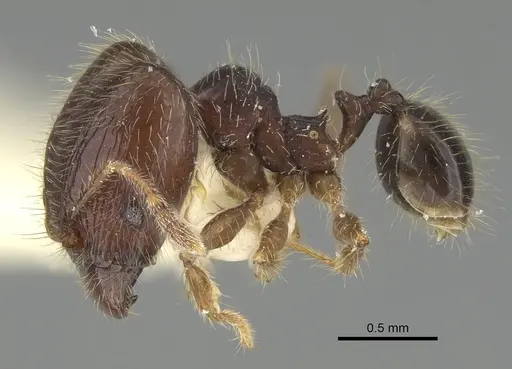
Pheidole sauberi is a small ant species native to Southeast Asia and Australasia, found in Borneo, Indonesia, Philippines, Thailand, and New Guinea . Workers have two castes: majors measure 2.1-2.7 mm in total length, and minors measure 1.4-1.8 mm . Body color ranges from yellowish-brown to dark reddish-brown. They inhabit lowland and hill forests, often nesting in rotting wood on the ground . This species is known for mermithergate workers - individuals infected with parasitic nematodes, which can make up about 7% of the colony .
Quick Summary
- Difficulty: Medium
- Origin & Habitat: Native to Southeast Asia and Australasia, including Borneo, Indonesia, Philippines, Thailand, and New Guinea. Inhabits lowland and hill forests, nesting in rotting wood [1]. Also found in rubber plantations and alluvial forests [4][5].
- Colony Type: Single-queen colonies (monogyne) with mermithergate workers, workers infected with parasitic nematodes [3].
- Size & Growth:
- Queen: Size data unavailable, no total length measurements provided in research.
- Worker: Majors: 2.1-2.7 mm, minors: 1.4-1.8 mm [1].
- Colony: Up to 578 workers based on a documented colony [3].
- Growth: Moderate, inferred from genus patterns.
- Development: Estimated 6-8 weeks at tropical temperatures, inferred from typical Pheidole development [1]. (Development time is inferred from genus-level data since species-specific development has not been directly studied.)
- Antkeeping:
- Temperature: Keep warm, around 24-28°C, as inferred from tropical habitat [1].
- Humidity: Keep nest substrate consistently moist but not waterlogged, as they nest in rotting wood [1].
- Diapause: No, tropical species do not require diapause [1].
- Nesting: Prefer Y-tong (AAC), plaster, or naturalistic nests with rotting wood pieces [1].
- Behavior: Calm species with typical Pheidole foraging behavior, minors forage while majors defend the nest. They raid other ant colonies for food [3]. Escape prevention is important for small minor workers.
- Common Issues: mermithergate infection, some workers may be infected with parasitic nematodes, appearing pale and enlarged, this is a natural occurrence [3]., humidity management, sensitive to dry conditions, too-dry housing leads to colony decline [1]., escape risk, minor workers are small and can squeeze through gaps, use barrier methods., slow founding, founding behavior is unconfirmed, so patience is required., parasite risk, wild-caught colonies may carry parasites affecting captive colonies.
Nest Preferences and Housing
Pheidole sauberi naturally nests in rotting wood blocks on the forest floor [1]. In captivity, they adapt well to Y-tong (AAC) nests, plaster nests, or naturalistic setups with rotting wood pieces [1]. Ensure chambers are appropriately sized for their small body size. Keep the nest humid but provide some dry areas for self-regulation [1].
Feeding and Diet
They are omnivorous and raid other ant colonies for food, as evidenced by finding pupae of other species in their nests [3]. In captivity, offer protein sources like small insects 2-3 times per week and keep sugar sources available at all times.
Temperature and Seasonal Care
As a tropical species, keep temperatures around 24-28°C for optimal health [1]. They do not require diapause. Provide a temperature gradient so ants can regulate their conditions.
Colony Structure and Unique Traits
Mermithergate workers represent about 7% of the adult population in documented colonies [3]. These workers are intermediate in size, pale yellow, and have enlarged gasters due to nematode infection. This is a natural trait, not a disease.
Behavior and Temperament
They are calm but will defend their nest. Minor workers forage while majors handle defense and food processing. Escape prevention is key due to small worker size [3].
Frequently Asked Questions
How long does it take for Pheidole sauberi queen to lay first workers?
Based on typical Pheidole development, expect first workers approximately 6-8 weeks after egg laying at tropical temperatures [1].
What do Pheidole sauberi ants eat?
They are omnivorous. Offer small protein sources like fruit flies or mealworms 2-3 times per week and keep sugar sources available [3].
What temperature do Pheidole sauberi need?
Keep them warm at 24-28°C, as inferred from their tropical habitat [1].
Are Pheidole sauberi good for beginners?
They are rated medium difficulty due to humidity and temperature needs, but are more forgiving than some tropical ants [1].
How big do Pheidole sauberi colonies get?
Documented colonies reach up to 578 adult workers [3].
Why are some of my Pheidole sauberi workers pale and swollen?
These are mermithergates, workers infected with parasitic nematodes, a natural trait of this species [3].
Can I keep multiple Pheidole sauberi queens together?
This species is monogyne, so only one queen per colony is recommended [3].
What humidity level do Pheidole sauberi need?
High humidity is essential, keep nest substrate moist but not waterlogged [1].
When should I move Pheidole sauberi to a formicarium?
Wait until the colony has at least 30-50 workers before moving to a larger nest [1].
Do Pheidole sauberi need a hibernation period?
No, as a tropical species, they do not require diapause [1].
What type of nest is best for Pheidole sauberi?
Y-tong (AAC) nests or plaster nests work well, mimicking their natural rotting wood habitat [1].
Report an Issue
The current care sheet is based fully on literature. See inconsistencies, or something that's incorrect? Please , it will be resolved after review from an admin. Contributing to the blogs tab also helps providing information, to make us be able to further improve the caresheets. Thank you for your support!
References

This caresheet is licensed under CC BY-SA 4.0 .
Community Blogs
CASENT0219512
View on AntWeb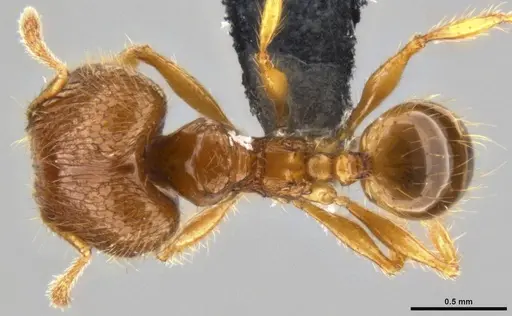
CASENT0282609
View on AntWeb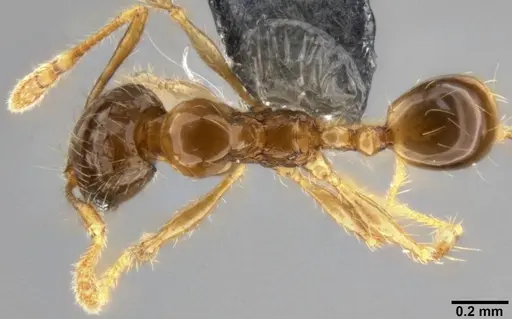
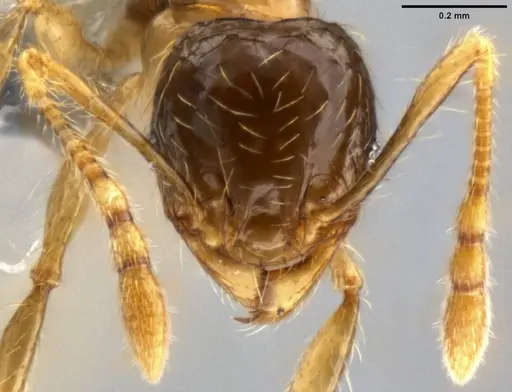
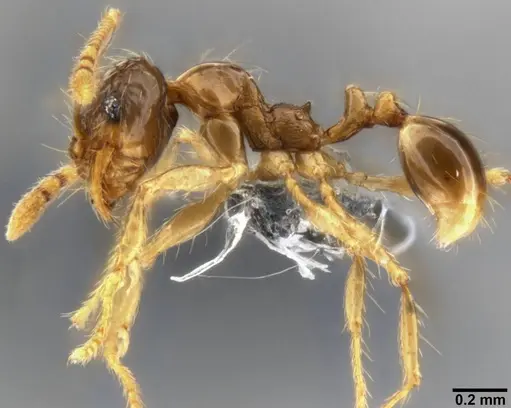
CASENT0904254
View on AntWeb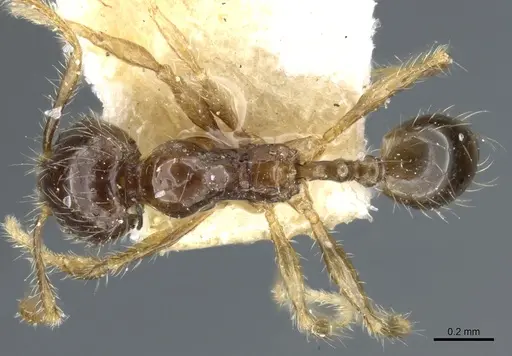
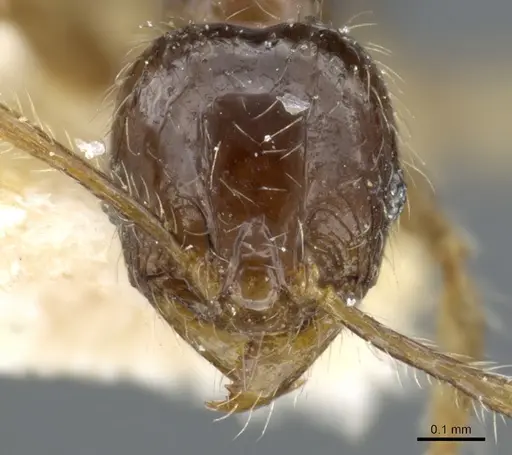
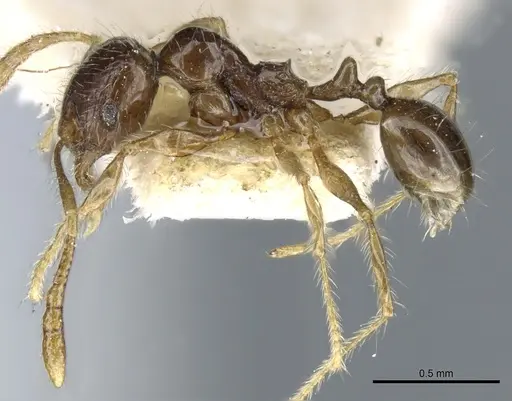
CASENT0907997
View on AntWeb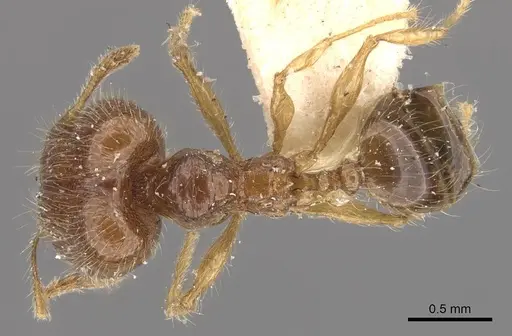
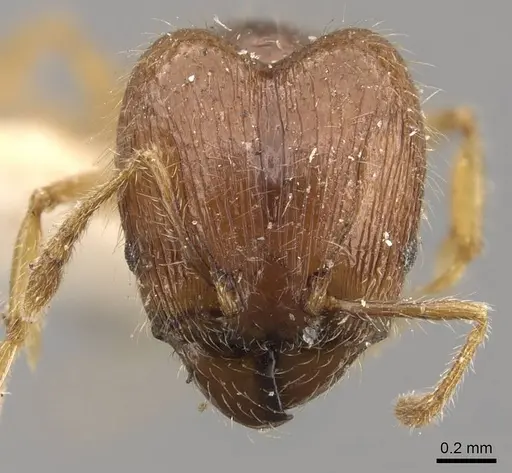
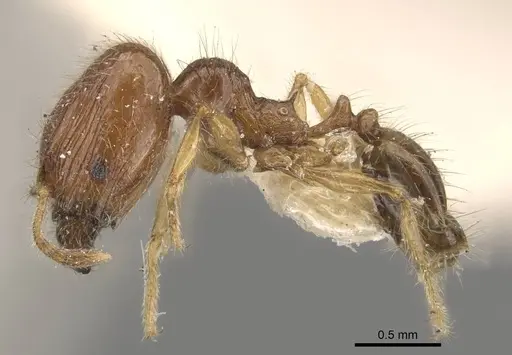
CASENT0907998
View on AntWeb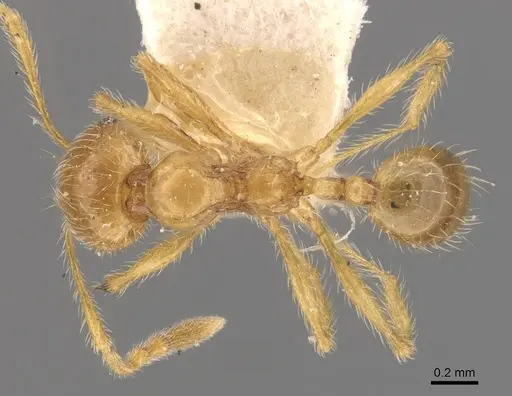
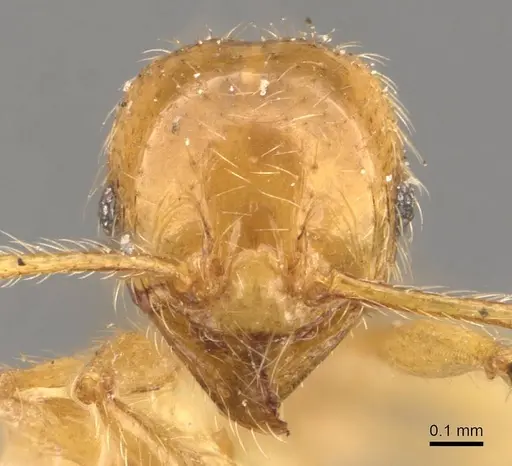
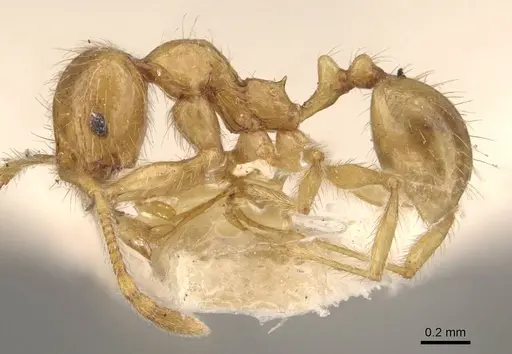
CASENT0919936
View on AntWeb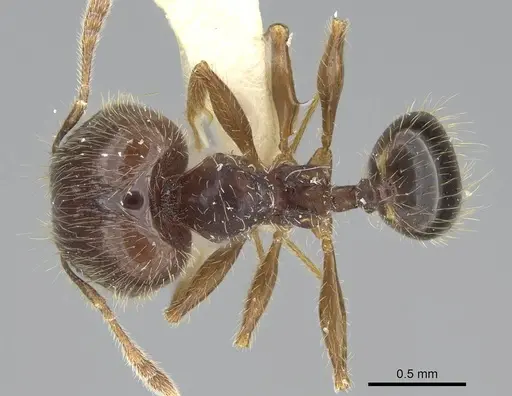
CASENT0919937
View on AntWeb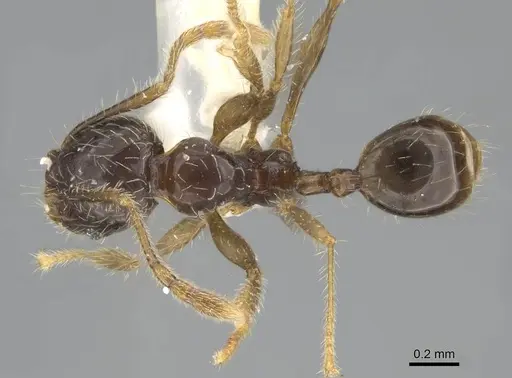
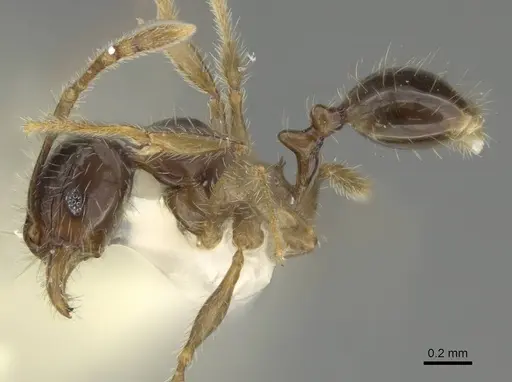
FOCOL1386
View on AntWeb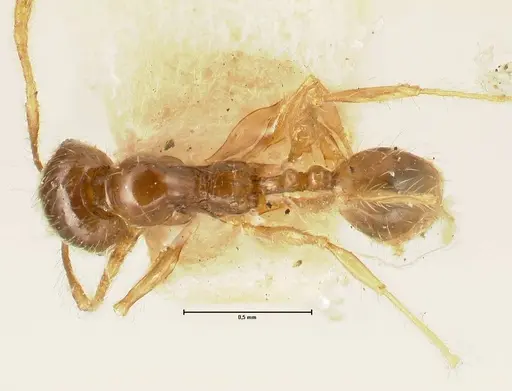
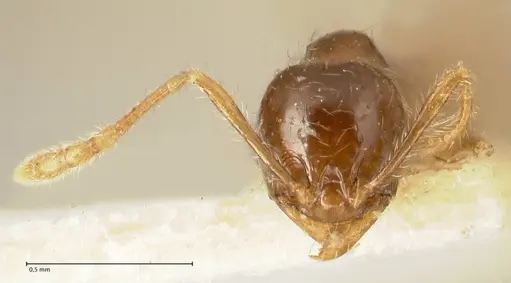
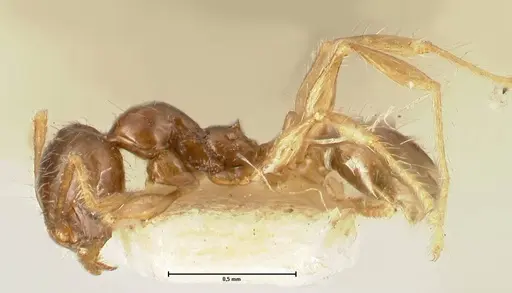
Literature
Loading distribution map...Loading products...