
Pheidole rugosula
- Sci. Name
- Pheidole rugosula
- Tribe
- Attini
- Subfamily
- Myrmicinae
- Author
- Forel, 1902
- Distribution
- Found in 2 countries
Introduction
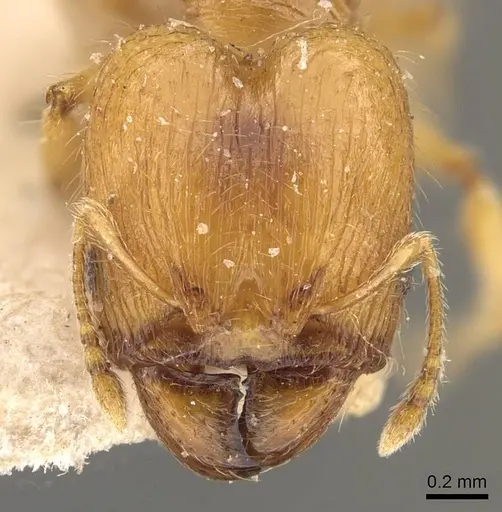
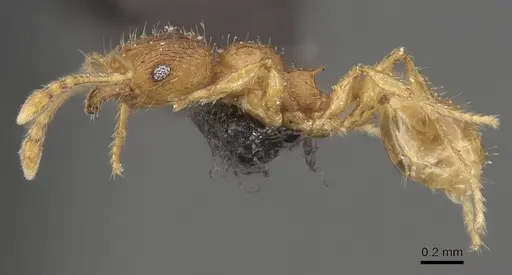
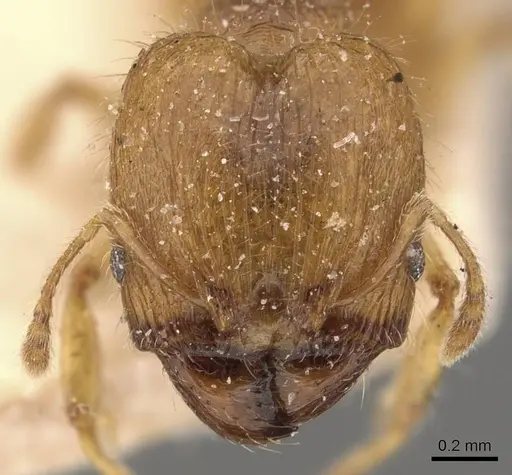
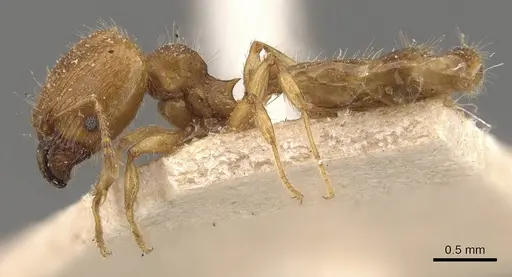
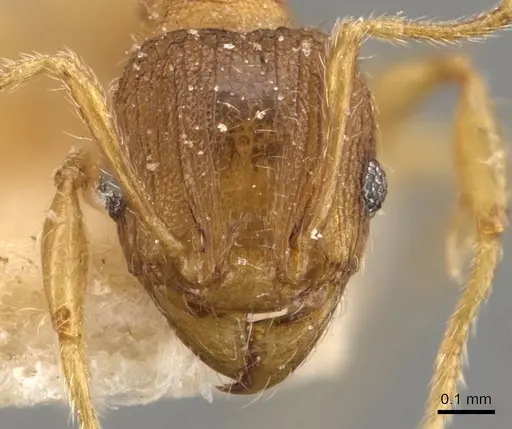
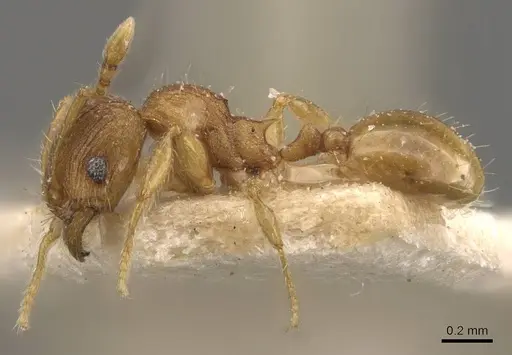
Pheidole rugosula is a small ant species with two distinct worker castes: minor workers (about 2–3 mm) and major workers (soldiers, about 3–4 mm) that have oversized, rectangular heads. The body color ranges from reddish-brown to dark brown. This species is native to Australia and has been introduced to New Zealand, where it is considered an invasive species established in port areas and disturbed habitats . It belongs to the subfamily Myrmicinae and the tribe Attini, but unlike fungus-farming Attini, it is an omnivorous scavenger with a strong preference for protein baits . Foraging activity is highest between 20–30 °C .
Quick Summary
- Difficulty: Expert
- Origin & Habitat: Native to Australia, introduced to and established in New Zealand, where it is most frequently found on vegetation, buildings, and broken surfaces near ports and urban areas [1][3].
- Colony Type: Inferred from Pheidole patterns – likely polygynous (multiple queens per colony), but colony structure has not been confirmed by published studies.
- Size & Growth:
- Queen: size data unavailable – inferred from Pheidole genus, typically ~6–8 mm
- Worker: inferred from Pheidole genus, minor workers ~2–3 mm, major workers ~3–4 mm
- Colony: abundant in the wild (up to several thousand individuals were caught in trap studies [4]), but maximum colony size is unknown
- Growth: Moderate (estimated based on related species)
- Development: estimated 6–8 weeks at optimal temperatures, based on related Pheidole species (Exact development time has not been studied for this species.)
- Antkeeping:
- Temperature: Keep the colony in a warm area (roughly 22–28 °C). Research shows they are active between 20–30 °C [5]. Avoid sustained temperatures above 30 °C or below 15 °C. A temperature gradient can be created with a heating cable.
- Humidity: Provide a humidity gradient: keep the nest substrate slightly moist in one area but mostly dry, as this species does not require high humidity. In the wild they are found on vegetation and buildings [1], suggesting tolerance of drier conditions.
- Diapause: Unknown – the species experiences cool winters in New Zealand (mean annual temperature 12.1 °C [6]), but diapause has not been documented. A winter cooling to 18–20 °C is optional.
- Nesting: Test tubes, Y-tong (AAC), plaster, or 3D-printed nests work well. Avoid overly humid substrates. Provide an escape-proof outworld (see behaviour notes).
- Behavior: Generally non‑aggressive to humans – they will not sting aggressively. Majors may bite if the nest is disturbed, but this is harmless. Competition assays show mild aggression (leg biting, antennae pulling) toward other ant species [7]. Escape risk is HIGH due to the small size of workers (2–4 mm) – use fine mesh (0.5 mm) or fluon barriers on all exits.
- Common Issues: high escape risk – workers are tiny and can squeeze through tiny gaps, use fluon or PTFE barriers on outworld walls., protein is essential – colonies fed only sugar will decline, offer insects 2–3 times per week [4]., overheating above 30 °C can be fatal [5]., invasive species warning – do NOT release any ants in New Zealand, they can outcompete native fauna [1][6].
Housing and Nest Setup
Start a colony in a test tube with a water reservoir. Once the colony has roughly 50 workers, you can connect additional test tubes or move to a Y‑tong (AAC) nest, plaster nest, or a 3D‑printed formicarium. Avoid acrylic nests. Provide a humidity gradient – one moist area and one dry area. The outworld must be escape‑proof: use fluon or PTFE on the walls and make sure no gaps larger than 0.5 mm exist, as minor workers are very small.
Feeding and Diet
Pheidole rugosula strongly prefers protein over sugar or combination baits [4]. Offer protein 2–3 times a week: small insects like fruit flies, mealworms, or cricket pieces. Sugar water or honey can be given weekly for energy. Remove uneaten protein within 24 hours to prevent mold. They are not fungus farmers, despite belonging to the tribe Attini.
Temperature Management
For optimal activity, keep the colony at 22–28 °C. Studies show they forage actively between 20–30 °C [5]. Room temperature (22–24 °C) usually works without extra heating. If you use a heating cable, create a gradient so the ants can choose. Avoid temperatures above 30 °C or below 15 °C for long periods.
Colony Structure and Growth
The colony structure of Pheidole rugosula has not been studied in detail. Based on common Pheidole patterns, colonies may be polygynous (multiple queens) and can reach large sizes (thousands of workers). The queen is likely claustral, but this is unconfirmed. Major workers (soldiers) develop as the colony grows and are used for defence and processing large food items. The founding period (egg to first worker) is estimated at 6–8 weeks at warm temperatures.
Legal and Ethical Considerations
Pheidole rugosula is an invasive species in New Zealand, where it was first recorded in 1958 [6]. It is established around ports and urban areas [1]. Never release these ants in New Zealand. In Australia they are native, but local regulations may still apply. Always check the laws in your region and keep captive colonies secure to prevent escape.
Frequently Asked Questions
How long does it take for Pheidole rugosula to produce first workers?
Estimated 6–8 weeks from founding to first workers, based on related Pheidole species. The exact timing has not been studied.
What do Pheidole rugosula ants eat?
They are omnivorous with a strong preference for protein. Offer small insects (fruit flies, mealworms, cricket pieces) 2–3 times per week. Sugar water or honey weekly provides energy. In studies they consistently chose protein over sugar baits [4].
What temperature do Pheidole rugosula need?
Keep between 22–28 °C for best activity. They are active from 20–30 °C in the wild [5]. Avoid extremes: above 30 °C or below 15 °C for long periods.
Are Pheidole rugosula good for beginners?
Because this species is invasive in New Zealand, we recommend only experienced keepers who can guarantee no escapes. The species itself is relatively undemanding (tolerates a range of conditions), but the risk of accidental release makes it unsuitable for beginners. Additionally, their small size makes escape prevention challenging.
How big do Pheidole rugosula colonies get?
Colonies can become very large – trap studies have caught thousands of workers in a single area [4]. Maximum colony size is unknown but likely several thousand workers.
Do Pheidole rugosula need hibernation?
Unknown. They are found in temperate New Zealand (mean annual temperature 12.1 °C) [6], but no hibernation has been documented. A slight winter cooling to 18–20°C is optional.
Can I keep multiple Pheidole rugosula queens together?
Possibly – Pheidole are often polygynous, but this has not been confirmed for this species. If you try, ensure ample space and food, and be prepared to separate them if aggression occurs.
When should I move my colony to a formicarium?
Move from test tube to a larger nest (Y‑tong, plaster, or 3D‑printed) when the colony reaches 50–100 workers or the test tube becomes cramped. Ensure the new nest has proper humidity control and escape‑proof barriers.
Is Pheidole rugosula invasive?
Yes, in New Zealand it is considered an invasive species, first recorded in 1958 and spread through port areas [1][6]. In Australia it is native. Never release this species in New Zealand.
Report an Issue
The current care sheet is based fully on literature. See inconsistencies, or something that's incorrect? Please , it will be resolved after review from an admin. Contributing to the blogs tab also helps providing information, to make us be able to further improve the caresheets. Thank you for your support!
References

This caresheet is licensed under CC BY-SA 4.0 .
Community Blogs
CASENT0172364
View on AntWeb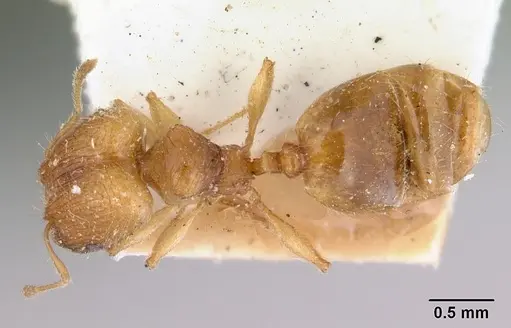
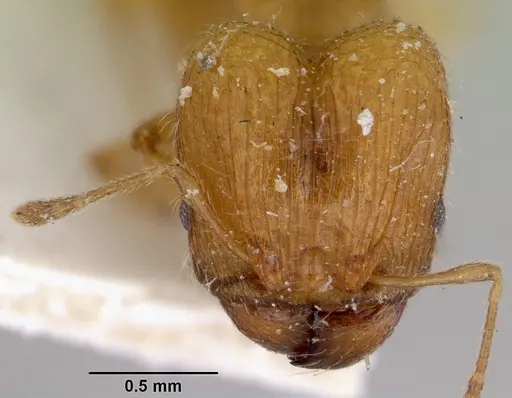
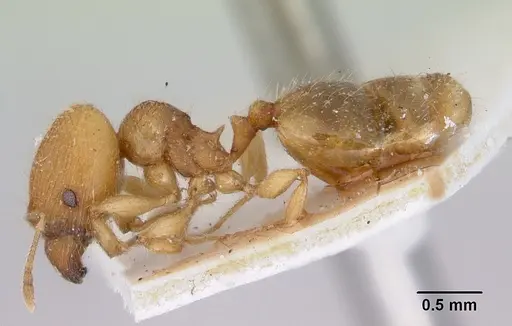
CASENT0908051
View on AntWeb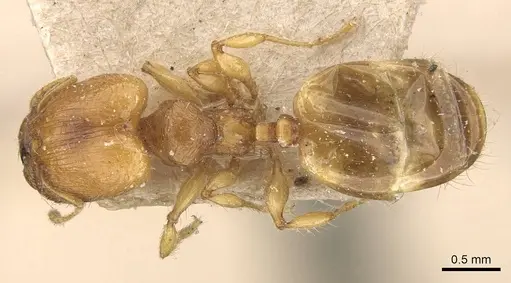
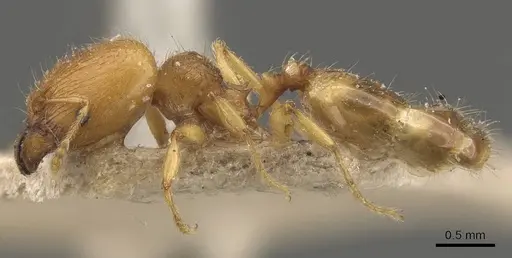
CASENT0908052
View on AntWeb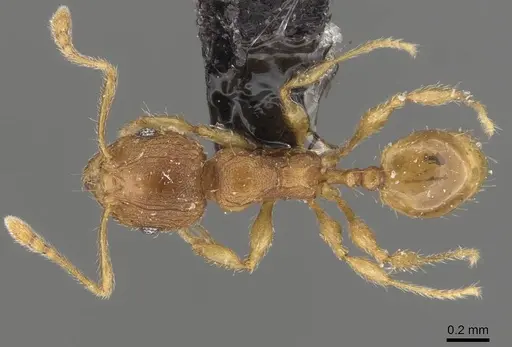
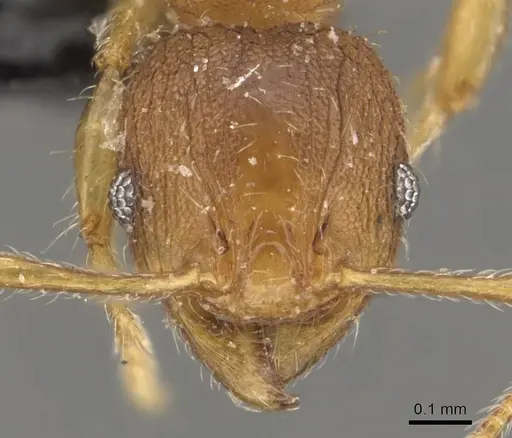
CASENT0908062
View on AntWeb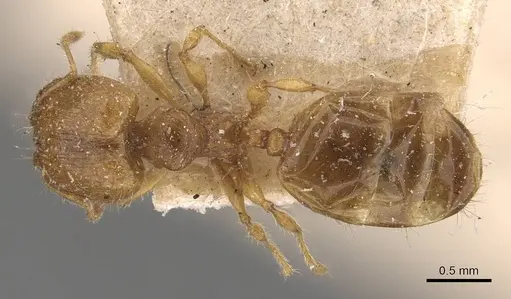
CASENT0908063
View on AntWeb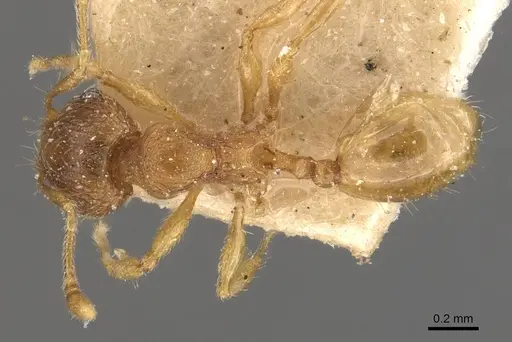
Literature
Loading distribution map...Loading products...