
Pheidole rugatula
- Sci. Name
- Pheidole rugatula
- Tribe
- Attini
- Subfamily
- Myrmicinae
- Author
- Santschi, 1933
- Distribution
- Found in 2 countries
Introduction
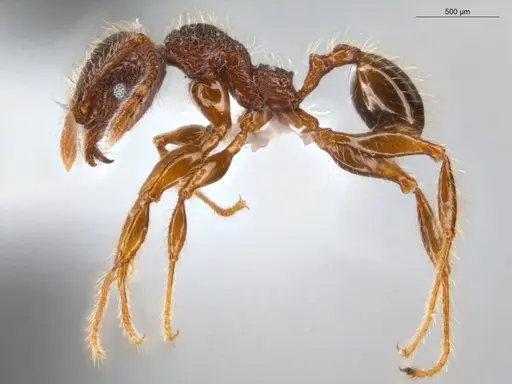
Pheidole rugatula is a small Neotropical ant species native to northern Argentina, Paraguay, and French Guiana. It is found in ground-dwelling ant communities in subtropical forests, with records from native forest, eucalyptus plantations, and agricultural areas . Workers are approximately 1-2 mm in length, inferred from Pheidole genus patterns . The species name means 'little wrinkles, ' referring to the rugoreticulum patterns on the head and mesosoma . This species is notable for having no documented biological data; nothing is known about its colony founding, diet, or development, making it one of the least studied Pheidole species .
Quick Summary
- Difficulty: Hard
- Origin & Habitat: Native to the Neotropical region, specifically Argentina (Misiones province), Paraguay, and French Guiana. Found in forest environments, with specimens collected from native forest, eucalyptus plantations, and agricultural areas [1][2][3][4].
- Colony Type: Unconfirmed, likely monogyne based on typical Pheidole patterns, but no specific data exists for this species [5].
- Size & Growth:
- Queen: Unconfirmed, no measurements available [5].
- Worker: Approximately 1-2 mm, inferred from Pheidole genus patterns [5].
- Colony: Unknown, no colony size data exists [5].
- Growth: Unknown [5].
- Development: Unconfirmed, based on typical Pheidole patterns, expect 6-10 weeks at warm temperatures [5]. (Development timeline is unconfirmed as no biological studies have been conducted on this species.)
- Antkeeping:
- Temperature: Based on its Neotropical distribution, keep at warm temperatures roughly 22-28°C. Adjust based on colony activity [5].
- Humidity: Maintain moderate humidity, keep nest substrate consistently moist but not waterlogged, with some drier areas available [5].
- Diapause: Unknown, as a Neotropical species from northern Argentina, they may have reduced activity during cooler months but likely do not require true hibernation [5].
- Nesting: In the wild, they are ground-dwelling ants found in forest floor environments. In captivity, use moist soil or Y-tong/plaster nests scaled to their small size [5].
- Behavior: Behavior is unconfirmed for this species. As a Pheidole species, they likely have typical major/minor worker castes. Escape prevention should be moderate due to their small size, ensure gaps are sealed, but they are not known as particularly aggressive [5].
- Common Issues: biology is completely unstudied, no specific care information exists for this species, making successful keeping uncertain [5]., colony size and growth rate are unknown, making it difficult to plan for future housing needs [5]., foundling behavior has not been documented, it is unclear whether queens are claustral or semi-claustral [5]., wild-caught colonies may have unknown parasites or health issues since nothing is known about their natural biology [5].
Species Background and Identification
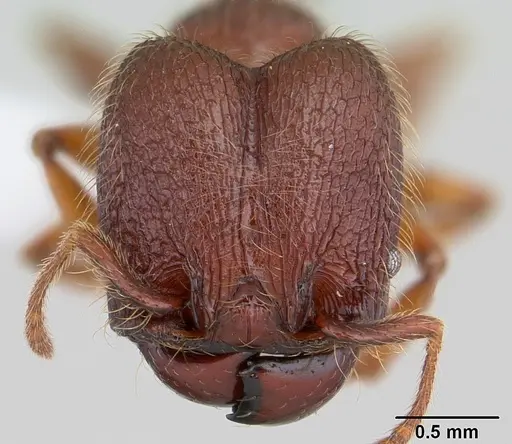
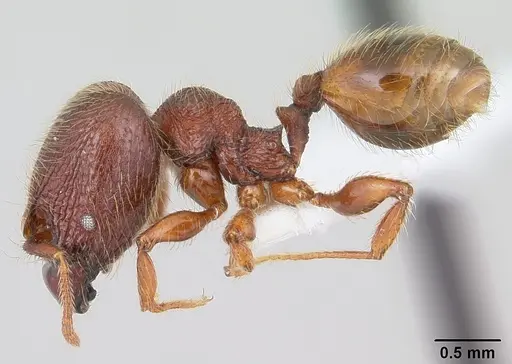
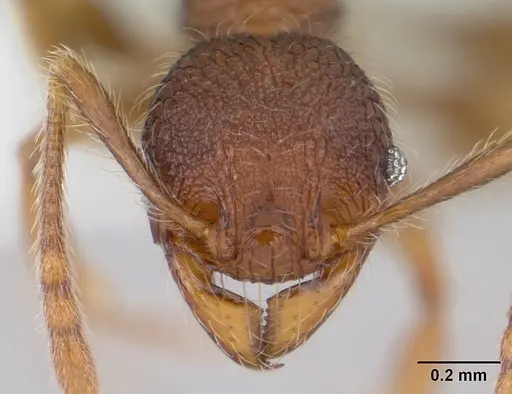
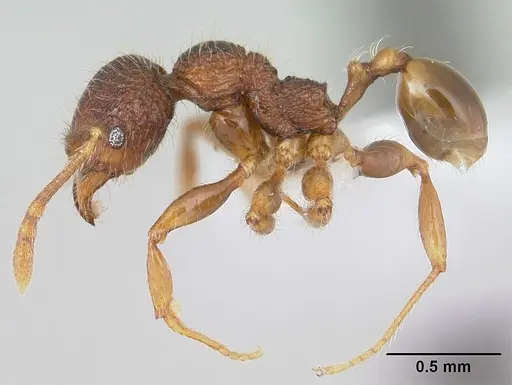
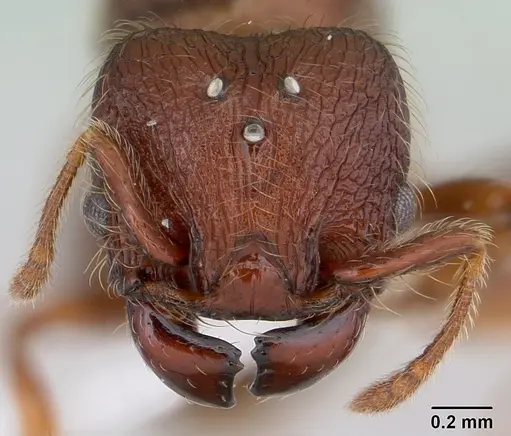
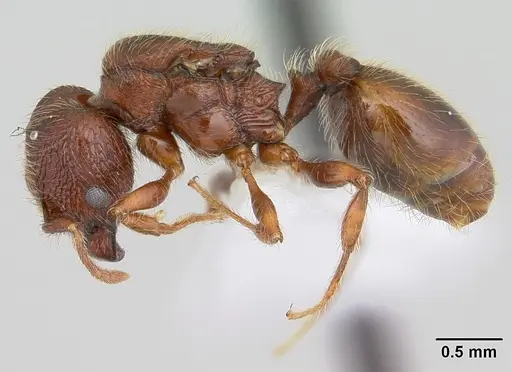
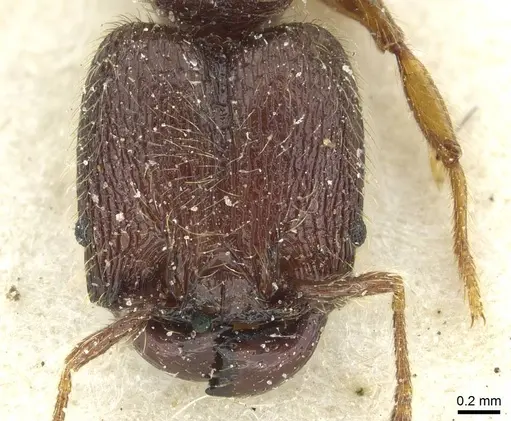
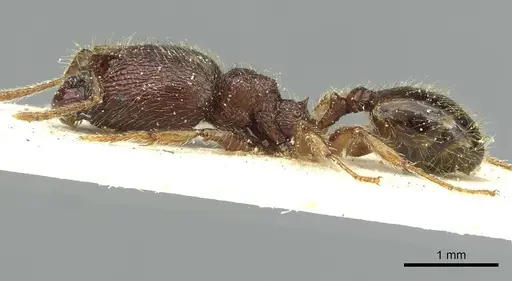
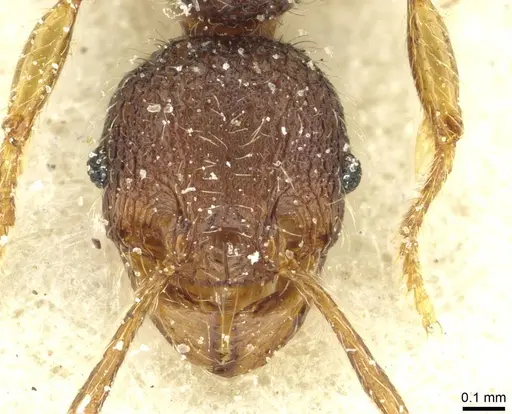
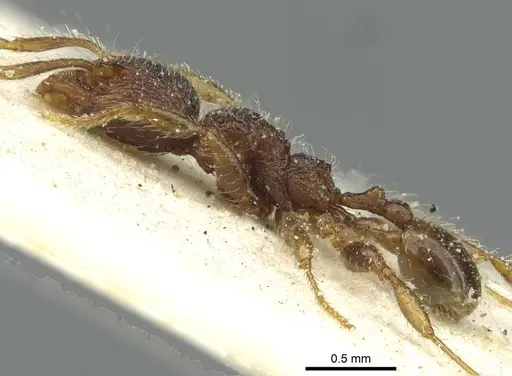
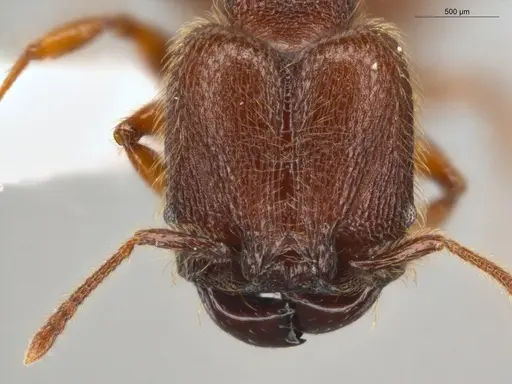
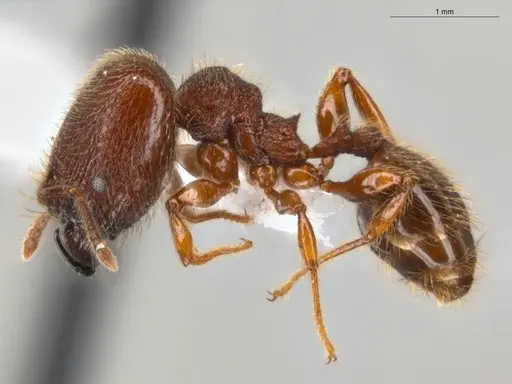
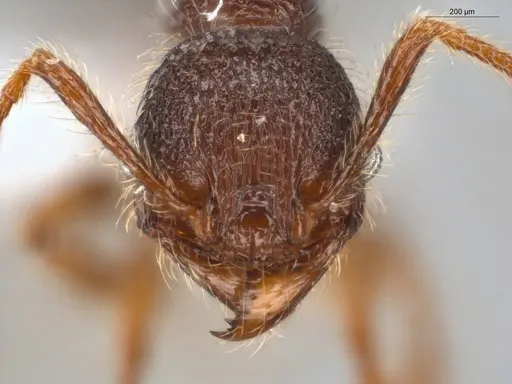
Pheidole rugatula was originally described as a variety of Pheidole risiii by Santschi in 1933,then raised to full species status by Wilson in 2003. The species name 'rugatula' comes from Latin meaning 'little wrinkles, ' describing the distinctive rugoreticulum patterns on the head and mesosoma. Major workers can be identified by the small patch of wrinkles behind each antennal fossa, while minor workers have wrinkles on the posterior third of the head and the promesonotal dorsum [5]. The species is known only from the type locality in Loreto, Misiones, Argentina, with additional records from Paraguay and French Guiana [5].
Natural Habitat and Distribution
This species is found across the Neotropical region, specifically in northern Argentina (Misiones province), Paraguay, and French Guiana. Ant community studies in the Iguazú National Park region have recorded this species as part of the ground-dwelling ant fauna. Survey data shows specimens collected from native forest environments, with some presence in eucalyptus plantations and agricultural areas, suggesting some tolerance for modified habitats though strongly preferring forested areas [3][4][2][1].
Approximate Care Guidelines
Since no specific biological data exists for this species, care recommendations must be based on typical Pheidole genus behavior and the species' Neotropical distribution. You should keep the nest at warm temperatures between 22-28°C, reflecting the subtropical climate of its native range. Maintain moderate humidity in the nest substrate, damp but not saturated, as would be found in a forest floor environment. Feed a typical Pheidole diet of protein sources (small insects like fruit flies or pinhead crickets) and sugar water or honey. The colony should be given a test tube setup or small formicarium with chambers scaled to their tiny size [5].
Challenges and Uncertainties
Pheidole rugatula represents one of the most poorly documented ant species in the hobby. The AntWiki explicitly states that nothing is known about the biology of this species, no one has ever documented how they found colonies, what they eat in the wild, how their colonies develop, or any aspect of their natural history. This means there is no way to verify whether the general Pheidole care guidelines actually work for this species. Keepers attempting to maintain this species should be prepared for experimentation and should document their observations carefully [5].
Frequently Asked Questions
How do I care for Pheidole rugatula ants?
Care is uncertain since no biological studies exist for this species. Based on its Neotropical distribution and typical Pheidole genus behavior, keep at 22-28°C with moderate humidity. Feed protein (small insects) and sugar water. This is an experimental species with no documented captive care history [5].
What do Pheidole rugatula ants eat?
Diet is unconfirmed for this specific species. Based on typical Pheidole behavior, they likely accept small protein sources (fruit flies, pinhead crickets) and sugar water or honey. Start with these basic foods and observe acceptance [5].
How long does it take for Pheidole rugatula to develop from egg to worker?
Development timeline is completely unconfirmed, no scientific studies have documented this. Based on typical Pheidole genus patterns at warm temperatures (25°C+), expect approximately 6-10 weeks from egg to first worker, but this is purely an estimate [5].
Are Pheidole rugatula good for beginners?
No, this species is not recommended for beginners. Absolutely no biological data exists for this species, meaning there is no established care protocol. Successful keeping would require significant experimentation and documentation of what works [5].
What size do Pheidole rugatula workers reach?
Workers are approximately 1-2 mm in length, inferred from Pheidole genus patterns. This is a small Pheidole species [5].
Where is Pheidole rugatula found in the wild?
This species is native to the Neotropical region, specifically northern Argentina (Misiones province), Paraguay, and French Guiana. They live in subtropical forest environments [1][2].
How big do Pheidole rugatula colonies get?
Colony size is unknown, no colony size data has been documented for this species [5].
Can I keep multiple Pheidole rugatula queens together?
Colony structure is unconfirmed for this species. Pheidole species are typically monogyne (single queen), but polygyny has been documented in some species. Without specific data, combining unrelated queens is not recommended [5].
Do Pheidole rugatula need hibernation?
Diapause requirements are unknown. As a Neotropical species from northern Argentina, they may experience cooler winters and could benefit from a slight cooling period (15-18°C) during winter months if the colony shows reduced activity, but true hibernation is unlikely [5].
Report an Issue
The current care sheet is based fully on literature. See inconsistencies, or something that's incorrect? Please , it will be resolved after review from an admin. Contributing to the blogs tab also helps providing information, to make us be able to further improve the caresheets. Thank you for your support!
References

This caresheet is licensed under CC BY-SA 4.0 .
Community Blogs
CASENT0178051
View on AntWeb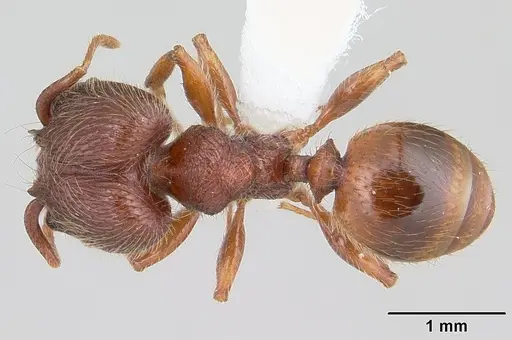
CASENT0178052
View on AntWeb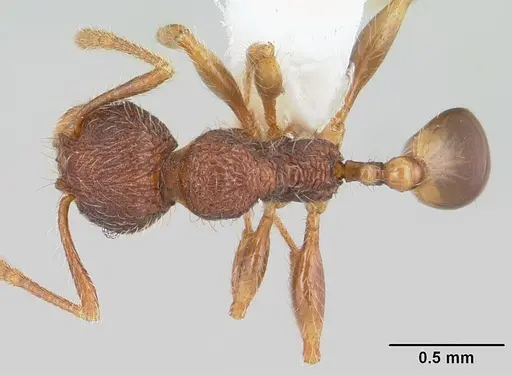
CASENT0178053
View on AntWeb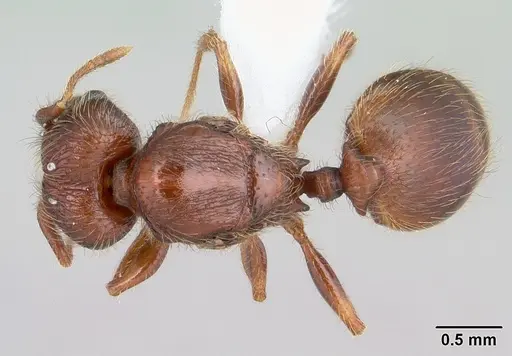
CASENT0913418
View on AntWeb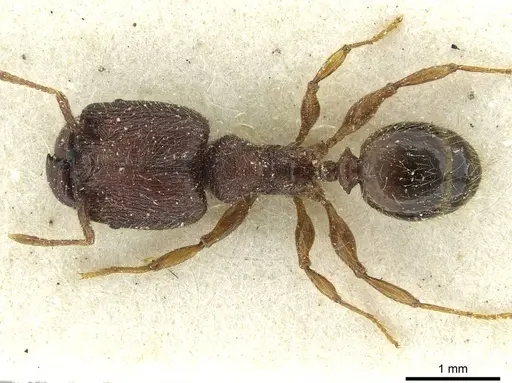
CASENT0913419
View on AntWeb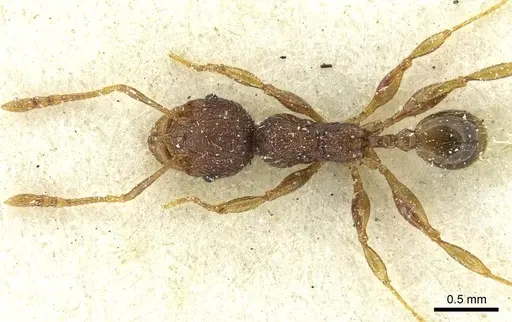
ECOFOG-GAL18-0149-36-S
View on AntWeb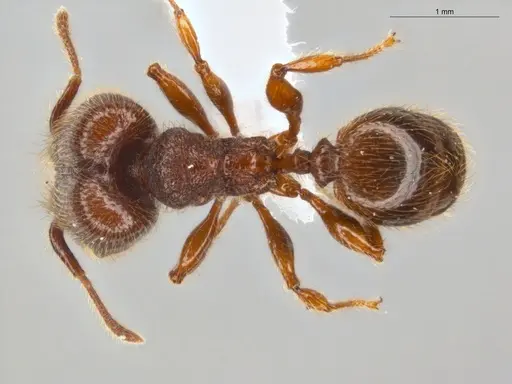
ECOFOG-GAL18-0153-18
View on AntWeb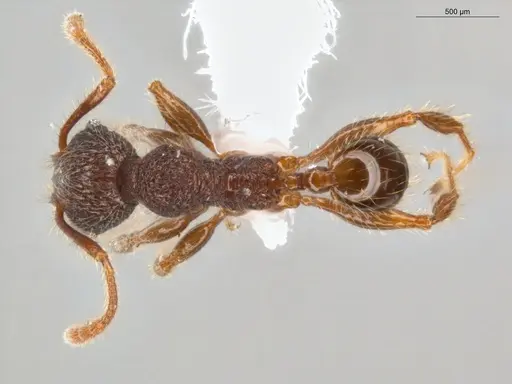
Literature
Loading distribution map...Loading products...