
Pheidole rosae
- Sci. Name
- Pheidole rosae
- Tribe
- Attini
- Subfamily
- Myrmicinae
- Author
- Forel, 1901
- Distribution
- Found in 1 countries
Introduction
Pheidole rosae is a small ant with major workers larger than minors. Specific body size measurements are not available in the literature . It is native to northern Argentina, southern Brazil, and Uruguay, inhabiting subtropical forests and grasslands . A 2024 record in Barcelona, Spain marks its first presence in the Northern Hemisphere, where it is classified as a temporary introduction rather than an established invasive species . This species shows active recruitment behavior, where workers lead nestmates to food sources .
Quick Summary
- Difficulty: Easy
- Origin & Habitat: Native to northern Argentina, southern Brazil, and Uruguay, inhabiting subtropical forests and grasslands [2][1].
- Colony Type: Colony structure is unconfirmed, but based on Pheidole genus patterns, likely monogyne (single queen).
- Size & Growth:
- Queen: Size data unavailable [1][2].
- Worker: Size data unavailable [1][2].
- Colony: Up to several dozen workers based on Barcelona nest observations [2].
- Growth: Moderate.
- Development: Estimated 6-8 weeks at warm temperatures, based on typical Pheidole development. (Development time inferred from genus patterns, specific data not available for this species.)
- Antkeeping:
- Temperature: Keep at 22-26°C, inferred from subtropical origin.
- Humidity: Keep nest substrate consistently damp but not waterlogged, based on moisture-loving description [2].
- Diapause: Likely requires winter diapause of 2-3 months at 15-18°C, inferred from geographic range.
- Nesting: Ground-nesting species, use test tubes for founding colonies, then transition to Y-tong or soil-based nests [2].
- Behavior: Workers show recruitment behavior to food sources [2]. Generally peaceful, not aggressive toward humans. Escape risk is moderate due to small size, standard precautions recommended.
- Common Issues: keeping substrate too dry can kill the colony [2]., temperature fluctuations can stress the colony., test tube flooding can drown founding queens., wild-caught colonies may contain parasites., new colonies are sensitive to disturbance.
Housing and Nest Setup
Pheidole rosae is a ground-nesting ant that does well in standard antkeeping setups. For founding colonies, use a standard test tube setup with a water reservoir at one end, plugged with cotton. The queen will seal herself in and raise her first brood in the chamber. Once the colony reaches several dozen workers, you can transition to a formicarium. A Y-tong nest or naturalistic setup with soil substrate works well. Since they are moisture-loving, include a water chamber or regularly mist the nesting area. They prefer enclosed, dark chambers rather than exposed spaces. The outworld should allow for easy foraging, a simple plastic container with a secure lid works fine [2].
Feeding and Diet
Pheidole rosae is described as granívora (seed-eating) in the literature [2], meaning they collect and process seeds as a food source. In captivity, offer a varied diet including: seeds (grass seeds, millet, flax), protein sources (small insects like fruit flies, mealworms, crickets), and sugar water or honey. Workers will recruit nestmates to food sources, forming visible trails [2]. Offer seeds continuously as they can store them. Protein should be offered 2-3 times per week. Sugar water should be available at all times. Remove uneaten food after 24-48 hours to prevent mold.
Temperature and Seasonal Care
Keep your colony at 22-26°C for optimal growth and activity, inferred from their subtropical origin. A heating cable or mat on one side of the nest creates a gentle gradient allowing workers to regulate their temperature. During winter, consider reducing to 15-18°C for 2-3 months to simulate their natural seasonal cycle. This diapause period helps maintain colony health. However, avoid temperatures below 15°C as this can be harmful.
Behavior and Colony Dynamics
This species shows recruitment behavior, when a forager discovers food, it returns to the nest and leads other workers to the food source in a clear trail [2]. Major workers defend the colony and help process larger food items including seeds. The colony structure includes both minor and major workers, with majors typically appearing once the colony reaches moderate size. Queens are likely claustral founders, but this is unconfirmed. The species is not aggressive and rarely stings, making it suitable for observation. Workers are active foragers, especially in the evening and night hours.
Growth and Development
Pheidole species typically grow from egg to first worker in 6-8 weeks at optimal temperature, inferred from genus patterns. The queen lays eggs which hatch into larvae, then pupate before emerging as workers. First workers are often smaller than normal workers. As the colony grows, larger majors will appear. The colony grows moderately, don't expect rapid expansion. Patience is key during the founding phase when the queen is sealed in and no workers are visible. Once the first workers emerge, growth typically accelerates.
Frequently Asked Questions
How long does it take for Pheidole rosae to produce first workers?
Expect first workers to emerge 6-8 weeks after the queen lays eggs, at optimal temperature (22-26°C). This timeline is based on typical Pheidole development patterns since specific data for this species is not available.
Can I keep multiple Pheidole rosae queens together?
This species is likely monogyne based on genus patterns, so multiple unrelated queens may fight. Only keep one queen per colony.
What do Pheidole rosae ants eat?
They are granívora (seed-eaters) but accept a varied diet. Offer seeds (millet, grass seeds), protein (small insects like fruit flies, mealworms), and sugar water or honey. Workers will recruit nestmates to food sources [2].
What temperature is best for Pheidole rosae?
Keep them at 22-26°C, inferred from their subtropical origin. A heating cable on part of the nest creates a gradient for workers to regulate their temperature.
Are Pheidole rosae good for beginners?
Yes, they are considered an easy species to keep. They are not aggressive, accept varied foods, and have moderate care requirements. The main challenges are maintaining appropriate moisture and being patient during the slow founding phase.
Do Pheidole rosae need hibernation?
Likely yes, reduce temperatures to 15-18°C for 2-3 months during winter to simulate their natural seasonal cycle. This diapause helps maintain colony health long-term.
When should I move my colony to a formicarium?
Move once the colony reaches several dozen workers. A Y-tong nest or naturalistic setup with soil substrate works well. Ensure the new setup has a water source and maintains appropriate humidity [2].
Why are my Pheidole rosae dying?
Common causes include: too dry substrate (they are moisture-loving), temperature extremes, disturbance during founding phase, or parasites from wild-caught colonies. Check humidity levels first and ensure the queen is not being disturbed [2].
Report an Issue
The current care sheet is based fully on literature. See inconsistencies, or something that's incorrect? Please , it will be resolved after review from an admin. Contributing to the blogs tab also helps providing information, to make us be able to further improve the caresheets. Thank you for your support!
References

This caresheet is licensed under CC BY-SA 4.0 .
Community Blogs
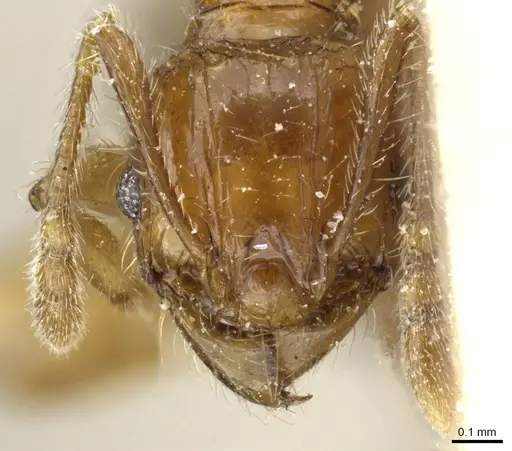
CASENT0904332
View on AntWeb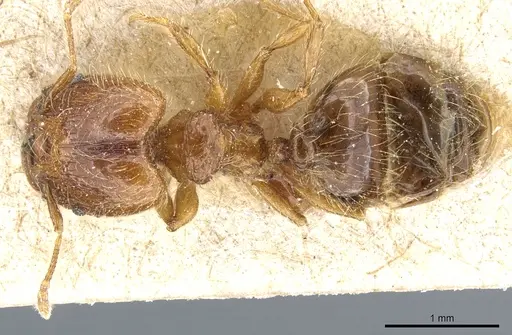
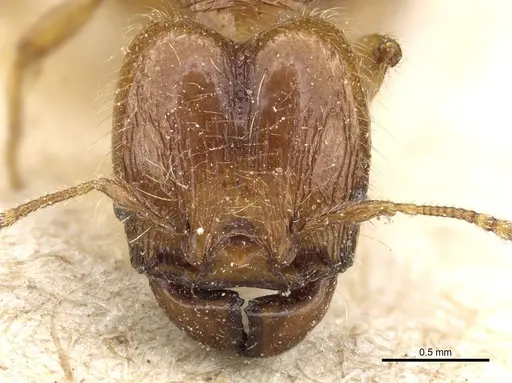
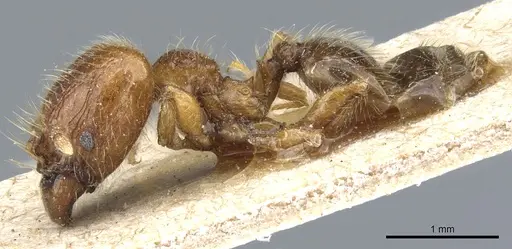
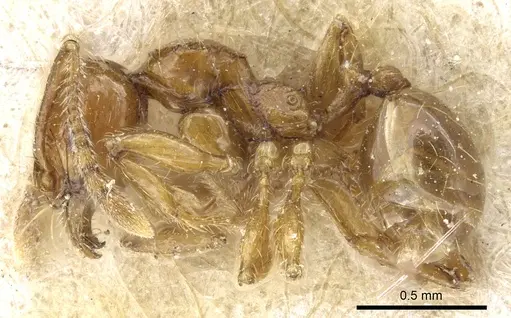
CASENT0904333
View on AntWeb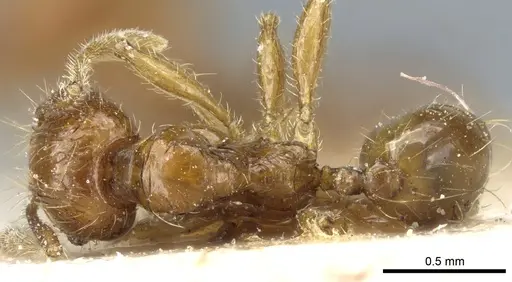
Literature
Loading distribution map...Loading products...