
Pheidole rogeri
- Sci. Name
- Pheidole rogeri
- Tribe
- Attini
- Subfamily
- Myrmicinae
- Author
- Emery, 1896
- Distribution
- Found in 3 countries
Introduction
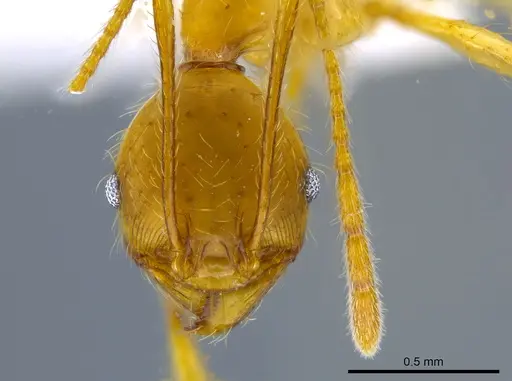
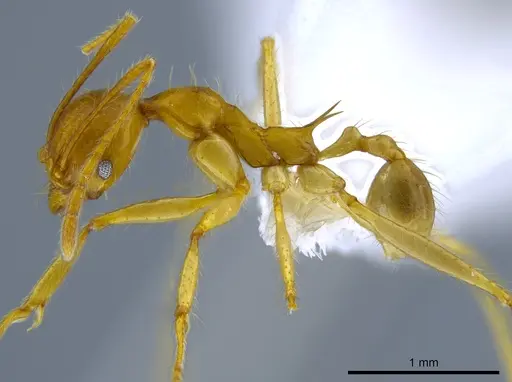
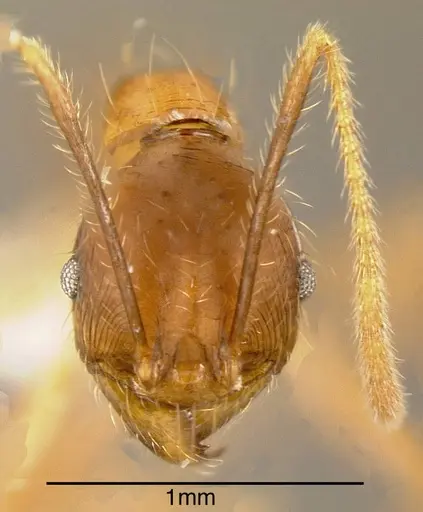
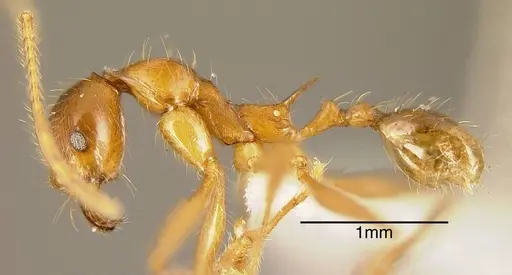
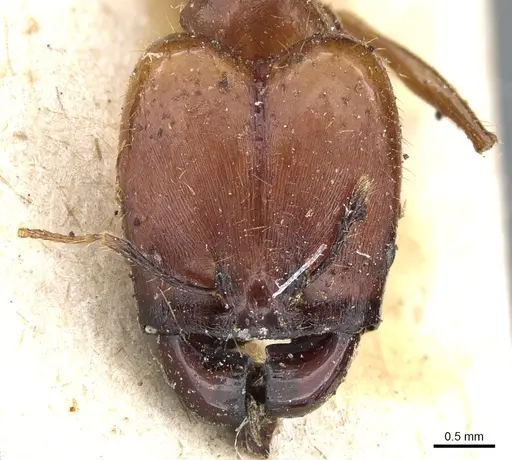
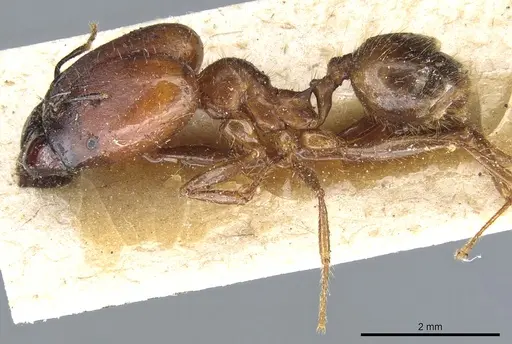
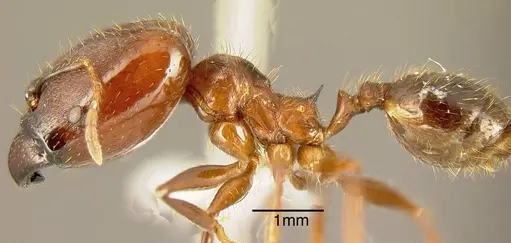
Pheidole rogeri is a large ant species native to the Neotropical region. You can find them on the Atlantic slope of Costa Rica and Honduras, with recent records from Colombia. The major workers (soldiers) are a light reddish brown color, often called "brick red, " while the minor workers are brownish yellow. Both castes have extremely long spines on their back. The major workers' heads feature densely packed parallel grooves covering most of the upper surface. This species nests in the soil of wet tropical forests, usually at elevations up to 800 meters, though some records come from grassy slopes at 1200 meters . Finding these colonies in the wild is difficult, even when you carefully open the soil . What stands out about this species is the extreme size difference between its workers. The major workers have massive heads and long spines, while the minor workers are much smaller. The species was first described by Emery in 1896 and later updated by Wilson in 2003,who noted the unique head grooves and color patterns. Some related forms have been found in Colombia, but DNA shows they are actually sister species rather than the same ant .
Quick Summary
- Difficulty: Medium
- Origin & Habitat: Wet tropical forests on the Atlantic slope of Costa Rica and Honduras, extending to Colombia at elevations between sea level and 1200 meters. They nest in soil [1][2].
- Colony Type: Colony structure is unconfirmed. Most Pheidole species form single-queen colonies, but specific data for this species is lacking.
- Size & Growth:
- Queen: size unknown, inferred from Pheidole genus (~10-12 mm)
- Worker: size unknown, inferred from Pheidole genus (~10-15 mm for majors, ~3-5 mm for minors)
- Colony: colony size is unknown
- Growth: Moderate
- Development: unknown (Development speed depends on temperature and food, but exact timelines for this species have not been studied.)
- Antkeeping:
- Temperature: Keep between 22-28°C. Tropical forest ants prefer stable warmth. A heating mat on one side of the nest lets them choose their preferred spot.
- Humidity: High humidity is essential. Keep the nest substrate damp but not soaking wet. Provide a water source and mist the nest occasionally to prevent drying out.
- Diapause: Likely not required. The species comes from tropical and subtropical elevations, so they probably stay active year-round. Specific data is unavailable.
- Nesting: Soil nests work best. Use Y-tong (AAC) or plaster nests with compact chambers. You can also use naturalistic setups with moist soil. Ensure good drainage to prevent mold.
- Behavior: General foragers that likely eat seeds, small insects, and honeydew. Major workers specialize in defense and seed handling, while minor workers do most foraging and brood care. They are not highly aggressive toward keepers but will defend the nest. Escape risk is moderate due to their size, but they can climb smooth surfaces. Use fluon on outworld rims. This species has a functional stinger based on its Myrmicinae classification, though it rarely uses it against humans.
- Common Issues: mold growth from overly wet substrate, colony stress from frequent nest checks, escape attempts through small gaps in the outworld, food spoilage if uneaten prey is left too long, slow founding phase if queen is disturbed
Nest Setup and Humidity
Pheidole rogeri nests in the soil of wet tropical forests [2]. In captivity, they do best in Y-tong (AAC) or plaster nests with compact chambers. These materials hold humidity well and mimic their natural soil cavities. You can also use naturalistic setups with moist soil. Keep the substrate damp but never waterlogged. Standing water will drown the brood and cause mold. Place a water tube in the nest to maintain steady humidity. Mist the nest lightly every few days if the air gets too dry. Avoid direct sunlight or heating vents that dry out the nest too fast [1].
Feeding and Diet
This species acts as a generalist feeder. In the wild, they likely eat seeds, small insects, and honeydew from aphids. In your outworld, offer a mix of protein and sugar. Give small insects like crickets or fruit flies two to three times a week. Keep a constant sugar source available, such as sugar water, honey, or diluted maple syrup. The major workers have strong mandibles for crushing seeds, so you can occasionally offer tiny seed pieces if you want to mimic their natural diet. Remove uneaten food after 24 hours to stop mold and pests from taking over. Fresh water should always be accessible [1].
Temperature and Activity
Pheidole rogeri comes from tropical and subtropical elevations, so they prefer warm conditions. Keep the nest between 22°C and 28°C. A heating mat on one side of the nest creates a temperature gradient, letting the ants move to their preferred spot. At temperatures below 20°C, colony activity slows down and brood development stalls. These ants likely do not need a winter rest period, but exact data is unavailable. Maintain stable warmth year-round to keep the colony active and growing [1][2].
Frequently Asked Questions
How long does it take for Pheidole rogeri first workers to emerge?
Development timelines for this species are unknown. Tropical Pheidole species typically take several weeks, but you should expect patience during the founding phase. Avoid checking the nest daily.
What do Pheidole rogeri ants eat?
They act as generalists. Offer small insects like crickets or fruit flies two to three times a week. Keep sugar water or honey available constantly. Remove uneaten food after 24 hours to prevent mold.
Do Pheidole rogeri ants need hibernation?
Likely not. The species comes from tropical and subtropical elevations, so they probably stay active year-round. Specific data is unavailable, but stable warmth is best.
What size colony does Pheidole rogeri reach?
Colony size data is unknown. Most Pheidole species grow steadily, but exact numbers for this species have not been recorded.
Are Pheidole rogeri good for beginners?
They are rated Medium difficulty. You need to manage humidity carefully and keep the nest warm. They are forgiving but require steady tropical conditions.
Can I keep multiple Pheidole rogeri queens together?
Colony structure is unconfirmed, but most Pheidole species form single-queen colonies. Do not combine unrelated queens. Keep one queen per nest to avoid fighting.
What nest type is best for Pheidole rogeri?
Soil nests work best. Use Y-tong (AAC) or plaster nests with compact chambers. You can also use naturalistic setups with moist soil. Ensure good drainage to stop mold.
How often should I feed Pheidole rogeri?
Offer protein two to three times per week. Keep sugar water or honey available constantly, replacing it every few days to stop fermentation. Remove uneaten prey after 24 hours.
Why is my Pheidole rogeri colony not growing?
Check three things: temperature (keep between 22-28°C), humidity (substrate should be damp but not wet), and nutrition (provide both protein and sugar). Slow growth can also be normal variation.
Report an Issue
The current care sheet is based fully on literature. See inconsistencies, or something that's incorrect? Please , it will be resolved after review from an admin. Contributing to the blogs tab also helps providing information, to make us be able to further improve the caresheets. Thank you for your support!
References

This caresheet is licensed under CC BY-SA 4.0 .
Community Blogs
CASENT0628124
View on AntWeb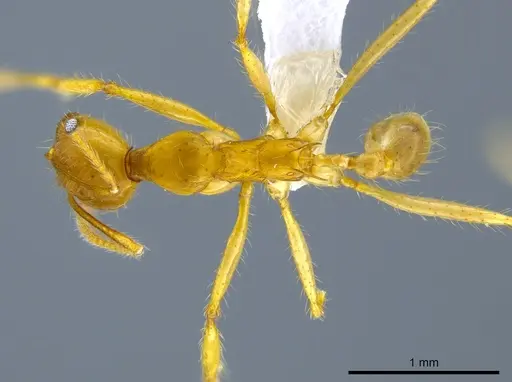
CASENT0635519
View on AntWeb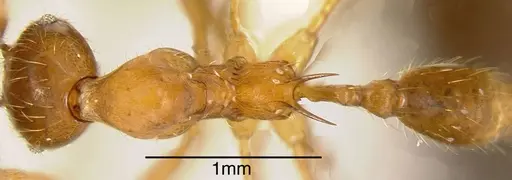
CASENT0904329
View on AntWeb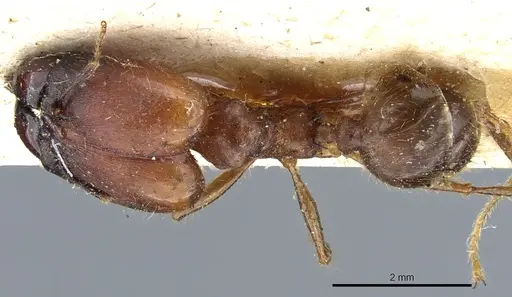
INBIOCRI001282986
View on AntWeb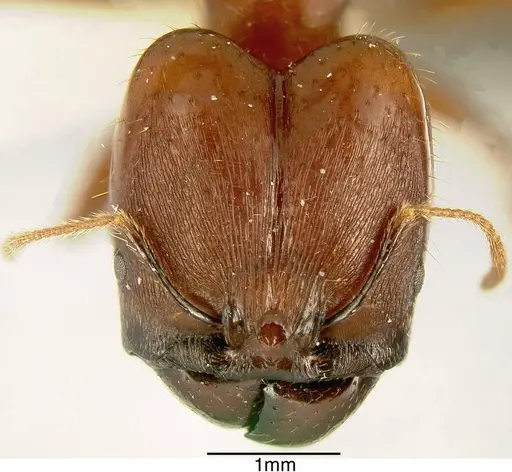
Literature
Loading distribution map...Loading products...