
Pheidole risii
- Sci. Name
- Pheidole risii
- Tribe
- Attini
- Subfamily
- Myrmicinae
- Author
- Forel, 1892
- Distribution
- Found in 2 countries
Introduction
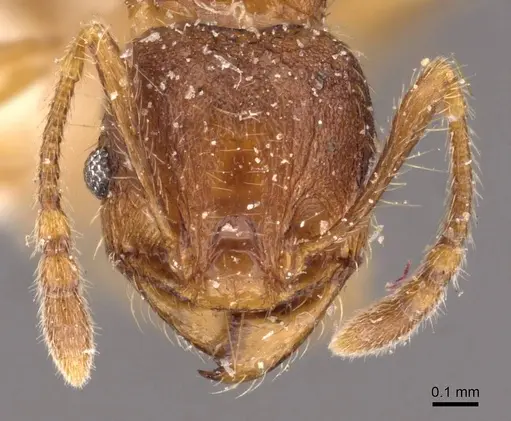
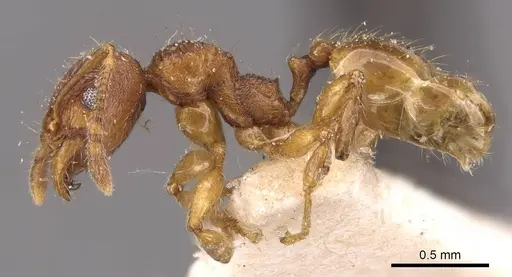
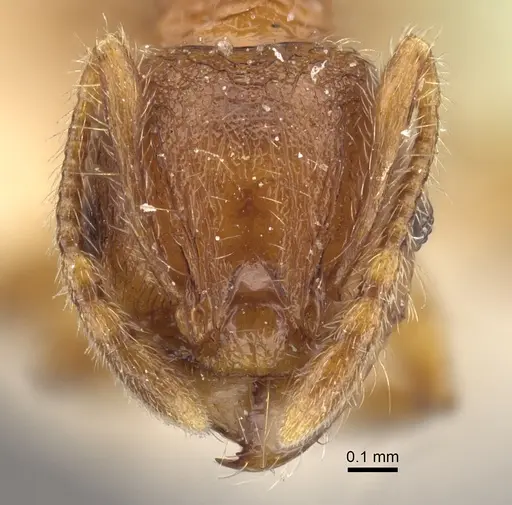
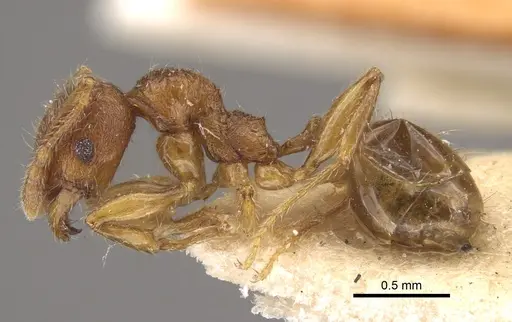
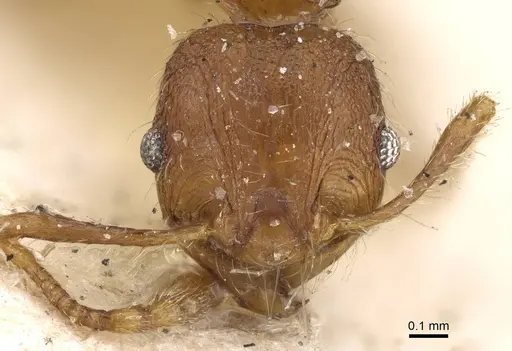
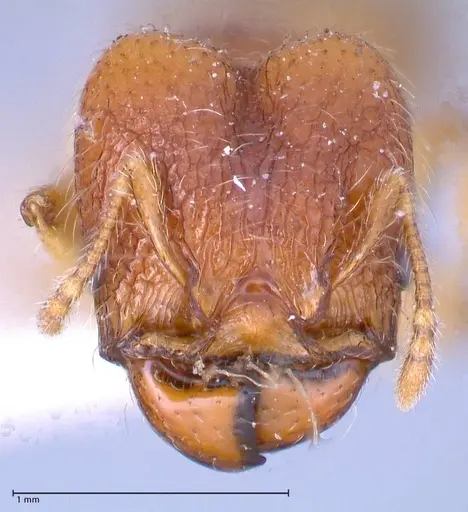
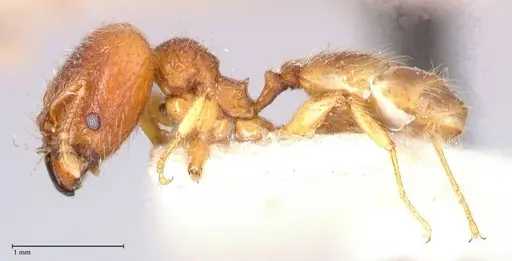
Pheidole risii is a small Neotropical ant species native to southern Brazil and Argentina, found in Atlantic forest habitats . Like all Pheidole species, they have two worker castes: major workers (soldiers) with large heads for defense and food processing, and smaller minor workers that handle foraging and brood care . Exact body size measurements are not available in the literature; studies report head dimensions, but full body length is unknown . This species is a generalist forager, adapting to varied food sources, and is one of the most common ants in its range, consistently found across multiple sites .
Quick Summary
- Difficulty: Easy
- Origin & Habitat: Native to the Neotropical region, specifically southern Brazil (São Paulo, Paraná) and Argentina, in Atlantic forest habitats and surrounding areas like wind farms and hydropower influence zones [2][4][3][1].
- Colony Type: Unconfirmed, no specific literature on queen number, based on genus patterns, likely monogyne (single queen colonies), but this is not verified.
- Size & Growth:
- Queen: Size data unavailable, measurements in literature are head dimensions, not full body size [1].
- Worker: Size data unavailable, measurements in literature are head dimensions, not full body size [1].
- Colony: Colonies are common in field studies, suggesting they can reach substantial sizes, but exact numbers are unknown [2].
- Growth: Moderate
- Development: Estimated 6-10 weeks based on related Pheidole species, but unconfirmed for P. risii. (Development time is inferred from genus-level data, specific timing for this species is not documented.)
- Antkeeping:
- Temperature: Keep warm, roughly 22-26°C, but no specific temperature data from research, use a heating gradient if needed.
- Humidity: Keep substrate moderately moist, as they are from Atlantic forest habitats, provide a humidity gradient with some drier areas.
- Diapause: Unlikely to require diapause based on Neotropical origin, but unconfirmed, they may remain active year-round if kept warm.
- Nesting: In nature, they nest in soil under stones, in captivity, use a test tube for founding colonies, and Y-tong or plaster nests for established colonies with moist substrate.
- Behavior: Pheidole risiii is a generalist forager, minor workers handle most tasks, while majors defend the colony and process food. They are not aggressive but will protect their nest if threatened. Escape risk is moderate due to small worker size, ensure setups have no gaps.
- Common Issues: moderate escape risk due to small workers, use fine mesh and check for gaps., colonies may decline if kept too dry, monitor substrate moisture., major workers can block nest entrances if chambers are too small., overfeeding can lead to mold, remove uneaten food promptly., cold temperatures below 20°C may slow brood development.
Housing and Nest Setup
For founding colonies, use a test tube setup: fill one-third with water, plug with cotton, and place the queen inside. Once you have 10-20 workers, move them to a formicarium like a Y-tong or plaster nest with moist substrate [1]. Ensure connections to the outworld are secure, as minor workers can escape through small gaps. Provide a foraging area with food.
Feeding and Diet
Pheidole risiii is a generalist forager, accepting a wide variety of foods. Offer protein sources like small insects (e.g., fruit flies) 2-3 times per week, and provide sugar sources like honey water constantly [1]. Remove uneaten food promptly to prevent mold.
Temperature and Seasonal Care
Keep the nest area warm, roughly 22-26°C, using a heating cable or mat if needed. No specific temperature data is available from research, but this range is typical for Neotropical species. Avoid sudden temperature changes.
Colony Growth and Development
The queen lays eggs and raises the first brood alone. First workers emerge in an estimated 6-10 weeks at warm temperatures, based on related species [1]. Colony growth is gradual, with majors appearing as the colony expands. Field studies show colonies are common, suggesting they can reach substantial sizes [2].
Behavior and Defense
Minor workers handle foraging and brood care, while majors defend the colony and process food. Defense includes biting with mandibles, this species belongs to the Myrmicinae subfamily, which typically have a stinger, but specific data for P. risii is unconfirmed [1]. Colonies are active during the day and not aggressive toward keepers.
Frequently Asked Questions
How long does it take for Pheidole risii to have first workers?
Expect first workers in an estimated 6-10 weeks after egg-laying, assuming warm temperatures around 24°C. This is based on related Pheidole species, as specific timing for P. risii is not documented [1].
What do Pheidole risii ants eat?
They are generalists that accept both protein and sugar. Feed small insects like fruit flies for protein 2-3 times per week, and provide honey water or sugar water constantly [1].
Are Pheidole risii good for beginners?
Yes, this species is beginner-friendly due to its hardiness and generalist diet. They are not demanding in care requirements.
What temperature do Pheidole risii need?
Keep them warm, roughly 22-26°C, but no specific data from research. Use a heating gradient if your room is cool.
Do Pheidole risii need hibernation?
No, they likely do not require diapause based on their Neotropical origin, but this is unconfirmed. They may remain active year-round if kept warm.
How big do Pheidole risii colonies get?
Colonies are common in field studies, suggesting they can reach substantial sizes, but exact numbers are unknown [2].
When should I move Pheidole risii to a formicarium?
Move them once you have 10-20 workers and the test tube is crowded. Use a Y-tong or plaster nest with moist substrate.
Why are my Pheidole risii dying?
Common causes include: too dry conditions (keep substrate moist), cold temperatures (maintain warmth), mold from overfeeding (remove uneaten food), or escapes through gaps (check setup).
Can I keep multiple Pheidole risii queens together?
Not recommended, as queen number is unconfirmed. Combining queens may lead to fighting, based on typical Pheidole behavior.
Report an Issue
The current care sheet is based fully on literature. See inconsistencies, or something that's incorrect? Please , it will be resolved after review from an admin. Contributing to the blogs tab also helps providing information, to make us be able to further improve the caresheets. Thank you for your support!
References

This caresheet is licensed under CC BY-SA 4.0 .
Community Blogs
CASENT0908198
View on AntWeb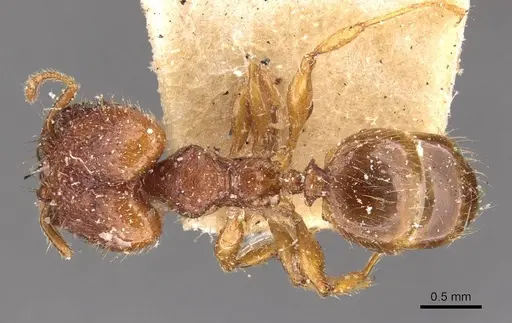
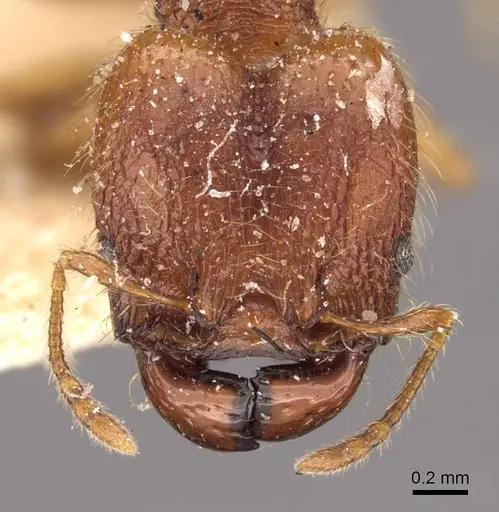
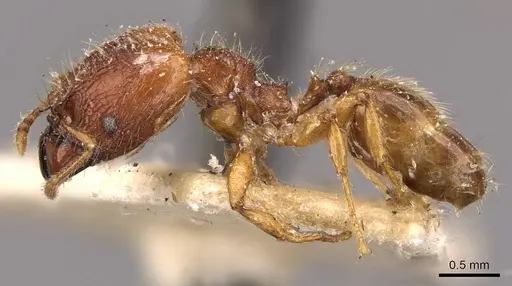
CASENT0908199
View on AntWeb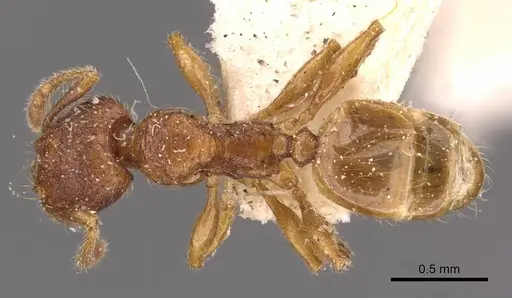
CASENT0917783
View on AntWeb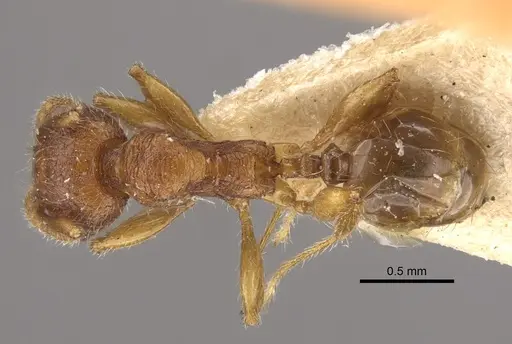
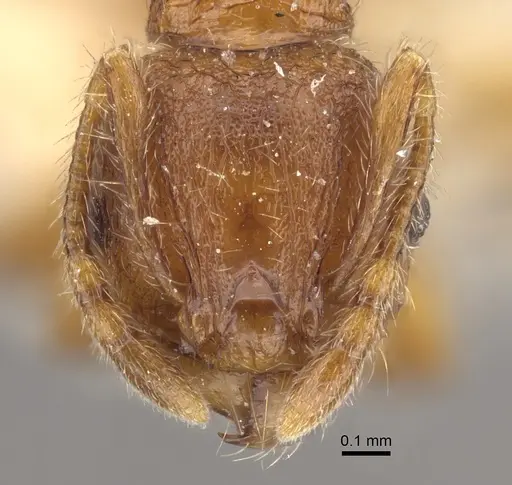
CASENT0922215
View on AntWeb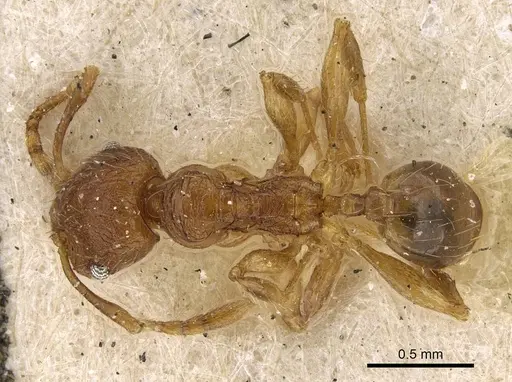
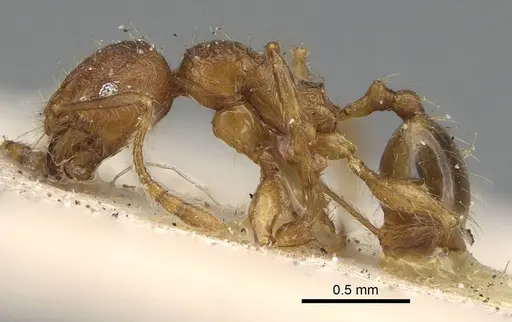
FOCOL0623-1
View on AntWeb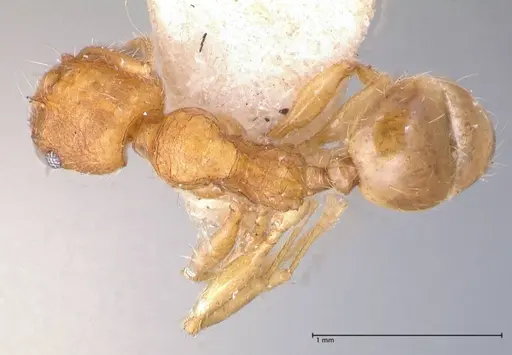
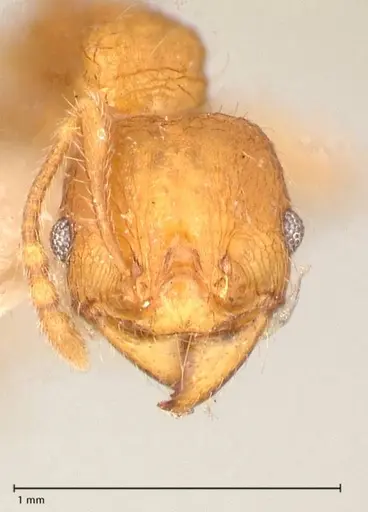
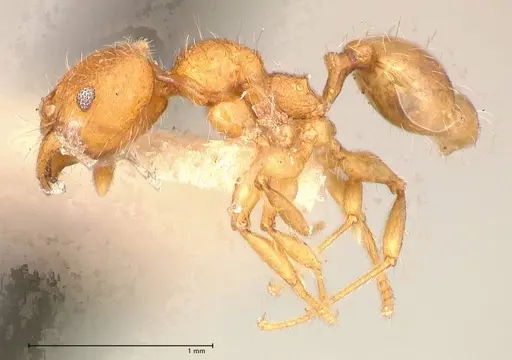
FOCOL0623-2
View on AntWeb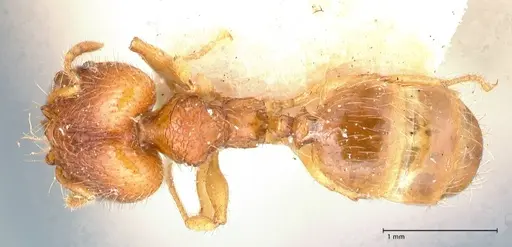
Literature
Loading distribution map...Loading products...