
Pheidole rima
- Sci. Name
- Pheidole rima
- Tribe
- Attini
- Subfamily
- Myrmicinae
- Author
- Longino, 2019
- Distribution
- Found in 1 countries
Introduction
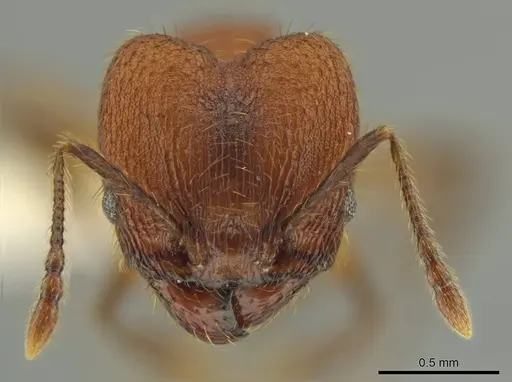
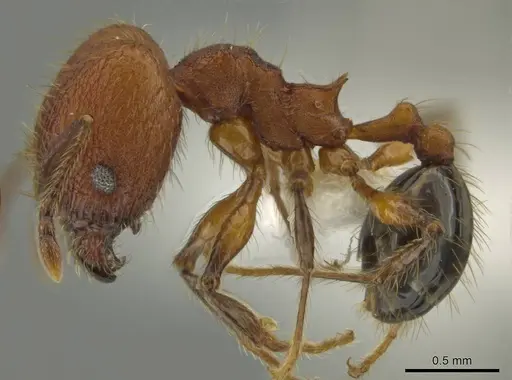
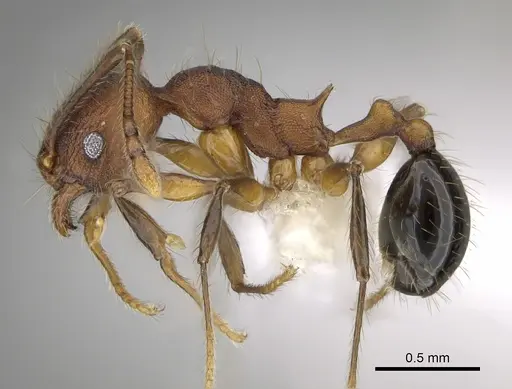
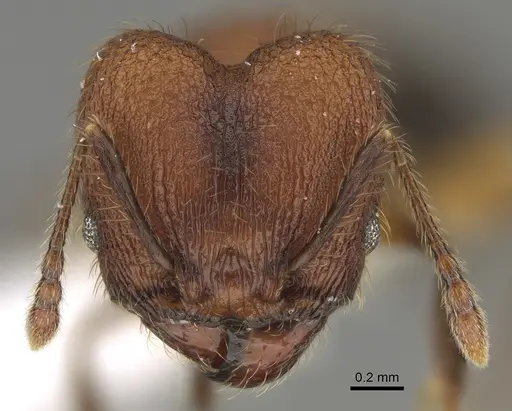
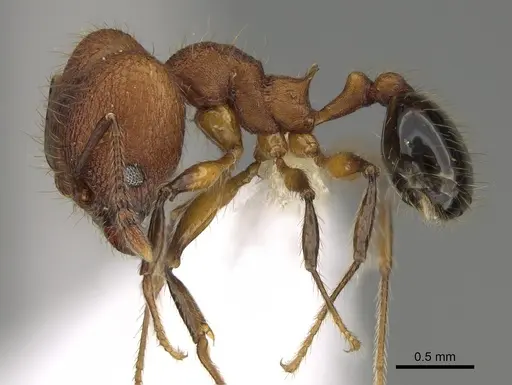
Pheidole rima is a small Neotropical ant native to the montane wet forests of eastern Mexico, specifically in Veracruz, Oaxaca, and Puebla . Workers are bicolored with red head and mesosoma and black gaster, and minor workers have a foveolate face with pronotal tubercles . The species is primarily arboreal, nesting in epiphytes and live stems in treefalls . It was described in 2019,so captive husbandry information is limited.
Quick Summary
- Difficulty: Medium
- Origin & Habitat: Montane wet forest in Veracruz, Oaxaca, and Puebla, Mexico at elevations around 1500m. Primarily arboreal, nesting in epiphytes in treefalls and within live stems [2][1].
- Colony Type: Unconfirmed, no specific data on queen number for this species.
- Size & Growth:
- Queen: size data unavailable
- Worker: size data unavailable
- Colony: Unknown for this species
- Growth: Moderate, inferred from typical Pheidole development patterns [2]
- Development: Estimated 6-8 weeks based on genus-level data for Pheidole in tropical wet forest conditions [2] (Development timeline is estimated rather than directly studied for this species)
- Antkeeping:
- Temperature: Based on typical montane forest conditions, keep around 22-26°C with a gentle gradient for self-regulation [2]
- Humidity: High humidity is essential, keep nest substrate consistently moist but not waterlogged [2]
- Diapause: Unknown, no specific research on overwintering requirements
- Nesting: Arboreal by nature, provide a naturalistic setup with plant material, cork bark, or a Y-tong nest with small chambers [2]
- Behavior: Workers are foragers that recruit nestmates to food sources. They show typical Pheidole behavior with distinct minor and major castes. Minor workers are small enough to pose minimal escape risk, but use standard barriers anyway. The species appears peaceful and not particularly aggressive. They are primarily arboreal, so they may spend more time exploring vertical spaces [2]
- Common Issues: high humidity requirements can lead to mold problems if ventilation is inadequate, limited natural history data means husbandry is largely inferential rather than species-specific, arboreal nesting preferences may be challenging to replicate in standard formicariums, wild-caught colonies may carry parasites or pathogens from their native habitat, slow colony growth can test keeper patience, Pheidole colonies typically take months to establish
Housing and Nest Preferences
Pheidole rima is an arboreal species, meaning it naturally nests above ground in plant material rather than in soil. In the wild, colonies have been found under epiphytes in treefalls and inside live stems of understory shrubs [2]. For captive care, a naturalistic setup works best, include pieces of cork bark, small twigs, or live plant material that can hold moisture. A Y-tong nest with small, tight chambers is also suitable, especially if you provide a humidifier section. The key is maintaining high humidity while allowing some ventilation to prevent mold. These ants are small, so ensure chambers and passages are appropriately scaled.
Feeding and Diet
Like other Pheidole species, P. rima is likely omnivorous, accepting both protein sources and carbohydrates. In the wild, workers forage for honeydew from aphids and scale insects, and hunt small invertebrates [2]. For captive colonies, offer protein-rich foods like small crickets, mealworms, or fruit flies twice weekly. Sugar water, honey, or diluted syrup should be available constantly as an energy source. Given their tiny minor workers, prey items should be small enough for them to manage. Remove uneaten prey within 24-48 hours to prevent mold.
Temperature and Humidity
These ants come from montane wet forests in Mexico where temperatures are mild but never cold, and humidity is consistently high [2]. Aim for temperatures in the 22-26°C range, warm but not hot. A heating cable on one side of the nest can create a gentle gradient, but ensure there's a cooler area workers can retreat to if needed. Humidity is critical: maintain high levels with consistently damp but never waterlogged nest substrate. A water reservoir or moist cotton in the outworld helps maintain humidity.
Colony Development and Growth
Pheidole colonies grow through the production of distinct worker castes. The queen lays eggs, which develop into larvae and then pupae before emerging as workers [2]. First workers are typically smaller than mature workers and help the colony expand. The colony will eventually produce major workers with distinctive large heads, these develop as the colony reaches several hundred workers. Expect moderate growth: a newly mated queen may take 6-8 weeks to produce her first workers, and several months to reach a substantial colony.
Behavior and Colony Dynamics
Pheidole rima shows the classic Pheidole social structure with distinct minor and major worker castes. Minor workers handle most day-to-day tasks: foraging, caring for brood, and maintaining the nest. Major workers have enlarged heads and mandibles designed for defense and food processing [2]. Workers recruit nestmates to good food sources using chemical trails. The species is not particularly aggressive toward keepers, but majors can deliver a mild sting if threatened. Their small size means escape prevention is still important.
Frequently Asked Questions
How long does it take for Pheidole rima to produce first workers?
Expect 6-8 weeks from egg to first worker under optimal conditions (22-26°C, high humidity). This is typical for Pheidole species in tropical conditions [2].
What do Pheidole rima ants eat?
They are omnivorous. Offer small protein sources like fruit flies, pinhead crickets, or small mealworms twice weekly. Keep a constant supply of sugar water, honey, or diluted syrup available [2].
Can I keep Pheidole rima in a test tube?
Test tubes can work for founding colonies but are not ideal long-term for this arboreal species. Once the colony reaches 20-30 workers, consider moving them to a naturalistic setup with plant material or a Y-tong nest with humid chambers [2].
Are Pheidole rima good for beginners?
They are intermediate in difficulty. The main challenges are maintaining high humidity and providing appropriate arboreal-style housing [2].
How big do Pheidole rima colonies get?
Colony size is not documented for this specific species, but typical Pheidole colonies reach several hundred to a few thousand workers [2].
Do Pheidole rima need hibernation?
Hibernation requirements are unknown for this species. Given their Mexican origin in montane forest, they likely do not require true hibernation [2].
Why are my Pheidole rima dying?
The most common causes are low humidity, poor ventilation causing mold, or feeding inappropriate food. Also check that prey items are small enough for their tiny minor workers to handle [2].
When should I move Pheidole rima to a formicarium?
Move from a founding setup to a larger nest once the colony reaches 30-50 workers and you see the test tube or founding chamber becoming crowded [2].
Can I keep multiple Pheidole rima queens together?
This has not been documented for this species. Pheidole are typically monogyne, and combining unrelated queens usually leads to fighting. It is not recommended to house multiple foundress queens together [2].
Report an Issue
The current care sheet is based fully on literature. See inconsistencies, or something that's incorrect? Please , it will be resolved after review from an admin. Contributing to the blogs tab also helps providing information, to make us be able to further improve the caresheets. Thank you for your support!
References

This caresheet is licensed under CC BY-SA 4.0 .
Community Blogs
CASENT0633307
View on AntWeb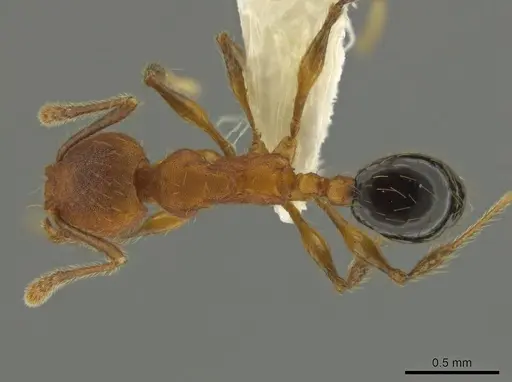
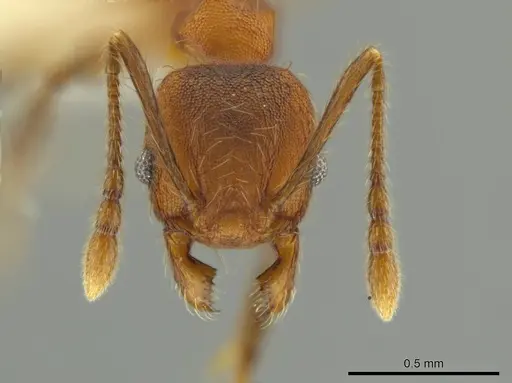
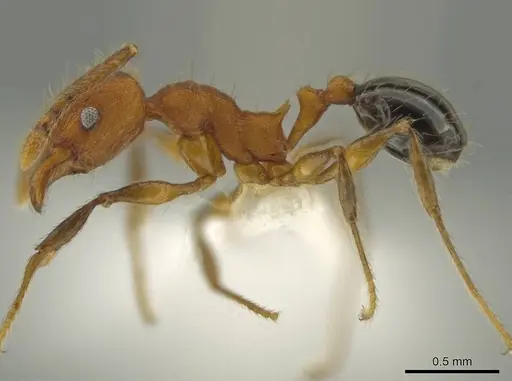
CASENT0633308
View on AntWeb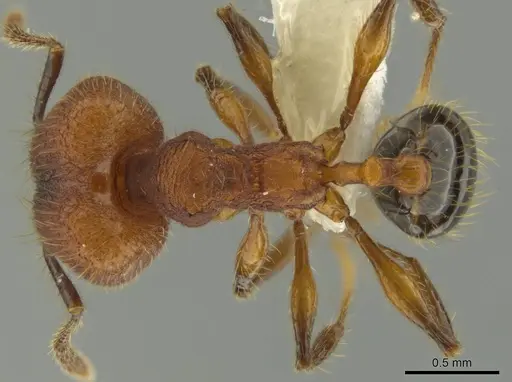
CASENT0646693
View on AntWeb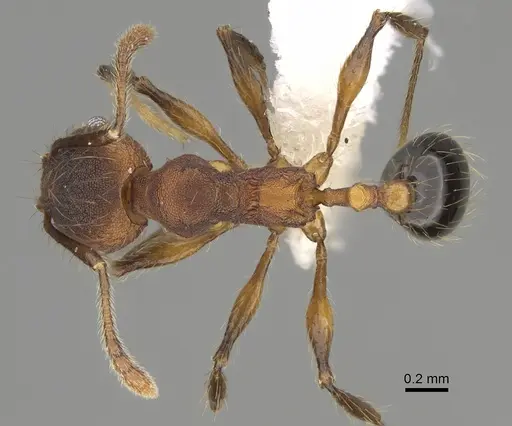
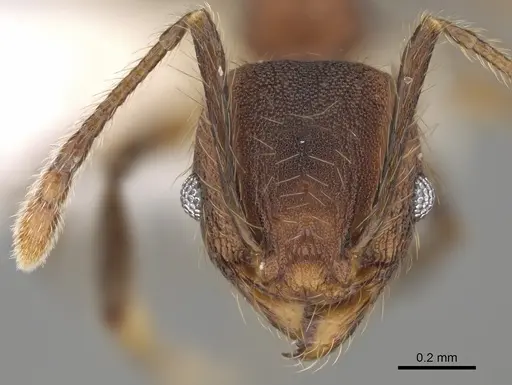
CASENT0646694
View on AntWeb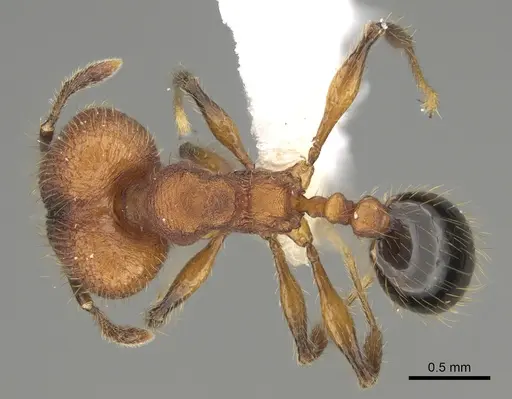
Literature
Loading distribution map...Loading products...