
Pheidole rhinomontana
- Sci. Name
- Pheidole rhinomontana
- Tribe
- Attini
- Subfamily
- Myrmicinae
- Author
- Longino, 2009
- Distribution
- Found in 4 countries
Introduction
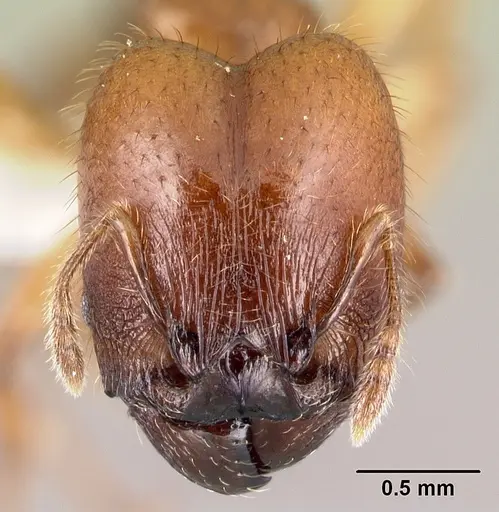
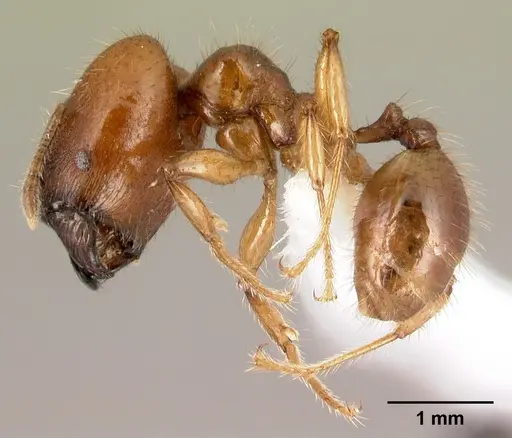
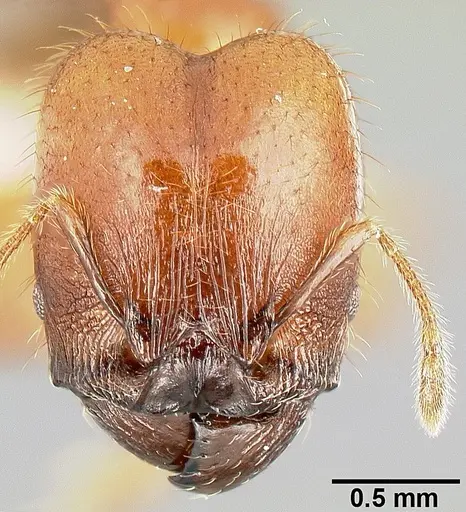
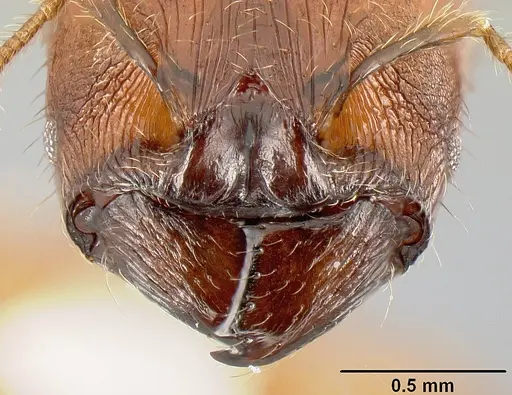
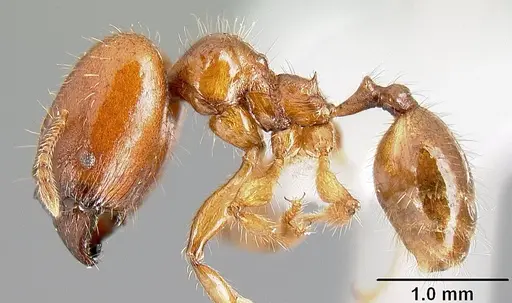
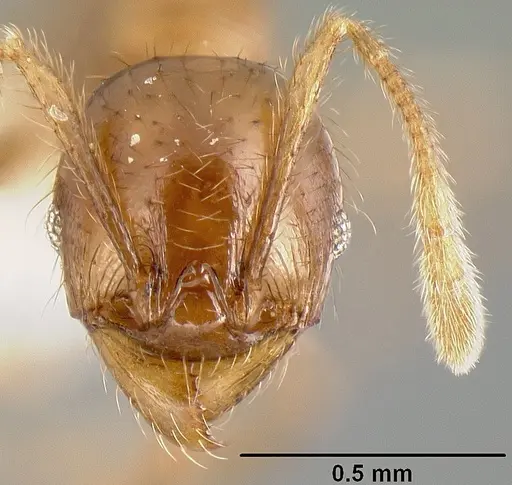
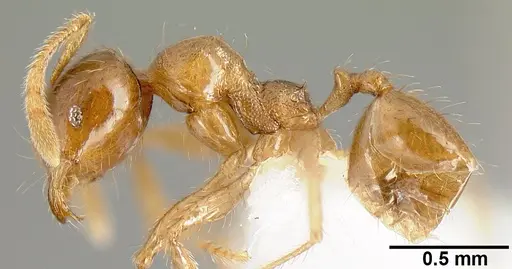
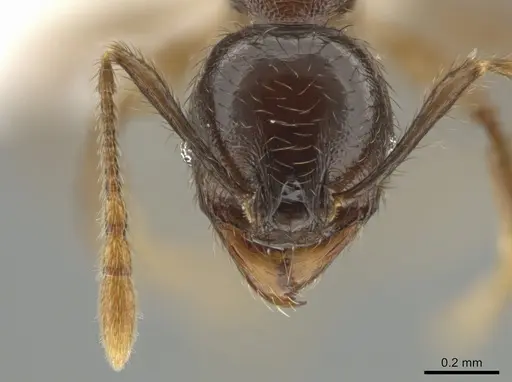
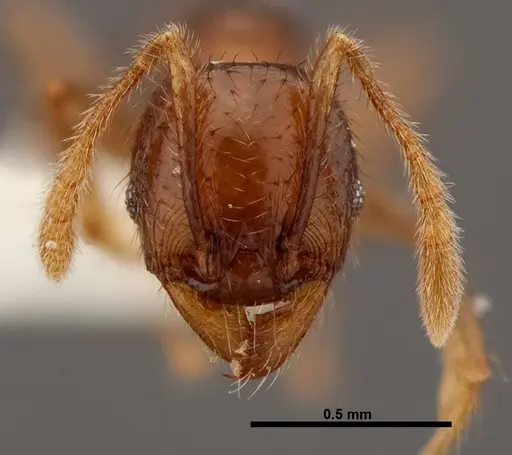
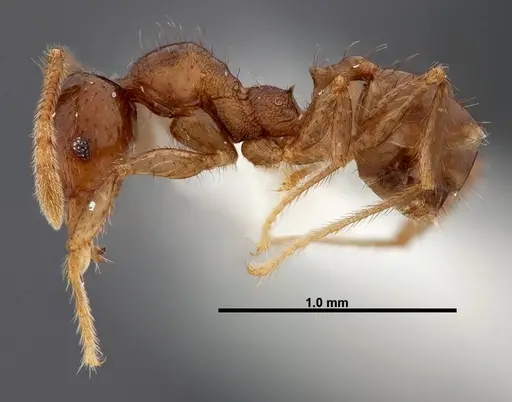
Pheidole rhinomontana is a small ant species native to the montane forests of Costa Rica, Honduras, and Nicaragua . Workers are reddish-brown with two castes: minor workers and major workers that have a distinctive horn-like projection on their face . Body size data is not published, but based on Pheidole genus patterns, minor workers are typically around 2-3 mm and majors 3-5 mm in total length [inferred from Pheidole genus]. They live in mature wet forests between 500-1600m elevation, nesting in dead wood or under loose bark on the ground . This species is a parapatric replacement of P. rhinoceros at higher elevations .
Quick Summary
- Difficulty: Medium
- Origin & Habitat: Montane wet forests of Costa Rica, Honduras, and Nicaragua at 500-1600m elevation [1][2]. They nest in dead wood on the forest floor, often in shallow chambers near the surface or under loose bark [1].
- Colony Type: Single-queen colonies (monogyne). Incipient colonies with single queens are frequently found in the wild [1].
- Size & Growth:
- Queen: Size data unavailable, no published measurements found
- Worker: ~2-3 mm for minors, ~3-5 mm for majors, inferred from Pheidole genus
- Colony: Up to several hundred workers [1]
- Growth: Moderate, typical for Pheidole species
- Development: Estimated 6-10 weeks based on typical Pheidole genus patterns (Development time is inferred from related species, no specific study found for this species)
- Antkeeping:
- Temperature: Keep in cool conditions, roughly 20-24°C, as they are from montane forests
- Humidity: Keep nest substrate consistently moist but not waterlogged, based on their wet forest habitat [1]
- Diapause: Unknown, tropical montane species may not require hibernation
- Nesting: They naturally nest in dead wood on the ground [1]. In captivity, use test tubes for founding, then move to formicaria with wood, cork, or soil-based material that holds humidity well.
- Behavior: These ants are active foragers that readily come to baits on the ground [1]. Minor workers handle foraging and brood care, while major workers defend the colony. They have a sting for defense, but it is not medically significant to humans. Major workers can pinch with their mandibles if handled. They have good escape prevention needs due to their small size, use fine mesh and tight-fitting lids.
- Common Issues: high humidity can lead to mold if ventilation is poor, balance moisture with airflow, small minor workers can escape through tiny gaps, use fine mesh barriers and check for gaps regularly, colonies may decline if kept too warm, avoid overheating above 26°C, major workers may fall into liquid food, provide escape routes in dishes, wild-caught colonies may contain parasites, quarantine and observe new colonies carefully
Nest Preferences
In the wild, Pheidole rhinomontana nests in or under dead wood on the ground, often in shallow chambers near the surface or under loose bark [1]. This preference for wood-dwelling makes them well-suited to cork nests, wood formicaria, or test tubes with added wood pieces. They prefer tight, enclosed spaces that hold humidity well. For founding colonies, a standard test tube setup works well, the queen will seal herself into a chamber until her first workers emerge. Once the colony reaches around 20-30 workers, you can transition them to a formicarium with wooden nesting material. Avoid tall, open spaces, these ants feel safest in compact areas that mimic their natural dead wood chambers.
Feeding and Diet
Pheidole ants are omnivores with a preference for protein. In the wild, they are common visitors at baits on the ground [1], meaning they readily accept various food sources. Feed them protein-rich foods like small insects several times per week. They also accept sugar sources like honey water or sugar water, offer these in shallow containers with cotton wicks to prevent drowning. Remove uneaten food after 24-48 hours to prevent mold. A varied diet leads to healthier colonies.
Temperature and Care
As a montane species from 500-1600m elevation, P. rhinomontana prefers cooler temperatures than typical tropical ants. Keep their nest around 20-24°C, this is easily achieved in most homes without additional heating. Avoid temperatures above 26°C, as this can stress the colony. Room temperature in the low 20s is ideal. If your home runs cold, a small heating cable on one side can help, but always provide a temperature gradient. These ants come from a humid environment, so keep the nest substrate moist but not soggy. [1]
Behavior and Colony Structure
This species has the typical Pheidole colony structure with two worker castes: minor workers handle daily tasks like foraging and brood care, while major workers defend the colony with their powerful mandibles. Colonies start with a single queen who lays eggs and raises the first brood alone [1]. Once the first workers emerge, the colony enters a growth phase. These ants are active foragers and will quickly discover food in their outworld. They are not aggressive toward humans but can pinch if handled roughly.
Growth and Development
Pheidole colonies grow moderately fast once established. The queen lays eggs after mating, and the first workers (nanitics) emerge smaller than normal workers. Based on typical Pheidole development, expect 6-10 weeks from egg to first worker at optimal temperature. After that, growth depends on feeding and temperature. A well-fed colony in good conditions can reach 100 workers within 6-12 months. Colonies can become quite populous in the wild [1], so be prepared to upgrade to larger formicaria as the colony grows.
Handling and Observation
Pheidole rhinomontana is rewarding to observe. Minor workers are constantly moving and foraging, while major workers stand guard at the nest entrance. When you add food, minor workers will quickly discover it and signal others through chemical trails. For observation, use a formicarium with a clear viewing area or a setup with a foraging box connected to the nest. Avoid disturbing the nest too often, especially during founding, the queen needs quiet to focus on egg production.
Frequently Asked Questions
How long does it take for Pheidole rhinomontana to produce first workers?
Based on typical Pheidole development patterns, expect 6-10 weeks from egg to first worker at optimal temperature (around 20-24°C). The exact timeline depends on temperature and feeding, warmer conditions slightly speed development, while cooler temperatures slow it down.
Can I keep multiple Pheidole rhinomontana queens together?
No. This species forms single-queen colonies in the wild, and multiple queens will fight [1]. Only keep one queen per colony.
What do Pheidole rhinomontana ants eat?
They are omnivores that prefer protein. Feed them small insects like fruit flies or mealworms several times per week. They also accept sugar sources like honey water. Remove uneaten food after 24-48 hours to prevent mold.
What temperature do Pheidole rhinomontana ants need?
Keep them at 20-24°C. As a montane species, they prefer cooler temperatures than typical tropical ants. Room temperature in the low 20s is ideal. Avoid temperatures above 26°C.
Are Pheidole rhinomontana good for beginners?
They are intermediate in difficulty. They require high humidity and cooler temperatures, which may need more attention. However, their straightforward colony structure makes them rewarding once you have some experience.
When should I move Pheidole rhinomontana from a test tube to a formicarium?
Move them when the colony reaches 20-30 workers or when the test tube water section becomes contaminated. They do well in cork nests or wood formicaria that mimic their natural dead wood preference [1].
How big do Pheidole rhinomontana colonies get?
Colonies can become quite populous, reaching up to several hundred workers in the wild [1]. In captivity, well-fed colonies can reach similar sizes with proper care.
Do Pheidole rhinomontana need hibernation?
Unknown. As a tropical montane species, they may not require true hibernation. Monitor your colony, if activity decreases in cooler periods, you can reduce temperature slightly.
Why are my Pheidole rhinomontana dying?
Common causes include temperatures too high (above 26°C), low humidity drying out the nest, mold from excess moisture with poor ventilation, or escape through small gaps. Check these parameters and adjust accordingly.
What type of nest is best for Pheidole rhinomontana?
They naturally nest in dead wood on the ground [1]. In captivity, cork nests, wood formicaria, or test tubes with wood pieces work well. They prefer tight chambers that hold humidity.
Report an Issue
The current care sheet is based fully on literature. See inconsistencies, or something that's incorrect? Please , it will be resolved after review from an admin. Contributing to the blogs tab also helps providing information, to make us be able to further improve the caresheets. Thank you for your support!
References

This caresheet is licensed under CC BY-SA 4.0 .
Community Blogs
CASENT0610065
View on AntWeb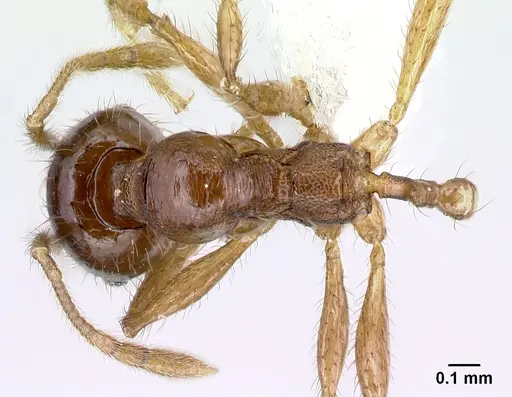
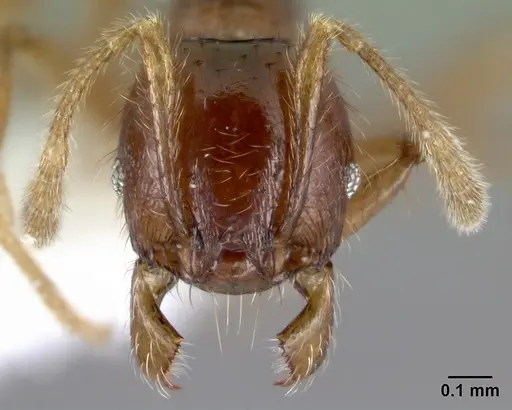
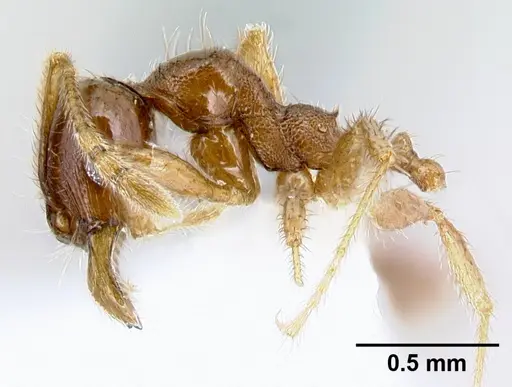
CASENT0610078
View on AntWeb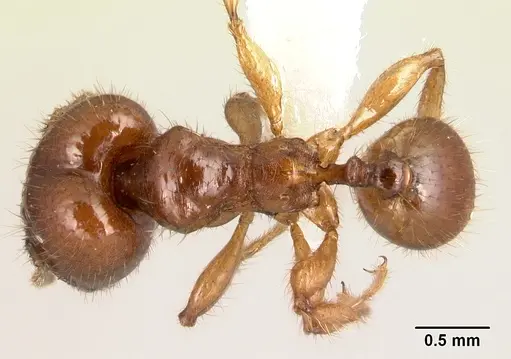
CASENT0610081
View on AntWeb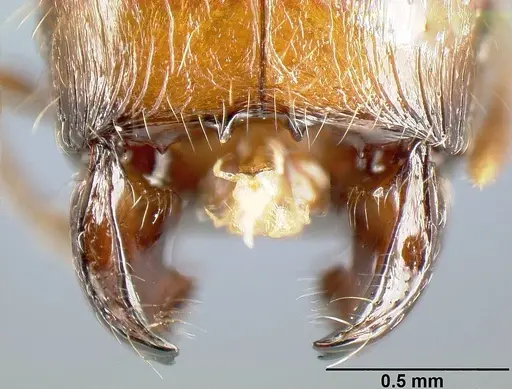
CASENT0610082
View on AntWeb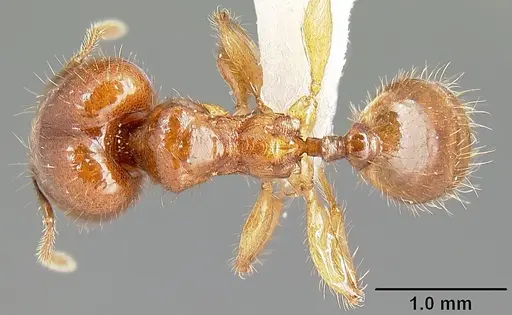
CASENT0610083
View on AntWeb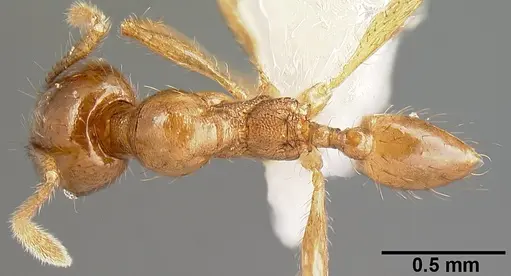
CASENT0642948
View on AntWeb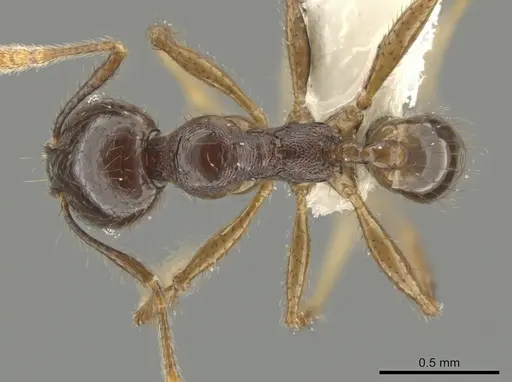
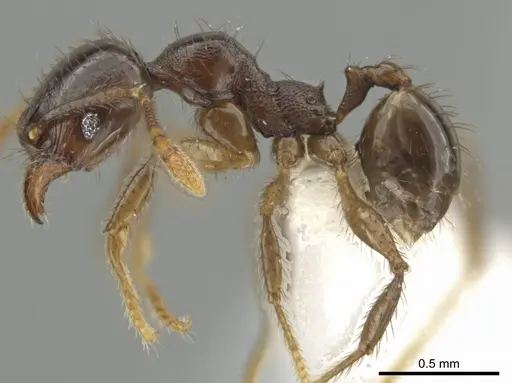
CASENT0642949
View on AntWeb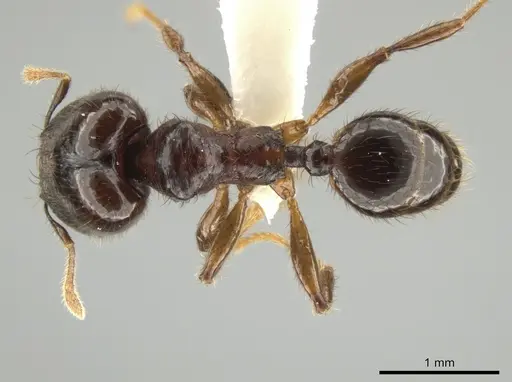
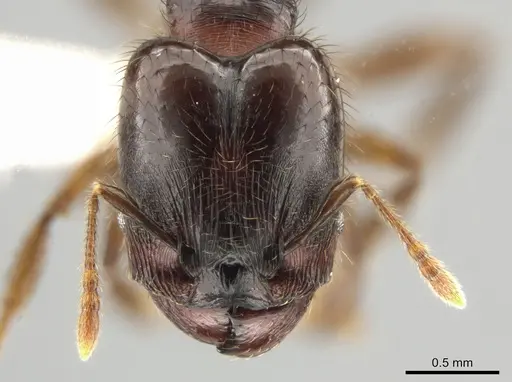
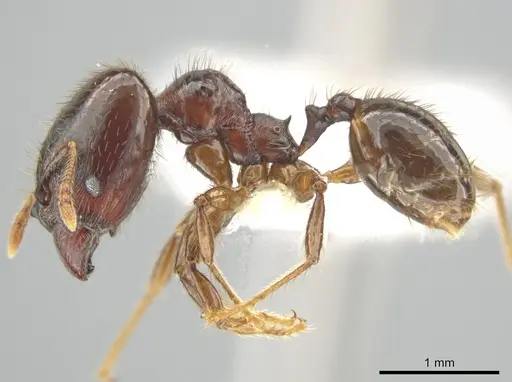
INBIOCRI002279575
View on AntWeb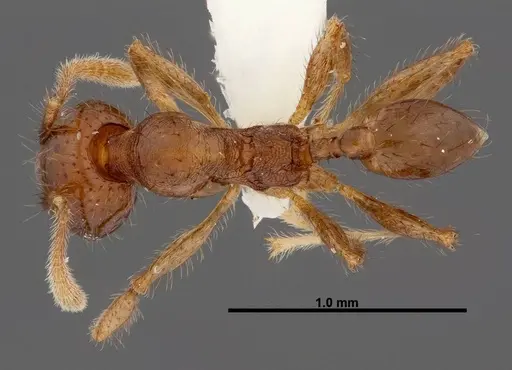
Literature
Loading distribution map...Loading products...