
Pheidole renirano
- Sci. Name
- Pheidole renirano
- Tribe
- Attini
- Subfamily
- Myrmicinae
- Author
- Salata & Fisher, 2020
- Distribution
- Found in 1 countries
Introduction
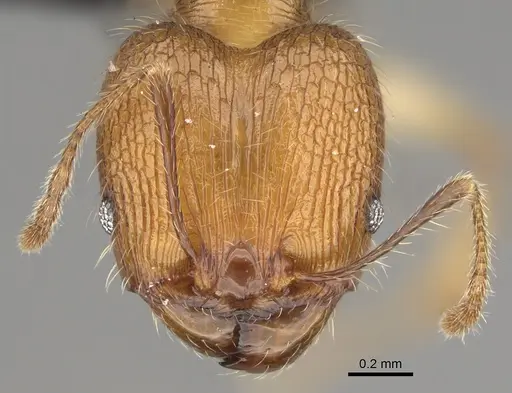
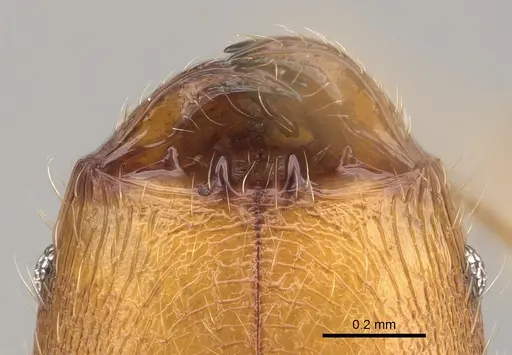
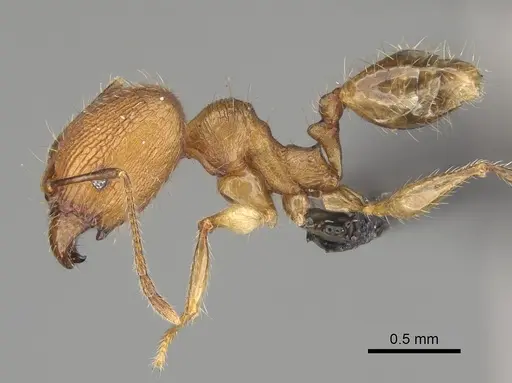
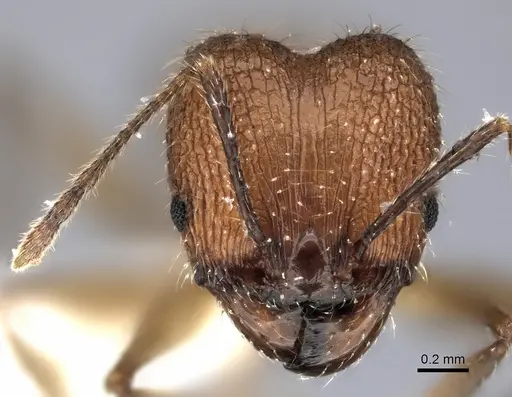
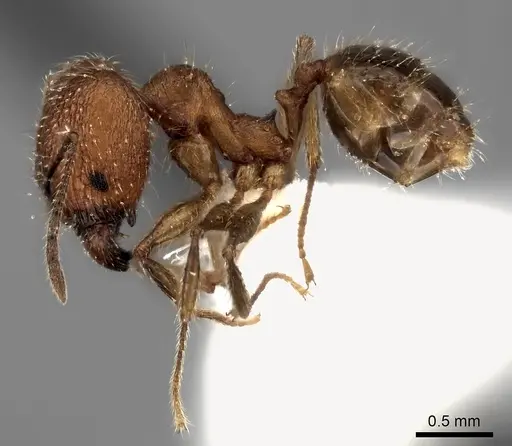
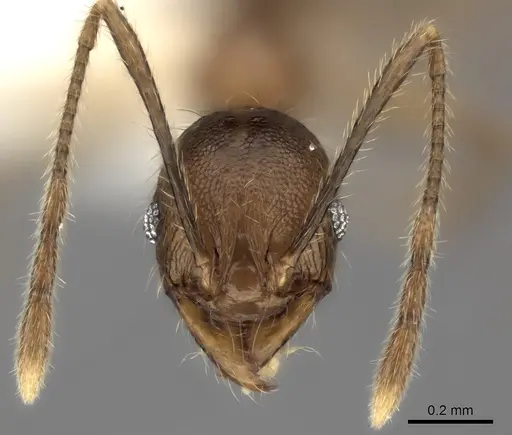
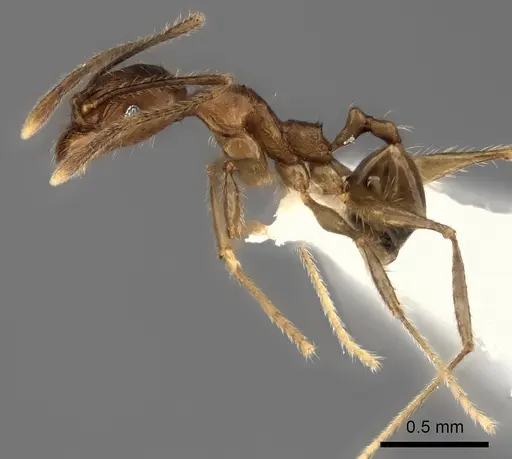
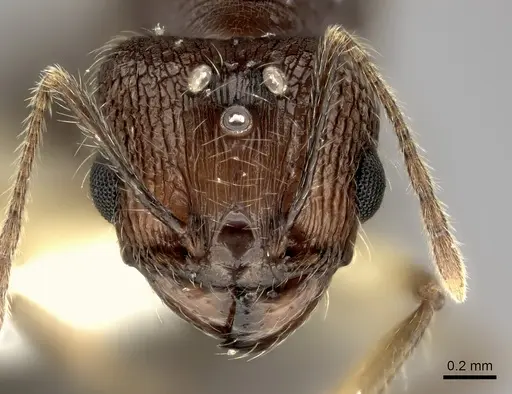
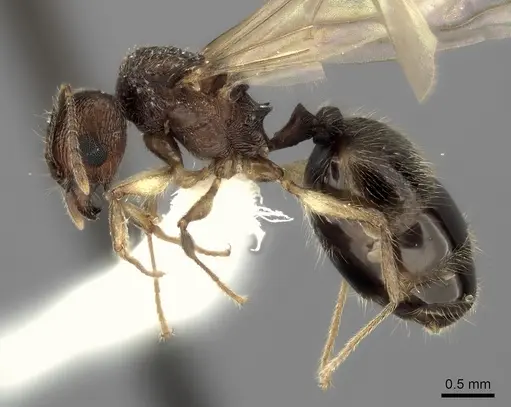
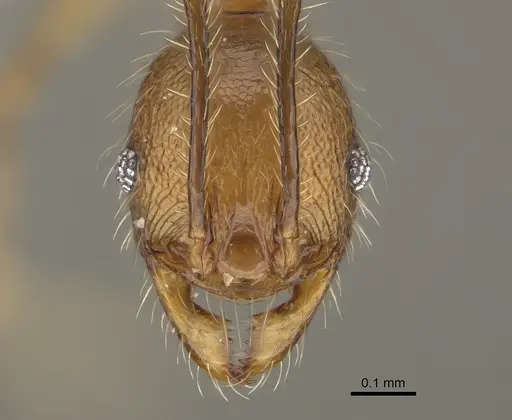
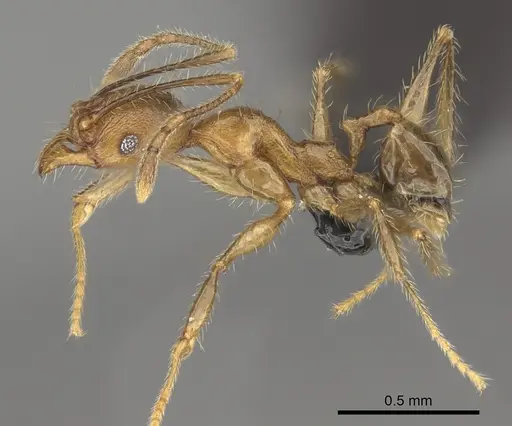
Pheidole renirano is a moderately large ant species native to the rainforests of eastern Madagascar. Major workers have a bright yellow body with a smooth gaster, while minor workers are yellowish-brown with a darker vertex and gaster. The species belongs to the Pheidole sikorae group and was described in 2020. It nests in rotten logs and sticks on the ground at elevations between 125-725 meters . The name 'renirano' means 'river' in Malagasy, referring to the Sandrangato River near the type locality .
Quick Summary
- Difficulty: Medium
- Origin & Habitat: Eastern Madagascar, Toamasina prefecture, rainforest habitat at 125-725m elevation [1]
- Colony Type: Colony structure is unconfirmed. Based on Pheidole patterns, likely single-queen (monogyne) colonies.
- Size & Growth:
- Queen: Size data unavailable, no total length measurements in original description.
- Worker: Size data unavailable, inferred from Pheidole genus that workers vary in size, with majors larger than minors.
- Colony: Up to several hundred workers, estimated from related Pheidole species.
- Growth: Moderate.
- Development: Estimated 4-6 weeks at optimal temperatures. (Development time is estimated based on typical Pheidole patterns.)
- Antkeeping:
- Temperature: Keep at stable warm temperatures, roughly 24-28°C, with a slight gradient.
- Humidity: Keep nest substrate consistently moist but not waterlogged, as they are from rainforest habitat [1].
- Diapause: No, tropical species do not require diapause.
- Nesting: Prefer rotten logs and sticks on the ground [1]. In captivity, use naturalistic setups with rotting wood or well-humidified Y-tong (AAC) nests.
- Behavior: Workers are active foragers that establish clear trails to food. Major workers have large heads for seed processing but are not particularly aggressive, they may deliver a mild bite if threatened. Escape risk is high due to the small size of minor workers, use fine mesh barriers.
- Common Issues: high humidity requirements can lead to mold if ventilation is poor, small minor workers can escape through standard gaps, use fine mesh barriers, tropical species may struggle if room temperature drops below 22°C, newly described species means limited captive breeding information, wild-caught colonies may carry parasites that can cause colony failure
Nest Preferences
In the wild, Pheidole renirano nests in rotten logs and sticks on the rainforest floor [1]. For captive care, use a naturalistic setup with pieces of rotting wood or a well-humidified Y-tong (AAC) nest. Keep the nest material consistently moist but not sitting in water.
Feeding and Diet
Pheidole species are generalist foragers. Offer protein sources like small insects and seeds, with sugar water available. Feed protein 2-3 times per week and remove uneaten prey after 24-48 hours to prevent mold.
Temperature and Care
As a tropical rainforest species, keep temperatures warm and stable, around 24-28°C. Avoid cold drafts and use a heating mat if needed, placed on top of the nest to prevent drying. [1]
Behavior and Temperament
Workers are active foragers that establish trails to food. Major workers process seeds, and they are not aggressive but may bite if handled. Escape prevention is critical due to small minor workers, use fine mesh barriers on all ventilation. [1]
Colony Founding
Founding behavior is unconfirmed. Based on typical Pheidole patterns, queens may seal themselves in a chamber (claustral founding), but no specific data exists for this species [1].
Seasonal Care
As a tropical species, no diapause is required. Maintain consistent humidity and avoid temperature drops below 22°C.
Frequently Asked Questions
How long does it take for Pheidole renirano to produce first workers?
Based on typical Pheidole development patterns, expect 4-6 weeks from egg to first worker at optimal temperatures (24-28°C).
What do Pheidole renirano ants eat?
They are generalists like other Pheidole species. Offer small insects as protein 2-3 times per week, and keep sugar water available constantly.
Can I keep multiple queens together?
The colony structure is unconfirmed. Based on typical Pheidole patterns, they are likely single-queen colonies. Combining unrelated queens is not recommended as fighting is likely.
What temperature do Pheidole renirano need?
Keep them at stable warm temperatures, roughly 24-28°C. This tropical rainforest species needs a slight gradient to allow workers to choose their preferred zone.
What humidity level is required?
High humidity is essential, keep the nest substrate consistently moist but not waterlogged, as they are from rainforest habitat [1].
Are Pheidole renirano good for beginners?
This species is rated as Medium difficulty. They have specific humidity and temperature requirements, and escape prevention is critical due to small worker size. Some experience with ant keeping is helpful.
How big do colonies get?
Maximum colony size is unconfirmed for this specific species, but related Pheidole species typically reach up to several hundred workers.
Do they need hibernation?
No, as a tropical species from lowland Madagascar, they do not require a true diapause.
What type of nest should I use?
In nature they nest in rotten logs. A naturalistic setup with rotting wood pieces or a well-humidified Y-tong (AAC) nest works best [1].
Why are my ants escaping?
Minor workers are very small and can squeeze through standard gaps. Use fine mesh (0.5mm or smaller) on all ventilation, check lid seals, and ensure connections are tight.
Report an Issue
The current care sheet is based fully on literature. See inconsistencies, or something that's incorrect? Please , it will be resolved after review from an admin. Contributing to the blogs tab also helps providing information, to make us be able to further improve the caresheets. Thank you for your support!
References

This caresheet is licensed under CC BY-SA 4.0 .
Community Blogs
CASENT0161924
View on AntWeb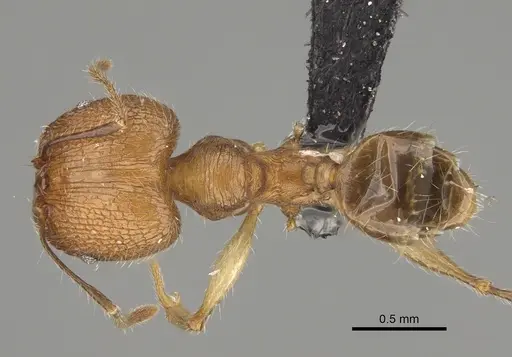
CASENT0198637
View on AntWeb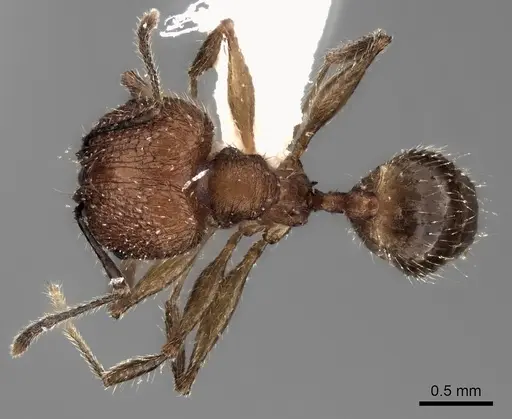
CASENT0235063
View on AntWeb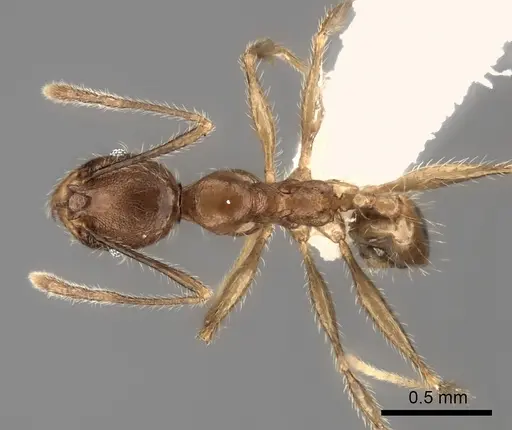
CASENT0235064
View on AntWeb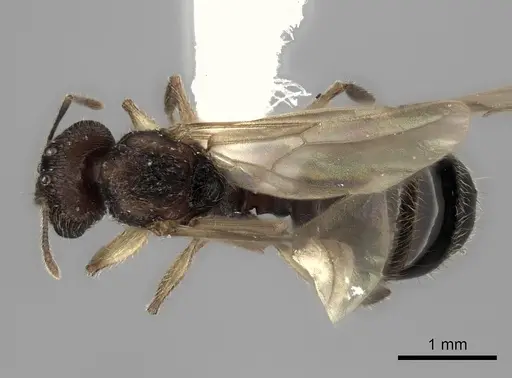
CASENT0923324
View on AntWeb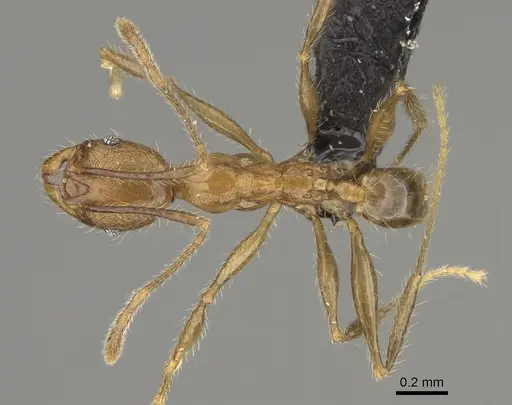
Literature
Loading distribution map...Loading products...