
Pheidole reflexans
- Sci. Name
- Pheidole reflexans
- Tribe
- Attini
- Subfamily
- Myrmicinae
- Author
- Santschi, 1933
- Distribution
- Found in 2 countries
Introduction
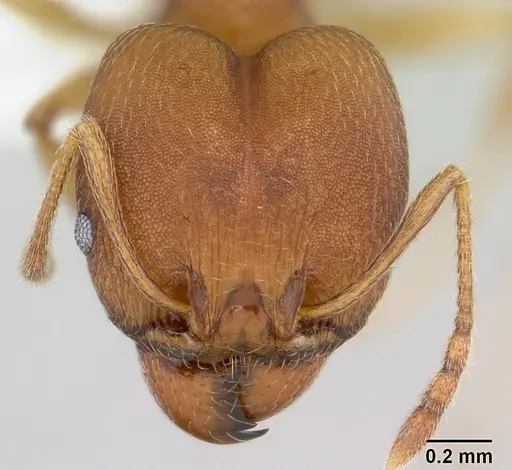
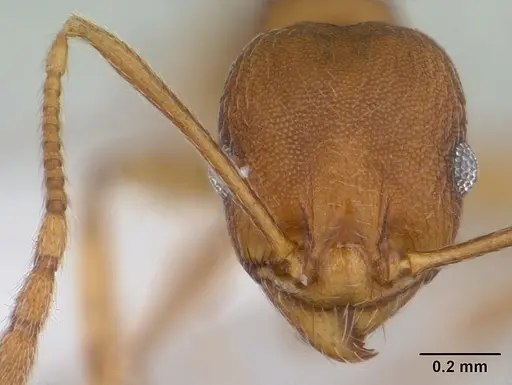
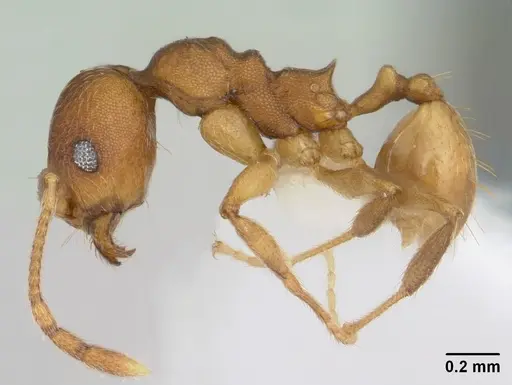
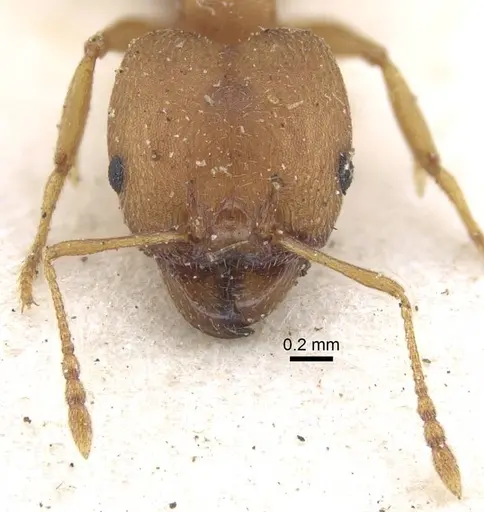
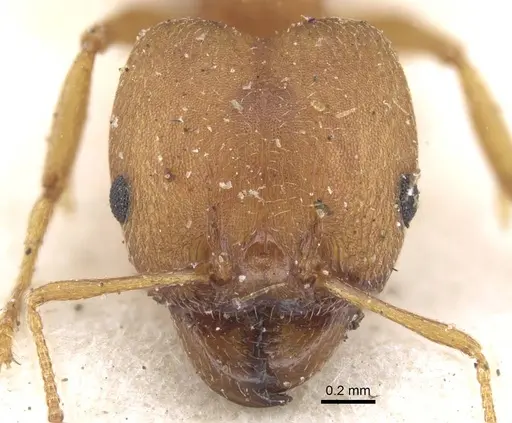
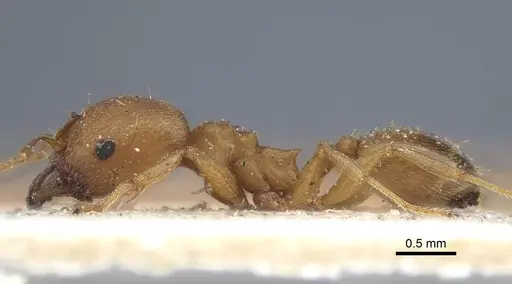
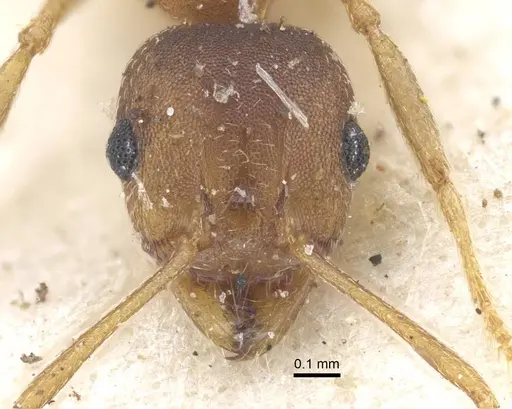
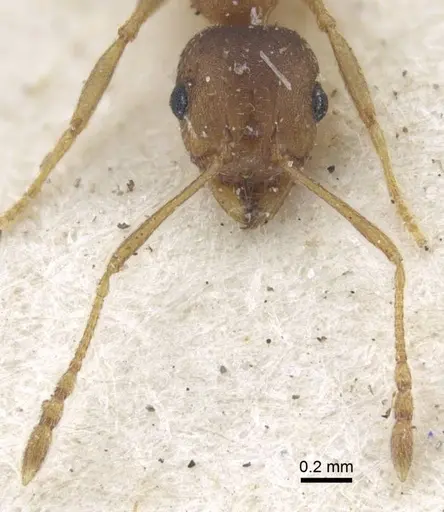
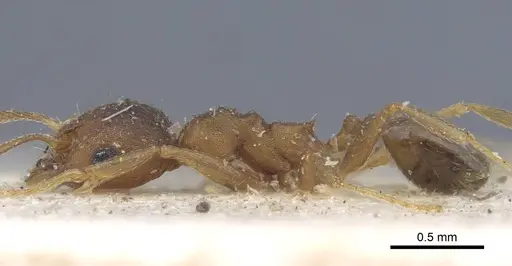
Pheidole reflexans is a small ant species in the genus Pheidole, known for major workers with enlarged heads. The species was elevated to full species status in 2007 . It is native to subtropical forests in Paraguay and Argentina, living on the forest floor in leaf litter . Size data is not available in the research context, but based on Pheidole genus patterns, workers are typically a few millimeters long. This species is frequently found in forest-floor ant assemblages and has been recorded in fire-affected areas, showing resilience to disturbance . It is also associated with termite nests in some regions .
Quick Summary
- Difficulty: Medium
- Origin & Habitat: Paraguay and Argentina, specifically in Canindeyú, Central, and Itapúa departments. They inhabit subtropical tall forests, living in leaf litter [1].
- Colony Type: Colony structure is unconfirmed for Pheidole reflexans. Based on Pheidole genus patterns, colonies are likely single-queen, but no specific data exists.
- Size & Growth:
- Queen: Size data unavailable for queens. Inferred from Pheidole genus, queens are typically ~5-7 mm.
- Worker: Size data unavailable for workers. Inferred from Pheidole genus, minors are ~2-3 mm, majors are ~3-4 mm with enlarged heads.
- Colony: Colony size is unknown, but typical for Pheidole genus, up to several hundred workers.
- Growth: Moderate, inferred from tropical/subtropical distribution.
- Development: Estimated 6-8 weeks at optimal temperatures, inferred from related Pheidole species. (Development time is estimated, specific timing for P. reflexans has not been documented.)
- Antkeeping:
- Temperature: Keep warm, roughly 24-28°C, based on their subtropical habitat [1].
- Humidity: Keep the nest substrate consistently moist but not waterlogged, as they are forest-floor ants [1].
- Diapause: Diapause is unknown, but as a subtropical species, likely not required [1].
- Nesting: Prefer nests with moist substrate, such as Y-tong (AAC) or plaster nests. Avoid acrylic nests.
- Behavior: These ants are generally calm and not aggressive. Primary defense is stinging, as typical for Myrmicinae ants. They are active foragers, and escape prevention is important due to their small size.
- Common Issues: high humidity management is critical, too dry and colonies desiccate, too wet and mold becomes a problem., small size makes escape prevention challenging, use fine mesh and check lid seals regularly., founding phase may be slow, queens may take time to raise first workers, patience is required., wild-caught colonies may harbor parasites that can devastate captive populations., ensure nest passages stay clear to prevent blockages by majors.
Housing and Nest Setup
You can use Y-tong (AAC) nests or plaster formicariums for Pheidole reflexans. Their small size requires tight-fitting connections and fine mesh barriers to prevent escapes. Because they are forest-floor ants, they appreciate some depth of moist substrate they can tunnel through [1]. A test tube setup works well for founding colonies, place the queen in a test tube with a water reservoir and cotton plug, then keep it dark and undisturbed. Once the colony reaches 30-50 workers, transition to a proper formicarium. Avoid tall, open spaces, these ants do better in compact nests with narrow chambers scaled to their body size.
Feeding and Diet
You should offer a varied diet including small seeds (millet, sesame, chia), protein sources (dead insects like fruit flies, mealworms, or bloodworms), and occasional sugar water or honey. Feed small amounts every 2-3 days and remove uneaten food to prevent mold. Fresh water should always be available.
Temperature and Humidity
Keep the nest warm at roughly 24-28°C, based on their subtropical habitat [1]. Use a heating cable on one side to create a temperature gradient. Keep the nest substrate consistently moist but not waterlogged, as they are forest-floor ants [1]. A water tube attached to the nest helps maintain humidity while providing drinking water.
Colony Development and Growth
Pheidole colonies grow through a major/minor worker system. The queen lays eggs that develop into larvae, then pupae, and finally emerge as workers. Development from egg to worker is estimated at 6-8 weeks at optimal temperature, but this is inferred from related species. Colonies may take 1-2 years to reach several hundred workers.
Handling and Temperament
These ants are generally calm and not prone to stinging. Major workers may defend the colony if threatened, but their small size makes any sting negligible to humans. They are active foragers that will explore their outworld searching for food. Always use escape prevention measures since their small size allows them to slip through gaps.
Frequently Asked Questions
How long does it take for Pheidole reflexans to raise first workers?
Based on typical Pheidole development, expect 6-8 weeks from egg to first worker at optimal temperature (24-28°C). The founding queen will seal herself in and raise the first brood alone using stored fat reserves.
What do Pheidole reflexans ants eat?
They are omnivorous like most Pheidole. Offer small seeds (millet, sesame), dead insects (fruit flies, bloodworms), and occasional sugar water or honey. Remove uneaten food to prevent mold.
Can I keep multiple Pheidole reflexans queens together?
Not recommended. While Pheidole are typically single-queen colonies, combining unrelated foundresses has not been studied for this specific species. It's best to start with one queen per colony.
What temperature do Pheidole reflexans need?
Keep them warm at roughly 24-28°C, based on their subtropical habitat [1]. A heating cable on one side of the nest creates a gradient.
Do Pheidole reflexans need hibernation?
Diapause is unknown, but as a subtropical species, likely not required [1]. They may show reduced activity during cooler months but should be kept at room temperature year-round.
How big do Pheidole reflexans colonies get?
Colony size is unknown, but typical for Pheidole genus up to several hundred workers. The presence of major workers indicates an established colony.
When should I move Pheidole reflexans to a formicarium?
Wait until the colony has 30-50 workers. Before that, a simple test tube setup works well for the founding queen and her first workers.
Why are my Pheidole reflexans dying?
Common causes include: low humidity (they need moist substrate), temperature extremes (keep 24-28°C), mold from overfeeding, or parasites from wild-caught colonies. Ensure proper humidity and avoid overfeeding.
Are Pheidole reflexans good for beginners?
They are moderate difficulty. The main challenges are maintaining high humidity and preventing escapes due to their small size. If you can manage those, they are rewarding ants to keep.
Report an Issue
The current care sheet is based fully on literature. See inconsistencies, or something that's incorrect? Please , it will be resolved after review from an admin. Contributing to the blogs tab also helps providing information, to make us be able to further improve the caresheets. Thank you for your support!
References

This caresheet is licensed under CC BY-SA 4.0 .
Community Blogs
CASENT0178047
View on AntWeb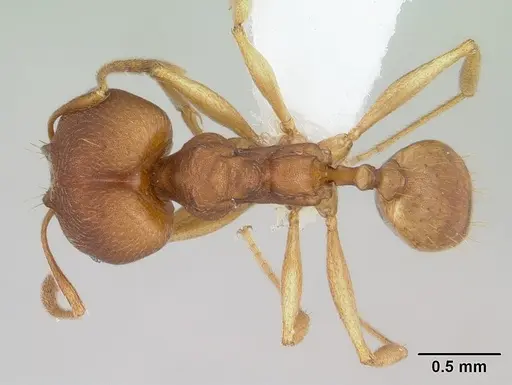
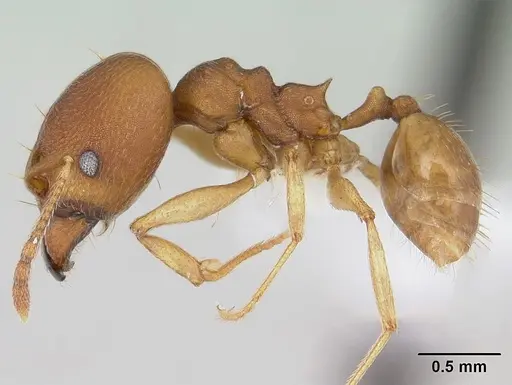
CASENT0178048
View on AntWeb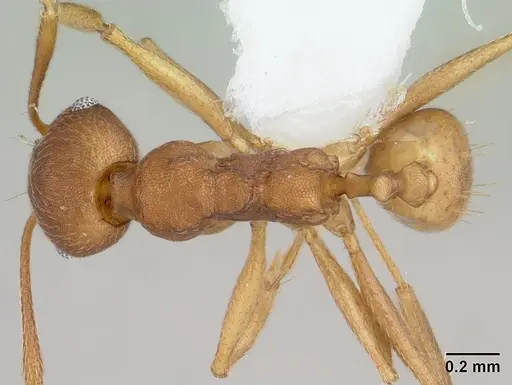
CASENT0913410
View on AntWeb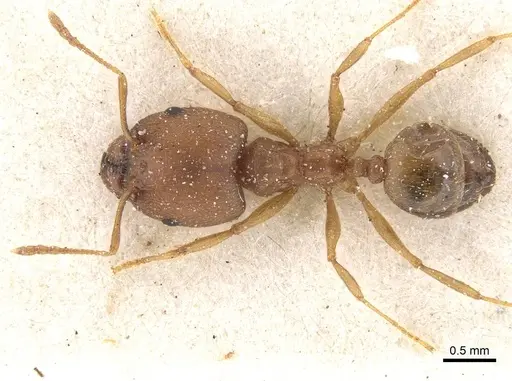
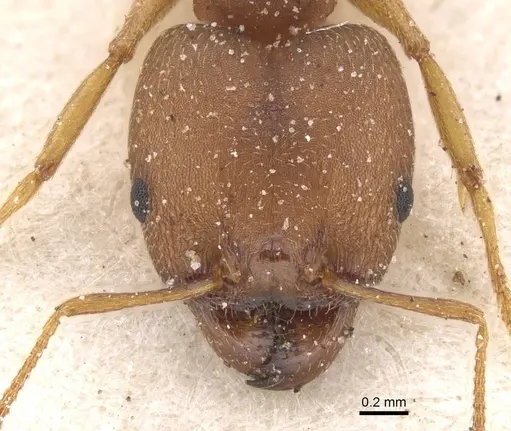
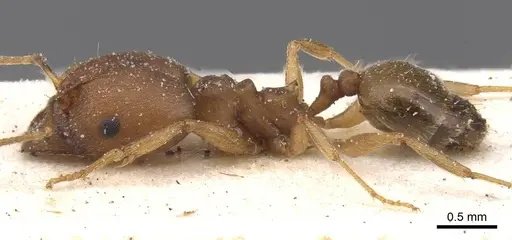
CASENT0913411
View on AntWeb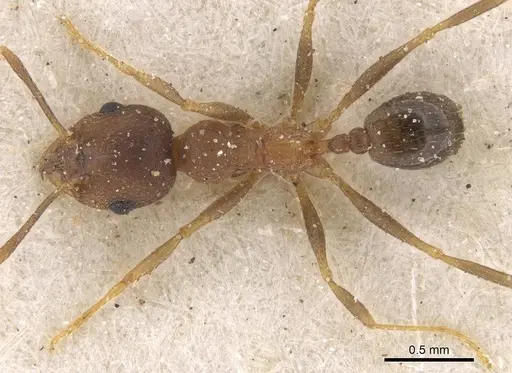
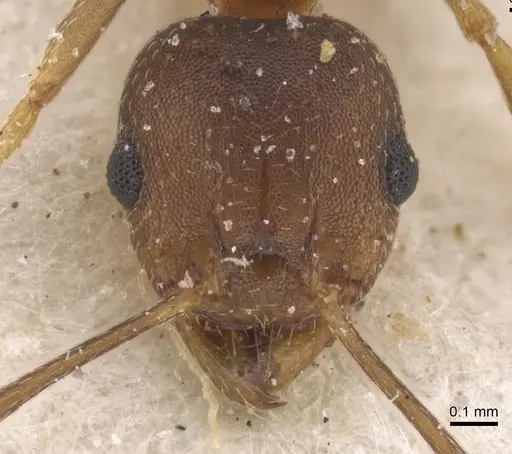
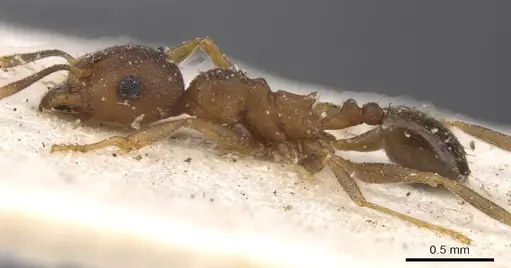
CASENT0916960
View on AntWeb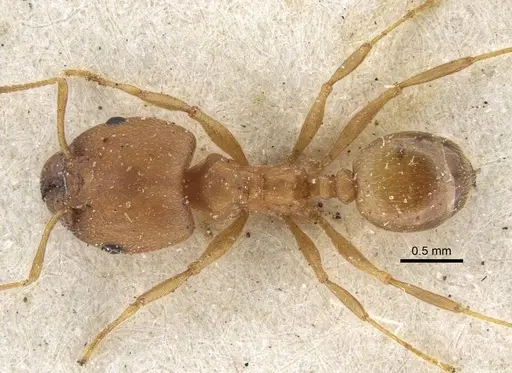
CASENT0916961
View on AntWeb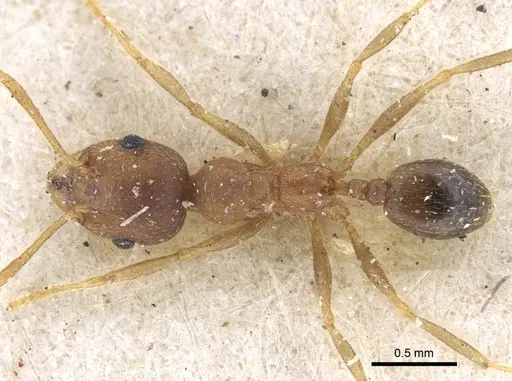
Literature
Loading distribution map...Loading products...