
Pheidole rectitrudis
- Sci. Name
- Pheidole rectitrudis
- Tribe
- Attini
- Subfamily
- Myrmicinae
- Author
- Wilson, 2003
- Distribution
- Found in 6 countries
Introduction
Pheidole rectitrudis is a dimorphic ant species native to Central America, reported from Costa Rica, Guatemala, and Mexico . Like all Pheidole species, they have two worker castes: large major workers and smaller minor workers . Colony structure and founding behavior are unconfirmed based on available research. These ants are active foragers, and in the wild, they may nest in soil, though specific habitat details are not documented in the literature.
Quick Summary
- Difficulty: Medium
- Origin & Habitat: Central America, documented in Costa Rica, Guatemala, and Mexico [1][2]. Inhabits tropical environments, but specific habitat preferences are unconfirmed.
- Colony Type: Unconfirmed based on available research. Typical Pheidole colonies are monogyne, but this species' social structure is not documented.
- Size & Growth:
- Queen: Size data unavailable, inferred from Pheidole genus (~7-10 mm)
- Worker: Size data unavailable, inferred from Pheidole genus (minors ~2-3 mm, majors ~4-6 mm)
- Colony: Up to 1000 workers, inferred from Pheidole genus patterns
- Growth: Moderate, inferred from tropical Pheidole species
- Development: Estimated 6-8 weeks at optimal temperatures, inferred from related species (Development time is temperature-dependent)
- Antkeeping:
- Temperature: Keep warm, roughly 24-28°C, based on tropical genus patterns. No specific data available.
- Humidity: Maintain moderate humidity, keep substrate moist but not waterlogged, based on typical ant care.
- Diapause: No, tropical species do not require hibernation, inferred from genus patterns.
- Nesting: Test tube setups for founding, Y-tong or plaster nests for established colonies, inferred from general antkeeping practices.
- Behavior: Based on Pheidole genus patterns, typically peaceful but defensive when nest is threatened. Major workers can sting mildly. Escape risk is moderate due to size.
- Common Issues: tropical species requires consistent warmth, cold temperatures slow or stop brood development, overfeeding can lead to mold problems in the nest, remove uneaten food promptly, major workers can be aggressive if colony is disturbed, handle gently during nest checks, colonies may take several months to establish firmly, patience is needed during founding phase
Housing and Setup
For founding colonies, a simple test tube setup works well. Fill a test tube with water, plug with cotton, and place the queen in a dark area. Do not disturb the founding chamber. Once workers emerge, connect a small outworld for foraging. For larger colonies, use Y-tong or plaster nests with moisture chambers. These ants do best with moderate humidity.
Feeding and Diet
Pheidole rectitrudis is likely granivorous, based on genus patterns. Offer seeds like millet or bird seed, and protein from small insects such as fruit flies or mealworms. Remove uneaten food to prevent mold.
Temperature and Seasonal Care
As a tropical species, keep temperatures warm, roughly 24-28°C. Avoid cold drafts. No diapause is needed.
Colony Development and Growth
Colony growth is moderate. First workers may emerge in 6-8 weeks under optimal conditions. Major workers appear as the colony matures. Full colony size is reached over 2-3 years.
Behavior and Observation
This species is dimorphic with major and minor workers [1]. Minor workers handle foraging and brood care, while majors process seeds and defend the nest. They are generally peaceful but can sting if threatened.
Frequently Asked Questions
How long does it take for Pheidole rectitrudis to have first workers?
Expect first workers in 6-8 weeks under optimal conditions, inferred from related species. Development time depends on temperature.
What do Pheidole rectitrudis ants eat?
They are likely granivorous, eating seeds, and need protein from insects, based on genus patterns.
What temperature do Pheidole rectitrudis need?
Keep them warm, roughly 24-28°C, inferred from tropical genus patterns.
Are Pheidole rectitrudis good for beginners?
They are moderate difficulty, requiring warm temperatures and seed-based nutrition.
How big do Pheidole rectitrudis colonies get?
Up to 1000 workers, inferred from Pheidole genus patterns.
Can I keep multiple Pheidole rectitrudis queens together?
This species is likely monogyne, but social structure is unconfirmed. Combining queens is not recommended.
Do Pheidole rectitrudis need hibernation?
No, as a tropical species, they do not require hibernation.
When should I move my colony to a formicarium?
Wait until the colony has 20-30 workers and is actively foraging. Use Y-tong or plaster nests.
Why are my Pheidole rectitrudis dying?
Common causes include cold temperatures, mold from overfeeding, or disturbance during founding. Ensure warm conditions and proper care.
Report an Issue
The current care sheet is based fully on literature. See inconsistencies, or something that's incorrect? Please , it will be resolved after review from an admin. Contributing to the blogs tab also helps providing information, to make us be able to further improve the caresheets. Thank you for your support!
References

This caresheet is licensed under CC BY-SA 4.0 .
Community Blogs
CASENT0635517
View on AntWeb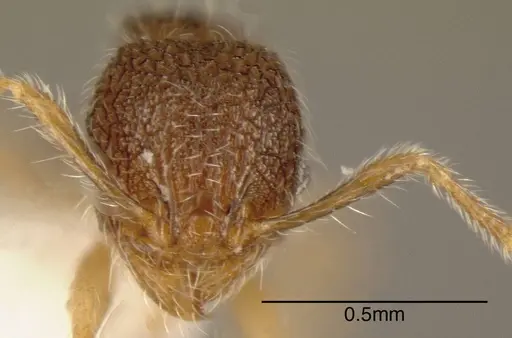
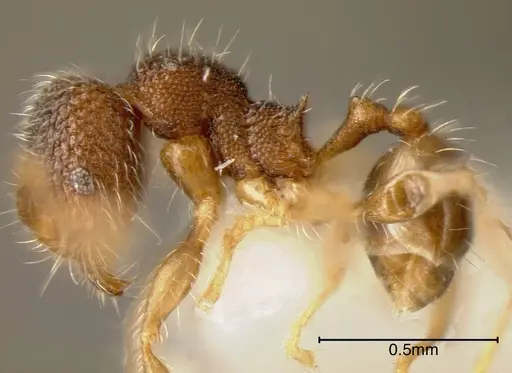
INBIOCRI002272038
View on AntWeb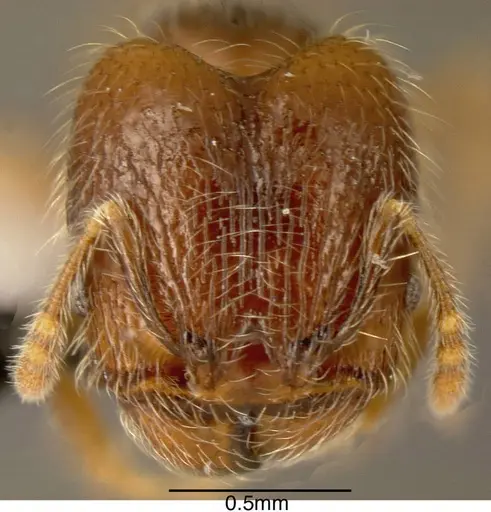
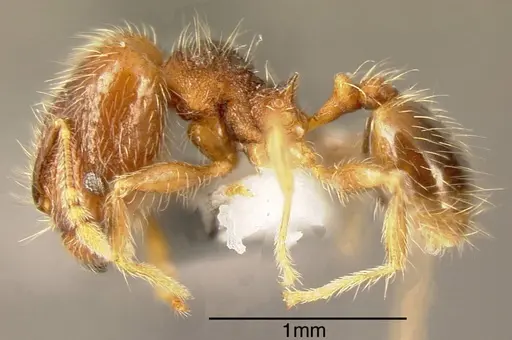
Literature
Loading distribution map...Loading products...