
Pheidole rectisentis
- Sci. Name
- Pheidole rectisentis
- Tribe
- Attini
- Subfamily
- Myrmicinae
- Author
- Wilson, 2003
- Distribution
- Found in 4 countries
Introduction
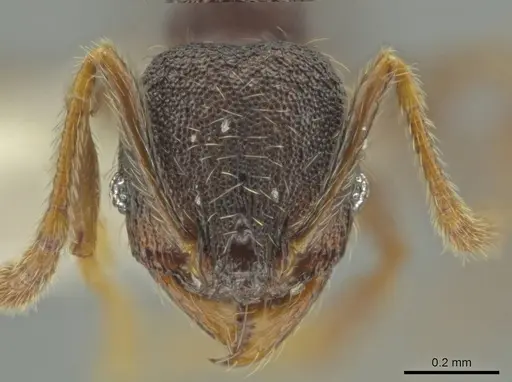
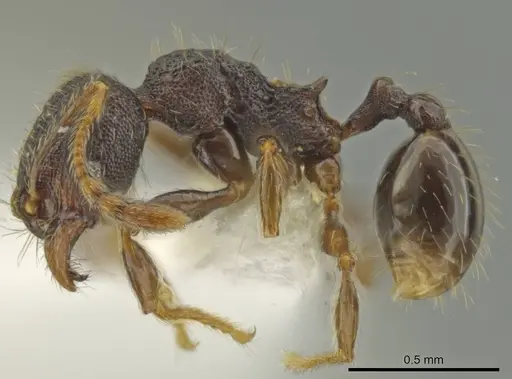
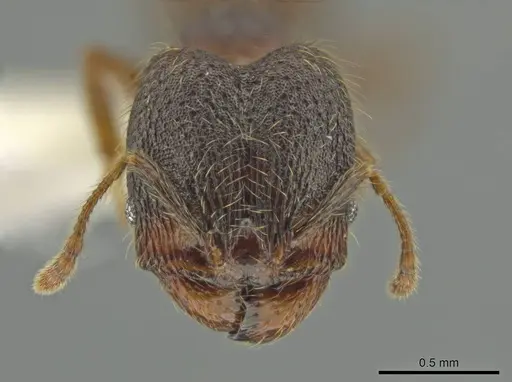
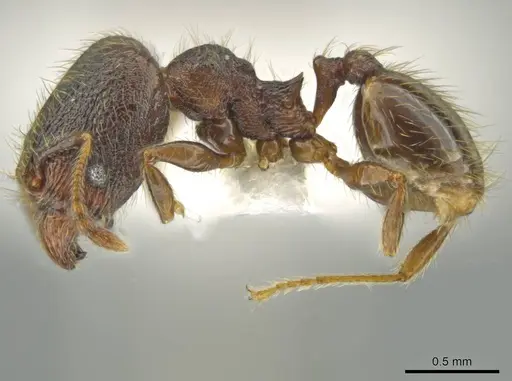
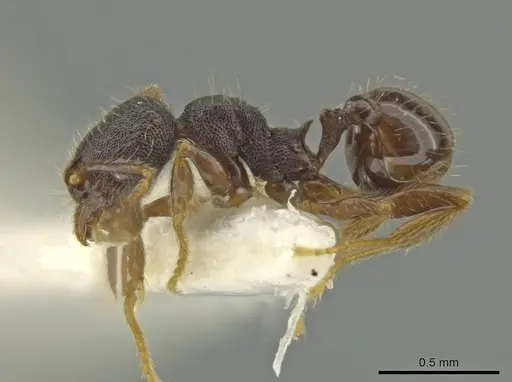
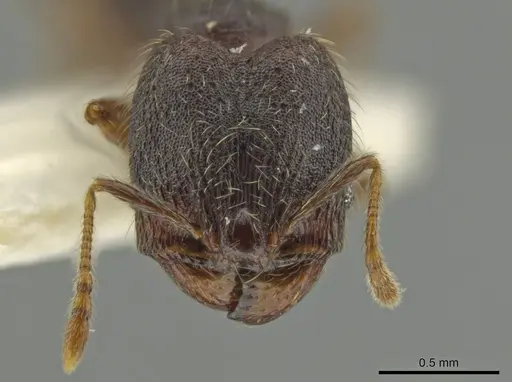
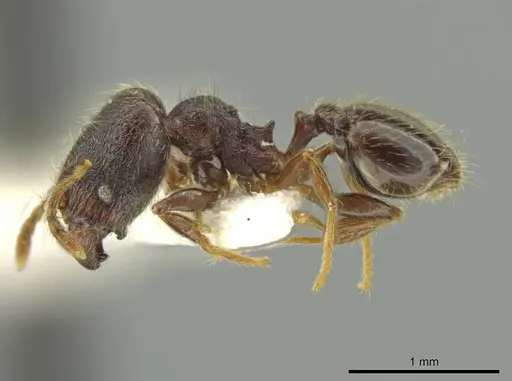
Pheidole rectisentis is a dimorphic ant species with major and minor workers, reported from Nicaragua and Guatemala . Size data is not available in the current research. Habitat preferences are unknown from the research, but based on genus patterns, they may nest in ground-level sites in warm areas. The species exhibits worker dimorphism, a key trait in Pheidole genus where major workers have enlarged heads for defense and seed processing.
Quick Summary
- Difficulty: Easy
- Origin & Habitat: Nicaragua and Guatemala [1]
- Colony Type: Unconfirmed
- Size & Growth:
- Queen: Size data unavailable from current research
- Worker: Size data unavailable from current research
- Colony: Colony size data unavailable from current research
- Growth: Unknown
- Development: Unknown (No data on development timeline from research)
- Antkeeping:
- Temperature: Keep warm around 22-26°C based on Central American species patterns
- Humidity: Keep substrate moderately moist
- Diapause: Not required for tropical species
- Nesting: Y-tong or plaster nests may be suitable for this species
- Behavior: Temperament unknown from research, but based on Pheidole genus, likely peaceful with low aggression towards keepers. Escape risk is low to moderate due to size.
- Common Issues: Overfeeding can lead to mold in the nest, remove uneaten food promptly, Too high humidity can cause issues, keep substrate moderately dry, Cold temperatures can slow brood development, maintain warmth
Housing and Nest Preferences
No specific research on housing for Pheidole rectisentis. Based on general antkeeping practices for Pheidole species, Y-tong or plaster nests with compact chambers may be suitable. Ensure connections are wide enough for major workers to pass through.
Feeding and Diet
No specific research on diet for this species. Based on Pheidole genus patterns, they are primarily granivorous, so offer seeds as a staple, and supplement with protein like small insects. Remove uneaten food promptly to prevent mold.
Temperature and Seasonal Care
No specific research on temperature requirements. Based on Central American species, keep warm around 22-26°C. No diapause required for tropical species, maintain stable warmth year-round.
Behavior and Colony Dynamics
No specific research on behavior. Based on Pheidole genus, colonies are likely not aggressive, with majors defending the nest. Worker dimorphism means majors handle defense and seed processing, while minors handle foraging and brood care.
Frequently Asked Questions
How long does it take for Pheidole rectisentis to produce first workers?
Unknown from research, but based on related Pheidole species, estimated 6-8 weeks at optimal temperatures.
Can I keep multiple Pheidole rectisentis queens together?
Not recommended, as most Pheidole species are likely single-queen, and combining queens may result in fighting.
What do I feed Pheidole rectisentis?
Offer seeds as a staple, and supplement with small insects for protein. Sugar water or honey can provide extra energy.
Are Pheidole rectisentis good for beginners?
Yes, they are considered easy to keep based on general Pheidole traits, but care is based on inference due to limited research.
When should I move Pheidole rectisentis to a formicarium?
Move from a test tube once the colony has several workers and the setup becomes cramped, typically based on general antkeeping practices.
How big do Pheidole rectisentis colonies get?
Colony size data is unavailable from research, but based on genus patterns, they may reach moderate sizes.
Do Pheidole rectisentis need hibernation?
No, as a tropical species, they do not require hibernation. Keep them warm year-round.
Why are my Pheidole rectisentis dying?
Common causes include too cold temperatures, excessive humidity, overfeeding, or stress from disturbances. Check temperature and humidity first.
Report an Issue
The current care sheet is based fully on literature. See inconsistencies, or something that's incorrect? Please , it will be resolved after review from an admin. Contributing to the blogs tab also helps providing information, to make us be able to further improve the caresheets. Thank you for your support!
References

This caresheet is licensed under CC BY-SA 4.0 .
Community Blogs
CASENT0624140
View on AntWeb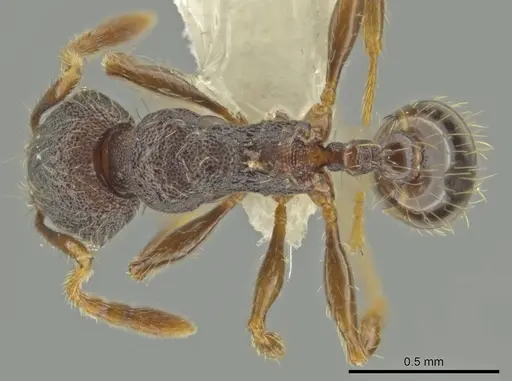
CASENT0624141
View on AntWeb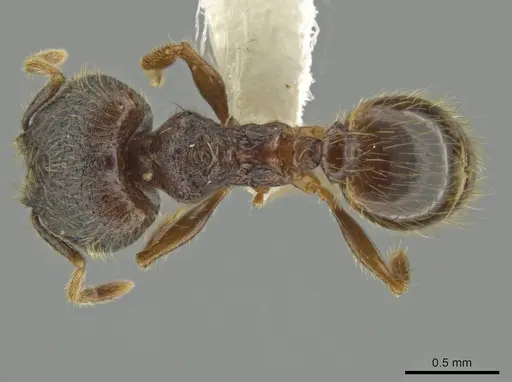
CASENT0645859
View on AntWeb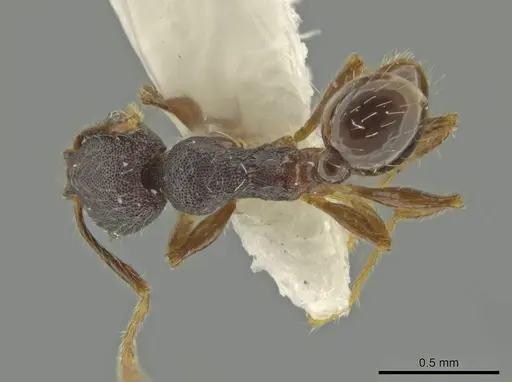
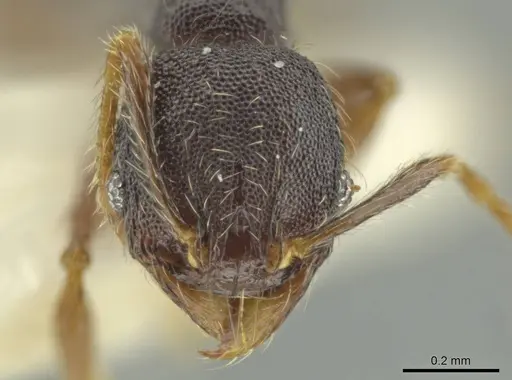
JTLC000016508
View on AntWeb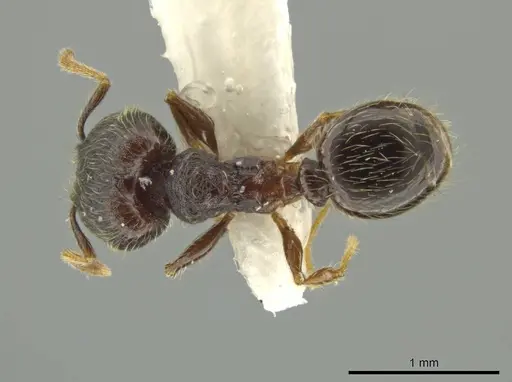
Literature
Loading distribution map...Loading products...