
Pheidole recondita
- Sci. Name
- Pheidole recondita
- Tribe
- Attini
- Subfamily
- Myrmicinae
- Author
- Clouse, 2007
- Distribution
- Found in 1 countries
Introduction
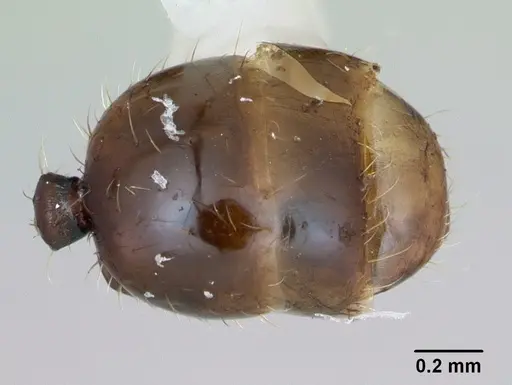
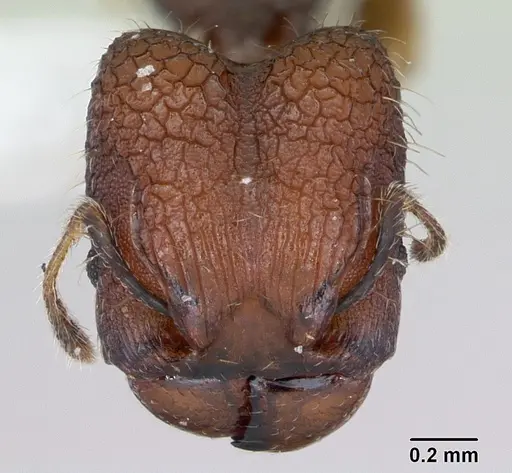
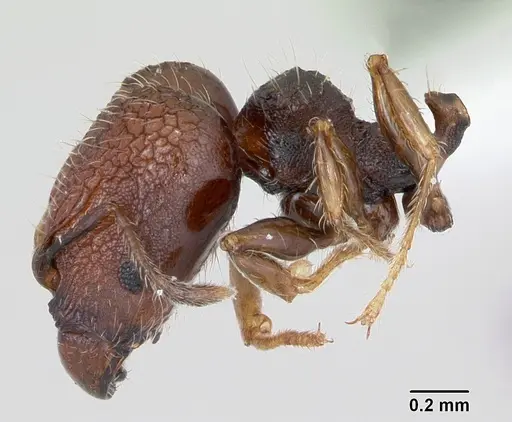
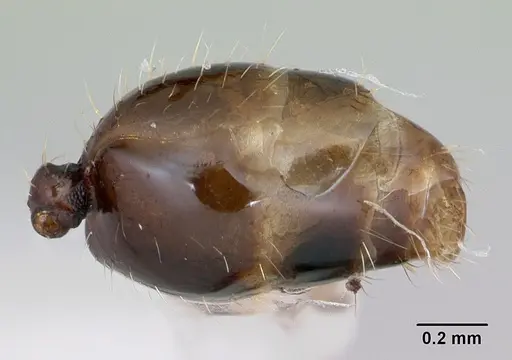
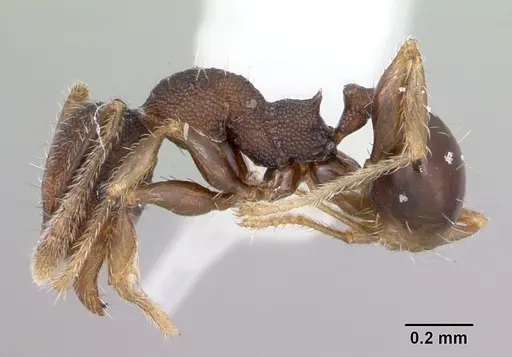
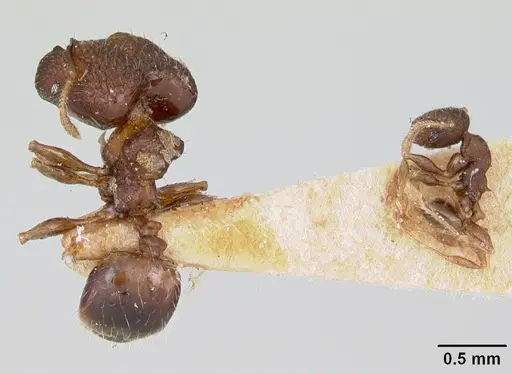
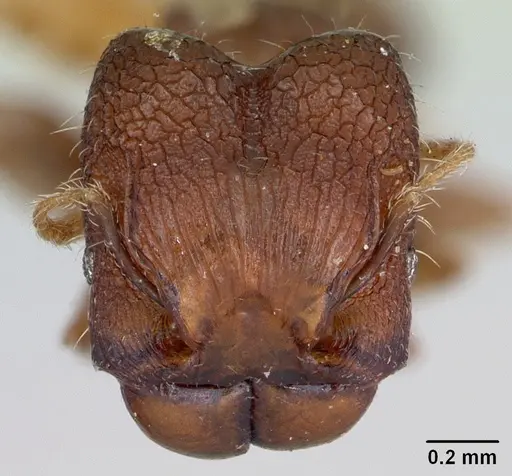
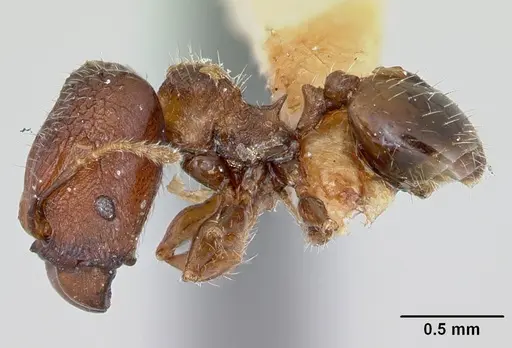
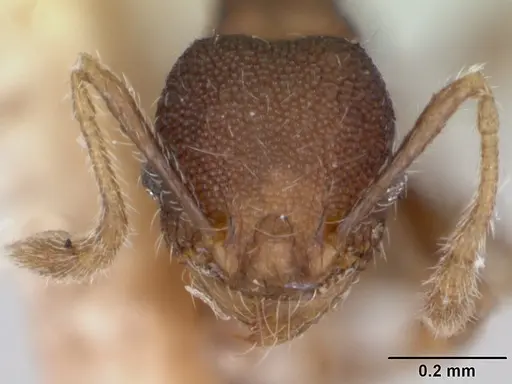
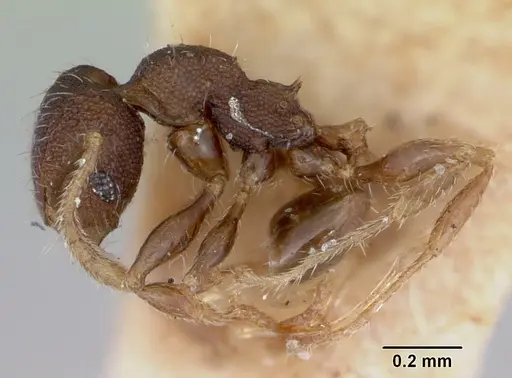
Pheidole recondita is a tiny ant species native to Micronesian islands including Guam, Rota, Pohnpei, and Kosrae . Majors reach up to 2.8 mm in total length, while minors are about 1.2 mm . The species is found in mid- to high-elevation forests, typically under moss on trees or in leaf litter . Its coloration ranges from blackish orange to ashy brown, distinguishing it from related species . The name 'recondita' means mysterious in Latin, reflecting its uncommon presence . It is one of three small punctured Pheidole species in the region, unique among Micronesian endemics for being found on multiple islands .
Quick Summary
- Difficulty: Expert
- Origin & Habitat: Micronesian islands including Guam, Rota, Pohnpei, and Kosrae. Found in mid- to high-elevation forest, typically under moss on trees or in leaf litter [1][2].
- Colony Type: Unconfirmed, no scientific literature documents colony structure for this species.
- Size & Growth:
- Queen: Size data unavailable, queen caste has not been described in the original species description.
- Worker: Up to 2.8 mm for majors, up to 1.2 mm for minors [1].
- Colony: Unknown, no colony size data available.
- Growth: Unknown, no growth rate data exists.
- Development: Unconfirmed, no direct development data exists for this species. (Development timeline is unknown, based on typical small tropical ants, it may vary with temperature.)
- Antkeeping:
- Temperature: Keep warm, roughly 24-28°C, based on their tropical habitat [2]. Provide a gentle heat gradient.
- Humidity: Keep the nest substrate consistently moist but not waterlogged, as they live in humid forest environments [2].
- Diapause: No diapause required, this is a tropical species from consistent year-round warm conditions.
- Nesting: Prefer humid setups with moisture-retaining materials like soil or plaster, based on their natural habitat under moss [2].
- Behavior: This species is timid and not aggressive. As with most tiny Pheidole, majors may block nest entrances, but this is inferred from genus patterns. Escape risk is high due to their small size, they can squeeze through gaps as small as 1 mm.
- Common Issues: escape prevention is critical due to tiny size, they can fit through very small gaps., humidity control is challenging, too dry causes desiccation, too wet promotes mold., feeding is difficult, prey must be appropriately sized for tiny ants., colony growth is slow, which may test keeper patience., wild-caught colonies may harbor parasites or diseases hard to treat in captivity.
Housing and Nest Setup
Because of their tiny size and humid forest habitat, Pheidole recondita needs careful housing. Use a moisture-retaining substrate like soil or plaster to mimic their natural environment under moss [2]. Y-tong (AAC) nests with small chambers can work if humidity is maintained. Ensure excellent escape prevention, use tight-fitting lids, fine mesh on ventilation, and barrier tape on edges. A hydration chamber helps maintain moisture.
Feeding and Diet
Like other Pheidole species, these ants are omnivorous. Offer small protein sources like fruit flies or tiny crickets 2-3 times per week, and provide constant sugar water or honey. Remove uneaten food promptly to prevent mold. Prey must be very small due to their tiny size.
Temperature and Seasonal Care
As a tropical species, Pheidole recondita needs warm, stable temperatures year-round. Keep the nest area at roughly 24-28°C with a gentle gradient [2]. Avoid temperature fluctuations. No hibernation is required.
Humidity Management
High humidity is essential. Keep the nest substrate consistently moist, as they live in humid forests [2]. Use a moisture-retaining material and consider a hydration chamber. Monitor for mold, balance moisture without creating stagnant conditions.
Colony Establishment and Growth
Start with a wild-caught queen in a test tube setup. Founding behavior is unconfirmed, but she may seal herself in. Once workers emerge, begin feeding. Growth is slow due to tiny size and small colony potential. Be patient and avoid overfeeding.
Frequently Asked Questions
How long does it take for Pheidole recondita to develop from egg to worker?
The exact timeline is unconfirmed for this species. No development data exists in the literature.
What do Pheidole recondita ants eat?
They are omnivorous. Offer small protein sources like fruit flies and constant sugar water.
What temperature do Pheidole recondita need?
Keep them warm at roughly 24-28°C, based on their tropical habitat [2].
Are Pheidole recondita good for beginners?
No, this is an expert-level species due to tiny size, escape risks, and humidity needs.
How big do Pheidole recondita colonies get?
Colony size is unknown, but given tiny worker size, colonies are likely small.
Do Pheidole recondita need hibernation?
No, this is a tropical species and does not require diapause.
Can I keep multiple queens together?
Colony type is unconfirmed, but most Pheidole are single-queen. Combining queens is not recommended.
Why are my Pheidole recondita escaping?
At up to 2.8 mm, they are exceptional escape artists. Use tight-fitting lids and fine mesh.
When should I move my colony to a formicarium?
Wait until the colony has at least 20-30 workers and is actively foraging.
What humidity level do Pheidole recondita need?
Keep the nest substrate consistently moist, as they live in humid forests [2].
Where is Pheidole recondita found in the wild?
This species is endemic to Micronesia, found on islands like Guam and Pohnpei, in mid- to high-elevation forests [1][2].
Report an Issue
The current care sheet is based fully on literature. See inconsistencies, or something that's incorrect? Please , it will be resolved after review from an admin. Contributing to the blogs tab also helps providing information, to make us be able to further improve the caresheets. Thank you for your support!
References

This caresheet is licensed under CC BY-SA 4.0 .
Community Blogs
CASENT0173102
View on AntWeb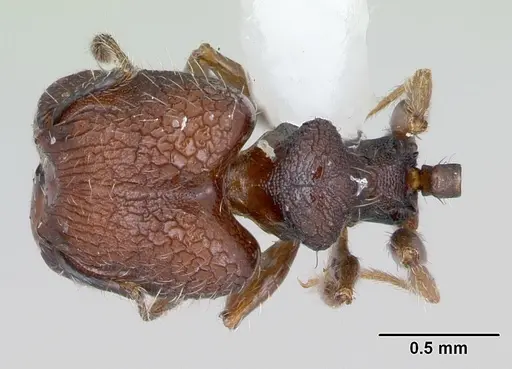
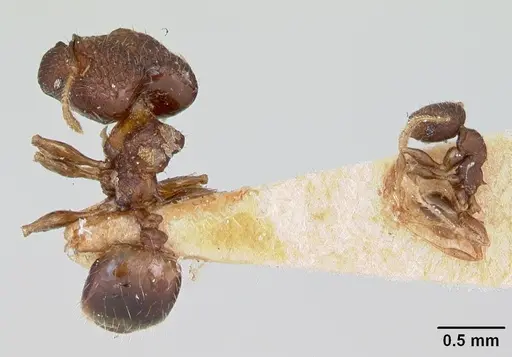
CASENT0173103
View on AntWeb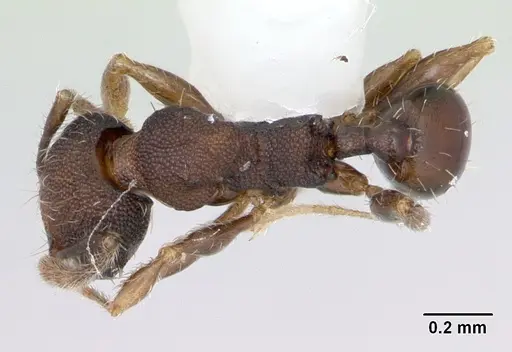
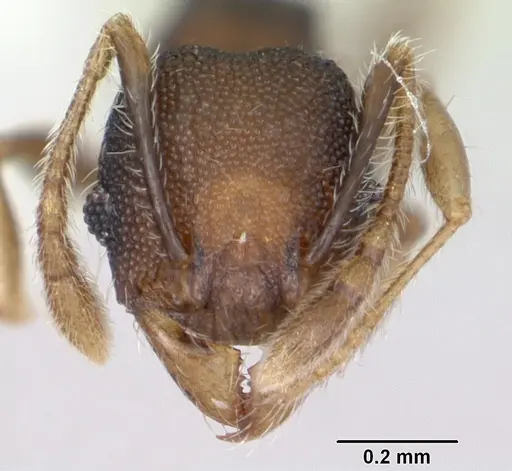
CASENT0173104
View on AntWeb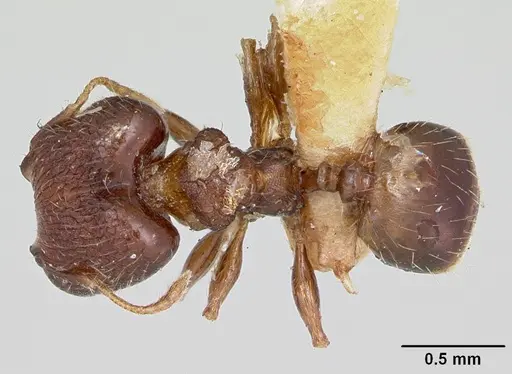
CASENT0173105
View on AntWeb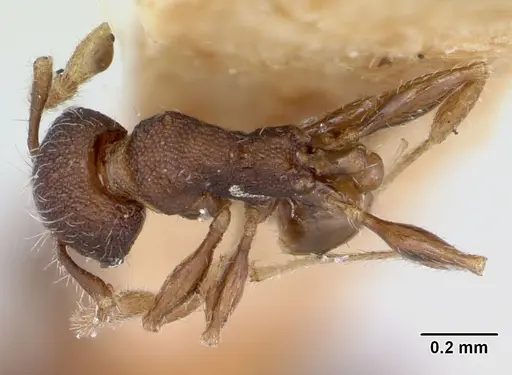
Literature
Loading distribution map...Loading products...