
Pheidole rabo
- Sci. Name
- Pheidole rabo
- Tribe
- Attini
- Subfamily
- Myrmicinae
- Author
- Forel, 1913
- Distribution
- Found in 3 countries
Introduction
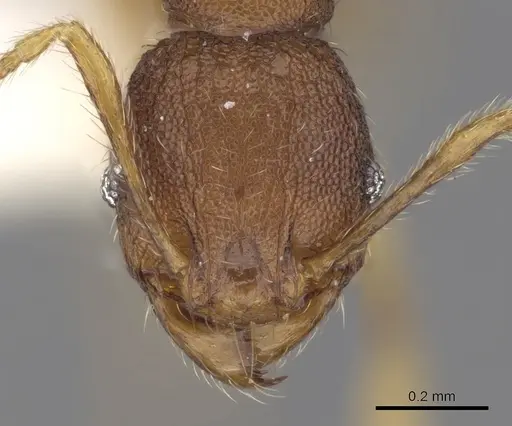
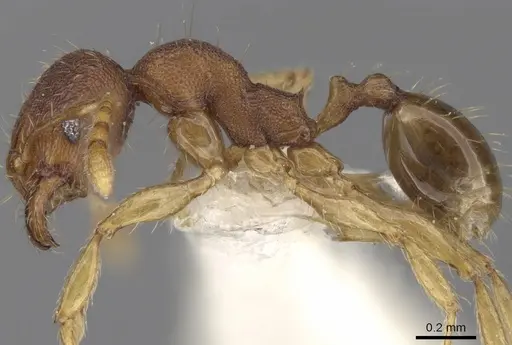
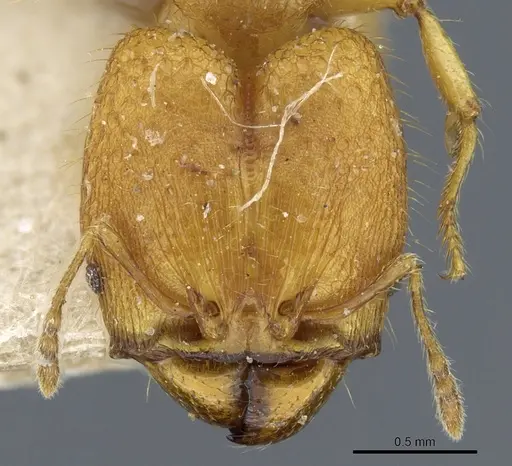
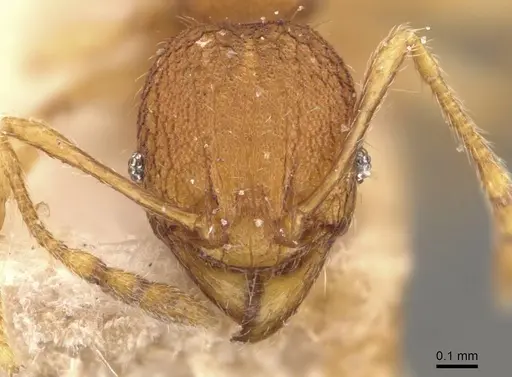
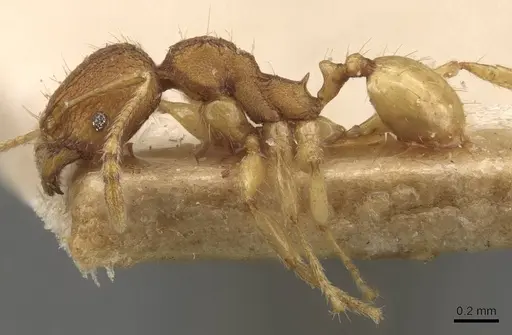
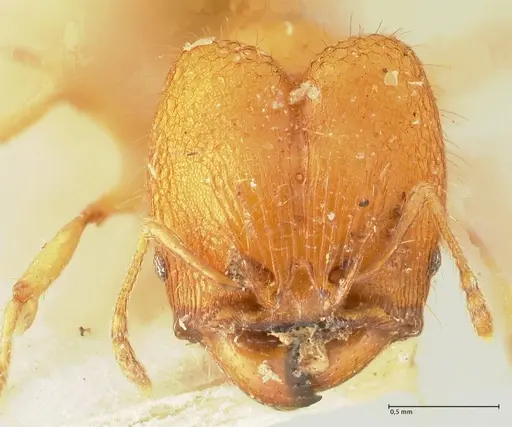
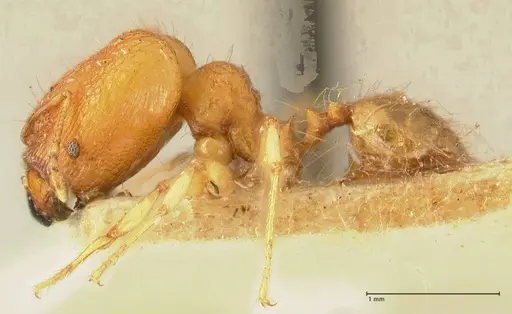
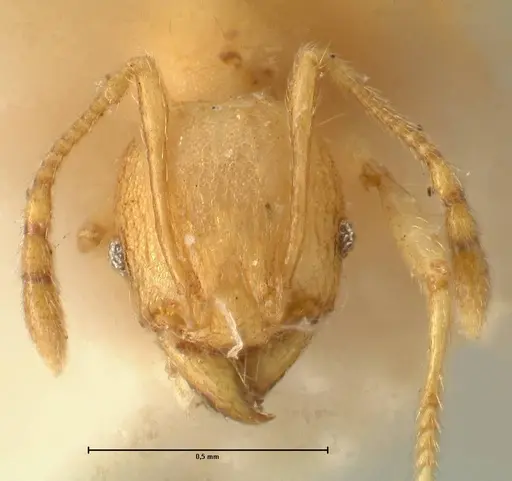
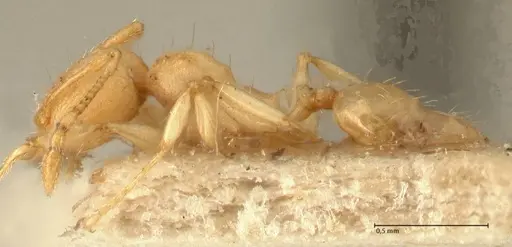
Pheidole rabo is a small ant species native to Southeast Asia, with major workers having larger heads than minor workers. It is widely distributed in Indo-Chinese and Indo-Malayan regions, including Thailand, Vietnam, Malaysia, Indonesia, the Philippines, and southern China . This species inhabits well-developed forests, forest edges, and bamboo forests, nesting under stones or in rotting logs on the ground . Unlike many ants, it is strictly forest-dwelling and avoids human-modified landscapes like rubber plantations .
Quick Summary
- Difficulty: Medium
- Origin & Habitat: Southeast Asia, in well-developed forests, forest edges, or bamboo forests, nesting under shelters like stones or in rotting logs [1][2][4].
- Colony Type: Based on Pheidole genus patterns, likely monogyne (single-queen colonies) with distinct major and minor worker castes.
- Size & Growth:
- Queen: Size data unavailable, no total length measurements provided in research.
- Worker: Size data unavailable, no total length measurements provided in research.
- Colony: Up to several hundred workers, inferred from Pheidole genus patterns.
- Growth: Moderate, typical for Pheidole genus.
- Development: 6-10 weeks at warm temperatures, inferred from tropical ant patterns. (Development time is estimated based on typical Pheidole patterns, direct data for this species is unavailable.)
- Antkeeping:
- Temperature: Keep warm, roughly 24-28°C, based on tropical habitat.
- Humidity: Keep nest substrate consistently moist but not waterlogged, similar to forest floor conditions [1][2].
- Diapause: No, as a tropical species, it does not require hibernation.
- Nesting: Use naturalistic setups with moist substrate and flat stones or rotting wood, or Y-tong nests with high humidity [1][2].
- Behavior: Workers forage in leaf litter both day and night [6]. Majors defend the nest and process food, while minors handle foraging and brood care. They are not aggressive but will bite if threatened. Escape risk is moderate due to small size, ensure setups are secure.
- Common Issues: forest specialist sensitivity, may struggle if setup does not replicate moist forest floor conditions, humidity management, too dry causes brood death, too wet leads to mold, escape risk, minors can squeeze through small gaps if barriers are inadequate, slow colony growth, patience is needed as colonies establish gradually
Housing and Nest Setup
You should use a naturalistic setup that mimics the forest floor. Provide a moist soil substrate and flat stones or rotting wood for nesting [1][2]. Y-tong nests with high humidity chambers also work well. Keep the substrate damp but not waterlogged, and avoid direct sunlight or dry locations. A humidity reservoir or regular misting helps maintain moisture levels.
Feeding and Diet
You can offer protein sources like small insects and sugar sources like honey or diluted syrup. These ants scavenge in leaf litter, so remove uneaten food after 24-48 hours to prevent mold [6].
Temperature and Seasonal Care
Keep temperatures stable around 24-28°C, as this species comes from warm Southeast Asian forests. No hibernation is needed since it is tropical.
Colony Structure and Development
Pheidole colonies have major and minor workers. Majors defend the nest and process food, while minors handle foraging and brood care. Colony growth is moderate, with first workers appearing in 6-10 weeks at warm temperatures.
Behavior and Observation
Workers are active both day and night in leaf litter [6]. You will see majors blocking nest entrances and minors foraging. They are not aggressive but may bite if handled. Defense includes a stinger, as typical for Myrmicinae ants, but it is not medically significant.
Frequently Asked Questions
Can I keep Pheidole rabo in a test tube?
Test tubes can work for founding, but this species needs moist conditions. Move to a naturalistic setup once the colony grows.
How long does it take for Pheidole rabo to produce first workers?
Based on typical patterns, expect 6-10 weeks at warm temperatures.
Are Pheidole rabo good for beginners?
No, this species requires high humidity and stable conditions, making it challenging for beginners [5].
What do Pheidole rabo eat?
They are omnivores, offer small insects for protein and sugar sources like honey [6].
Can I keep multiple queens together?
This species is likely monogyne, so only one queen per colony is recommended.
Do Pheidole rabo need hibernation?
No, as a tropical species, they do not require hibernation.
Why is my Pheidole rabo colony dying?
Common causes include low humidity, temperature stress, or escape issues. Check moisture levels first [1][2].
How big do Pheidole rabo colonies get?
Up to several hundred workers, inferred from Pheidole genus patterns.
When should I move Pheidole rabo to a formicarium?
Move when the test tube is crowded or the queen is active in the foraging area, typically with 30-50 workers.
Report an Issue
The current care sheet is based fully on literature. See inconsistencies, or something that's incorrect? Please , it will be resolved after review from an admin. Contributing to the blogs tab also helps providing information, to make us be able to further improve the caresheets. Thank you for your support!
References

This caresheet is licensed under CC BY-SA 4.0 .
Community Blogs
CASENT0281722
View on AntWeb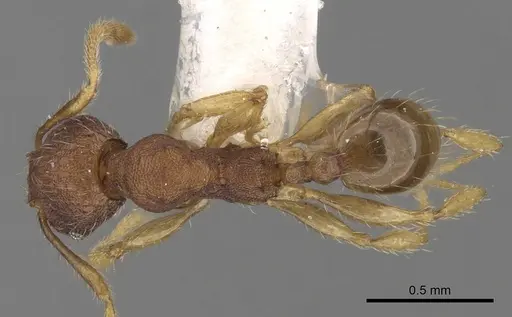
CASENT0904269
View on AntWeb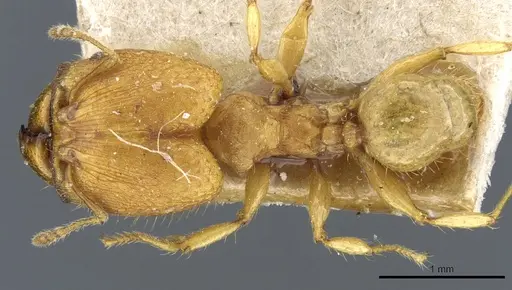
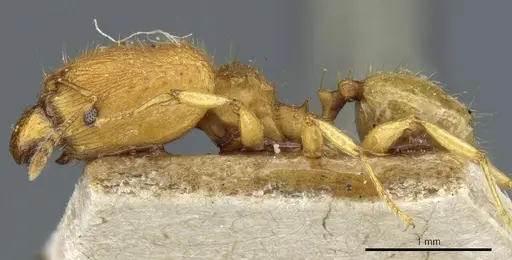
CASENT0904270
View on AntWeb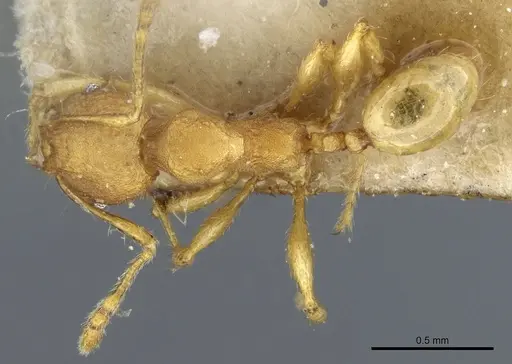
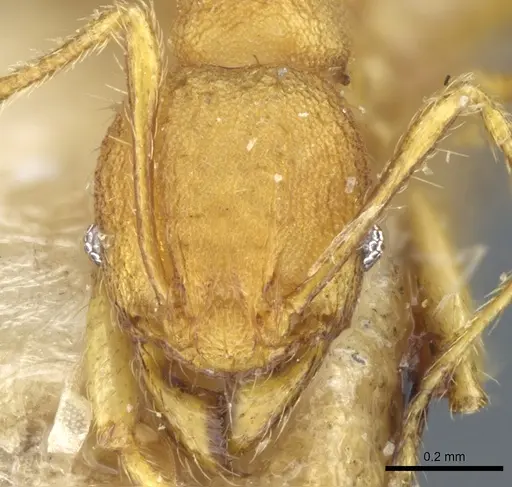
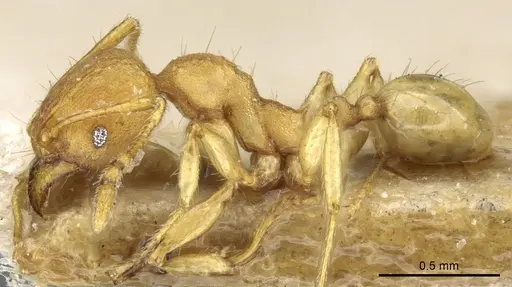
CASENT0907989
View on AntWeb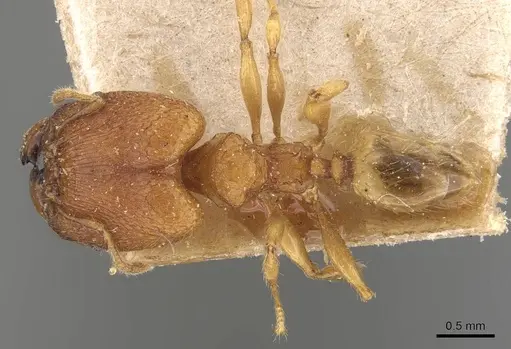
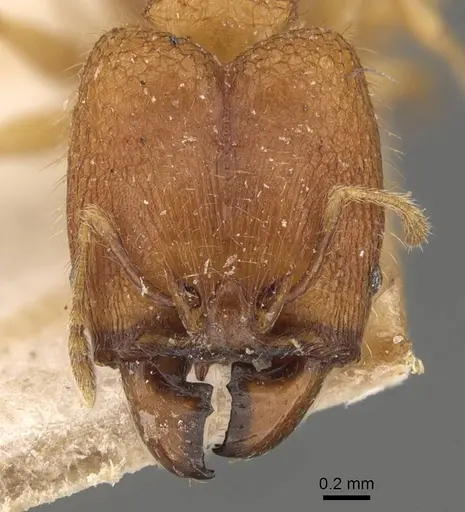
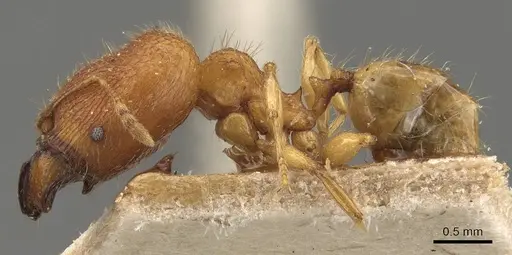
CASENT0907990
View on AntWeb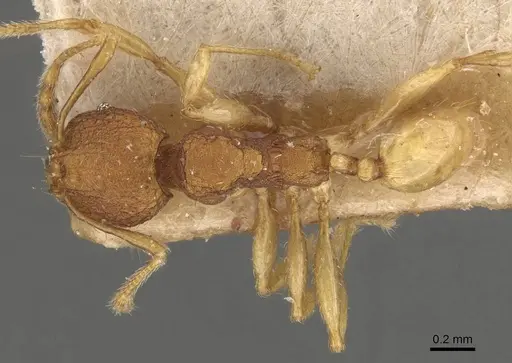
FOCOL1370
View on AntWeb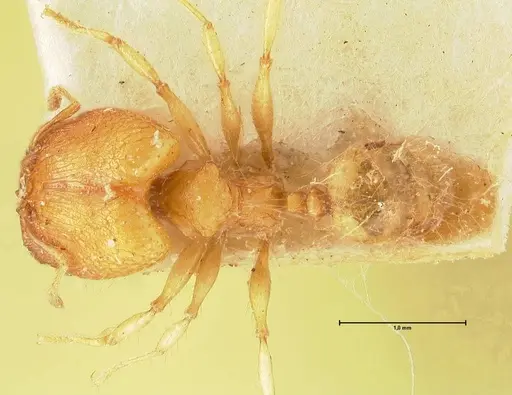
FOCOL1371
View on AntWeb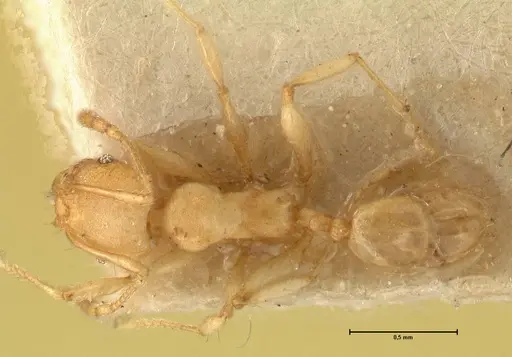
Literature
Loading distribution map...Loading products...