
Pheidole protensa
- Sci. Name
- Pheidole protensa
- Tribe
- Attini
- Subfamily
- Myrmicinae
- Author
- Wilson, 2003
- Distribution
- Found in 5 countries
Introduction
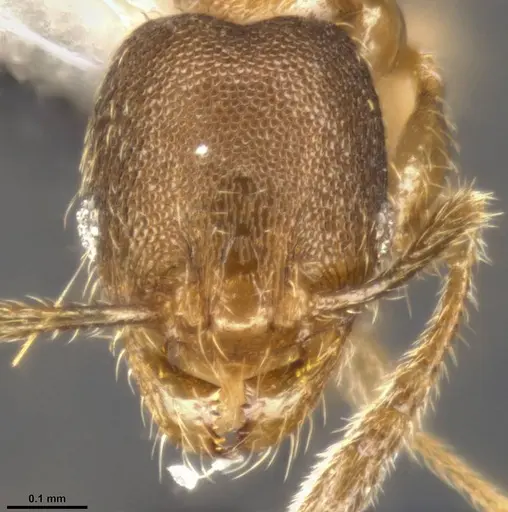
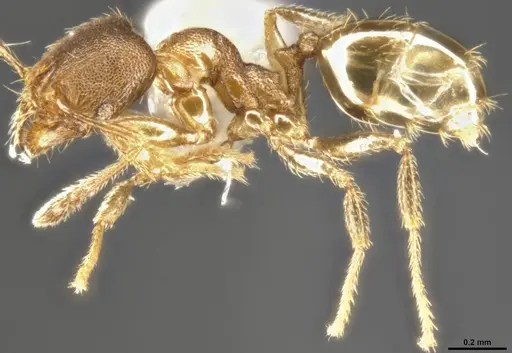
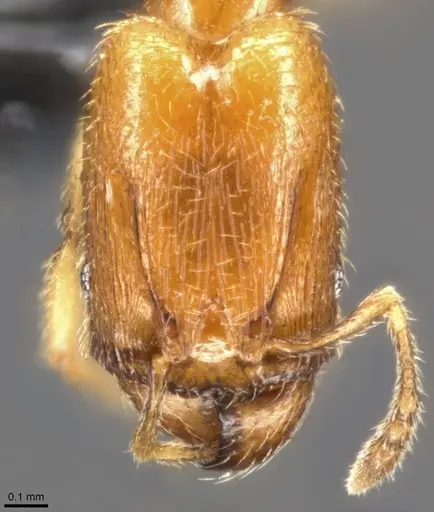
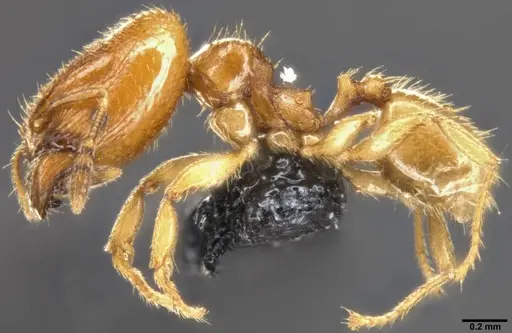
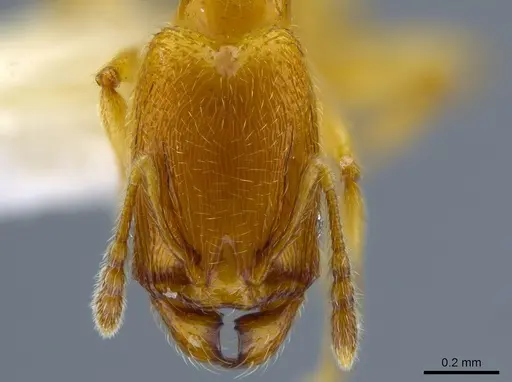
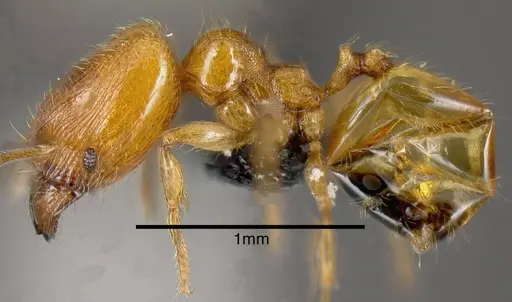
Pheidole protensa is a small, yellow ant from the flavens group, described by E.O. Wilson in 2003 . It is dimorphic with major and minor workers, and major workers have an elongated head covered with longitudinal ridges . Body size data is unavailable, but workers are notably small. The species is native to the Neotropical region, found in Mexico, Guatemala, Honduras, Nicaragua, Costa Rica, and Panama . It inhabits lowland rainforest and montane coffee forests at elevations around 1600 meters . This ant is an effective ground predator in coffee ecosystems, preying on the coffee berry borer .
Quick Summary
- Difficulty: Easy
- Origin & Habitat: Neotropical species found in Mexico, Guatemala, Honduras, Nicaragua, Costa Rica, and Panama. Inhabits lowland rainforest and montane coffee forests at elevations around 1600m [1].
- Colony Type: Based on Pheidole genus patterns, likely monogyne (single queen colonies).
- Size & Growth:
- Queen: size data unavailable
- Worker: size data unavailable
- Colony: Unknown maximum colony size. The species is described as having many small, widely distributed nests [4].
- Growth: Moderate, inferred from typical Pheidole development patterns.
- Development: 6-8 weeks (estimated based on typical Pheidole genus development at warm temperatures) (Development time is not directly studied for this species. Estimates based on related Pheidole species.)
- Antkeeping:
- Temperature: Keep at 22-26°C. Inferred from Neotropical habitat [1].
- Humidity: Keep nest substrate consistently moist but not waterlogged, with some drier areas available [1].
- Diapause: No, as a tropical species, they do not require hibernation [1].
- Nesting: Ground-nesting species. In captivity, use test tube setup for founding, then Y-tong or plaster nests [2][4].
- Behavior: Calm, non-aggressive, slow-moving ground-forager [4]. Defense via sting from subfamily Myrmicinae, but not medically significant. Escape risk high due to very small size.
- Common Issues: escape prevention is critical due to very small size, use fine mesh and tight-fitting lids, overheating can be fatal, keep away from direct heat sources and maintain stable temperatures, colonies may be slow to establish, patience is needed during the founding phase, wild-caught colonies may carry parasites that can cause colony failure in captivity, too much moisture can drown founding queens, use appropriate water reservoir sizes in test tubes
Nest Preferences
Pheidole protensa is a ground-nesting species that naturally colonizes moist soil in forested areas. In the wild, they build small nests that are widely distributed across their territory [4]. For captive care, a test tube setup works well for founding colonies, fill the tube one-third with water, plug with cotton, and place the queen in the chamber. As the colony grows, consider moving to a Y-tong (AAC) or plaster nest. These nests hold moisture well and provide the dark, humid environment these ants prefer. The chambers should be scaled to their tiny size, narrow passages and small chambers help them feel secure.
Feeding and Diet
In their natural habitat, Pheidole protensa is an effective ground predator that feeds on small invertebrates, including the coffee berry borer beetle [2][3]. They are one of the most effective ground predators in coffee ecosystems, accounting for a significant portion of pest removal [3]. In captivity, offer a varied diet: protein sources like small fruit flies or pinhead crickets, along with sugar sources like honey water. Feed protein 2-3 times per week and keep sugar water available constantly.
Temperature and Care
As a Neotropical species from mid-elevation rainforest areas, Pheidole protensa prefers warm, stable temperatures in the 22-26°C range. A heating cable on one side of the nest can create a gentle gradient, allowing workers to move between warmer and cooler areas. Avoid temperatures above 30°C, as this can stress the colony. [1]
Behavior and Temperament
Pheidole protensa is a calm, non-aggressive species that poses no danger to keepers. They are slow-moving ants compared to many other species, which is advantageous for observation [4]. Major workers have reduced propodeal spines, so their defensive capabilities are limited. They are ground-foraging and will recruit nestmates to food sources. Escape prevention is critical due to their very small size.
Colony Growth and Development
Pheidole protensa colonies grow moderately once established. The founding phase requires patience, as the queen may seal herself in a chamber. First workers emerge after several weeks under optimal warm conditions. After the first workers eclose, the queen focuses on egg-laying while workers take over nest maintenance. Colonies are dimorphic from the start, with both major and minor workers.
Humidity Management
Being a species from rainforest and coffee forest environments, Pheidole protensa requires moderate to high humidity. The nest substrate should feel consistently moist but never waterlogged. In test tube setups, the water reservoir provides humidity through the cotton plug. In Y-tong or plaster nests, mist the water chamber area or add water directly to the hydration section. [1]
Frequently Asked Questions
How long does it take for Pheidole protensa to have first workers?
Expect first workers to emerge in 6-8 weeks after the queen lays eggs, assuming temperatures are maintained at 22-26°C. This is estimated based on typical Pheidole genus development.
Can I keep Pheidole protensa in a test tube?
Yes, test tubes work excellently for founding colonies. Use a standard test tube setup with a water reservoir and cotton plug. The small size of this species means even a small test tube chamber is appropriate.
What do Pheidole protensa eat?
They are predators that prefer small live prey like fruit flies and small insects. They also accept sugar sources like honey water or sugar water [2][3].
Are Pheidole protensa good for beginners?
Yes, they are an excellent beginner species. They are small, calm, non-aggressive, and have straightforward care requirements. They don't require hibernation and adapt well to typical room temperatures.
When should I move Pheidole protensa to a formicarium?
Move them when the test tube is becoming crowded. A Y-tong or plaster nest works well for this species. Make sure the new nest has appropriately sized chambers for their tiny size.
Do Pheidole protensa need hibernation?
No, they do not require hibernation. As a tropical species, they remain active year-round [1].
How big do Pheidole protensa colonies get?
Colony size is unknown, but the species is described as having many small, widely distributed nests in the wild [4].
Why are my Pheidole protensa dying?
Common causes include temperature stress, improper humidity, escape-related losses due to their tiny size, or parasites from wild-caught colonies. Ensure stable temperatures and consistent moisture.
Can I keep multiple Pheidole protensa queens together?
Not recommended, as queen number is unconfirmed for this species. Combining unrelated queens may result in aggression.
Report an Issue
The current care sheet is based fully on literature. See inconsistencies, or something that's incorrect? Please , it will be resolved after review from an admin. Contributing to the blogs tab also helps providing information, to make us be able to further improve the caresheets. Thank you for your support!
References

This caresheet is licensed under CC BY-SA 4.0 .
Community Blogs
CASENT0282721
View on AntWeb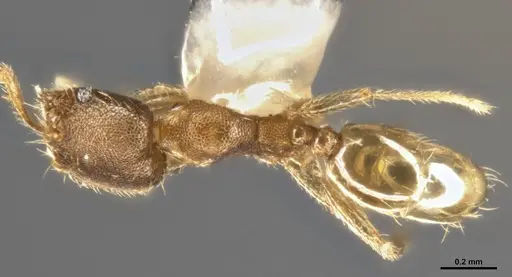
CASENT0283524
View on AntWeb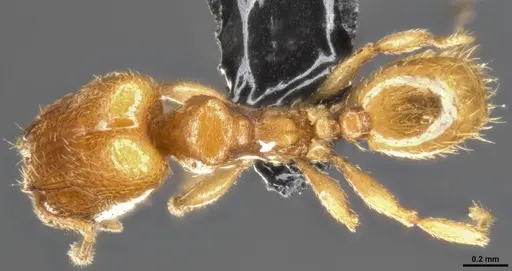
CASENT0633407
View on AntWeb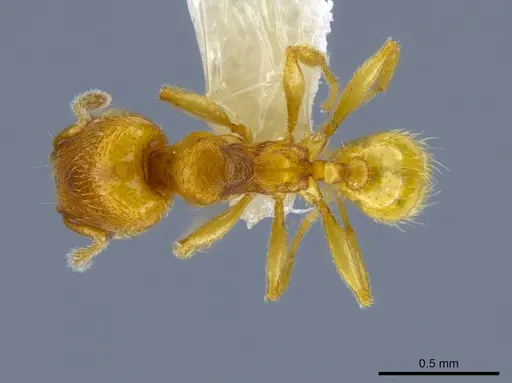
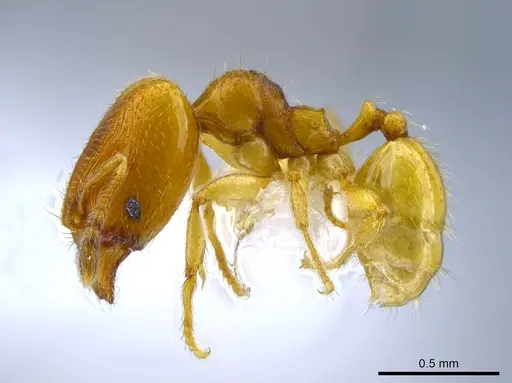
CASENT0635507
View on AntWeb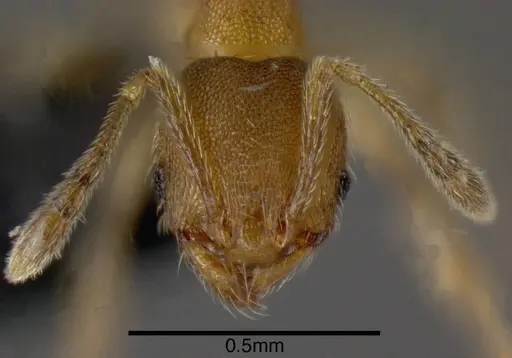
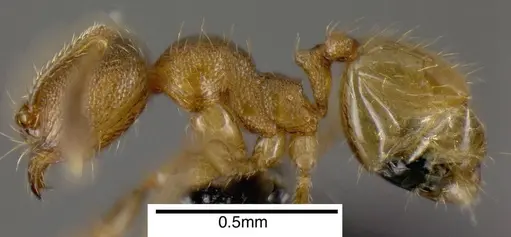
JTLC000006302
View on AntWeb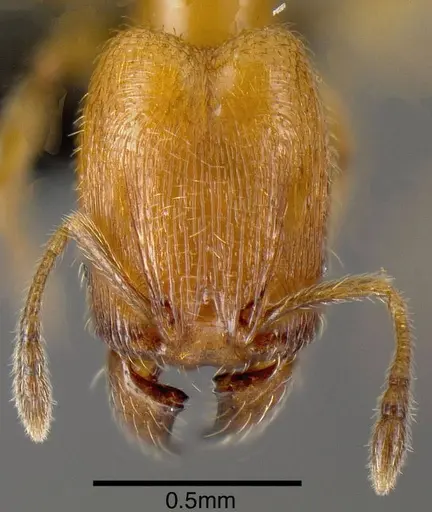
Literature
Loading distribution map...Loading products...