
Pheidole prostrata
- Sci. Name
- Pheidole prostrata
- Tribe
- Attini
- Subfamily
- Myrmicinae
- Author
- Wilson, 2003
- Distribution
- Found in 3 countries
Introduction
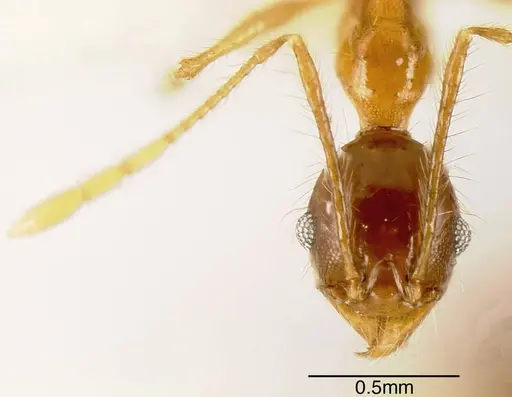
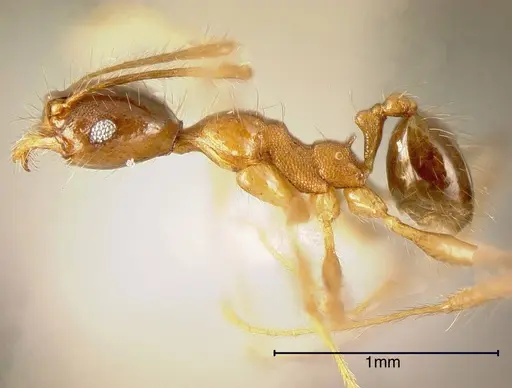
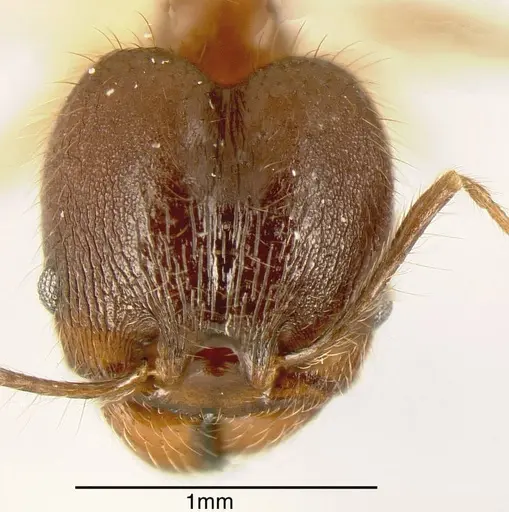
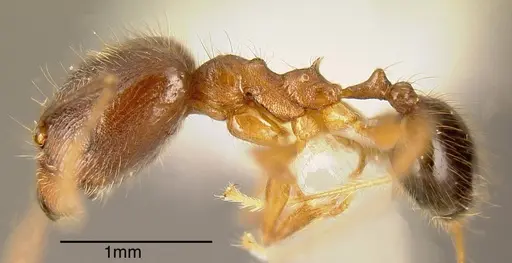
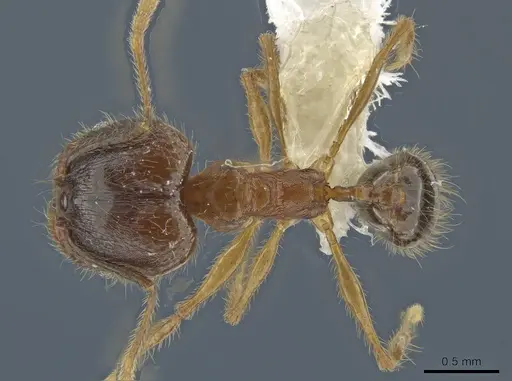
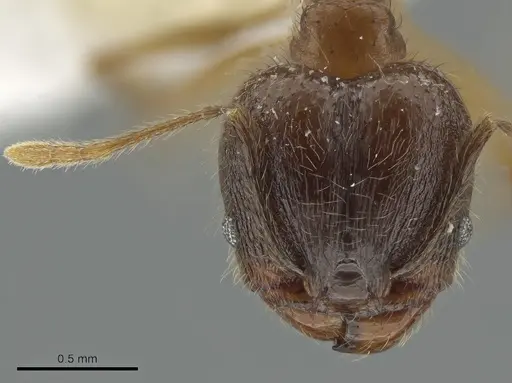
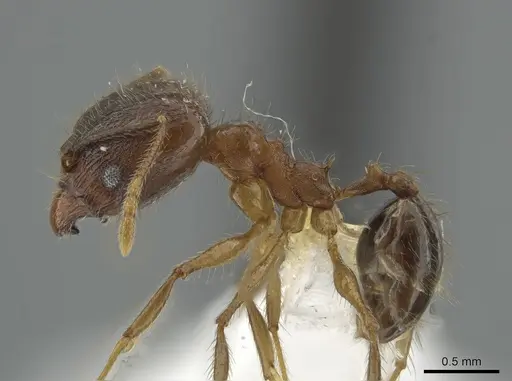
Pheidole prostrata is a small Neotropical ant species described by Wilson in 2003,found in the Atlantic lowlands of Costa Rica and Panama. They have a distinctive caste system with major workers that have enlarged heads for defense and seed processing, while minor workers handle foraging and brood care. This species nests in the low arboreal zone in mature wet forest and does not forage on the ground .
Quick Summary
- Difficulty: Medium
- Origin & Habitat: Atlantic lowlands of Costa Rica and Panama, in mature wet tropical forest. Nests in the low arboreal zone within a few meters of the ground [1].
- Colony Type: Likely monogyne (single queen) based on typical Pheidole colony structure, but unconfirmed from literature.
- Size & Growth:
- Queen: Size data unavailable, no total length measurements provided in literature
- Worker: Size data unavailable, head measurements are available but not full body size
- Colony: Up to several thousand workers, inferred from Pheidole genus
- Growth: Moderate
- Development: Estimated 6-8 weeks at tropical temperatures, inferred from related Pheidole species (Development time is estimated, specific timing not documented for this species)
- Antkeeping:
- Temperature: Keep warm year-round, roughly 24-28°C, as this is a tropical species from lowland Costa Rica [1].
- Humidity: Keep nest substrate consistently moist but not waterlogged, as they inhabit mature wet forest [1].
- Diapause: No, tropical species do not require hibernation [1].
- Nesting: Arboreal to low-nesting, provide elevated nest positions in Y-tong, plaster, or soil nests with moist substrate [1].
- Behavior: This species is not aggressive and majors are used for defense and seed processing. They forage in low vegetation, not on the ground. Escape risk is moderate due to small minor workers, use reliable barriers. They possess a functional stinger as typical for Myrmicinae, but are not medically significant.
- Common Issues: tropical species needs constant warmth, cold drafts can kill colonies., high humidity requirements mean mold can be an issue if ventilation is poor., small minor workers can escape through standard barriers, use fluon and fine mesh., ground-level foraging is unnatural, provide elevated outworld space., slow founding phase, queens may seal themselves for weeks, disturbing them can harm colony.
Housing and Nest Setup
Pheidole prostrata nests in the low arboreal zone [1], so in captivity, provide elevated nest positions. Use Y-tong, plaster, or soil nests with tight chambers. Keep the nest humid by connecting a water tube, and place the setup in a warm area away from drafts. The outworld should be simple with climbing structures to simulate their natural foraging environment [1].
Feeding and Diet
Pheidole prostrata is omnivorous. Offer protein sources like small insects 2-3 times per week and keep a constant sugar source available. They also accept seeds, which majors will crush open. Remove uneaten prey after 24-48 hours to prevent mold.
Temperature and Seasonal Care
As a tropical species from Costa Rica's Atlantic lowlands, Pheidole prostrata needs warm temperatures year-round. Keep the nest area at roughly 24-28°C [1]. Below this, metabolism slows, and prolonged cold can be fatal. They do not enter diapause [1]. Use a heating cable if needed, but always provide a temperature gradient.
Colony Growth and Development
A claustral queen may seal herself in a chamber until first workers hatch, estimated at 6-8 weeks at tropical temperatures. Keep the founding chamber dark and undisturbed. Once workers emerge, growth is moderate, with colonies eventually reaching several thousand workers. Major production increases with colony size.
Behavior and Temperament
This species is peaceful with no significant aggression. Majors are specialized for defense and seed processing, while minors handle daily tasks. They forage in low vegetation, not on the ground [1]. Escape risk is moderate due to small minors, use fluon barriers and fine mesh. They possess a functional stinger but are not medically significant.
Frequently Asked Questions
How long does it take for Pheidole prostrata to get their first workers?
Expect 6-8 weeks from egg to first worker at optimal temperatures, estimated from related species. The claustral queen raises the first brood alone, do not disturb the founding chamber.
What do Pheidole prostrata ants eat?
They are omnivorous, offer protein like small insects 2-3 times per week and a constant sugar source. They also accept seeds.
What temperature do Pheidole prostrata need?
Keep them warm at roughly 24-28°C year-round, as they are a tropical species from Costa Rica [1].
Do they need hibernation or diapause?
No, as a tropical species, they do not require hibernation [1].
How big do Pheidole prostrata colonies get?
Colonies can reach up to several thousand workers, inferred from the Pheidole genus.
Can I keep multiple queens together?
This species is likely monogyne (single queen), but unconfirmed. Combining unrelated queens is not recommended as they may fight.
What makes Pheidole prostrata different from other Pheidole?
They nest in the low arboreal zone and do not forage on the ground, foraging in vegetation near the ground instead [1].
What humidity level do they need?
Keep the nest substrate consistently moist but not waterlogged, as they inhabit mature wet forest [1].
Are Pheidole prostrata good for beginners?
They are moderate difficulty due to tropical warmth and humidity requirements, but are peaceful and not aggressive.
Report an Issue
The current care sheet is based fully on literature. See inconsistencies, or something that's incorrect? Please , it will be resolved after review from an admin. Contributing to the blogs tab also helps providing information, to make us be able to further improve the caresheets. Thank you for your support!
References

This caresheet is licensed under CC BY-SA 4.0 .
Community Blogs
Literature
Loading distribution map...Loading products...