
Pheidole praegrandis
- Sci. Name
- Pheidole praegrandis
- Tribe
- Attini
- Subfamily
- Myrmicinae
- Author
- Salata & Fisher, 2020
- Distribution
- Found in 1 countries
Introduction
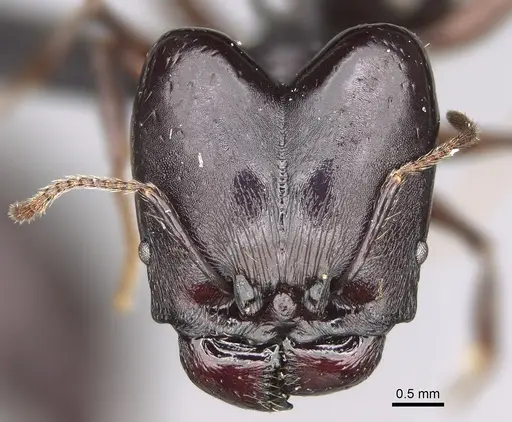
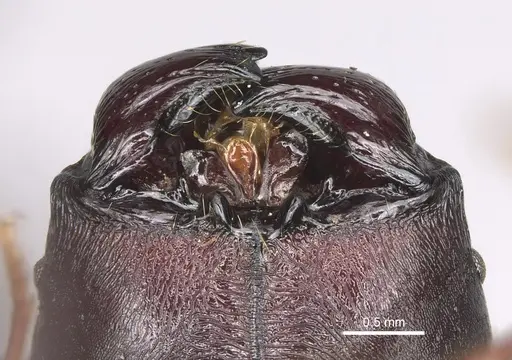
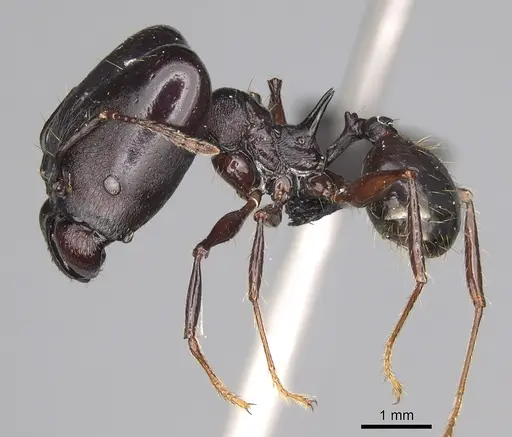
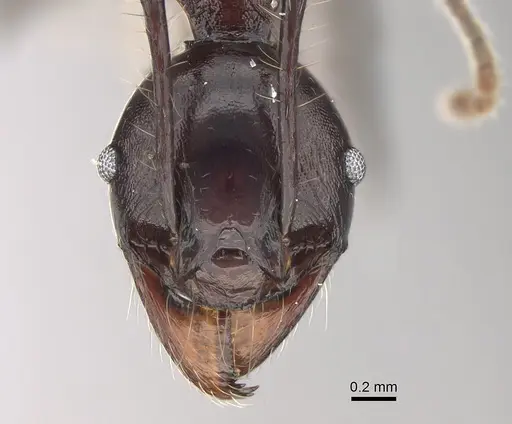
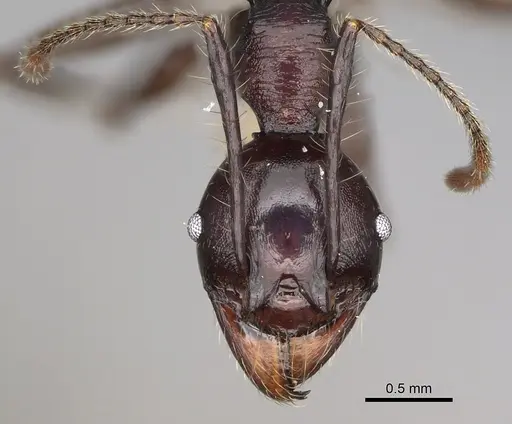
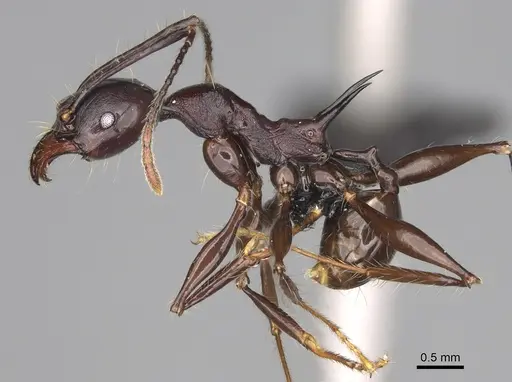
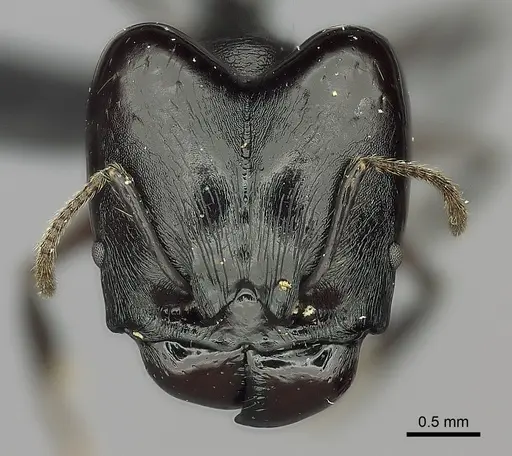
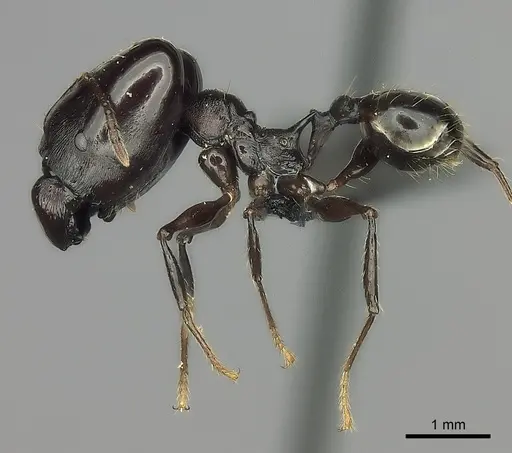
Pheidole praegrandis is a large ant species from Madagascar, described in 2020. It has dark brown to black bodies, with major workers having enlarged heads and both castes featuring long propodeal spines . Body size data is unavailable, as only head and mesosoma measurements are published. This species inhabits rainforest and montane rainforest in Madagascar, nesting in rotten logs and tree stumps at elevations of 250-900 meters . What makes P. praegrandis notable is its recent scientific description and distinctive long spines, which help distinguish it from related species like P. longispinosa .
Quick Summary
- Difficulty: Medium
- Origin & Habitat: Madagascar, specifically Antsiranana region in rainforest and montane rainforest at 250-900 meters elevation, nesting in rotten logs and tree stumps [2][1].
- Colony Type: Colony structure is unconfirmed for this species.
- Size & Growth:
- Queen: Size data unavailable [1].
- Worker: Size data unavailable [1].
- Colony: Unknown.
- Growth: Moderate, inferred from Pheidole patterns.
- Development: Estimated 6-8 weeks at optimal temperature, inferred [1]. (Development time may vary with temperature, major workers appear after colony establishment.)
- Antkeeping:
- Temperature: Keep warm, roughly 24-28°C, based on tropical habitat, inferred.
- Humidity: Keep substrate consistently moist but not waterlogged, mimicking rainforest conditions, inferred.
- Diapause: No, tropical species from Madagascar does not require winter rest [1].
- Nesting: Prefer nests with wood material, such as Y-tong (AAC) or plaster nests, to mimic natural rotten log habitats [1][2].
- Behavior: This species is calm and not aggressive toward keepers. Minor workers are small, so escape prevention is important. They are active foragers and use majors for defense and seed processing, inferred from Pheidole patterns.
- Common Issues: new species with limited care information, so conditions may need adjustment., high humidity requirements can lead to mold if ventilation is poor., colonies may grow slowly initially during establishment., wild-caught colonies may carry parasites affecting survival., major workers take time to appear, which may concern beginners.
Housing and Nest Setup
Pheidole praegrandis does well in Y-tong (AAC) nests or plaster nests, which hold moisture effectively. Include pieces of rotting wood or cork bark to mimic natural nesting in rotten logs and tree stumps [1][2]. For the outworld, provide a foraging area with substrate. Test tube setups work for founding colonies. Ensure excellent escape prevention since minor workers are small [1].
Feeding and Diet
Offer seeds like millet, chia, or flax, and protein from insects such as fruit flies or mealworms. Minor workers handle foraging, while majors process tougher foods. Feed seeds constantly and protein 2-3 times per week. Remove uneaten protein after 24 hours to prevent mold.
Temperature and Humidity
Keep temperatures warm, roughly 24-28°C, based on tropical habitat, inferred. Maintain substrate moisture without waterlogging, mimicking rainforest conditions, inferred. Use a heating cable for gradient if needed, and ensure good ventilation to prevent mold.
Colony Development
Founding behavior is unconfirmed. First workers may emerge in 6-8 weeks at optimal temperature, inferred [1]. Major workers typically appear after several minor workers are present. Colony growth is moderate and accelerates after establishment.
Behavior and Temperament
This species is calm and not aggressive. Major workers use enlarged heads for defense and seed processing. Minor workers are active foragers. Escape risk is moderate due to small size of minors, so use effective barriers.
Frequently Asked Questions
How long does it take for Pheidole praegrandis to have first workers?
Expect first workers in about 6-8 weeks after queen lays eggs, assuming optimal temperature around 26°C, inferred [1]. Be patient during founding.
What do Pheidole praegrandis ants eat?
They are seed-harvesters, so offer small seeds and protein from insects like fruit flies or mealworms. Minor workers forage, majors process food.
Can I keep multiple Pheidole praegrandis queens together?
Not recommended, as there is no data on polygyny. Most Pheidole species are single-queen, and combining queens may lead to fighting.
Do Pheidole praegrandis ants need hibernation?
No, this tropical species from Madagascar does not require diapause. Keep them warm year-round [1].
What size colony does Pheidole praegrandis reach?
Maximum colony size is unknown. Based on related species, colonies may reach several hundred workers over time.
Are Pheidole praegrandis ants good for beginners?
Rated medium difficulty due to humidity needs and limited care information. They are not aggressive, but beginners should monitor conditions closely.
What nest type is best for Pheidole praegrandis?
Y-tong (AAC) or plaster nests work well, providing moisture and dark chambers. Naturalistic setups with rotting wood mimic their habitat [1][2].
Why are my Pheidole praegrandis minors dying?
Common causes include low humidity, cold temperatures, mold from poor ventilation, or stress from disturbance. Check for parasites if wild-caught.
When will major workers appear in my colony?
Major workers typically appear after the colony has several minor workers, which may take several months. This indicates a healthy, growing colony.
Report an Issue
The current care sheet is based fully on literature. See inconsistencies, or something that's incorrect? Please , it will be resolved after review from an admin. Contributing to the blogs tab also helps providing information, to make us be able to further improve the caresheets. Thank you for your support!
References

This caresheet is licensed under CC BY-SA 4.0 .
Community Blogs
CASENT0235122
View on AntWeb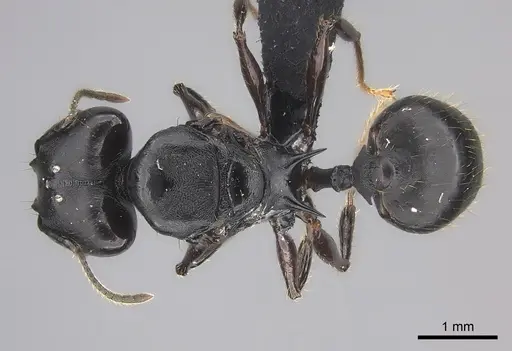
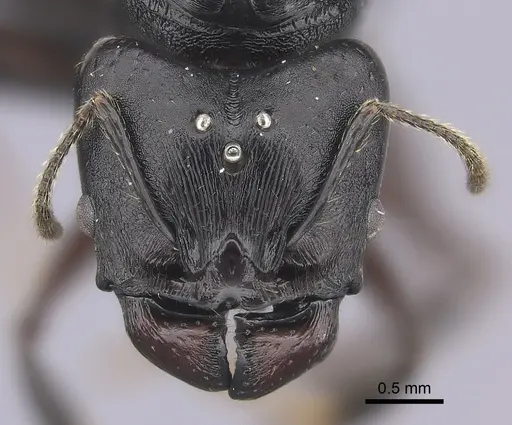
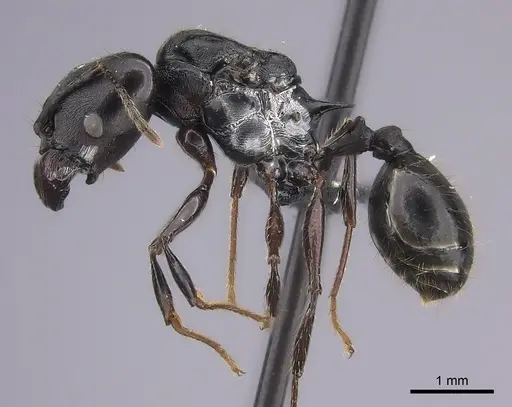
CASENT0494701
View on AntWeb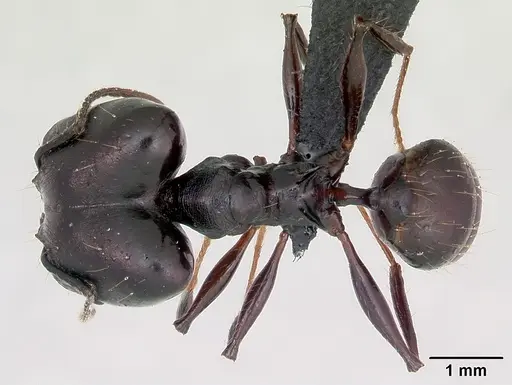
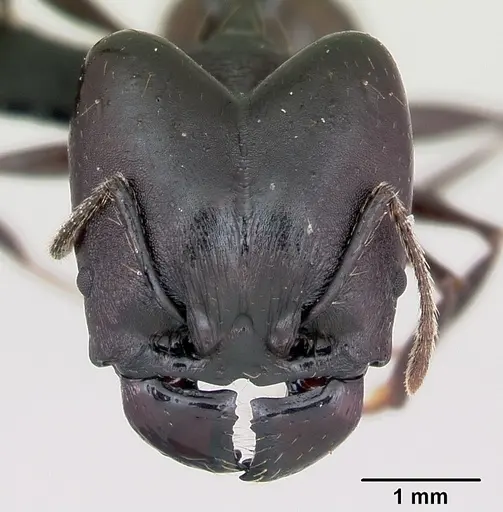
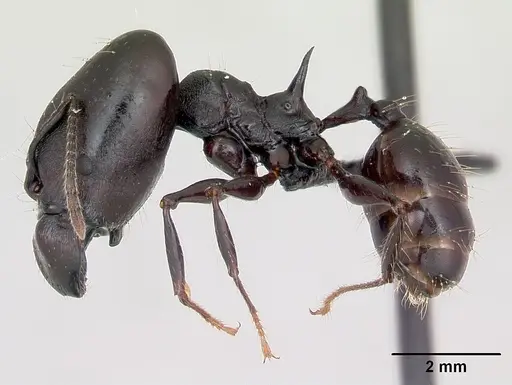
CASENT0494780
View on AntWeb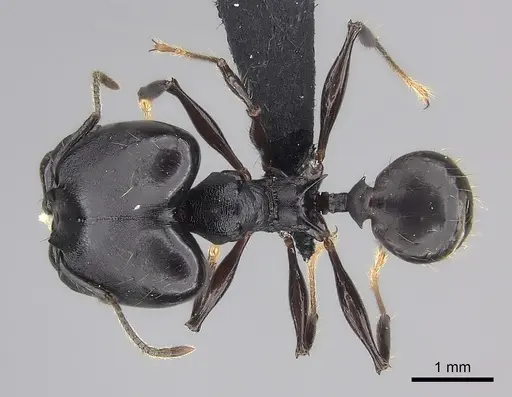
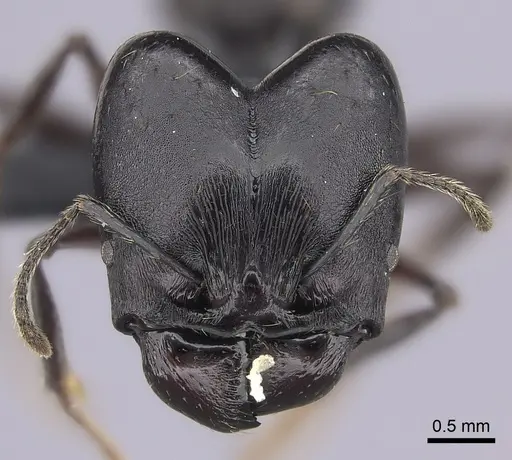
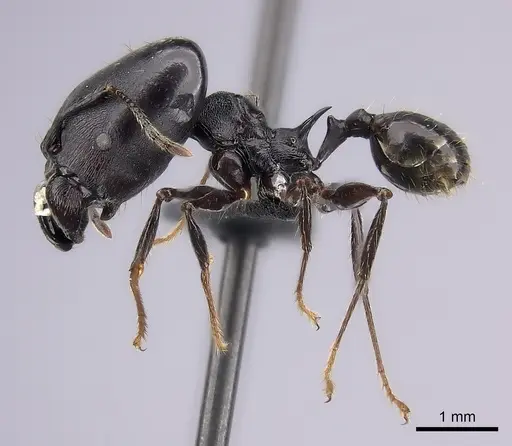
CASENT0494781
View on AntWeb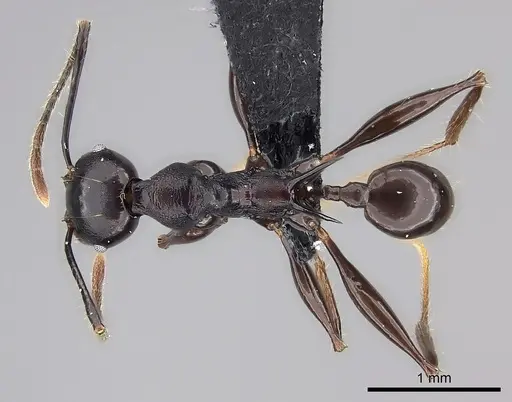
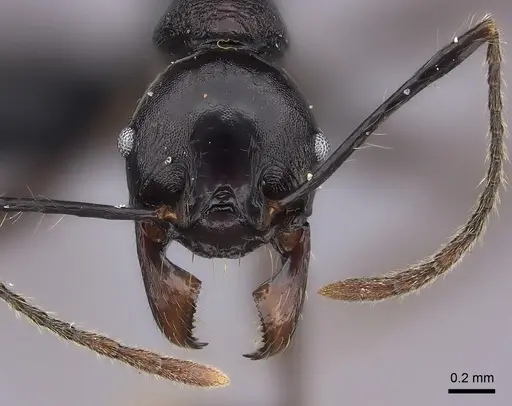
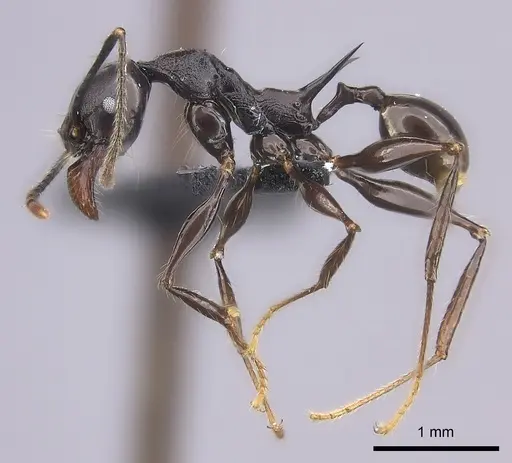
CASENT0494942
View on AntWeb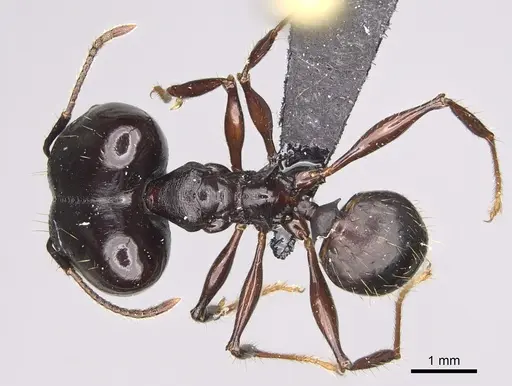
CASENT0494945
View on AntWeb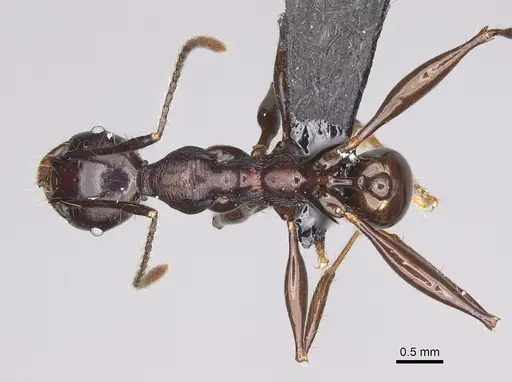
CASENT0495193
View on AntWeb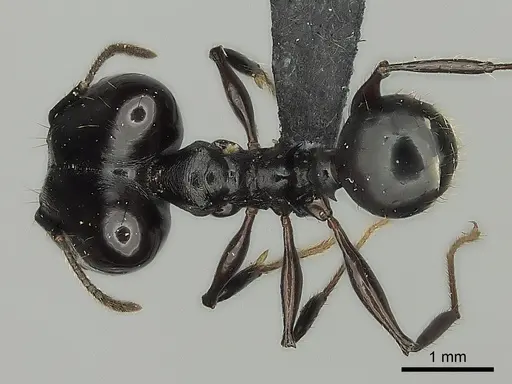
Literature
Loading distribution map...Loading products...