
Pheidole porcula
- Sci. Name
- Pheidole porcula
- Tribe
- Attini
- Subfamily
- Myrmicinae
- Author
- Wheeler, 1908
- Distribution
- Found in 2 countries
Introduction
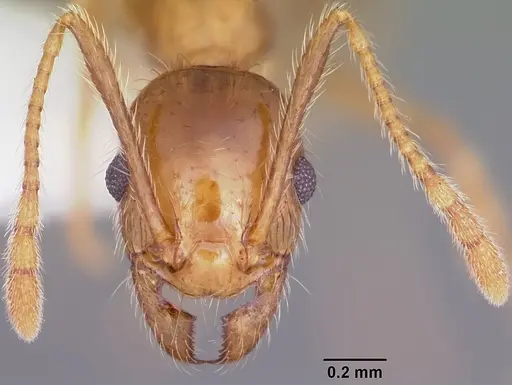
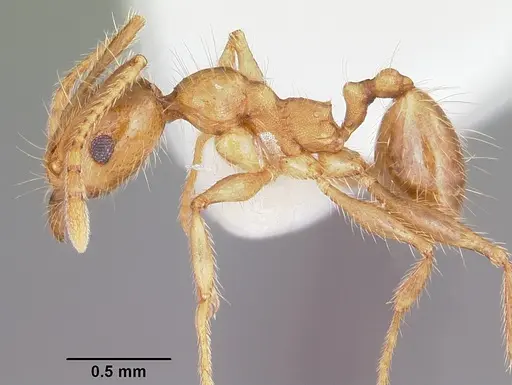
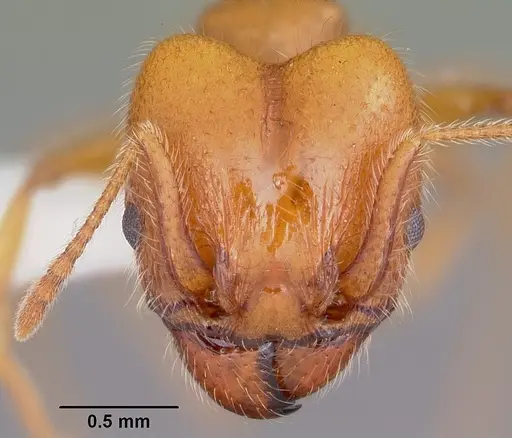
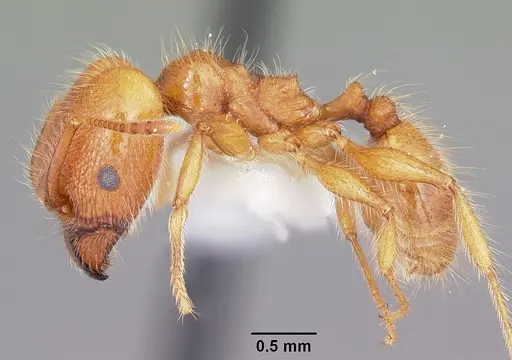
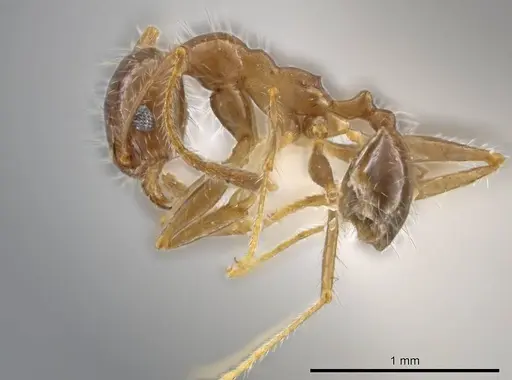
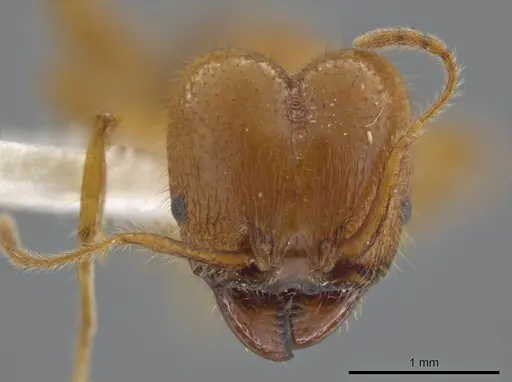
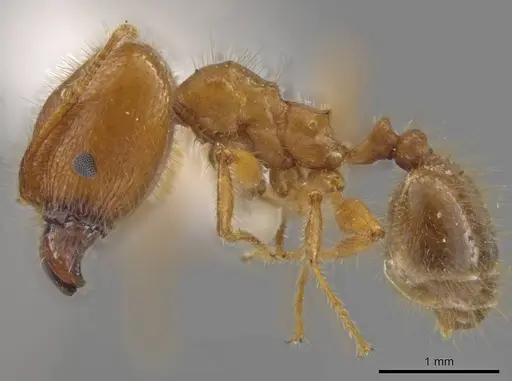
Pheidole porcula is a small ant species native to the American Southwest, with major workers having a distinctive wide head and minors being lighter reddish-brown . Full body size data is unavailable, but inferred from the Pheidole genus that workers are typically 1-2 mm and queens 4-8 mm . They are found in western Texas and northern Mexico, including Chihuahua and Coahuila, nesting in semi-arid habitats like grasslands and rocky areas under stones or logs . This species is defensive when nests are disturbed, with majors and minors biting to protect the colony . They are generalist foragers, collecting seeds and small insects, and adapt to various conditions within their range.
Quick Summary
- Difficulty: Easy
- Origin & Habitat: Western Texas and northern Mexico (Chihuahua, Coahuila), in semi-arid habitats including grasslands, cypress-oak forests, and rocky areas up to 1450m elevation [1][3].
- Colony Type: Based on Pheidole genus patterns, likely monogyne (single queen colonies).
- Size & Growth:
- Queen: ~4-8 mm, inferred from Pheidole genus
- Worker: ~1-2 mm, inferred from Pheidole genus
- Colony: Unknown, no specific data available
- Growth: Moderate, inferred from genus patterns
- Development: 6-8 weeks, estimated based on typical Pheidole development (Development time is inferred from genus-level data since specific timing for P. porcula has not been studied)
- Antkeeping:
- Temperature: Keep at room temperature, roughly 20-26°C, based on western Texas climate [1].
- Humidity: Keep nest substrate moderately dry, as they are from semi-arid habitats [1].
- Diapause: Yes, based on geographic range, provide cool period 10-15°C for 2-3 months in winter [1].
- Nesting: Y-tong (AAC) or plaster nests with dry conditions, they naturally nest under stones [1].
- Behavior: Defensive when disturbed, majors and minors bite to defend the colony [1]. Escape risk is moderate due to small size, use standard barriers.
- Common Issues: colonies may be defensive during inspections, work carefully to minimize disturbance., overwatering the nest can cause mold problems due to semi-arid preferences., winter dormancy is required for long-term colony health., wild-caught colonies may have parasites, quarantine new colonies.
Nest Preferences
In the wild, Pheidole porcula nests under stones, logs, cow dung, metal debris, or in open soil, preferring clayey, rocky loam in semi-arid habitats [1]. For captivity, use Y-tong or plaster nests with relatively dry conditions. Provide a small water tube for drinking and a flat cover over part of the nest to mimic natural security [1].
Feeding and Diet
Pheidole species are generalist foragers, offer protein like small crickets or mealworms twice weekly, plus constant sugar sources like honey or diluted syrup [1]. Major workers can process seeds with their large heads. Remove uneaten food after 24-48 hours to prevent mold.
Temperature and Seasonal Care
Keep at room temperature (20-26°C) with a slight gradient if possible. During winter, provide a cool period of 10-15°C for 2-3 months to mimic natural dormancy [1]. Avoid continuous warmth without a rest period.
Behavior and Defense
When nests are disturbed, workers become aggressive and bite to defend the colony, with majors being particularly effective [1]. Move slowly during inspections to minimize disturbance. They are active foragers but not aggressive toward keepers outside the nest.
Colony Growth and Development
Colonies grow moderately after the queen raises the first brood. Workers expand the nest and forage, with minor workers handling daily tasks and majors specializing in defense [1]. Colony size data is unavailable, but growth is typical for the genus.
Frequently Asked Questions
Is Pheidole porcula good for beginners?
Yes, this species is beginner-friendly due to hardiness and simple care requirements, but handle with care as they are defensive [1].
How long does it take for Pheidole porcula to produce first workers?
Expect 6-8 weeks from founding to first workers emerging, estimated based on typical Pheidole development [1].
What do I feed Pheidole porcula?
Offer a mixed diet: protein sources like small insects twice weekly, plus constant sugar sources like honey or syrup [1].
Do Pheidole porcula need hibernation?
Yes, they benefit from a winter rest period, keep them cool (10-15°C) for 2-3 months during winter [1].
What humidity level does Pheidole porcula need?
Low to moderate humidity, keep the nest substrate moderately dry, as they are from semi-arid habitats [1].
Can I keep multiple Pheidole porcula queens together?
This species is likely monogyne, so only keep one queen per colony based on genus patterns [1].
What size colony does Pheidole porcula reach?
Colony size data is unavailable, but typical Pheidole colonies can reach several hundred workers over time [1].
What nest type is best for Pheidole porcula?
Y-tong (AAC) or plaster nests work well, with dry conditions and a small outworld for foraging [1].
Are Pheidole porcula aggressive?
Yes, they are defensive when nests are threatened and will bite, but not aggressive outside the nest [1].
Report an Issue
The current care sheet is based fully on literature. See inconsistencies, or something that's incorrect? Please , it will be resolved after review from an admin. Contributing to the blogs tab also helps providing information, to make us be able to further improve the caresheets. Thank you for your support!
References

This caresheet is licensed under CC BY-SA 4.0 .
Community Blogs
CASENT0104783
View on AntWeb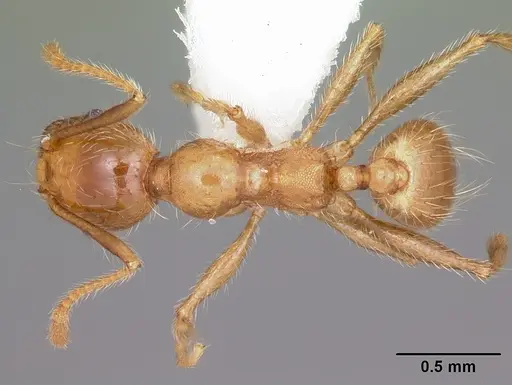
CASENT0104784
View on AntWeb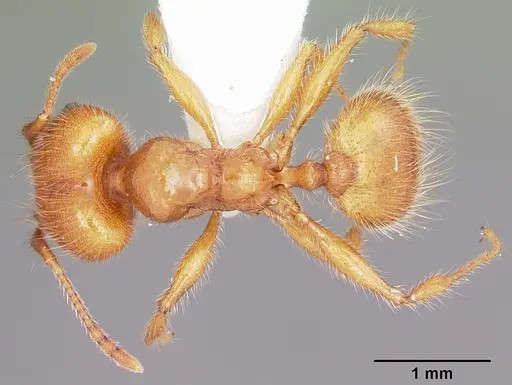
CASENT0636790
View on AntWeb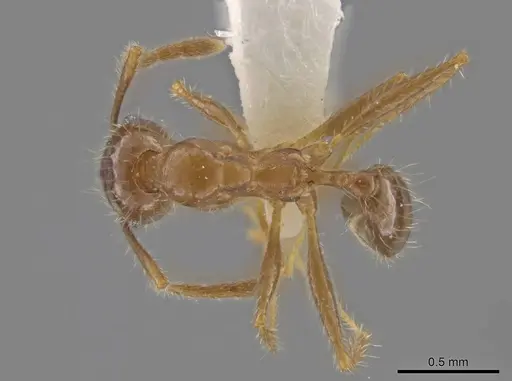
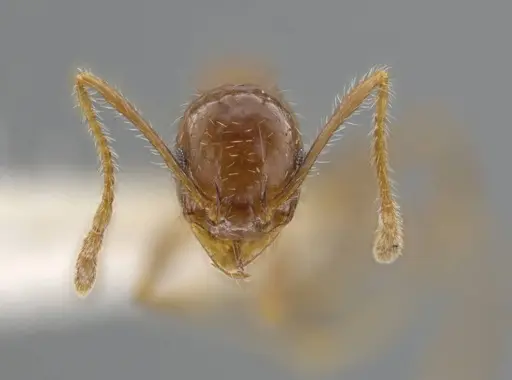
JTLC000013741
View on AntWeb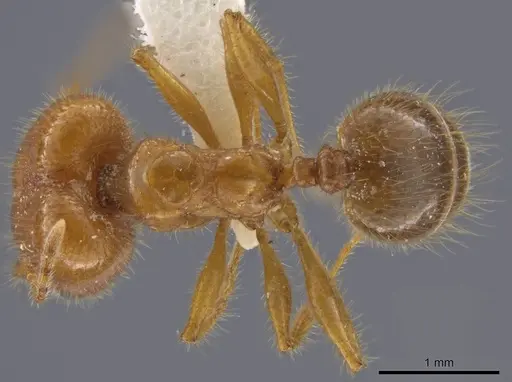
Literature
Loading distribution map...Loading products...